My Web Stats

Interesting Statistics

My Web Stats: Interesting Statistics. A project by Burak Bakay, Director of The Digital Agency

  • What percentage of income should go to student loans?

    There is no definitive answer to this question since it depends on many factors, including the person’s income, student loan debt size, and other financial obligations. However, a decent general guideline is to allocate at least 10% of your income each month toward paying off your student loan. This will help you pay off your student loans faster and free up more money to invest or spend on other things.

    What are student loans?

    Student loans are a type of debt that you borrow to pay for university. There are many types of student loans, but the most common ones are federal student loans and private student loans.

    Federal student loans are government-backed, so you have more confidence in the repayment process. They are identified in two types: subsidized and unsubsidized. Subsidized loans are when the government pays the interest while you are in school and then pays the full amount of the loan when you graduate. Unsubsidized loans require you to pay the interest while you are in school, and then you repay most or all of that debt after you graduate.

    On the other hand, Private student loans are a type of loan that is issued by a private company. These loans are usually better for people who have good credit and can pay back the loan on time. One benefit of privately issued student loans is that they are not as susceptible to default. This is because the lender does not have as much of a financial stake in the loan as a bank or other institution would. In addition, private lenders typically offer better terms than government-backed loans. For example, many private loans have lower interest rates and longer repayment periods than government-issued loans.

    How many people have student loans?

    There are about 43 million people with student loans. And, with the increasing cost of tuition, this number is only going to grow. The average amount of debt for someone with student loans is $37,000.

    How long does it take to pay off student loans?

    Student loans can take a long time to pay off. Depending on the type of loan, it may take anywhere from 10 to 30 years to pay it off.

    However, there are some ways to fast-track the process. For example, you can refinance your student loans at a lower interest rate. You can also consider taking out a loan for a smaller amount and paying it off over time. There are also many scholarship and fellowship programs available that can help reduce the amount of money you owe.

    When do you have to start paying student loans?

    It’s possible that you’ll have to begin repaying your loans as soon as you graduate or when the loan’s term is up.

    You have a six-month grace period (possibly nine months) before you have to start making payments on the majority of student loan types after you graduate, quit school, or drop below half-time enrollment. You have time during this grace period to organize your finances, get a job and figure out a repayment strategy.

    Every private loan has a different payback schedule, unlike government student loans. While you are enrolled in school, certain private loans require repayment. Similar to the option provided by the majority of federal student loans, several private loans allow you to postpone your initial payment for a certain amount of time after you graduate or drop out.

    What happens if you don’t pay student loans?

    Your loan provider may take several actions against you if you don’t make payments on your student loans, including garnishing your salary, taking possession of your property, or filing a lawsuit. This implies that if you don’t pay your loan, you can experience severe monetary issues. There are steps you can do to get back on track if you’re having difficulties paying your debt. You might need to get in touch with the loan provider and ask for a forbearance arrangement or to negotiate a reduced monthly payment.

    What does forbearance mean in student loans?

    Forbearance is a term used in student loans that means you can delay or stop payments for the loan. You may choose to do this if you are experiencing financial difficulties and cannot afford to pay your debt right now. There are a few requirements that must be met before forbearance can be granted, but it is usually an option that is available to borrowers.

    What is the interest rate on student loans?

    For the academic year 2021–2022, the federal student loan interest rate for undergraduate borrowers is 3.73 percent. Federal interest rates are higher, at 5.28 percent and 6.28 percent, respectively, for parent loans and unsubsidized graduate student loans. On the other hand, the typical interest rates for private student loans can range from 2.99 to 12.99 percent fixed and from 0.94 to 11.98 percent variable.

    The interest on subsidized loans is covered by the federal government while you’re enrolled at least half-time, for the six months following graduation, and for any loan deferments. You’ll start paying back your direct subsidized loans, with interest, once your grace period expires.

    For how long are student loans deferred?

    You may be wondering how long student loans are typically deferred. Most student loans are typically deferred for a period of eligible educational programs, which generally reach up to three years. If you’re employed in certain qualifying jobs, your loans may also be deferred while you’re attending school full-time. Generally speaking, the longer your loan is deferred, the more expensive it becomes.

    What happens to student loans when you die?

    After the necessary proof of death has been provided, your federal student loans will be discharged if you pass away. An original death certificate and a certified copy of the death certificate are both acceptable forms of proof.

    Meanwhile, there is no formal discharge for private student loans. Debts from private loans will be managed in the same manner as other debts. They will therefore be a part of your estate. The probate procedure used to settle estates differs from state to state.
  • What percentage of eligible persons must a policy cover in a noncontributory group?

    In a noncontributory, 100% of eligible persons (employees) must be covered by the policy. The norm for insurance businesses is that noncontributory plans must enroll all eligible employees. The standards for deciding who is qualified to participate in the plan may be established by the employer.

    What is a noncontributory pension plan?

    Any pension plan or other sort of benefit plan that is fully funded by the employer is a noncontributory plan. There are no payments needed from plan participants. Noncontributory life insurance policies are regularly established by employers for their employees. Non-contributory plans are most advantageous to low-income employees who might not otherwise be able to afford the associated incentives.

    What distinguishes a contributory policy from a noncontributory policy?

    There are two types of insurance policies: contributory and noncontributory. A contributory policy is one in which the insurance company depends on the insured individual to contribute from their salary. A noncontributory policy does not require the insured person to contribute money. Instead, the employer pays all insurance contributions and the employee’s salary is unaffected.

    Until 1996, what was the most important noncontributory public assistance program?

    The most important contributory program until 1996 was the Aid to Families with Dependent Children (AFDC). It was created as a grant program by the Social Security Act of 1935 to allow states to give cash welfare payments to needy children who had been denied parental support or care because their father or mother was unable to care for them, either because they were absent or unemployed.

    State benefit payments may be repaid by the federal government indefinitely at “matching” rates that were inversely correlated to state per capita revenue. All people who fell within the federal law’s eligibility categories and whose resources and income fell under the state’s defined limits were able to apply for assistance from the state.

    The program failed because it offended both liberals and conservatives, who worried that the low level of support provided would put a ceiling on welfare benefits rather than a floor under them. However, the majority of the adjustments made to AFDC over its 70-year lifespan made things worse for recipients and so it was abolished.

    What are primary and noncontributory insurance coverage?

    Commercial general liability, vehicle liability, worker’s compensation, and other insurance policies are all involved in primary and noncontributory insurance policies. The coverage determines the order in which rules apply when more than one policy is activated by the same event.

    Primary denotes that one party’s liability insurance is responsible for responding to a claim first before another entity’s policy applies. On the other hand, noncontributory insurance prevents the primary party’s insurance company from requesting assistance from the other entity’s policy in order to settle a claim. It means that a loss is only covered by one policy.

    What does a primary and noncontributory clause mean in liability insurance?

    A primary and noncontributory clause is a type of clause in an insurance policy that determines who is responsible for a loss. The clause states if the insurance company is primarily responsible for losses and if the policyholder is not responsible for any losses. This type of clause is important when insurance companies are trying to determine who should pay for a loss.

    How does the government pay for noncontributory programs?

    Noncontributory programs are funded by tax revenue. The government collects taxes from individuals and businesses, and then distributes the money to the programs that they decide are most important.

    In certain cases, such as Social Security and Medicare, taxes are collected from those who are actually eligible for the program. Other programs, such as food stamps and welfare, provide benefits to people who may not be required to pay taxes.

    Where are annuity payments of non-contributory pension plans filed?

    If you are receiving an annuity payment from a non-contributory pension plan, the payments will likely be filed with the Internal Revenue Service (IRS). This is because the IRS is responsible for determining how much tax to withhold from your annuity payments.

    Regardless of whether the person makes contributions to the pension plan or not, the pension plan guarantees that it will pay the person a predetermined amount of money each month.

    How is eligibility determined for noncontributory programs such as TANF?

    The Temporary Assistance to Needy Families (TANF) program, which offers food stamps, Medicaid, Supplemental Security Income, and other non-cash benefits to low-income families depending on their ability to pay, are examples of a non-contributory program. Those who are eligible for the aforementioned programs are determined through what is called means testing.

    Means testing is a type of targeting in which a representative evaluates the household or individual’s income. The person or household is eligible for program benefits if their income is below a certain threshold. This ideally entails the existence of information on income that can be verified and documented, such as tax returns, wage information from employers, or financial data from institutions.

    What does it mean to say that past medical history is noncontributory?

    When a person is applying for a health insurance policy, they will have to answer questions about their medical history. This includes information about any diseases or conditions that the applicant has had in the past. If an applicant’s medical history is noncontributory, this means that the disease or condition did not play a role in causing the individual’s current health problems. For example, if an applicant has high blood pressure but had a heart attack before their high blood pressure, their high blood pressure would be considered non-contributory to their heart attack.

    When are you taxed in a noncontributory pension plan?

    You will only be taxed on the amount of money you get from your defined contribution plan in a given year when you retire and reach the legal age to start taking withdrawals. Instead of offering lump-sum payments, non-contributory retirement plans often offer a constant and reliable stream of income. Your taxable earnings for the year are increased by the total of the payments you received from your pension plan, and regular income tax rates are then applied.

  • What percentage of Earth’s landmass is tropics?

    The tropics account for 36% of the Earth’s landmass and serve as a home to about a third of the world’s people. They are basically regions of the Earth that lie roughly in the middle of the globe. The tropics consist of the Equator and parts of North America, South America, Africa, Asia, and Australia.

    What imaginary lines mark the southern and northern boundaries of the tropics?

    The English word “tropic” derives from the Greek word “tropikos,” which means “belonging to a turn of the sun at the solstice.”

    The southern limit of the tropics is marked by the line known as the Tropic of Capricorn, whose latitude is 23° 27′ S. Because the sun was in the constellation Capricorn at the time of its naming, which occurred at the December solstice, it was given that name.

    On the other hand, the line called the Tropic of Cancer marks the northern boundary of the tropics, and its latitude (distance from the Equator) is 23° 27′ N. Likewise, the name was from the idea that the sun was positioned in the Cancer constellation during the June solstice.

    The naming happened around 2000 years ago, and the sun is no longer in those constellations at that time of year.

    Why are the tropics the most diverse areas?

    The tropics are very diverse regions of the world because they have the most varied environments. They are hot and humid, so they contain a wide variety of plants and animals. The climate is also quite stable, so there are lots of different types of trees, plants, and flowers.

    Tropical latitudes produce far more solar energy than temperate zones, which results in high productivity and high biodiversity. Tropical regions tend to have fewer seasonal changes than temperate ones and their climates are more or less stable. This encourages specialization within the niche and hence a large number of animals.

    Why do hurricanes initially form only in the tropics?

    Tropical cyclones are similar to engines that need warm, moist air as their fuel. So the first ingredient required for a tropical cyclone to form is warm ocean water. That is why tropical storms only form in tropical regions where the oceans are at least 80 degrees Fahrenheit for at least the top fifty meters below the surface.

    A tropical cyclone also requires wind to be formed. When hurricanes form in the Atlantic Ocean, they’re usually caused by winds blowing westward across the ocean from Africa. Water evaporates from the surface of the ocean, rising into the air. As it rises, the water vapor cools and condenses back into large water droplets, forming larger cumulonimbus cloud formations. These clouds are just a start.

    Rainfall varies greatly from one region of the tropics to another. For example, some parts of the Amazon Basin in South America receive almost 3 meters (9 feet) of rain per year. Dry climates are found in other parts of the tropics. The Sahara Desert in northern Africa only receives between 2-10 centimeters (793.9 inches) of rain per year.

    Rainfall directly affects which plants and animals thrive in a particular tropical region. The baobab tree thrives in arid tropical climates, such as Africa. It stores water in its huge trunk. On the other side is the rainy island of Sri Lanka located in the Indian Ocean. Sri Lanka gets enough precipitation to support 250 species of frogs.

    The tropics receive more direct solar energy, which results in more evaporation than in higher latitudes. The warm, moist atmosphere rises, forms clouds and thunderstorms and then falls back to earth as rain. More evaporation means more precipitation.

    What temperature range characterizes the wet tropics?

    The average temperature in the tropics is about 80 degrees (27 Celsius). The temperature feels warmer because the humidity is usually quite high. Humidity is the amount of water in the air. During the day, temperatures rarely exceed 93 degrees, and at night, temperatures don’t fall below 68 degrees.

    Which winds are found primarily in the tropics?

    The strong prevailing winds that blow from the east through tropical areas are known as trade winds. They are generally predictable. They have been instrumental to the history of exploration, communications, and trade. Early ships relied on wind to establish quick, reliable routes across the vast Atlantic and Pacific Oceans. Today, shipping depends on trade winds and ocean currents they drive.

    Trade winds that are formed over land (called continental trade winds) are warmer and drier than those that are formed over the ocean (maritime trade winds). The relationship between continental and maritime trade winds can be violent when they collide.

    Strong trade winds mean a lack of precipitation, while weak trade winds usually carry rainfall far inland. The most well-known rain pattern in the world, the Southeast Asian monsoon, is a seasonal, moisture-laden trade wind.

    What does watching the tropics mean?

    A Tropical Storm Watch means that a tropical cyclone with winds of 34 to 63 knots (39 – 73 miles per hour) or higher is expected to form within 48 hours. These winds may be associated with storms, coastal flooding, and river flooding. The watch does not necessarily indicate that tropical storm conditions will be occurring.

    Why are the tropics warm all year long?

    The tropics are hot all year round, averaging between 25 and 28 degrees Celsius (77 and 82 degrees Fahrenheit). Because the tropics receive more sunlight than temperate regions, they tend to be warmer. Because of all that sunlight, tropical regions don’t experience the kinds of seasons the rest of the world does. The tropical seasons are divided into just two: the rainy season and the dry season.

    Why is the water clearer in the tropics?

    The water is clear because there is no plankton and suspended particles in it. Plankton is at the base of the food chain in all oceans. Because there is little plankton near the equator, tropical ocean water is almost sterile compared to the fertile waters of the northern oceans.

    The Caribbean Sea is among the tropical ocean regions that contain warm, clear water.

    What is the largest lake in the tropics?

    Lake Victoria passes through Kenya, Tanzania, and Uganda. It is the second-biggest freshwater lake in the world and the largest tropical lake. Lake Victoria reaches the Equator on its northern side. Its total area is 68,800 sq. km with a maximum depth of 80 m, which is relatively shallow. Its basin is home to about 30 million people.

  • What percentage of conservation money comes from hunters?

    Annually, the 10 largest non-profit conservation organizations provide $2.5 billion to habitat and wildlife conservation – 12.3% of this comes from hunters while 87.7% is from the non-hunting public. There is a lot of debate about how to best fund conservation. Some people think that the best way to do it is through hunting licenses and fees, while others think that the money should come from taxes. Which is the right way to go?

    Where does conservation money come from?

    One of the main ways to promote conservation is to provide financial assistance to people who want to protect resources. This is called conservation funding. There are many different types of conservation funding, and each one has its own specific goals. The most common way is through taxation. Taxation provides a financial incentive for people to conserve resources, and it helps governments raise the money needed to support conservation initiatives.

    Some types of conservation funding include donations from individuals, foundations, and government agencies. Other forms of conservation funding include grants from private companies, donations from auction houses, and charging fees for using protected areas.

    How much conservation money comes from the sale of fishing and hunting licenses?

    Selling fishing and hunting licenses is one way that the government funds conservation. Approximately $1 billion a year nationally is collected by the government, of which 100% goes directly to conservation and restoration. This means that it is a private-sector initiative that helps to conserve resources for future generations.

    Conservation funding is vital to the continuation of many important environmental programs. The money is used to help protect both the environment and the economy. It helps to preserve natural resources and keep our economy healthy. The conservation money also helps to fund things like land conservation, wildlife research, and water cleanup. Furthermore, it helps to create jobs in the hunting and fishing industries.

    Where in Africa is trophy hunting the sole source of conservation funding?

    Trophy hunting is the main source of conservation funding in South Africa. It is responsible for bringing down the populations of many large animals, including lions, elephants, and gorillas. This activity is considered to be a form of wildlife tourism. However, trophy hunting has been a controversial practice that many people believe should be stopped. It can be very dangerous for both the hunters and the animals they’re trying to kill. It’s also been linked with human rights abuses, including the trafficking and exploitation of wildlife.

    While some people may find this practice ethically questionable, it’s important to remember that trophy hunting provides valuable income for many African communities.

    How does the trophy hunting conservation money help?

    Trophy hunting is a big business, and it’s one that benefits conservation in many ways. Conservation money helps fund research into new ways to manage animal populations, which helps keep those populations healthy and balanced. It also helps pay for the management of wildlife areas, which helps keep those areas open for hunting. Finally, it pays for the training of game wardens and conservation officers, who are responsible for enforcing wildlife laws and protecting wildlife resources.

    Trophy hunting is a popular activity that many people enjoy. However, it has come under fire in recent years because of the damage that it can do to wildlife populations.

    What percent of conservation funding goes to freshwater conservation?

    It’s estimated that only 2 – 3% of conservation funding goes towards freshwater conservation. This is despite the fact that freshwater ecosystems are home to 40% of all known fish species and provide vital services to humans, including drinking water, food, and clean energy. The study found that the majority of conservation funding goes towards terrestrial ecosystems, with very little going towards marine or freshwater ecosystems.

    How much is spent globally on conservation funding?

    In 2017, 81 countries have domestically spent around 67.8 billion USD collectively on conservation and the sustainable use of biodiversity. The global conservation community has been working to protect the environment for years.

    The majority of this money goes to protecting forests, species, and natural resources. However, the amount of money that is spent on conservation is increasing each year because of the global concern for climate change. This money is used to fund organizations that work to protect these areas. Conservation funding is important because it helps to protect our environment and ecosystems.

    In the past, this work was funded by taxpayers through charitable donations. However, in recent years, this has become more difficult as governments have been struggling to maintain funding levels. As a result, conservation groups are now turning to other sources of funding. One of the most common sources of conservation funding is philanthropy. This is money donated by individuals or organizations who want to help protect the environment. Another major source of funding grants from government agencies. Finally, private companies also contribute to conservation efforts through donations and investment.

  • What percentage of colonists in 1770 traced their ancestry to England?

    In the 1770s, there were about 250,000 English colonists living in North America. This made them the largest group of settlers in the region at the time. Around 50% of all colonists were of English and could trace their ancestry to England.

    The reason for large migrations of English to the US is due in part to the fact that England had been through a lot of wars in the previous century and many people were looking for a new opportunity. Additionally, the British government offered many incentives to people who wanted to move to America, including free land and financial support.

    What beliefs about government did early English colonists bring to America?

    The English colonists that came to America in the early 17th century brought with them a number of beliefs about government. Most importantly, they believed that the government should be limited in power and that it should play a role in protecting the rights of the people. For example, the English believed that the king was the head of the government and that people had a right to rebel against him if they felt that he was wrong. They also believed in the power of democracy, which is why they wanted to create a democratic country where the people could collectively decide how things should be in society.

    These democratic beliefs about government are still reflected in American society today.

    What was a major source of conflict between English colonists and Native Americans?

    The colonists’ treatment of the land was one of the major sources of conflict between English colonists and Native Americans. The Native Americans opposed the English settlers’ desire to split the territory into individually held sections because they thought that everyone owned the land.

    Why were the French mad at the English colonists?

    The French colonists were mad at the English colonists because many French colonists had to give their newly colonized lands to the English as part of a peace treaty between the French, Spanish and English governments.

    It all started when the French and English colonists were trying to colonize North America at the same time. Boarders were not well defined, and this resulted in numerous fights between the French and English Colonists.

    The tensions between the colonists resulted in a war known as the French Indian War, which began in 1754. The primary disputed territory was the upper Ohio River valley where British and French colonist forces clashed leading to the defeat of the British. In retaliation for the defeat, the British Prime Minister Thomas Pelham-Holles called for retaliation which led to a full-scale war in 1778, between Britain and France, known as the Anglo-French War.

    This war involved each side attacking and attempting to seize the other global territories. Eventually, France leveraged family ties to invoke help from Spain to deal with the British. Even though Britain had to fight both Spanish and French forces, Britain succeeded in capturing a variety of Spanish and French colonies. These included the French Caribbean Islands, Cuba, and the Philippines. Finally, after a failed attempt by Spain to take their neighboring country and British ally, Portugal, peace talks began. The talks ultimately ended the war.

    The peace talks resulted in Britain trading their newly acquired Cuba in exchange for vast swaths of the USA. This of course meant many French colonists being ordered to hand their lands over to the British, resulting in some resentment.

    Who sponsored an attempt to settle Virginia with English colonists in 1587?

    English colonists, led by Sir Walter Raleigh, attempted to settle in Virginia in 1587. The attempt was unsuccessful, and the colonists were forced to retreat back to England. However, the attempt is noteworthy because it is one of the earliest examples of sponsorship in history.

    Sponsorship is when a person or organization provides financial support to a person or group in order to achieve a specific goal. In this case, the sponsorship aimed to fund the colonists in gaining access to land and resources in Virginia.

    What was the journey to North America like for early English colonists?

    When the first English colonists departed for North America, they had no idea what they were getting themselves into. The voyage was long and treacherous. They had to brave the cold, windy, and often dangerous seas and many of the colonists died along the way. But eventually, those who survived landed on the shores of present-day USA. From there, it was a challenge for them to build a new home and maintain land for themselves.

    What was a major difference between Spanish and English colonists?

    Spain and England both invaded and colonized territories in America, but their colonies had different outlooks. To give an example, unlike the Spanish, the English chose to settle in regions lacking significant native empires. This distinction prevented the English from using indigenous as a controllable labor force like the Spanish did.

    How did the goals of the French colonists differ from those of the English colonists?

    French colonists intended to expand France, whilst English colonists wanted to establish a new nation. During the period, France was ruled by tyrannical monarchs who exercised unlimited power. As agents of the Crown, their colonists emigrated to America. On the other hand, as long as they adhered to English law and showed loyalty to the king, the English colonists had far greater independence and were permitted to rule themselves.

    Why was the proclamation of 1763 imposed upon the English colonists and how did the English colonists react to it?

    At the end of the French and Indian War, the British issued the Proclamation of 1763 to reconcile with the Native Americans by halting the expansion of European settlers on their territories. The British possessions on the Atlantic coast and the American Indian territories west of the Appalachian Mountains were divided by this boundary, which became known as the proclamation line. It has developed into one of the pillars of Native American law in the United States and Canada over the years since the declaration.

    However, English colonists believed that the Proclamation was a scheme by the British Crown to keep them under their harsh rule and that they only wanted them east of the mountains so they could watch them. Colonists ultimately rebelled against this law.

    How did the English colonists profit from the slave trade?

    The English colonists profited from the slave trade in two main ways. Firstly, they were able to use the slaves to work on their plantations. Second, they were able to sell the slaves either to other colonists or by exporting them to Europe.

    The English wanted to get their hands on as many valuable resources as possible, and slaves were once such resources. They were able to get rich off of the slave trade, and it helped them become one of the most powerful nations in the world.

    What rights did English colonists have?

    English colonists had a lot of rights when they arrived in America. They were allowed to own land, trade goods, and form settlements. They also had the right to free speech and assembly. English colonists also had the right to freedom of religion. This meant that they could practice whatever religion they wanted without fear of persecution. In addition, English colonists were able to form their own governments. This allowed them to have their own laws and regulations, as well as control their own finances.

    Why did English colonists stick close to the Atlantic coast?

    The Atlantic coast is the coast that’s nearest to Britain. Colonists were legally tied to Britain through trade and by the way they were governed. Trade was restricted, so the colonies had to rely on Britain for imported goods and supplies. Colonists relied on that coast for trade. Settlements near the coast would mean easier transport of goods to and from ships.

    Colonies were often located at the mouths of rivers because rivers provided easy passage inland through the newly discovered territory.

  • What percentage of coffee is water?

    A cup of coffee is 98% water. Thus, if you want a great cup of coffee, the water you use to make coffee must taste clean, fresh, and with no impurities. The wide spectrum of flavors in coffee is effectively extracted using water that has been boiled to slightly below boiling (90° to 96° C). Any cooler than this and the water can’t effectively do the job. Hotter than this, and the water can burn the coffee causing the taste to become less palatable.

    Who invented coffee?

    Coffee was first cultivated in the ancient coffee woods of the Ethiopian plateau, and it is now farmed all over the world. There, a goat herder named Kaldi who lived in the ninth century is credited with discovering the benefits of these beans after observing how his goats changed after consuming berries from a certain bush: they got so energized that they wouldn’t sleep at night. The local monastery’s abbot was informed of Kaldi’s discoveries and drank a beverage concocted from the berries. He observed that it also kept him alert throughout the lengthy evening prayers. The revitalizing berries became known after the abbot informed the other monks at the monastery about his discovery.

    The word moved east and coffee soon reached the Arabian peninsula. It began a journey that would bring the popularity of these beans across the globe.

    How much caffeine is in a cup of coffee?

    A typical cup of coffee has approximately 95 milligrams of caffeine. This quantity might range from zero to more than 500 mg depending on the type of coffee drink.

    The factors that affect caffeine content are:

    • Type of coffee beans: There are many kinds of coffee beans available, which may naturally contain different amounts of caffeine.
    • Roasting: Lighter roasts result in more caffeine than darker roasts, although the darker roasts can definitely have a deeper flavor.
    • Type of coffee: Any variety of coffee, including routinely brewed coffee, espresso, instant coffee, and decaf coffee, can contain varying amounts of caffeine.
    • Serving size: The size of “one cup of coffee” can range anywhere from 30–700 ml (1–24 oz), which greatly affects the total caffeine content.

    What is decaf coffee?

    Decaffeinated coffee is just the same as regular coffee, but has a majority of its caffeine removed. It still contains a very small amount of caffeine (around 3% of what it had to begin with) since 100% of caffeine can never really be removed completely.

    Green, unroasted beans are used to make decaf coffee. Water alone, water and solvents (most frequently methylene chloride or ethyl acetate), or water and “supercritical carbon dioxide” are used to warm and soak the hard beans in order to break down and remove the caffeine.

    All of the aforementioned methods are generally safe. Once 97% of the caffeine is removed, the beans are washed, steamed, and roasted at temperatures that can evaporate all the liquids used in decaffeination.

    What are the different types of coffee?

    There are different types of coffee drinks that people consume. Here are just five of them to familiarize yourself with some of the popular types of coffee:

    Americano

    Americano is a popular breakfast drink and was thought to have originated during World War II. Soldiers would put water to their coffee to extend their rations further. The water dilutes the espresso while still maintaining a high level of caffeine to their liking.

    • Ratio: 1 shot of espresso + 3 oz. of hot water
    • Cup: 5-6 oz. Glass Coffee Mug

    Flat White

    A flat white originated from New Zealand and Australia. It is very similar to a cappuccino without the foam layer and chocolate powder. To maintain the creaminess of the drink, steamed milk is added from the bottom of the jug.

    • Ratio: 1 shot of espresso + 4 oz. of steamed milk
    • Cup: 6 oz. Glass Tumbler

    Espresso

    The espresso, also called short black, is about 1 oz of highly concentrated coffee. It looks very simple to make but can be difficult to master.

    • Ratio: 1 shot of espresso
    • Cup: 2-4 oz. Espresso Cup

    Macchiato

    The word “macchiato” means “to mark or stain”. The name refers to the imprint that heated milk makes as it is dashed into the espresso on the drink’s surface. Depending on the tastes of the consumer, flavoring syrups are frequently added to the beverage.

    • Ratio: 1 shot of espresso + 1 to 2 teaspoons of steamed milk
    • Cup: 3 oz. Glass Espresso Cup

    Cappuccino

    This is a creamy coffee drink that is usually consumed at breakfast time in Italy and is loved in the US as well. It is usually associated with feelings of indulgence and comfort because of its thick foam layer and flavorings that can be added to elevate the flavor of the drink.

    • Ratio: 1-2 shots of espresso + 2 oz. of steamed milk + 2 oz. of foamed milk + a sprinkling of chocolate powder (optional)
    • Cup: 6-8 oz. Cappuccino Mug

    How much coffee is too much?

    Caffeine is not actually safe for everyone. Some people should avoid caffeine, including:

    • Children
    • People taking medications for their anxiety
      Pregnant or breastfeeding women
    • People suffering from heart disease or high blood pressure

    Otherwise, caffeine is safe in moderation. Here are some boundaries that should be noted:

    • Caffeine intake for healthy persons shouldn’t exceed 400 mg per day. That is equivalent to roughly 10 cans of cola or four 8-ounce cups of brewed coffee.
    • Teenagers should limit their daily caffeine intake to less than 100 mg (which equates to one 8-ounce cup of coffee or about two cans of cola).

    How long does coffee stay in your system?

    Caffeine has an almost immediate effect on the body, kicking in within 15 minutes of consumption. For most people, the blood level of caffeine peaks around an hour later and remains high for many hours. 50% of the caffeine you drink stays in your system for six hours! Caffeine removal from your bloodstream can take up to 10 hours.

    Why does coffee make you poop?

    Coffee appears to also trigger the release of the hormone gastrin, which allows for the production of stomach acid. Gastric acid helps break down food and might cause colonic activity. In 1986, researchers found that drinking caffeinated or non-caffeinated coffee affects gastrin levels quickly and dramatically. A 2009 study discovered that Drinking coffee significantly speeds up digestion.

    Why does coffee make me sleepy?

    Caffeine counteracts the effects of adenosine, which is why you feel so alert after drinking coffee. However, once its effects wear off, your body may begin experiencing an accumulation of adenosine, which is why coffee may cause you to feel tired and sleepy.

    Adenosine is a molecule that’s naturally produced by the body and triggers the feeling of sleepiness. By consuming coffee, your body absorbs the caffeine in it, and when this caffeine reaches your brain, it stays with your adenosine receptors.

    Why does my pee smell like coffee?

    Over 1,000 chemical components make up coffee and are responsible for its flavor, fragrance, and appearance. The main cause of coffee’s aroma is antioxidants known as polyphenols.

    The digestive system absorbs and uses the coffee’s polyphenols, which are then degraded and eliminated in the urine. Therefore, a person who drinks a lot of coffee may have a high level of polyphenols and other coffee chemicals in their urine. This will give out a coffee-like odor.

    Additionally, caffeine speeds up the rate at which you urinate and can dehydrate you. Dehydration causes a person’s urine to be more concentrated, which means it contains less water and more waste than usual.

    Why is coffee called joe?

    A blanket order prohibiting alcohol on naval warships was reportedly issued by Secretary Josephus Daniels. From then on, the strongest drink of any kind permitted on naval ships has been coffee. The presumably unhappy and sober sailors were disappointed with the changes, so they started to call coffee a “Joe” out of spite.

    When is National Coffee Day?

    National Coffee Day is on September 29, for the US and Canada.

  • What percentage of Canadians live within 100 miles of the US border?

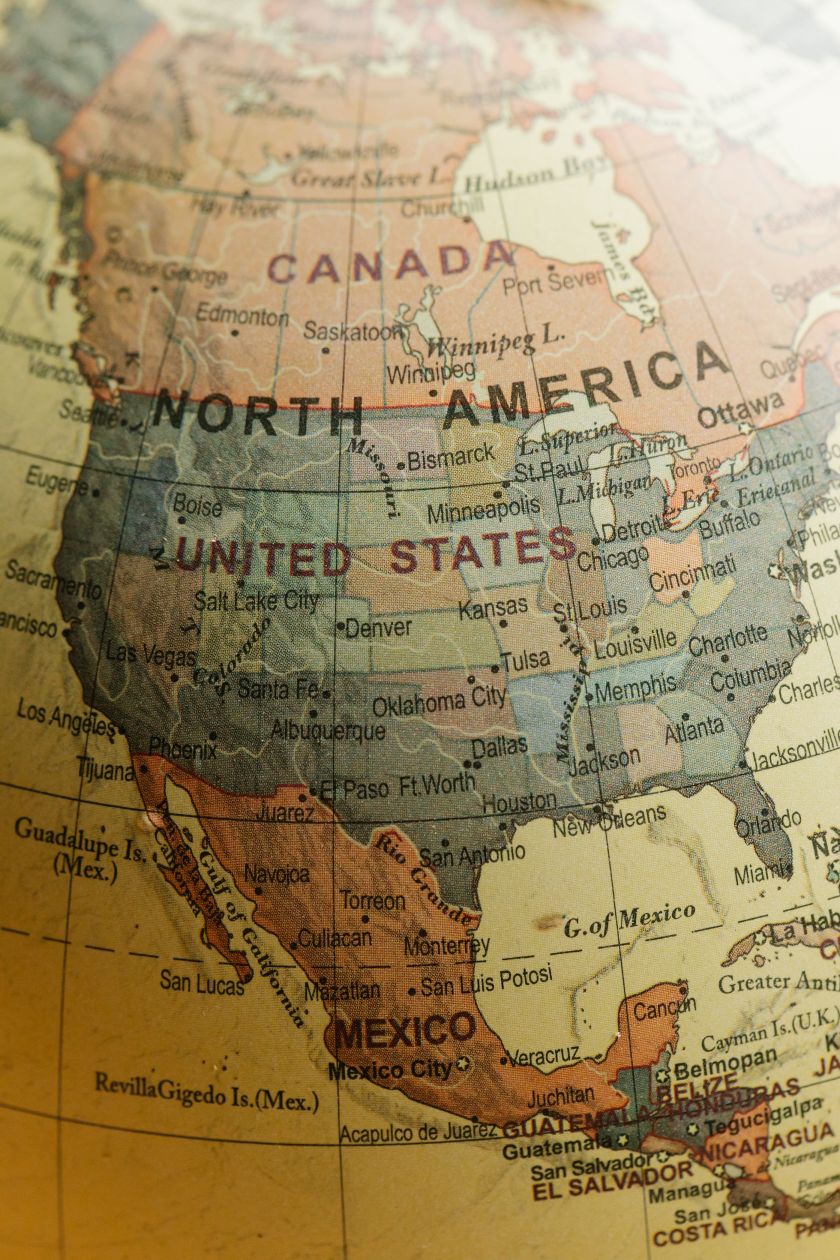
    Most Canadians reside not far from the US border. 90 percent of Canadians live within 100 miles (160 km) of the border and this is mostly due to climate, settlement patterns, transportation, etc.

    How many US states border Canada?

    There are a total of 13 states that border Canada: Maine, New Hampshire, Vermont, New York, Pennsylvania, Ohio, Michigan, Minnesota, North Dakota, Montana, Idaho, Washington, and Alaska. Canada is a country located to the north of the United States. The US border with Canada has been changed a number of times in American history.

    The Canada-United States border is the longest international border in the world at 5,525 miles and with more than 100 crossings. Not all of the border crossings are open 24 hours a day, 7 days a week, year-round. People can cross them by land, ferry, and international airports.

    Who can cross the Canada-US border?

    People who are allowed to cross the Canada-US border are either citizens of the United States or people who have a visa that allows them to stay in the United States for an extended period of time. Citizens of the United States must have a passport or other document that proves their citizenship. People who have a visa that allows them to stay in the United States for an extended period of time must have a valid visa, passport, or another document that proves they can stay in the United States.

    What ID is needed to cross the US border from Canada?

    Depending on whether you’re traveling by land, air, rail, or boat to cross the border with Canada, different kinds of documents are needed.

    For American Citizens

    American citizens who are arriving by land or sea are required to produce one of the documents below to enter the country.

    • Passport
    • United States Passport Card
    • Trusted Traveler Cards – NEXUS, SENTRI, or FAST
    • Global Entry Card
    • Enhanced Driver’s License or Enhanced
    • Identification Card – EDL / EIC
    • Military ID or Merchant Marine Document
      • Must be traveling on official orders or maritime business, respectively
      • Family members over 15 years old must still present passports
      • Enhanced Tribal Card
    • Children under 15 may present a passport as well, but there are also the following options:
      • Birth certificate (original copy)
      • Consular Report of Birth Abroad
      • Naturalization Certificate
      • These rules also apply to children aged 16-18 if they are traveling with a group (school group, sports team, etc.).
    • Closed-loop cruises (which begin and end at the same U.S. port)
      • You can re-enter the US with only a birth certificate and government-issued photo I.D. But remember to still bring your passport with you in case your cruise visits other countries.

    American citizens arriving by air must present one of the following documents to enter the country:

    • Passport
      • A passport card is not allowed.
      • Children must have their own passports as well
      • Check that it’s not expired!
    • NEXUS card
    • Merchant mariner card or U.S. military identification card
      • Accepted only if you are traveling on official business

    Non-citizens entering the United States

    If you’re a citizen of another country entering the US, you will need one of the documents below.

    • Valid Passport
      • The United States often requires visitors from certain nations, including Canada, to submit passports that are current at the time of border crossing and valid for up to six months after the date of their intended departure date.
      • You’ll probably be subject to a second inspection if your passport has expired. The border agent will have the last say regarding your admission to the United States.

    Canadian citizens may use:

    • Enhanced Driver’s License or Enhanced Identification Card – EDL / EIC.
    • Trusted Traveler Cards – NEXUS, SENTRI, or FAST
      • Lawful permanent residents must provide their Lawful Permanent Resident Card (Form I-551) or another acceptable form of identification as verification of their status as lawful permanent residents.
      • Children who are Canadian citizens and are under 16 years old may utilize a birth certificate or other documentation of citizenship. The birth certificate is available as an original, certified copy, or photocopy.
      • As long as they’re traveling with a group, it also applies to kids under 19 (school trip, sports team, etc.).

    You may need to get a visa depending on your country of origin and your reason for traveling. Visitors from Canada and Bermuda, in addition to visitors from the 39 countries in the Visa Waiver Program, do not require visas.

    Requirements to cross the United States-Canadian border by car:

    • Driver’s license: The driver of the car must have a valid license.
    • Vehicle registration: Border officials are often on the lookout for stolen vehicles, or people trying to avoid duties on vehicles purchased out of the country.
    • Proof of insurance: It’s recommended that you bring your vehicle’s insurance paperwork.

    What is the wait time at the US-Canada border?

    The wait times can range from no delays up to 20 minutes, specifically on both the commercial and traveler flows at Sweetgrass–Coutts Border Crossing in Montana. Updates on wait times can be researched online.

    The Ambassador Bridge connects is the busiest international border crossing in North America based on trade volume.

    How long is the southern US-Canada border?

    The southern US-Canada border measures 8,891 km (5,525 mi) long. Meanwhile, Alaska shares the longest border with Canada of any state. The 1,538-miles (2,475 km) long border is shared with Yukon and British Columbia.

    What established the border between the US and Canada?

    The Oregon Treaty was signed by representatives of Great Britain and the United States, and it resolved a long-running disagreement with Britain over who has authority of the Oregon area. The 49th parallel, which runs from the Rocky Mountains to the Strait of Georgia, was designated as the border between the US and British Canada by the treaty. With this, the British retained control of Vancouver Island and the right of navigation along a portion of the Columbia River, while the US officially took authority of the future states of Oregon, Washington, Idaho, and Montana.

    What large lake system is located on the border of the US and Canada?

    The series of deep freshwater lakes known as the Great Lakes includes the Lakes Superior, Michigan, Huron, Erie, and Ontario and is situated in east-central North America. Except for Lake Michigan, the lakes serve as a natural border between Canada and the United States, a frontier that was established by a boundary-waters treaty of 1909. It is a source of pride and understanding for both countries that there are no fortifications or warships along the boundary.

    The relationship between Canada and the United States is a dynamic one, characterized by geographical proximity, cultural similarities, and extensive economic ties. A striking fact that reinforces this connection is that about 90 percent of Canadians reside within 100 miles (160 kilometers) of the US border. This fascinating statistic can be attributed to a combination of factors such as climate, settlement patterns, and transportation considerations.

    In terms of geographical connectivity, 13 US states share a border with Canada. These states include Maine, New Hampshire, Vermont, New York, Pennsylvania, Ohio, Michigan, Minnesota, North Dakota, Montana, Idaho, Washington, and Alaska. The border between these two nations is the longest international boundary globally, measuring an impressive 5,525 miles. This border houses more than 100 crossings, though it’s worth noting that not all of these are open 24/7 throughout the year. One can cross these points by land, ferry, or at international airports.

    The question of who can cross the Canada-US border is an important one. Essentially, individuals permitted to cross are either United States citizens or individuals holding a visa allowing them an extended stay in the US. In both cases, proper identification, such as a passport or valid visa, is required.

    The type of identification required to cross the US border from Canada can vary depending on the mode of transportation. American citizens arriving by land or sea may use a variety of documents including a passport, United States Passport Card, Trusted Traveler Cards (NEXUS, SENTRI, or FAST), Global Entry Card, Enhanced Driver’s License, or Enhanced Identification Card. Children under 15 have additional options like presenting a birth certificate, Consular Report of Birth Abroad, or Naturalization Certificate. On the other hand, non-citizens entering the United States will need a valid passport, and depending on their country of origin, possibly a visa.

    The US-Canada border crossing experience can be different based on various factors, one of which includes the wait time. This can range from no delay to upwards of 20 minutes, particularly at the bustling Sweetgrass–Coutts Border Crossing in Montana. The Ambassador Bridge, in particular, is recognized as the busiest international border crossing in North America, owing to its immense trade volume.

    The establishment of the border between the US and Canada was a significant historical event. The boundary was determined by the Oregon Treaty, signed by representatives from Great Britain and the United States. The treaty set the 49th parallel as the border from the Rocky Mountains to the Strait of Georgia.

    Finally, a geographical feature that symbolizes the US-Canada border’s unique character is the Great Lakes system. These bodies of water, excluding Lake Michigan, form a natural boundary between the two countries, marking a peaceful frontier devoid of fortifications or warships, reflecting mutual respect and understanding.

    In conclusion, the close proximity of Canadians to the US border is a testament to the shared history, geography, and cultural ties that bind these two nations together. Whether it’s crossing the border for travel, trade, or tourism, this relationship remains an integral part of North American life.

  • What percentage of blue light should be blocked?

    There is a lot of debate over what percentage of blue light should be blocked to avoid harmful effects on the body. Some scientists believe that up to 90% of blue light should be blocked to avoid any negative health effects. Others say that up to 75% of blue light should be blocked. The final decision comes down to individual preferences and how cautious you wish to be.

    What is blue light?

    Blue light is a type of color in the visible light spectrum that can be seen by human eyes. It is a short wavelength, which means it releases higher amounts of energy.

    Blue light is prevalent everywhere in our world. The sun used to be the only source of blue light but now we have easier access to it by way of digital screens found on modern technologies (like TVs, smartphones, computers, laptops, tablets, and gaming systems), electronic devices, LED, and fluorescent lighting.

    Blue light wavelengths are everywhere and they surround us. In fact, they are the reason why the sky appears blue. The short blue wavelengths collide with air molecules, which results in the blue light scattering and making our eyes process the sky as blue. Blue light is also a natural resource that helps regulate our body clocks (sleep and wake cycles), also known as our circadian rhythm. Blue light can also help boost our alertness, elevate our moods, heighten our reaction times, and increase our overall feeling of well-being. But too much blue light or exposure to blue light after dark may have negative effects on one’s health.

    What are blue light glasses?

    Blue-light blocking glasses have filters in their lenses that stop or absorb blue light, and in some cases UV light, from getting through. That means using these glasses when looking at a screen, especially after dark, can help reduce exposure to blue light waves that otherwise can keep our mind and body awake. Most glasses are meant to be worn during the day while working in front of a computer, and at night to prevent the blue light from screens from keeping us awake.

    These are the best shops to buy blue light blocking glasses in 2022:

    • Felix Gray
    • Warby Parker
    • GlassesUSA.com
    • MVMT
    • Eyekepper
    • EyeBuyDirect
    • Cyxus
    • Quay
    • Zenni
    • The Book Club
    • Tomahawk Shades
    • Vincero

    Glasses with red- or orange-tinted lenses block a wider spectrum or range and a larger percentage of blue light. However, they can also distort the colors shown on your computer screen. Clear or light yellow-tinted glasses are made to target a narrower range of high-energy blue light that is commonly emitted from artificial sources.

    Why is blue light bad for your eyes?

    Blue light is bad for your eyes because it emits a wavelength that can damage the retina. If you’re looking at something blue light-emitting, for an extended period of time, your eyes may start to suffer from retinal damage. This can lead to vision problems and even blindness. Blue light also negatively affects sleep if you’re exposed to it near your bedtime.

    How does blue light affect sleep?

    Circadian rhythms are finely-tuned, 24-hour cycles that make our bodies aware of when to carry out essential functions. Light is the most significant factor in organizing circadian rhythms and, throughout human history, these rhythms were closely aligned with sunrise and sunset.

    With the rise of artificial light and electronic use, people are being exposed to surging amounts of light before bedtime. All kinds of visible light can affect circadian rhythms, but blue light has the most impact,

    We receive most of our exposure to blue light from the sun. Blue light controls parts of the brain that make us feel alert, elevating our body temperature and heart rate. During the day, blue light can refine performance and attention, tuning our circadian rhythm and preparing us for a better night’s sleep after the sun sets.

    Furthermore, properly-timed exposure to blue light can treat a number of sleep disorders. Circadian rhythm disorders happen when a person’s circadian rhythms aren’t aligned with their environment. Light therapy, blue light, in particular, can help rearrange the body’s circadian rhythms and improve sleep.

    Blue light suppresses the body’s production of melatonin, a hormone that makes us feel sleepy. While this might be advantageous during the day, it is disruptive when we are attempting to sleep at night. Our brain may believe that it is still daytime if we are exposed to blue light at night. This can throw off our circadian cycles and keep us awake rather than sleepy.

    Chronic circadian rhythm disruption can also have harmful effects on health, including metabolic diseases and mental health issues like depression. It’s crucial to understand the sources of blue light and ways to lower the dangers given the serious health effects linked to exposure to it after dark.

    One of the ways that technological items might disrupt sleep is by emitting blue light. The best strategy would be to turn off alerts before going to bed and to avoid bringing light-emitting devices into your bedroom. Melatonin synthesis is aided by darkness; it is inhibited by blue light.

    What are the health benefits of blue light?

    Exposure to blue light has several important health benefits. It can:

    • Helps you stay alert – A 2018 study has revealed that exposure to blue light can increase your reaction time and stimulate alertness even when you’re not at your peak performance time of day.
    • Boosts memory and cognitive function – Participants in a 2017 study were subjected to a 30-minute blue light “washout” period and have demonstrated to perform better on verbal memory and memory consolidation tasks afterward. Meanwhile, study participants who had an amber light “washout” didn’t perform as well.
    • Potentially improve seasonal depression – Blue light therapy is now one of the go-to treatments to cure seasonal depression. Researchers have found that it’s also an efficient treatment even for depression that isn’t seasonal, particularly when combined with antidepressant medications.
    • Helps with some skin conditions – A 2015 review has shown that blue light eliminates acne-causing bacteria and lowers inflammation in acne breakouts. In some cases, actinic keratosis and plaque psoriasis have both been improved by treatment with blue light. A 2018 study also showed that blue light therapy was effective in treating basal cell carcinoma tumors.

    What does blue light in a fish tank do?

    In a fish aquarium, blue LED lighting produces a relaxing atmosphere. Blue light, according to many fish aficionados, is important for the change from day to night. As blue light resembles the moonlight, you can use the light in the evenings to entice less observant fish to emerge from their hiding places.

    Blue LED lighting, also called moonlight blue bulbs, also supports your fish tank plants and helps your nocturnal fish to feed. However, it’s important to remember that this subtle light should be switched off at night so that your fish can sleep peacefully.

    How does blue light whiten teeth?

    The procedure involves the dentist applying a whitening gel to your teeth. Then, they will use a blue LED light, which is important to activate the hydrogen peroxide or carbamide peroxide whitening gel. This method also helps break apart the gel faster. The resulting chemical reaction from this lifts stains off your teeth and whitens them.

  • What percentage of American parents spank their children?

    More than 60% of Americans agreed in a 2001 survey, “It is sometimes necessary to discipline children with a good, hard, spanking.” There is a wide range in terms of how people define “acceptable,” both in terms of frequency, and severity.

    It is also worth mentioning that the United States is relatively unique in terms of attitudes, rates, and legal sanctions. It’s more socially acceptable in America for parents to hit their children than in many other countries. Many other countries have banned the physical punishment of children. There are some who argue that it is harmful to children while others believe that they can learn discipline from it.

    How often do American parents spank their children?

    Many parents use physical punishments to immediately stop bad behaviors (e.g., pushing another child, grabbing the hot stove, etc.) They use physical punishment as a form of disciplining their children. The most common forms of corporal punishment include hitting or slapping a child with an open hand, and using a belt, paddle or switch. Corporal punishment may sometimes be used when a child behaves badly in public.

    Around 72% of parents reported having spanked their children at some point in the past year. Half of those said that they had spanked their children within the past month.

    Which parenting style tends to be most common for American parents of lower socioeconomic status?

    Research published in the National Library of Medicine shows that spanking is more commonly used in low-income households. The research concluded that spanking is disadvantageous for children at all income levels, with spanking having a correlation with behavioral problems in children. It was shown that these behavioral problems are more persistent in children from low and middle-income families, while for higher-income families, the behavioral issues subsided over time. The research recommended that regardless of income level, parents should be advised against spanking.

    Why do African American parents spank their children?

    Many African American parents use spanking to get them to stop doing something wrong (such as misbehaving). While spanking is more common across low-income families, however, contrary to popular belief, hitting children is not an inherent cultural tradition within African American communities. Many black parents have legitimate concerns about the safety of their kids, and most that do use spanking think that physical punishment is necessary to keep their kids out of trouble.

    What happens when Asian American parents get angry?

    When Asian Americans get angry, they tend to yell and scream at their children when they feel embarrassed by the child’s actions. It can also occur if they feel frustrated because they don’t understand what their child really needs. The yelling can also be interpreted as a form of reassurance that the parent cares about their child.

    Asian American parents are often portrayed as highly controlling, even harsh. They usually endorse and practice strict control and are regarded as being less expressive in showing affection than others. Their seemingly authoritarian parenting is not necessarily related to negative youth outcomes though.

    Why are Greek American parents stricter than other American parents?

    Greek Americans are known to be hard workers, but they’re also considered very strict with their children when it comes to discipline. They may believe that if children are spanked when they’re young, they will grow up to be good people.

    Research shows that Greek American parents are more prone to punishing their children physically than other ethnic groups.

    Greek American parents are also more likely to hit their children in the face. They also use physical punishment as a way to educate their children.

    Parenting theories, such as the parent development theory (P.D.T.), can be used to examine parenting. One such study from Pace University found mostly commonalities between Greek American and American families but some differences were discerned. One difference was the degree to which some negative parenting behavior was endorsed by Greek-Americans compared to the contrast group, which confirms that Greek American parents were stricter than other parents in the study.

    How does the American parenting style differ from parenting styles in other countries?

    Parenting styles around the world can differ drastically. In some countries, like the United States, parenting is strict. This means that children are expected to obey their parents without question. Parenting in Europe is more lenient, and children are allowed to make their own decisions. Asian parenting styles are somewhere in the middle. They tend to be strict at times, but they also allow for a lot of freedom for children. Australian parenting is most similar to European parenting styles. There is a lot of trust and allowance given to children, which allows them to learn and grow in their own way.

    Should parents spank their kids?

    There is a lot of argument surrounding the use of corporal punishment. Some people believe that it is an effective way to discipline children, while others believe that it is not effective and can actually be harmful. There are many reasons why spanking may not be the best method for disciplining a child. For one, it may not be consistent with the child’s individual temperament. Additionally, spanking may lead to anger and resentment in the child, which can further complicate discipline problems. Finally, spanking can also cause physical injuries to the child. If you are considering using corporal punishment, it is important to weigh the pros and cons carefully before making a decision. At the very least, you may try alternative methods of punishment before resorting to spanking.

  • What percentage of all drivers are driving intoxicated?

    Drinking and driving put lives in danger,  and due to the increased likelihood of being involved in collisions, drunk driving raises insurance premiums for all drivers across the United States. The Zebra conducted a survey of 1,500 American drivers to determine their perceptions and self-reported habits in order to better understand the current situation of American attitudes and actions concerning drunk driving.

    It was found that, between 2020 and 2021, the number of people who admitted to driving while intoxicated decreased: Only 17.3 percent drove while intoxicated at least once in the year, compared to 18.9 percent the previous year.

    What alcohol level is considered driving intoxicated?

    The US federal limit to legally drive is a blood alcohol content (BAC) of 0.08%. But it can be different from state to state. You should become versed with the DUI laws of the state you are in before you consider drunk driving.

    What percent of crashes are caused by drunk drivers?

    Each year, more than 10,000 individuals are killed by drinking and driving, however, this figure has reduced in recent years. Each year, alcohol-related road fatalities account for just under 30% of all traffic fatalities, a trend that is slowly beginning to reverse.

    Drunk driving statistics vary greatly depending on age, gender, and geography, according to data from the National Highway Traffic Safety Administration (NHTSA). Young persons, motorcycle riders, and drivers with previous DUI convictions are the most likely to drive while intoxicated.

    What is the penalty for killing someone while driving drunk?

    The consequences of killing someone while driving while inebriated are severe. A motorist may be charged with felony offenses, which may result in jail or prison time, fines, and license suspension or revocation, if they are found guilty of a DUI-related (or BUI-related; boating under the influence) fatality.

    A motorist who kills another person while driving under the influence of drugs or alcohol is usually charged with a felony. State rules, on the other hand, differ in how DUI-related killings are prosecuted. The prosecutor will usually have multiple options, such as:

    • DUI Death Enhancements
    • Vehicular Homicide and Vehicular Manslaughter
    • Manslaughter and Murder

    When do most drunk driving accidents occur?

    Drivers under the influence of alcohol are involved in around one-third of all fatal collisions. However, these collisions happen more frequently at particular times of the day. More than half (55%) of drivers involved in fatal crashes in 2009 between the hours of midnight and three in the morning had an alcohol-impaired driver, which is double the national average.

    In the United States, accidents involving drunk drivers resulted in an average of 36 fatalities per day between 2001 and 2005, according to the NHTSA.

    These numbers significantly increased during particular seasons of the year, such as the summer and the holidays. For instance, the number of fatalities involving drunk drivers increased from 45 per day on average during the Christmas season to 54 per day over the New Year’s vacation.

    Who do you call for drunk drivers?

    Calling 9-1-1 is the fastest way to report a drunk driver. Traffic infractions, including aggressive or impaired driving, are not considered an emergency in some jurisdictions. In such instances, you should contact local law enforcement’s non-emergency number. You may generally get the correct phone number by dialing 4-1-1.

    Many areas have “Crime Stoppers” or similar services that allow you to report a drunk driver anonymously. You can not use your cell phone to report someone who is driving while inebriated if you yourself are driving. You must pull over into a safe place before making a call.

    When was drunk driving made illegal?

    The first rules prohibiting driving while intoxicated in the United States were enacted in New York in 1910. Despite the introduction of the Breathalyzer and other innovations, it was not until the late 1970s and early 1980s that the public became more aware of the hazards of drinking and driving, and lawmakers and police officers began to crack down on offenders.

    After her 13-year-old daughter, Cari was killed by a drunk driver while walking home from a school carnival in 1980, Candy Lightner formed Mothers Against Drunk Driving or MADD.

    Lightner and MADD were essential in changing public perceptions of drunk driving and pushing for legislation that enhanced the penalty for driving while intoxicated. MADD also aided in the raising of the legal drinking age in numerous states.

    Why do drunk drivers always survive?

    By not bracing for impact, a drunk person’s body is able to take the path of least resistance during a collision—not it’s uncommon to find a drunk person curled up in the car’s front footwell, relatively unharmed—and is also better able to absorb the energy delivered by the impact. Staying as relaxed as possible during an approaching impact, according to Medevac nurse Kaitlin McLoone, is good advice for everyone.

    Most car accidents include three independent impacts: the vehicle colliding with an object, the driver (or passenger) colliding with the vehicle’s interior, and that person’s internal organs slamming against the inside of his body. During these three collisions, the subject experiences fast deceleration, putting a huge strain on their solid organs and bones, which is sometimes fatal. By being relaxed during a collision, the force of rapid deceleration is more distributed on the body, which can help save your life.