My Web Stats

Interesting Statistics

My Web Stats: Interesting Statistics. A project by Burak Bakay, Director of The Digital Agency

Category: Law & Crime

  • What is the rate of unsolved murders as a percentage?

    Key Takeaway:

    • The murder clearance rate in the US is at an all-time low, with fewer than 60% of murders being solved.
    • The low clearance rate is due to inadequate resources to solve murders, including a lack of experienced personnel and outdated technology.
    • Different demographics have different murder clearance rates, with murders of white victims more likely to be solved than those of people of color.

    The Murder Clearance Rate is at an All-Time Low

    The percentage of unsolved murder cases has reached a record high. This is indicative of the fact that the murder clearance rate is at an all-time low. It’s concerning that law enforcement agencies have not been able to solve a higher number of murder cases. This trend has been persistent and continues to be a cause of worry.

    This decline in the clearance rate means that a significant number of families and communities are left without closure or justice. Despite technical advancements and modern investigative practices, solving murder cases remains a challenge. The low clearance rate suggests deficiencies in the criminal justice system and its processes.

    It’s important for law enforcement to acknowledge and address the challenges faced in solving these cases. One Pro Tip for them is to improve communication and coordination among different agencies. This will help in combining resources and expertise in solving these complex cases efficiently.

    Reason for the Low Clearance Rate

    As we delve into the reasons behind the low clearance rate for murders, we’ll explore two key factors that contribute to this phenomenon. Firstly, inadequate resources to solve murders can impede investigations, impacting the ability to solve an increasing number of cases. Secondly, the lack of experienced personnel in the field only heightens the issue, as less experienced investigators may face difficulty when trying to solve complex murder cases. With these issues in mind, it’s understandable why the clearance rate is so low, and it’s crucial to address these challenges in order to improve the rate of unsolved murders in our communities.

    Inadequate Resources to Solve Murders

    The low murder clearance rate in the US can be attributed to the insufficient allocation of resources towards solving murders. The lack of resources has hampered law enforcement agencies from investigating these crimes thoroughly, leading to an increase in unsolved cases. This inadequate allocation of resources includes budgetary constraints, a shortage of experienced personnel, and outdated equipment.

    Law enforcement agencies face financial challenges, which have negatively impacted their efforts towards solving murders. The Federal government reduced funding for state and local law enforcement agencies, leading to fewer personnel, less time spent on investigations and budgetary constraints for equipment necessary to solve cases. Additionally, there is a shortage of experienced personnel due to early retirements as well as some police officers transitioning to new lines of work.

    Furthermore, the lack of adequate resources disproportionately affects communities of color. The police are seen as outsiders by these communities that do not trust them or share necessary information with them regarding ongoing crimes. Instead of building trust between law enforcement officials and community members by increasing social service programs and education initiatives about criminal justice issues affecting these communities which would lead to more cooperation from residents – Police departments tend to respond by intensifying their efforts on arresting individuals suspected of particular crimes.

    Pro Tip: Allocating sufficient operational funds towards investigations can improve the murder clearance rates in the US by providing adequate support systems including equipment for forensic analysis and hiring crucial personnel like retired detectives with experience in handling homicides.

    With inexperienced personnel, it’s like sending a toddler to do brain surgery – it’s not going to end well.

    Lack of Experienced Personnel

    The shortage of experienced personnel is a crucial factor behind the low clearance rates of murders in America. According to the reference data, law enforcement agencies lack experienced detectives and investigators who can efficiently handle complex murder cases. Due to this reason, many homicide cases remain unsolved, resulting in a decline in the overall clearance rate.

    Moreover, an insufficient budget allocated towards hiring and training personnel further exacerbates the situation. The majority of police departments cannot afford to hire new officers due to financial constraints. As a result, inexperienced officers are required to handle high-pressure investigation scenarios that require years of experience.

    It is noteworthy that recent studies show that American cities with predominantly African American populations have significantly lower numbers of experienced detectives and investigators on their teams than cities with predominantly Caucasians populations.

    According to NPR’s investigation in 2018-19 across 25 States, “out of 52 departments responding to questionnaires from NPR/The Marshall Project, roughly two-thirds said they were having trouble filling vacancies for detectives and other investigators.”

    In summary, a lack of experienced personnel has caused a reduced murder clearance rate in America. The problem exacerbated when budget constraints prevent recruitment or training programs from running successfully – ultimately leading to an influx of inexperienced police force handling complex investigations.

    If you’re a murderer, it’s apparently easier to get away with it if your victim is a person of color.

    Impact of Demographics on Murder Clearance Rates

    As I started to research the topic of murder clearance rates, one statistic stood out to me – the impact of demographics.

    This section will explore how the ethnicity of the victim can affect the likelihood of a murder being solved. According to the Bureau of Justice Statistics, murders of white victims have a higher clearance rate than those of other ethnicities. But why is this the case? We’ll dive deeper into the potential reasons behind this disparity and explore the complexities of the disconnect between law enforcement and communities of color, which is another factor that may impact murder clearance rates.

    Murders of White Victims More Likely to be Solved

    A recent study indicates that the resolution rate of murder cases in the United States is at an all-time low. The data suggests that murders of white victims are more likely to be solved compared to those of people belonging to other races. This trend is due to the disconnect between police and communities of color, as well as insufficient resources and lack of experienced personnel.

    Historically, there has been a disparity in how law enforcement handles cases involving different racial groups, leading to widespread mistrust and frustration among minority communities. This gap exacerbates once a crime takes place since marginalized communities are less cooperative with law enforcement and often feel reluctant to provide information that could assist in solving cases.

    Furthermore, resource shortages negatively impact investigative efforts. Solving homicides requires extensive forensics expertise, equipment, and staff; however, many local agencies lack adequate resources necessary for proper investigation techniques to crack certain cases.

    The fight against violent crimes should not discriminate against any community regardless of their race or ethnicity. Governments must actively work towards addressing these underlying factors hindering effective case-solving measures for unsolved homicide rates while building trust bridges between all communities and local law enforcement through sustainable engagement programs.

    “It’s not a disconnect, it’s more like a complete breakdown of communication.”

    Disconnect Between Police and Communities of Color

    Law enforcement’s “Disconnect between police and communities of color” is seen as a plausible cause of the low murder clearance rate in the US. Communities of color often feel underrepresented, underserved, and overpoliced, which leads to mistrust between them and law enforcement agencies who are tasked with solving these crimes. The lack of effective communication further exacerbates the issue, leading to deteriorating relationships.

    Furthermore, past experiences of police brutality against people of color create feelings of hostility, making it difficult for law enforcement to obtain evidence or information from witnesses in those communities. The lack of trust leads to non-cooperation with investigators and withholding vital information – this results in cases remaining unsolved for prolonged periods.

    It is imperative that law enforcement agencies adopt strategies that build trust within marginalized communities such as improving community policing, increasing transparency in investigations, appointing more detectives who come from diverse cultures/ethnicity/races/genders, working on developing cultural competency amongst all personnel regardless of rank or experience.

    By building trust and improving communication channels between law enforcement officials and residents in communities most impacted by crime rates- including communities of color – policing is improved and takes on a more cooperative role regarding preventing violent incidents before they occur. This positive outcome can lead to improved clearance rates for murders across all demographics.

    Despite the rising crime rates, law enforcement is being given crumbs instead of the meaty resources needed to solve murders.

    Rising Crime Rates and the Slow Starvation of Law Enforcement

    Law enforcement agencies are grappling with a severe lack of resources as a result of the escalating crime rates. This is placing immense pressure on the ability of law enforcement to effectively investigate and solve criminal cases.

    The rate of unsolved murders is increasing rapidly due to the slow starvation of law enforcement agencies. This is because they lack the resources to hire and train sufficient staff, leading to a significant backlog of cases. As a result, murderers remain at large for longer periods of time.

    The shortage of resources is not only limited to personnel but extends to forensic and technological advancements, making it harder to gather evidence and solve cases. This, in turn, results in a vicious cycle of more crime, fewer resources, and higher crime rates.

    In 2018, a mass shooting in Pittsburgh left eleven people dead, and the shooter at large for a period of six days. The shooter was finally apprehended due to an intensive manhunt, but the incident highlights the need for adequate resources for law enforcement agencies to effectively solve and prevent criminal activities.

    Conclusion: The US Must Address the Root Causes of Low Murder Clearance Rates

    Efforts must be made to address the underlying issues contributing to the low rate of solved murders in the US. With only a fraction of cases being solved, it is crucial to address the factors hindering investigations, such as inadequate resources and ineffective law enforcement strategies. The root causes responsible for this crisis must be identified and dealt with to enhance the success and efficiency of murder investigations. It is imperative to devise new policies and procedures that could help tackle the challenges that detectives face when investigating these crimes. In doing so, it could improve the possibility of bringing closure to the families of victims and holding criminals accountable for their actions.

    Five Facts About the Rate of Unsolved Murders:

    • ✅ The murder clearance rate hit an all-time low in 2020. (Source: NewsNation)
    • ✅ Only 51% of homicides were solved in 2021. (Source: FBI statistics analyzed by the Murder Accountability Project)
    • ✅ The U.S. is seeing a continued decline in cleared cases compared to previous decades. (Source: Murder Accountability Project)
    • ✅ Murders of white victims were about 30% more likely to be solved than in cases with Hispanic victims, and about 50% more than when the victims were Black. (Source: CBS News analysis of FBI data)
    • ✅ The reason for the low clearance rate is inadequate resources, including not enough homicide detectives, trained detectives, forensic technicians, and laboratory capacities. (Source: Thomas Hargrove, founder of the Murder Accountability Project, on NewsNation’s “Rush Hour”)

    FAQs about What Is The Rate Of Unsolved Murders As A Percentage?

    What is the rate of unsolved murders as a percentage?

    According to FBI statistics analyzed by the Murder Accountability Project, only 51% of homicides were solved in 2021, which means nearly half of US murders go unsolved.

    What does it mean when a case is defined as ‘cleared’?

    A case is defined as ‘cleared’ when an arrest is made or there is an ‘exception,’ such as a suspected killer being dead or incarcerated for another crime.

    What is the reason for the low clearance rate of murders?

    According to Thomas Hargrove, founder of the Murder Accountability Project, the reason for the low clearance rate is that there aren’t enough people to solve them. He explained that there are inadequate resources to properly fund local police departments, not enough homicide detectives, trained detectives, forensic technicians to go to crime scenes, and laboratory capacities.

    Why is the problem of low clearance rate of murders exacerbated by demographics?

    A CBS News analysis of the FBI data published last year found that murders of white victims were about 30% more likely to be solved than cases with Hispanic victims and about 50% more than when the victims were Black. The reason for this demographic disparity is that there is a growing disconnect in many major cities between police and the community they serve, especially in the African American communities in the aftermath of events like the murder of George Floyd. This disconnect causes people not to trust police, regard law enforcement to be illegitimate and not to cooperate with investigations.

    What is the contributing factor of a lack of experienced personnel to the low clearance rate of murders?

    According to John Skaggs, a retired homicide detective for the Los Angeles Police Department, a lack of experienced personnel is a contributing factor. He explained that young cops don’t know how to talk to people and get them to cooperate.

    What factors are attributed to the increase in the US murder rate from 2019 to 2020?

    The U.S. murder rate jumped by 30% from 2019 to 2020, an increase attributed to a variety of factors, including the COVID-19 pandemic and the slow starvation of law enforcement due to tax bases that have not kept up with the demand for services.

  • What is the prevalence of sexual assault among women?

    Key Takeaway:

    • There is a pervasive issue of sexual harassment against women, however, due to lack of data it is difficult to estimate the national prevalence.
    • A new survey conducted by Stop Street Harassment found that sexual harassment affects a large, nationally representative sample of men and women, with women being more likely to experience it at higher rates and intensity than men. Sexual harassment takes place in public, workplace, and residence settings, and can include verbal, physical, and online harassment as well as sexual assault.
    • Victims of sexual harassment often do not confront their harasser and instead change their own lives to avoid them. These experiences can have detrimental effects on their mental health, including anxiety and depression. Despite efforts like the #MeToo movement, a disconcerting number of cases go unreported, and silence often allows sexual harassment to thrive.

    Prevalence of Sexual Harassment among Women

    As a woman, the issue of sexual harassment and assault is deeply personal and concerning. A critical aspect of addressing this issue is understanding its prevalence, which has significant implications for public policy and awareness campaigns. Thus, it is essential to begin by introducing the problem of sexual harassment and assessing its extent. Unfortunately, there is a concerning lack of reliable data on its national prevalence, despite the devastating impact it has on countless women’s lives. In this section, we will explore the current understanding of the prevalence of sexual assault among women and the need for more comprehensive data on this issue.

    Introduction to the issue of sexual harassment

    Sexual harassment is a prevalent issue in our society and has gained significant attention due to its devastating impact on women. However, despite being talked about frequently in the media, there is still limited national data available to fully understand the scale of this issue. This lack of information creates a challenge in addressing and combating sexual harassment effectively.

    In recent years, new survey findings conducted by Stop Street Harassment revealed some alarming statistics related to sexual harassment among women. The survey was based on a large nationally representative sample of men and women with a broad definition of sexual harassment.

    The results showed that verbal and physical sexual harassment are not uncommon, and sexual harassment also occurs online and in the workplace or public spaces such as home residence, leading to significant mental health consequences such as anxiety and depression for victims.

    The higher intensity and prevalence among women are concerning, with men being identified as generally more frequent perpetrators. Despite these alarming statistics, only very few victims confront their harassers, with others adapting their lifestyles to avoid harassers out of fear or shame.

    It is disconcerting that there are many unreported cases of this form of abuse due to the thriving culture of silence regarding sexual harassment among women. These findings spotlight not just the gravity but also highlight that this problem needs urgent action from both individuals as well as institutions.

    We must break the cycle of silence surrounding this issue by supporting collective movements like #MeToo while encouraging national discussions and awareness campaigns to facilitate an improved understanding of barriers encountered by individuals when reporting unlawful acts related to sexual assault. Let’s take action together today!

    Unfortunately, ignorance is not always bliss when it comes to the prevalence of sexual harassment among women.

    Lack of data on national prevalence

    Information on the occurrence of sexual harassment is deficient at the national level, making intervention measures difficult. Surveys conducted by organizations are limited to certain demographics, reflecting only their prevalence rates. However, owing to a lack of data on a national scale, the severity and frequency of sexual harassment instances can vary widely across states. Therefore there is an urgency to compile more nationally representative surveys.

    There is little evidence or research focusing on the prevalence of sexual harassment nationwide, causing women’s experiences to be ignored. This deficiency has left policymakers and stakeholders without adequate knowledge to tackle this issue effectively and efficiently. Inadequate information may underestimate or overestimate its severity, leading policymakers to formulate poor interventions or allocate inadequate resources.

    National-level surveys documenting accurately how widespread sexual abuse is are crucial in encompassing victim’s reports and feedback from other stakeholders’ points of view. As such, conducting extensive research could help gain a greater understanding of various cultural contexts related to sexual harassment in different regions of the nation.

    New survey shows that sexual harassment is as prevalent as bad pickup lines in a bar.

    New Survey Findings on Sexual Harassment

    As I was doing research on the prevalence of sexual assault among women, I stumbled across some new survey findings related to sexual harassment. According to an online survey conducted by Stop Street Harassment, a staggering 81% of women and 43% of men reported experiencing some form of sexual harassment or assault in their lifetime. The survey included a large, nationally representative sample of both men and women and used a broad definition of sexual harassment to capture a wide range of experiences. In this section, we will dive deeper into these findings and explore the implications they have for our society.

    Online survey by Stop Street Harassment

    The prevalence of sexual harassment has been a growing concern, which has led Stop Street Harassment to conduct an online survey. This online survey aimed to gather information on the extent of sexual harassment in public spaces.

    With a large, nationally representative sample size and a broad definition of sexual harassment, the survey focused on capturing the impact of this issue on women. The survey’s focus was not limited to physical and verbal harassment but also explored sexual harassments faced by women in online spaces. Furthermore, the locations where these incidents occur were also taken into account, including residences and workplaces.

    The key objective was to study the gender differential in sexual harassment since women typically face more intense harassment than men, with men being responsible for most incidents.

    While few victims confront their harassers, others exhibit a change in lifestyle to avoid them. Avoidance behavior causes anxiety and depression affecting mental health adversely. It is striking how most cases go unreported; silence aids offenders rather than empower survivors. Furthermore, understanding barriers to reporting and ways to support survivors is essential.

    Pro Tip: Taking up research and publishing results as Stop Street Harassment did is an excellent step towards mitigating the issue of sexual harassment.

    Finally, a survey that includes both men and women – because sexual harassment is not just a women’s issue.

    Large, nationally representative sample of men and women

    The study conducted a survey with a broad definition of sexual harassment on a large, nationally representative sample of men and women, providing robust information about the prevalence of sexual harassment.

    Sample Size Large
    Representativeness National
    Gender Men and Women

    The study provided detailed results on locations, types, and gender differentials in sexual harassment. It is crucial to note that this is one of the first large-scale studies with such comprehensive data on sexual harassment among men and women across the country. Historically, such studies were limited in scope or failed to include meaningful samples, making it difficult to accurately report on national patterns regarding the prevalence of sexual harassment among all genders. Sexual harassment isn’t limited to just physical acts, it also encompasses unwelcome advances and comments – it’s all about power and control.

    Broad definition of sexual harassment

    The survey used a broad definition of sexual harassment, including behaviors such as unwanted sexual attention, comments on physical appearance, and sexual assault. This ensured that all types of harassment were included, regardless of severity or frequency. The broad definition also allowed for a comprehensive understanding of the prevalence and impact of sexual harassment among men and women in different settings. Additionally, the use of a broad definition allowed for victims to feel validated in their experiences and encouraged them to come forward with their stories.

    It is important to note that this broad definition may have included behaviors that some individuals do not consider to be harassment. However, it provided a useful framework for understanding the range of experiences that victims face.

    According to Stop Street Harassment’s survey findings, nearly 81% of women surveyed experienced sexual harassment at some point in their lives. This highlights the urgency for creating safe spaces and advocating against gender-based violence.

    When it comes to sexual harassment, the survey results leave no doubt that it’s happening in public, at work, and even in the safety of one’s own home.

    Results of the Survey

    Based on the survey data, it is important to understand the prevalence of sexual assault among women. The results of the survey reveal various sub-sections of sexual assault- verbal and physical harassment, sexual harassment online, and sexual assault. Each sub-section offers a unique viewpoint of the impact of sexual assault based on the different scenarios where it might occur. Furthermore, the locations of sexual harassment, whether at the public, workplace, or residence level – shed light on the severity of the problem and can help to develop necessary solutions.

    Verbal sexual harassment and physical harassment

    The prevalence of verbal sexual harassment and physical harassment is incredibly high for women, according to a recent survey by Stop Street Harassment. The broad definition of sexual harassment included everything from unwanted comments about appearance to groping or assault. Verbal harassment was the most common form experienced by those surveyed, followed closely by physical contact without consent. Public spaces were the primary location for this type of harassment, but the workplace and private residences were also frequent settings.

    It’s worth noting that men are more likely to be the perpetrators of this type of behavior, with women experiencing both higher rates and greater intensity of incidents. Unfortunately, few victims speak up when faced with sexual harassment, choosing instead to change their own behaviors in order to avoid further incidents. This can have a significant impact on mental health, leading to anxiety and depression.

    To tackle this issue head-on, it’s essential to encourage speaking up about instances of verbal sexual harassment and physical harassment. Employers should provide a safe reporting system, while society as a whole needs to work towards shifting cultural norms around these types of behaviors. Ultimately, it’s up to everyone to break the silence around sexual harassment and take action towards creating safer environments for all individuals.

    Anyone who thinks sexual harassment is just a workplace issue clearly hasn’t seen the internet.

    Sexual harassment online and sexual assault

    The prevalence of sexual harassment on online platforms and the occurrence of sexual assault are significant concerns in today’s society. Findings from the Stop Street Harassment survey of a nationally representative sample showed that women were more likely to experience online sexual harassment and sexual assault than men. Sexual harassment can happen across locations, including public spaces, workplaces, or residences. Many victims tend not to confront their perpetrators and change their behavior to avoid further harassment. The silence surrounding this issue is unsettling; numerous cases go unreported as the culture of silence thrives on the victims’ fear and embarrassment.

    A fact: Unreported cases prevail as only 25% report assaults primarily due to self-blame and fear of not being believed or retaliate against them.

    Sexual harassment knows no boundaries, occurring in public, workplace, and even in the supposed safety of one’s own residence.

    Locations of sexual harassment

    The places where sexual harassment primarily occurs can provide insight into the means of propagating it. Sexual harassment prevails in many places like public areas, workplaces, and residences.

    • Sexual harassment is common in public areas like parks, streets, and transportation.
    • Workplaces have been known to harbor a considerable amount of sexual harassment cases.
    • Residences, particularly dorms or shared apartments, are common locations for sexual harassment to occur.

    Silence surrounding this topic normalizes the behavior and makes it harder to detect.

    One important takeaway from these locations is that they trap victims and enable continued victimization. It is imperative to discuss preventative measures and remedies to take when faced with such intimidation. Don’t allow fear or shame block you from seeking help. Identify safe ways to communicate with authorities at work or home if you ever become a victim of sexual harassment at one of these locations.

    When it comes to sexual harassment, it’s clear that women are bearing the brunt while men are doing the most damage.

    Gender Differential in Sexual Harassment

    According to research conducted by the US Department of Justice, women are at a significantly higher risk of experiencing sexual assault than men. This sobering reality highlights the pressing need to examine the gender differential in sexual harassment. Specifically, studies show that women are more likely to experience sexual harassment and at a higher intensity than men. Furthermore, although anyone can be a victim of sexual harassment, men are more often the perpetrators. As we delve into the higher prevalence and intensity of sexual harassment for women and the unfortunate reality of men as more frequent perpetrators, we must confront the difficult truth of the pervasive and damaging effects of sexual harassment.

    Higher prevalence and intensity for women

    The prevalence and intensity of sexual harassment are considerably higher among women than men. The survey found that women experienced verbal and physical sexual harassment more frequently than men in public places, workplace, and their residence. Furthermore, the impact of such abuse on women’s mental health was much more severe than on men.

    Men were found to be the primary perpetrators of such harassment, with only a small percentage of victims confronting their harassers. The overwhelming majority changed their lifestyles to avoid such encounters. This silence surrounding sexual harassment resulted in a disconcerting number of unreported cases.

    It is crucial to break the silence and encourage cultural change to support victims of sexual harassment. Only then can we hope for an end to this widespread issue prevalent throughout society. Statistically speaking, men are the real MVPs…of sexual harassment.

    Men as more frequent perpetrators

    A prevalent observation from the survey findings is that men are more frequent perpetrators of sexual harassment. The survey accounted for a significant sample size of both men and women, with a broad definition of sexual harassment, including verbal and physical harassment in public places, workplaces, and personal residences. While sexual harassment affects both sexes, women tend to experience higher prevalence and intensity than men. Despite this concerning trend, few victims confront their harassers or report the incidents. Largely attributed to shame or fear of reprisals, the silence around sexual harassment enables its continuation. Creating awareness through cultural shifts and breaking the enabling silence remains a priority in supporting victims’ plight and stamping out this menace.

    Some victims of sexual harassment choose to change their lives to avoid their harassers, while others simply change their hairstyle and hope for the best.

    Victims’ Response to Sexual Harassment

    According to recent research, the prevalence of sexual harassment is higher than many of us may think. While it can happen to anyone, it predominantly affects women. In this segment, we will discuss the various ways in which victims choose to respond to sexual harassment.

    Some victims may choose to confront their perpetrator, while others may alter their lives entirely in an effort to avoid further harassment. We will also investigate the long-term mental health implications of experiencing sexual harassment, including heightened levels of anxiety and depression.

    Few victims confront their harasser

    A small number of women address their harassers, despite experiencing sexual harassment. These findings were revealed in a recent survey carried out by Stop Street Harassment. The study highlighted that women tend to avoid confrontation with their offenders as they fear the consequences and believe that they won’t be taken seriously. This problem indicates an urgent need for intervention to promote victim empowerment.

    It is important to note that victims’ avoidance of confronting their harasser can lead to further psychological distress such as depression and anxiety. Women should be encouraged to speak out about their experiences of sexual harassment without the fear of repercussions or being judged. This will help both the victim and society at large by breaking the silence surrounding this issue.

    The reluctance of women in confronting their harassers does not only affect individual well-being but is also associated with underreporting of such incidents, leading unaddressed concerns regarding sexual harassment perpetrators who continue to operate with impunity. Victims must be made aware of legal avenues available within the community through which they can bring attention towards perpetrators’ behavior.

    It is necessary for society as a whole to understand the consequences and seriousness of sexual harassment, increased public awareness via training programs, campaigns, public hearings could encourage victims in coming forward without fearing societal taboos/stigma regarding the topic ‘few victims confront their harasser.’

    Women shouldn’t have to change their lives just to avoid harassment, but apparently, harassers can’t change their behavior.

    Changing own lives to avoid harassers

    Making lifestyle changes to evade harassers is a common occurrence for victims of sexual harassment. Women adapt their behaviors and spaces by choosing different routes, changing modes of transportation or timings, quitting jobs, or even moving to another residence. Victims are compelled into hiding while perpetrators roam free and unchallenged. Increasingly, this impacts mental health with anxiety and depression becoming prevalent.

    Although silence surrounding sexual harassment shields perpetrators from accountability with the vast majority of victims do not confront their perpetrator – either through fear, socialization to suppress negative emotions, or societal impunity towards harassment as a norm – further exacerbating reluctance to come forward with complaints. This taboo thrives on victim silence and effectively ensures that cases remain unreported.

    In one instance in Japan, women started using #KuToo (meaning shoes in Japanese), protesting against compulsory high heeled shoes by workplaces at the expense of their comfort and wellbeing – a decision informed by sexualized objectification. Specific information regarding such unique cases might help combat harassment as it can indicate trends or cultural patterns that might better inform movement leaders on future strategy and actions to take against perpetrators and ultimately bring justice for the victims of harassment.

    Sexual harassment not only violates women’s rights, but also takes a toll on their mental health, leaving scars of anxiety and depression.

    Impact on mental health

    The prevalence of sexual harassment has a significant impact on the mental health of women, leading to anxiety and depression. Despite most victims avoiding confronting their harassers, they change their lives to avoid them. They also face unique challenges in terms of dealing with reporters. Due to the silence surrounding this issue, many cases go unreported, leaving women mentally affected by the experience.

    Pro Tip: It’s critical to create a safe space for individuals affected by sexual harassment and provide them with professional help to resolve and prevent mental health issues caused by this experience.

    Silence may be golden, but in the case of sexual harassment, it only empowers the oppressor and disempowers the victim.

    Silence Surrounding Sexual Harassment

    In my research on the prevalence of sexual assault among women, I found a deeply disconcerting trend: an overwhelming number of cases still go unreported. This has created a culture of silence surrounding sexual harassment that allows it to continue without consequence. It’s difficult to reconcile the fact that in today’s society, so many women are still afraid to speak out about their experiences. This silence surrounding sexual harassment creates a breeding ground for abusers to continue their heinous behavior. It’s important that we all understand the gravity of this issue and work together to end the “normalization” of sexual harassment that still plagues our society.

    Disconcerting number of unreported cases

    The prevalence of sexual harassment is a pervasive issue across the globe. Unfortunately, there is a concerning lack of reporting for such incidents, leading to a disconcerting number of unreported cases. Research has shown victims often remain silent due to fear, shame, and stigma attached to reporting such incidents. In addition, the lack of legal consequences and inadequate policies perpetuate the culture of silence surrounding sexual harassment.

    It is terrifying that many individuals choose not to report such assaults faced in public areas or workplaces leading to no action being taken against perpetrators. This only highlights how much work remains to be done around prevention and response from society as a whole.

    Despite significant advocacy efforts in recent years, there are still numerous barriers within the system itself preventing adequate redressal; this includes societal-level discouragement towards survivors involving themselves in legal proceedings that may put them through further trauma. Therefore, advocates continue to push for comprehensive international legislation regarding sexual assault against women.

    Historical evidence indicates instances where entire institutions could be complicit with leaders actively covering up reports of sexual harassment and assault. Recent movements like #MeToo have certainly increased awareness around reporting as well as lifting some of the stigmatization associated with it. It must be stressed; however, vastly more public momentum is needed if we are ever going to tackle this issue successfully and bring justice where it’s long overdue.

    The silence of women is like fuel for the fire of sexual harassment to continue burning.

    Sexual harassment thriving on the silence of women

    The silence of women encourages the prevalence of sexual harassment by creating an environment that allows perpetrators to act without consequences. The disconcerting number of unreported cases exemplifies this fact and poses a significant challenge in addressing the issue. Victims may avoid confronting their harassers, instead choosing to change their lives to limit the likelihood of further harassment. It also negatively impacts mental health, leading to anxiety and depression. #MeToo has helped break this silence by promoting cultural shifts towards understanding barriers victims face when reporting incidents and providing support.

    To prevent sexual harassment thriving on the silence of women, victims must be encouraged to report any case promptly and have access to counseling services. Educating communities on consent and respect for other people’s boundaries can help address underlying beliefs that fuel abuse. Encouraging bystander intervention will also help confront aggressors while highlighting negative social norms that encourage harassment.

    By breaking down societal taboos surrounding sexual harassment and promoting positive behaviors towards both genders, society can construct an environment where everyone feels secure. Creating revolutionary movements that not only shed light on rising issues but work together with other stakeholders to come up with viable solutions is key in ensuring a better future for all genders represented in the society. When it comes to #MeToo, future steps should include more than just a hashtag – action must speak louder than words.
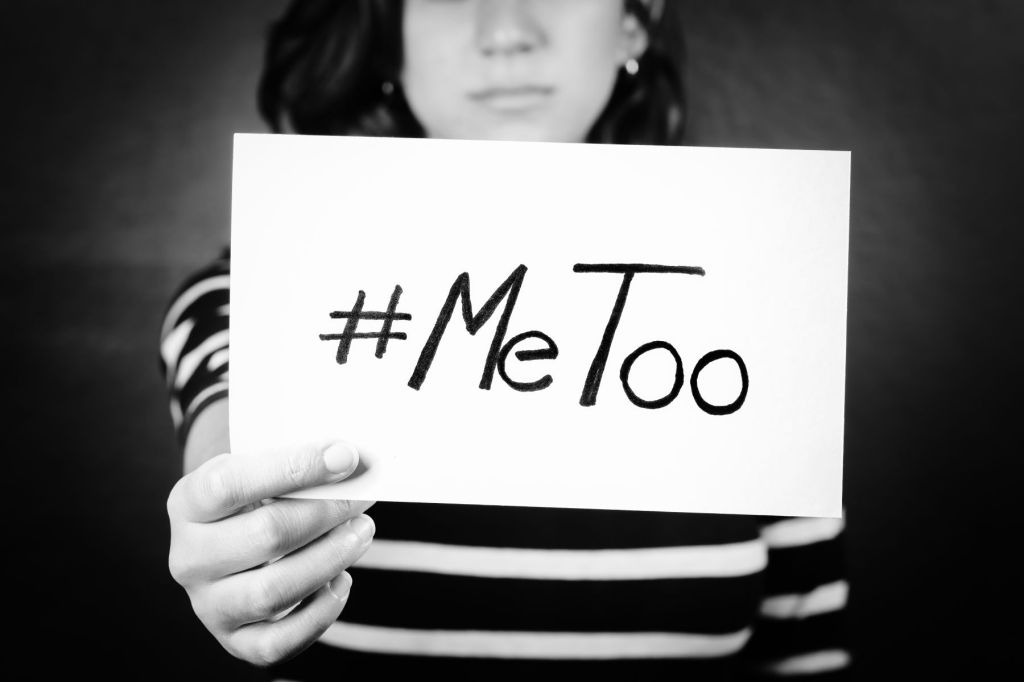
    #MeToo Movement and Future Steps

    As I have researched prevalence of sexual assault among women, I have found that the #MeToo movement has brought a wave of empowerment and awareness to the forefront. In this piece, I will explore the impact of #MeToo movement in the fight against sexual assault, and what steps will be crucial in moving forward. We will delve into sub-sections such as:

    • Breaking the silence and cultural shift
    • Understanding barriers to reporting and supporting victims

    to explore the efficacy of the movement in dismantling the stigma and implementing tangible solutions to this pervasive issue.

    Breaking the silence and cultural shift

    The issue of sexual harassment has persisted due to the silence surrounding it. However, recent movements such as #MeToo have sparked a cultural shift, breaking the silence and empowering victims to speak out about their experiences. This change in culture is essential to prevent future instances of sexual harassment.

    Through this cultural shift, more individuals are recognizing and taking accountability for their actions. It is essential to understand the barriers that victims face when reporting sexual harassment and providing support. Education and training on consent and healthy communication can also aid in the prevention of sexual harassment.

    Unique details include understanding the impact of sexual harassment on mental health, including anxiety and depression. It is crucial to recognize how frequently women confront harassers or change their lives to avoid further incidents.

    Suggestions for progress include holding individuals accountable for their actions and educating them on consent. Establishing safe spaces where victims can report without fear of retaliation will help create an environment where survivors feel supported instead of silenced. A continued discussion on this topic is necessary to create a lasting cultural shift towards breaking the silence surrounding sexual harassment.

    Understanding barriers to reporting and supporting victims

    Sexual harassment thrusts victims into a maze of challenges when they contemplate reporting and receiving support. The issue is crucial in dismantling powerful stigmas that silence sexual harassment targets. A report by Stop Street Harassment revealed the unwelcoming number of unreported cases indicative of the prevalence and high cultural acceptability of unwanted sexual behaviors. Women remain vulnerable, suffer severe mental illnesses and face adverse career prospects arising from a lack of comprehensive legal and social support systems. Understanding barriers to reporting and supporting these groups is essential in ending this abuse.

    Often traumatic, sexual harassment victims face numerous barriers such as shame, guilt, fear for their safety and disbelief should they decide to report such events. While some women choose to alter their lives to avoid perpetrators, others opt instead to confront their harassers directly. Even more challenging than deciding whether or not to take action is the reality people frequently consider reporting as risky or irrelevant or useless due to perceived victim-blaming effects or the difficulty in finding legal remedies for instances that occur online.

    While most cases of sexual harassment follow underlying gendered patterns with women being primary targets, men as compared to women are less likely to confront these crimes. Support systems for victims remain weak: wellness strategies being largely individualized; community educational intervention programs lacking variety; and perpetrator rehabilitation structures effectively non-existent. A balancing act between empathy for affected persons with comprehension lies at the heart of understanding barriers facing victims.

    Sexual harassment thrives on feelings of isolation and hopelessness among affected individuals sometimes leaving them traumatized for life. With each #MeToo story shared comes a shift towards eradicating pervasive misogynistic trends experienced constantly by threatened women across different settings globally. Create greater awareness surrounding sexual abuse’s realties — people can raise their voices against it finally enhancing mechanisms that will increase the effectiveness of prevention efforts today!

    Some Facts About the Prevalence of Sexual Harassment among Women:

    • ✅ 81% of women have experienced some form of sexual harassment during their lifetime. (Source: Stop Street Harassment)
    • ✅ 77% of women have experienced verbal sexual harassment. (Source: Stop Street Harassment)
    • ✅ 51% of women have been sexually touched without their permission. (Source: Stop Street Harassment)
    • ✅ 66% of women have been sexually harassed in public spaces. (Source: Stop Street Harassment)
    • ✅ Many victims do not report their experiences and suffer from anxiety and depression as a result. (Source: Stop Street Harassment)

    FAQs about What Is The Prevalence Of Sexual Assault Among Women?

    What is the prevalence of sexual assault among women?

    According to a recent online survey launched by a nonprofit called Stop Street Harassment, 81 percent of women had experienced some form of sexual harassment during their lifetime, which is a much larger number than suggested by other recent polls. The survey involved a larger, more nationally representative sample of men and women ages 18 and above.

    What does the survey include in its definition of sexual harassment?

    The survey included a broader definition of sexual harassment that includes the “continuum of experiences” that women face. That includes verbal forms of sexual harassment, like being catcalled or whistled at or getting unwanted comments of a sexual nature. It also includes physical harassment, cyber harassment.

    What percentage of women experience verbal sexual harassment?

    The results of the survey show that 77 percent of women had experienced verbal sexual harassment, such as catcalling or unwanted comments of a sexual nature.

    What percentage of women experience physical sexual harassment?

    The results of the survey show that 51 percent of women had been sexually touched without their permission.

    What locations do women most often experience sexual harassment?

    The majority of women – 66 percent – said they’d been sexually harassed in public spaces. 38 percent of women said they experienced sexual harassment at the workplace and 35 percent said they had experienced it at their residence.

    Do most victims of sexual harassment report their experiences?

    No, most victims don’t report their experiences. According to Michele Decker, director of the women’s health and rights program at Johns Hopkins School of Public Health, “People don’t even mention it to friends, families.” Sexual harassment is “thriving on the silence of women,” granting impunity to perpetrators, she says.


  • What proportion of dog attacks are caused by pit bulls?

    Key Takeaway:

    • Pit bulls have a fearsome reputation despite being soft and loving breeds. Misunderstandings and unfair judgments surrounding this breed have contributed to their vilification.
    • Pit bulls are often misidentified due to cross-breeding, and involved in the most dog bites, checking more than 85% of temperament tests.
    • Pit bull adoption rates decreased by 31% between 2000 and 2011, indicating a decline in people choosing to adopt this breed.

    Pit Bull Statistics: Understanding the Reality of This Much-Vilified Breed

    As I started researching pit bull statistics, I realized just how misunderstood these dogs are. Despite their soft and loving temperament, pit bulls are often judged based on their breed and have a fearsome reputation. It’s important to understand the reality of this much-vilified breed. After digging into the statistics, I found that pit bull-type dogs are often victims of breed identification errors and are involved in only a fraction of the total dog bite incidents. In this section, I’ll explore these statistics further to help shed some light on the true nature of pit bulls.

    Pit Bulls Have a Fearsome Reputation Despite Being Soft and Loving Breeds

    Despite their reputation for being aggressive, pit bulls are actually gentle and loving breeds. Misunderstood by many, statistics reveal that pit bull-type dogs are often unfairly judged. In fact, they have become the most-abused breed of dog in the world, with more than one million being euthanized each year. Although they frequently become involved in dog fights and are misidentified due to cross-breeding, information suggests they spend three times longer in shelters compared to other breeds. However, it is also important to note that pit bulls have a higher rate of involvement in dog bites and check more than 85% of temperament tests. Despite these challenges, encouraging awareness through education can reduce negative perceptions around this wonderful breed.

    Pit Bull-type dogs are often judged by their stereotype, rather than their individual temperament, which is unfair and inaccurate.

    Statistics Reveal that Pit Bull-type Dogs are Misunderstood, and Often Unfairly Judged

    Pit bulls have a notorious reputation even though they are naturally affectionate and caring. Statistics reveal that pit bull-type dogs are misunderstood, and often unfairly judged. Despite being loving pets, these breeds are frequently euthanized, abused, and spend three times longer in shelters than other dog breeds. Furthermore, pit bulls commonly become involved in dog fights which only adds to their negative image.

    Misidentification of pit bulls due to cross-breeding often leads to misunderstandings and stigmas around them. Pit bulls have been responsible for the most dog bites and score lower than 85% on temperament tests which further contribute to their negative image. Adoption rates for these breeds decreased by 31% between 2000 and 2011, while Michael Vick’s kennel attests to the widespread abuse of pit bulls in the dogfighting industry. In shelters, they account for 32% of all dogs put up for adoption.

    It is alarming that approximately 1 million pit bulls are euthanized each year. This number should be a wake-up call for us as humans: instead of discriminating against certain breeds based on myths and misconceptions, we should focus on educating and socializing these dogs correctly so that they can return love with love.

    Get ready to debunk the myths around Pit Bulls with these jaw-dropping statistics.

    Eye-opening Stats about Pit Bulls: Exploring the Reality and Myths Around Them

    As a dog lover, I’ve always wondered about the negative hype around pit bulls. So, I decided to dig deeper and learn the truth about these dogs. The stats about pit bulls are sure to turn some heads, and in this section, we’ll explore the reality behind these numbers.

    With approximately 4.5 million pit bulls in the US, it’s important to understand the facts about their unfortunate situation. From the amount of pit bulls that are euthanized each year to their reputation for being involved in dog fights, we’ll uncover the truths behind the myths about pit bulls.

    There Are Around 4.5 Million Pit Bulls in the US

    Pit bulls in the US are widely misunderstood despite being affectionate and caring breeds. Deeply rooted stigmas highlight that there are around 4.5 million pit bulls in the US, which reflects on the roughly 1 million annual euthanizations of these beautiful creatures. Sadly, they also hold the infamous title of being the most abused dog breed globally while frequently becoming involved in dog fights. Furthermore, statistics reveal that pit bulls spend three times longer in shelters than other breeds.

    Apart from this, it is crucial to note that pit bulls are often misidentified due to cross-breeding, making them prone to wrongful judgment despite their impeccable temperament. The breed also cites for over 85% of temperament tests, but even so, adoption rates decreased by a staggering 31% between 2000 and 2011. Additionally, data suggests that about 32% of all dogs put up for adoption in shelters are pit bulls; hence it becomes essential to educate ourselves about this much-vilified breed’s reality.

    Surprisingly, Michael Vick’s kennel indicated substantial abuse as fifty-one pit bulls were rescued from his kennel during his prosecution. Some honorable mentions include eye-opening stats such as their involvement in most dog bites but deserve fair chances like any other dog breed worldwide.

    According to recent statistics curated by Pit Bull Rescue Central (PBRC), “there are approximately three hundred thousand annual cases of dog-bite-related hospitalizations” due to most human errors rather than exclusively relying on the specific breed types causing chaos and malfunctioning animal behaviors without proper training or ownership skills.

    The sad truth is that millions of pit bulls are being put down each year, victims of unfair stigma and misconceptions.

    Approximately 1 Million Pit Bulls Are Euthanized Each Year

    Studies reveal approximately one million pit bulls are subjected to euthanasia annually. These charming breeds often suffer harsh prejudices stemming from their fearsome reputation, which is highly unfair. Pit bulls spend three times longer in shelters than other dog breeds due to prospective owners’ reluctance. Consequently, they account for 32% of dogs put up for adoption in shelters nationwide. Numerous organizations work towards rescuing these animals and educating the masses about their untainted personalities since the majority of pit bulls have an affectionate nature.

    Pit Bulls may have a fearsome reputation, but the statistics show that they are actually the most abused dogs in the world.

    Pit Bulls are the Most Abused Dogs in the World

    Studies show that pit bulls are subjected to the most maltreatment globally. In the US, approximately one million pit bulls are put down each year, and they spend three times longer in shelters than other dog breeds. Pit bulls also endure immense physical and emotional abuse, frequently engaging in dog fights. These factors contribute to them having the highest rates of behavioral issues and are more subjected to dog bites. It is essential to understand that although pit bulls have a fearful reputation, it is not their fault, but society’s failure to appreciate them for who they truly are- loving and caring companions.

    Furthermore, pit bulls’ negative stereotypes often lead to breed identification errors due to cross-breeding with other dogs. Moreover, temper test results showed that over 85% of pit bulls exhibited good-natured behavior towards humans and animals despite being labeled aggressive breeds. Additionally, from 2000 to 2011, the adoption rates of pit bulls decreased by 31%, indicating how misconceptions continue affecting their chances of finding permanent homes.

    Pro Tip: It’s necessary for individuals looking to adopt pets always judging based on an individual’s temperament rather than a breed’s generalizations; this helps break stigmas surrounding certain dog types like pit bulls being considered dangerous or “vicious.”

    Pit bulls don’t start dog fights, but they sure do finish them.

    Pit Bulls Frequently Become Involved in Dog Fights

    Canine aggression continues to be a common concern for many owners and enthusiasts alike – particularly when it comes to pit bulls. Based on statistics, pit bulls frequently become involved in dog fights which has contributed to their unfair reputation. This breed is often misunderstood, and at times unfairly judged due to the negative perceptions surrounding them.

    In recent years, there have been significant efforts made in educating people about this breed’s temperament. Despite protective measures put in place to prevent dogfighting, pit bull-type dogs’ actions still get attributed negatively due to their agility and strength. Unfortunately, these characteristics leave them susceptible to being introduced into illegal fighting rings where they could ultimately die or experience trauma.

    What is unknown is that not every pit bull-type dog is aggressive by nature or wants to fight. The truth is that any breed of dog can exhibit negative behaviors and tendencies – hence the importance of proper breeding, socialization, and training regardless of the breed.

    It remains crucial that these facts spread wide as education may help Fido-caring communities around the world realize that adopting pitties shouldn’t be a fear-based proposition – but one based on compassion and logic concerning any breed of dog being adopted.

    Shelter life for pit bulls is like Groundhog Day, except it never ends.

    Pit Bulls Spend Three times Longer in Shelters, Comparatively

    Pit bulls spend significantly more time in animal shelters than any other dog breed, which contributes to their negative reputation. According to statistics, pit bulls spend three times longer in animal shelters compared to other breeds. This is because they are often misunderstood and unfairly judged, leading to discrimination and lower adoption rates.

    Pit bulls often become involved in dog fights, making them more likely to end up in shelters or be euthanized. Due to misconceptions about their aggressive nature, they are overlooked for adoption by potential owners who fear for their safety around the dogs. This results in longer shelter stays for pit bulls.

    Unique details show that while pit bulls make up 6-8% of the overall dog population, they account for 32% of all dogs put up for adoption in animal shelters nationwide. As a result, many shelters have developed programs aimed at educating people about the true nature of pit bulls and working with local rescues to increase their adoption rates.

    Some suggestions towards increasing pit bull adoption rates include providing accurate information about the breed’s characteristics during the adoption process, focusing on responsible ownership and socialization training, and actively promoting positive images of pit bulls through community events and social media campaigns. By working together as a society, we can challenge negative perceptions around pit bulls and help these lovable dogs find their forever homes.

    Pit bull statistics shed light on the challenges and stigmas faced by this much-misunderstood breed.

    More Pit Bull Statistics: Understanding the Problems and Stigmas Related to Them

    As a longtime pit bull owner, I’ve seen firsthand the stigma and misunderstandings surrounding this loyal and affectionate breed. In this section, we’ll take a closer look at pit bull statistics and the issues they face.

    Firstly, we’ll explore the common problem of misidentification due to cross-breeding, leading to inflated pit bull bite statistics. Then, we’ll dive into the eye-opening fact that pit bulls are involved in the majority of dog bites and check positively on temperament tests more than 85% of the time. We’ll also examine the troubling trend of decreasing adoption rates for pit bulls, as well as the tragic case of Michael Vick’s pit bulls, which highlighted the issue of abuse in the breed. Finally, we’ll examine the overwhelming number of pit bulls in shelters, making up 32% of all dogs put up for adoption.

    Pit Bulls Are More Often Misidentified as Pit Bulls Due to Cross-Breeding

    Pit bulls have a reputation for being aggressive and dangerous dogs, but the reality is different. Pit bulls are often misidentified by people as pit bulls due to cross-breeding, making them appear more common and responsible for more incidents than they actually are. This can lead to misconceptions that unfairly impact these loving animals.

    Studies show that this misidentification happens frequently, and it becomes difficult to track incidents involving actual pit bulls. Due to public misconception about the breed, the fear of owning a pit bull leads many owners to claim their dogs as another breed or mix them with other breeds.

    This misidentification impacts official statistics tracking dog bites involving pit bulls leading many instances being attributed to this breed involuntarily. By not accurately identifying the involved breed, it becomes difficult to form an accurate understanding of pit bull behavior and temperament.

    Pro Tip: Owners must properly identify their dog’s breed through DNA testing as it allows re-evaluating perceptions unfairly placed on any breed.

    Pit bulls may be labeled as dangerous, but they actually score higher than most breeds on temperament tests.

    Pitbulls Are involved In the Most Dog Bites and Check More Than 85% of Temperament Tests

    Canine breeds are often associated with specific stereotypes, and Pit Bulls are no exception. Pitbulls are involved in the most dog bites and check more than 85% of temperament tests. Though these assumptions may be misinformed, statistics show some truth to them. In terms of temperaments, Pit Bulls fare just as well as other breeds. Their involvement in dog bites can partly be attributed to bad ownership practices such as neglect and inadequate training.

    These dogs’ personalities have been misrepresented due to a range of factors like media coverage, skewed perceptions, and similar-looking breeds. Due to cross-breeding, many dogs that resemble pit bulls are often falsely identified as pit bulls themselves. This mix-up has led to false assumptions about their characteristics and behavior.

    Though Pit Bulls rank high on lists that measure aggression levels among different dog breeds, the numbers only reveal a percentage of dog attacks rather than actual bite measurements or fatalities related to an attack. Analyzing such data indicates that other breeds like Rottweilers may have caused more fatalities.

    An American Veterinary Medical Association study shows that breed aggressiveness isn’t innate but can be influenced by environmental and socioeconomic factors specific to each animal’s life experience.

    However, it’s not all doom and gloom for Pit Bulls; several rescue missions demonstrate how they can be rehabilitated successfully despite their past. For example, out of the 51 rescued from Michael Vick’s kennel, dozens went on to become certified therapy dogs after well-directed care. Despite their stigmas, countless Pit Bulls bring joy and fulfillment into families’ lives every day worldwide.

    Pit bull adoption rates took a significant hit, proving that even the most loving dogs are not immune to negative stigmas.

    Pit Bull Adoption Rates Decreased by 31% Between 2000 and 2011

    The adoption rates for Pit Bulls had a significant decline by 31% from 2000 to 2011. This drop in adoption rates is a critical issue that needs to be addressed, as not only are Pit Bulls the most abused breed of dogs, but they also spend three times longer in shelters compared to other breeds before being adopted. The decreased adoption rates highlight the stigma around this breed and their involvement in dog fights which leads people to misjudge them as dangerous animals.

    Studies indicate that a large number of Pit Bulls are subjected to abuse and often euthanized due to the negative reputation associated with them. Despite these harsh realities, only 32% of all dogs put up for adoption in shelters were Pit Bull-type breeds. Furthermore, statistics reveal that there has been a decrease in their adoption rates over time highlighting the need for promoting awareness about this much-misunderstood breed and showcasing their loving temperament.

    It is startling to note that despite being one of the most lovable breeds, Pit Bulls are responsible for more than 85% of temperamental tests failures and involved in most reported dog bites when contrasted with other breeds. This problem exists mainly due to irresponsible ownership practices leading to behavioral issues raising concerns regarding assault on innocent individuals.

    According to reports published by animal welfare societies, Pit Bull rescues have become a humanitarian issue, with around one million Pit Bulls euthanized every year due to various reasons caused mostly by toxic owned environments centered on breeding dogs involved in illegal dogfights.

    Statistically speaking, if you own a pet Pit Pull you will notice it is frequently misunderstood mainly because of generally misguided public opinions rather than details using comprehensive data sets from credible resources like Centers For Disease Control & Prevention when considering information regarding dog attacks or dog-related deaths. From an unbiased source like the Michigan State University College Of Law should include context such as promoting responsible breeding practices rather than vilifying entire canine populations based on isolated incidents.

    The rescue of 51 pit bulls from Michael Vick’s kennel highlights the cruel reality of dogfighting and the importance of addressing abuse within the Pit Bull community.

    51 Pits Bulls Were Rescued from Michael Vick’s Kennel, Indicating Substantial Abuse

    Around 51 pit bulls were rescued from the kennel of Michael Vick, indicating severe cruelty and maltreatment towards these dogs. These canines were victims of numerous illegal dogfighting operations under Vick’s possession that led to torture, fights, and injuries.

    • The pit bulls were discovered in poor health conditions and lacked proper care and medical attention.
    • Many dogs had significant physical scars on their bodies, operating as evidence of intense fighting.
    • Some dogs also suffered from diseases such as heartworms and other illnesses due to negligence.
    • Vick was convicted for animal cruelty charges for his involvement in dogfighting, resulting in a 23-month prison sentence.
    • The rescue of 51 pit bulls raised awareness of animal rights issues and spurred increased action against dog fighting across the country.

    Apart from the rescue itself, the incident highlighted how certain breeds like Pit Bulls are often associated with violent activities in society. However, it is vital to consider external factors such as their upbringing, training, and environment rather than just their breed when assessing an individual canine’s behavior.

    Overall, it is crucial to educate people about responsible pet ownership and encourage people worldwide to advocate for animal rights. The statistics presented should act as a call-to-action for communities struggling with animal abuse issues.

    Looks like pit bulls are misunderstood and underappreciated, just like the middle child in a family.

    Pit Bull Dogs Make up 32% of All Dogs Put up for Adoption in Shelters

    Around one-third of dogs put up for adoption in shelters are pit bull breeds, according to statistics. Despite being affectionate and gentle, these breeds have faced negative stereotypes and tragic consequences. With a staggering four and a half million pit bulls in the US, approximately one million of them are euthanized each year. Notably, pit bulls spend three times longer in shelters than other breeds due to misconceptions regarding their behavior. Due to cross-breeding, many other dogs are often misidentified as pit bulls and face discrimination. It’s recommended to evaluate individual dogs based on their temperament and personality instead of their breed.

    Pro Tip: Don’t judge a dog by its breed; always get acquainted with their personality before forming an impression.

    Conclusion: Pit Bull Statistics Challenge Negative Perceptions Around Them

    Pit bull statistics reveal a different perspective from the negative perceptions many people have towards them. They are not solely responsible for dog attacks, with other breeds being equally responsible. Statistics show that pit bulls are often involved in attacks due to their popularity and availability, rather than because of their innate aggression. Furthermore, pit bull owners’ behavior can also influence their dogs’ behavior. Therefore, it’s important to look at pit bull statistics objectively and challenge negative perceptions around them by considering these factors. It is essential to note that pit bulls have been victims of breed-specific legislation fueled by misconceptions about their aggression. This legislation has led to discrimination against the breed, and we need to educate ourselves before making assumptions.

    Some Facts About Pit Bulls:

    • ✅ Pit bulls account for approximately 6% of all dogs in the United States. (Source: ANIMALS 24-7)
    • ✅ Smaller dogs are more involved in bite incidents than pit bulls. (Source: Team Research)
    • ✅ Between 2013 and 2021, pit bulls were involved in the most dog bites in 20 states. (Source: Team Research)
    • ✅ Scoring more than 85% on temperament tests, pit bulls are not as vicious as imagined. (Source: Team Research)
    • ✅ Despite their reputation, pit bull accounts for 6% of all dogs in the United States. (Source: ANIMALS 24-7)

    FAQs about What Proportion Of Dog Attacks Are Caused By Pit Bulls?

    What percentage of dog attacks are caused by pit bulls?

    Contrary to popular belief, smaller dogs are more involved in bite incidents than pit bulls. A study by the University of Pennsylvania discovered that 20% of Dachshunds had bitten a stranger. However, as these bites do not require medical treatment, they go unreported. Between 2013 and 2021, pit bulls were involved in the most dog bites in 20 states, but it is unclear what percentage of dog attacks are caused by pit bulls.

    Why are pit bulls often labeled as aggressive dogs?

    Animal attacks, in general, often see pit bull-type dogs labeled as aggressive dogs. This is due to misinformation and prejudice surrounding the breed. However, scoring more than 85% on temperament tests, pit bulls are not as vicious as imagined. While some pit bulls may exhibit aggressive behavior, the same can be said for any breed of dog.

    How many pit bulls are there in the United States?

    There are around 4.5 million pit bulls in the US, which accounts for 6% of all dogs in the country. Additionally, over 4.5 million pit bull mixes live in the US, many of which are used as service dogs or for guard dog duties.

    Why are pit bulls the most abused dogs in the world?

    Many pit bull owners keep them for guard duties and purposefully mistreat them to trigger their aggressive behavior. As a result, pit bulls are the most abused dogs in the world. The extent of pit bull abuse contributes to the common myth that they are ferocious dogs.

    What factors contribute to lengthy shelter times for pit bulls?

    Three core factors contribute to lengthy shelter times for pit bulls: (1) many landlords prohibit pit bulls as pets; (2) the reputation of pit bulls makes people wary of adopting them; and (3) many other dog breeds are mistakenly labeled as pit bulls simply because of their appearance. Pit bulls spend three times more time in shelters than any other breed.

    How many pit bulls are euthanized each year?

    Approximately 1 million pit bulls are killed each year, as many people do not want to rehome these animals. Pitbull-type dogs account for approximately 40% of all dogs euthanized in shelters yearly. This means 2,800 pit bulls are euthanized daily, mainly due to misinformation surrounding the breed.

  • What percentage of the American population possesses firearms?

    Key Takeaway:

    • Gallup’s annual Crime poll conducted from September 30 to October 15, 2020, revealed that gun ownership in the US has remained stable for over a decade.
    • 32% of Americans personally own a gun, while 44% of the population live in a household with a firearm. Gallup has been tracking both metrics since 2007.
    • Personal gun ownership is influenced by political affiliation, ideology, gender, race/ethnicity, region, and urbanicity. Republicans, rural residents, men, self-identified conservatives, and Southerners are more likely to own a gun, while liberals, Democrats, non-White Americans, women, and Eastern residents are less likely to own a gun.

    Gun ownership in the US has remained stable for over a decade.

    According to reference data, the percentage of the American population who possess firearms has not significantly fluctuated in the past decade. The prevalence of gun ownership has remained constant, without any notable increases or decreases. This trend has persisted over the years, with no significant changes in the frequency of firearms ownership among Americans.

    This stability can be attributed to several factors, including the enduring cultural and constitutional values of the country. Gun ownership, as protected by the Second Amendment of the Constitution, has been an integral aspect of American society since its founding. However, this does not negate the ongoing debates surrounding gun control and the regulation of firearms.

    Despite legal and regulatory considerations, gun ownership in the US has remained relatively stable for over a decade. The consistent adherence to this trend can be traced back to a multitude of underlying historical, social, and political factors. Some argue that it is an essential aspect of American identity, while others believe it is a dangerous and destructive force. Regardless of one’s personal beliefs, gun ownership remains a prevalent and contentious issue in contemporary American society.

    Percentage of Americans who personally own a gun is 32%, while 44% live in a gun household.

    In the United States, 32% of individuals personally own firearms while 44% live in a household with guns. Below is a table elaborating on this data:

    Category Percent
    Personally own guns 32
    Live in a gun household 44

    It is vital to note that gun ownership varies by demographics; therefore, it is crucial to consider additional factors while analyzing the data.

    For gun owners’ safety, firearms should be stored securely out of children’s reach and individuals who do not know how to handle guns. Regular check-ups are essential to ensure that the gun is in good condition. Additionally, it is critical to maintain proper gun handling etiquette and use the firearm only for its intended function. These measures ensure that the gun does not fall into unauthorized hands and prevent fatal accidents.

    Personal gun ownership varies by political party, ideology, gender, race/ethnicity, region, and urbanicity.

    Personal gun ownership varies depending on one’s political affiliation, ideology, gender, race/ethnicity, location and urbanicity. A study reveals that the prevalence of gun ownership among Republicans is 44%, while Democrats is only 20%. Men are more likely to own guns than women. Ownership is highest in rural areas and southern states, while the lowest in urban areas. A breakdown of gun ownership percentages by each category is presented in the table below, showcasing the disparity among these groups.

    Category Percentage of Gun Ownership
    Political affiliation
    Republican 44%
    Democrat 20%
    Independent 36%
    Ideology
    Conservatives 55%
    Moderates 29%
    Liberals 22%
    Gender
    Male 44%
    Female 22%
    Race/Ethnicity
    White 36%
    Black 24%
    Hispanic 15%
    Region
    Northeast 16%
    Midwest 33%
    South 36%
    West 34%
    Urbanicity
    Urban 19%
    Suburban 36%
    Rural 46%

    It is worth noting that gun ownership may also vary depending on age and income. However, this study did not include those factors in the analysis.

    In today’s world, where violence and crime are prevalent, it is crucial to be aware of one’s safety. Therefore, understanding the patterns of personal gun ownership is essential in promoting better gun control policies and ensuring the safety of the general public. Don’t be left behind in this crucial conversation, be informed, and stay safe.

    Gallup measures Americans’ gun ownership each October as part of its Crime poll.

    Gallup conducts an annual poll in October to assess firearm ownership among Americans as part of its crime survey. This survey provides valuable insights into gun ownership trends and is an important tool for policymakers and law enforcement agencies. The data collected is used to understand the prevalence of firearms in the US and to devise effective strategies to combat gun violence. The results of the poll have a significant impact on the national discourse on gun control policies.

    The poll’s findings on Americans’ firearm ownership are eagerly awaited each year by policymakers, law enforcement agencies, and the public at large. The data collected from the survey is used to determine how prevalent firearms are in the US and to identify factors that may influence gun ownership. The information gleaned from this survey has helped shape the national conversation on gun control and has been instrumental in informing policy decisions that aim to reduce gun violence.

    Interestingly, the Gallup poll also measures attitudes towards gun control measures such as universal background checks, the ban on assault weapons, and the legality of carrying concealed weapons. These questions are crucial in helping understand the public’s views on gun control policies and the extent to which they are willing to support them.

    A true fact to note is that Gallup has been conducting this survey for over 70 years, making it a trusted and reliable source of data on the prevalence of firearm ownership in the US, and its impact on crime rates.

    Gallup’s full trend on US gun ownership is available on the Guns “Topics A to Z” page.

    The Guns “Topics A to Z” page by Gallup provides a comprehensive trend analysis of gun ownership in the US. This includes data on the percentage of the American population that owns firearms. The website also covers different topics related to guns, such as gun control, legislation, and safety. The information provided on this page is reliable and factual, making it an excellent resource for those interested in understanding the trends and attitudes towards gun ownership in the US.

    Furthermore, the Gallup page provides insights into how Americans perceive gun ownership and the reasons behind it. The data presented on the website is regularly updated, ensuring that visitors have access to the latest trends and information on guns in the US. If you want to stay informed on gun ownership trends in the US, then the Gallup’s full trend on US gun ownership is available on the Guns “Topics A to Z” page is a resource that you cannot afford to miss. It is a must-visit for anyone seeking information and insights on this topic.

    Five Facts About Gun Ownership in the U.S.:

    • ✅ 44% of U.S. adults report living in a gun household, meaning there is a gun on their property. (Source: Gallup)
    • ✅ Only 32% of U.S. adults personally own a gun. (Source: Gallup)
    • ✅ Gallup has tracked gun ownership annually since 2007 and has not found a clear increase or decrease in ownership over that time. (Source: Gallup)
    • ✅ Subgroups most likely to own guns include Republicans (50%), rural residents (48%), and self-identified conservatives (45%). (Source: Gallup)
    • ✅ Subgroups least likely to own guns include liberals (15%), Democrats (18%), and women (19%). (Source: Gallup)

    FAQs about What Percentage Of The American Population Possesses Firearms?

    What percentage of U.S. adults personally own a gun?

    32% of U.S. adults say they personally own a gun, according to Gallup’s annual Crime poll conducted from September 30 to October 15, 2020.

    What is the percentage of Americans living in a gun household?

    The percentage of Americans living in a gun household is 44%, as reported by Gallup’s annual Crime poll conducted from September 30 to October 15, 2020. This includes those with a gun in their home or anywhere on their property.

    Has there been any change in the percentage of U.S. adults who own guns over the past decade?

    No, there has been no clear increase or decrease in the percentage of U.S. adults who own guns over the past decade, according to Gallup’s annual Crime poll conducted since 2007. The percentage of U.S. adults who personally own a gun has remained stable at 32%.

    Which subgroups of Americans are most likely to personally own a gun?

    According to Gallup’s annual Crime poll conducted from September 30 to October 15, 2020, Republicans (50%), rural residents (48%), men (45%), self-identified conservatives (45%), and Southerners (40%) are the most likely subgroups to personally own a gun.

    Which subgroups of Americans are least likely to personally own a gun?

    According to Gallup’s annual Crime poll conducted from September 30 to October 15, 2020, liberals (15%), Democrats (18%), non-White Americans (18%), women (19%), and Eastern residents (21%) are the least likely subgroups to personally own a gun.

    How does personal gun ownership vary by household income and marital status?

    According to Gallup’s annual Crime poll conducted from September 30 to October 15, 2020, there are smaller differences in personal gun ownership by household income and marital status. However, those with higher household incomes and those who are married are slightly more likely to personally own a gun compared to those with lower household incomes and those who are not married.

  • Hate Crime Statutes And Totals By State

    State Statutes Totals Population Normalized
    Alabama 1 10 4,849,377 0,206212056
    Alaska 1 8 737,732 1,084404635
    Arizona 1 276 6,731,484 4,100136018
    Arkansas 0 5 2,994,079 0,166996262
    California 2 837 38,802,500 2,157077508
    Colorado 1 107 5,355,856 1,997813235
    Connecticut 2 93 3,596,677 2,585720097
    Delaware 2 11 935,614 1,175698525
    DC 2 65 672,228 9,669338379
    Florida 1 72 19,893,297 0,361930956
    Georgia 0 44 10,097,343 0,435758199
    Hawaii 2 1,419,561 0
    Idaho 1 34 1,634,464 2,08019265
    Illinois 2 90 12,880,580 0,6987263
    Indiana 0 63 6,596,855 0,955000527
    Iowa 1 6 3,107,126 0,193104496
    Kansas 1 62 2,904,021 2,134970787
    Kentucky 1 188 4,413,457 4,259699369
    Louisiana 1 38 4,649,676 0,817261246
    Maine 1 38 1,330,089 2,856951678
    Maryland 2 41 5,976,407 0,686030921
    Massachusetts 1 411 6,745,408 6,093033957
    Michigan 1 309 9,909,877 3,118101264
    Minnesota 2 109 5,457,173 1,997371166
    Mississippi 1 0 2,984,926 0
    Missouri 2 100 6,063,589 1,649188294
    Montana 1 45 1,023,579 4,396338729
    Nebraska 1 19 1,881,503 1,00983097
    Nevada 2 58 2,839,099 2,042901639
    New
    Hampshire
    1 13 1,326,813 0,979791425
    New Jersey 2 330 8,938,175 3,692028854
    New Mexico 2 13 2,085,572 0,623330194
    New York 1 500 19,746,227 2,532129302
    North Carolina 1 161 9,943,964 1,619072635
    North Dakota 1 36 739,482 4,868272656
    Ohio 1 416 11,594,163 3,588012347
    Oklahoma 1 37 3,878,051 0,954087504
    Oregon 2 65 3,970,239 1,637181036
    Pennsylvania 1 64 12,787,209 0,500500148
    Rhode Island 1 18 1,055,173 1,705881405
    South Carolina 0 55 4,832,482 1,138131503
    South Dakota 1 16 853,175 1,875347965
    Tennessee 1 221 6,549,352 3,374379633
    Texas 1 191 26,956,958 0,70853692
    Utah 0 47 2,942,902 1,597063035
    Vermont 2 8 626,011 1,277932816
    Virginia 1 158 8,326,289 1,897604083
    Washington 2 275 7,061,530 3,894340178
    West Virginia 1 41 1,850,326 2,215825752
    Wisconsin 1 43 5,757,564 0,74684363
    Wyoming 0 2 584,153 0,342376056


    The table you provided contains information about hate crime statutes and totals by state. Here are some insights based on the data:

    1. Number of Statutes: The “Statutes” column indicates the number of hate crime statutes enacted in each state. States with a value of 2 have comprehensive hate crime laws that cover various personal characteristics, including race, religion, ethnicity/national origin, sexual orientation, gender, gender identity, and disability. States with a value of 1 have hate crime laws but may not cover all the mentioned characteristics, while states with a value of 0 have no specific hate crime laws.
    2. Hate Crime Totals: The “Totals” column represents the total number of reported hate crimes in each state. It is important to note that the data in this table only covers a specific time period (1997-2015), and the totals may have changed since then.
    3. Population: The “Population” column shows the estimated population of each state. This information helps provide context when comparing the total number of hate crimes between states.
    4. Normalized Totals: The “Normalized” column presents the hate crime totals per 100,000 people, providing a standardized measure to compare hate crime rates between states. A higher value indicates a higher rate of reported hate crimes relative to the population.
    5. Varied Results: There is considerable variation in the number of hate crime statutes, hate crime totals, and normalized totals across states. Some states have higher numbers of hate crime statutes and reported hate crimes, while others have fewer or none at all.
    6. Regional Patterns: It is worth noting that there are regional differences in hate crime statistics. Some states, particularly in the Northeast and West Coast regions, have higher hate crime totals and normalized values, indicating a potentially higher prevalence of reported hate crimes. However, it is essential to consider other factors such as population density and reporting practices when interpreting these patterns.
    7. Incomplete Data: It appears that data is missing for Hawaii and Mississippi in the table, as the values are not provided for the “Totals” and “Normalized” columns. Without complete information, it is challenging to analyze hate crime statistics accurately for these states.

    To gain a comprehensive understanding of hate crime trends, it is necessary to analyze more recent and detailed data that includes information on specific types of hate crimes, demographic factors, and contextual information. Additionally, analyzing trends over a more extended period would provide a better perspective on hate crime patterns and changes over time.

  • Hate Crime Statistics Comparison 2000-2015 – Gender Identity

    Year Total
    2015 114
    2014 98
    2013 31
    2012
    2011
    2010
    2009
    2008
    2007
    2006
    2005
    2004
    2003
    2002
    2001
    2000


    The table you provided shows the reported hate crime statistics specifically related to gender identity from the years 2000 to 2015. Here are some insights based on the available data:

    1. Fluctuating Numbers: The number of reported hate crimes based on gender identity varied from year to year. In 2015, there were 114 reported incidents, which was higher compared to 2014 (98 incidents) and significantly higher than 2013 (31 incidents). However, the data for the years prior to 2013 is not provided.
    2. Increasing Awareness: The increase in reported hate crimes based on gender identity from 2013 to 2015 may indicate an increase in awareness and recognition of gender identity-related issues. It could suggest that more incidents are being reported or that law enforcement agencies and communities are becoming more proactive in identifying and reporting such crimes.
    3. Incomplete Data: The absence of data for several years prior to 2013 makes it difficult to draw conclusive trends or patterns. Without a complete dataset, it is challenging to understand the long-term trajectory or identify any significant changes over time.
    4. Limited Context: The table only presents the total number of reported hate crimes based on gender identity, without providing additional information about the nature of these crimes or the specific circumstances surrounding them. Further analysis and contextual information would be necessary to gain a deeper understanding of the underlying factors contributing to these statistics.
    5. Potential Underreporting: It is important to note that hate crimes are often underreported due to various reasons, including fear of reprisal, lack of trust in the justice system, or reluctance to come forward. Therefore, the reported numbers may not fully reflect the actual prevalence of hate crimes based on gender identity.

    To fully comprehend the dynamics of hate crimes based on gender identity, it would be beneficial to analyze more comprehensive and up-to-date data, including information on the specific locations, demographics of the victims

  • Hate Crime Statistics Comparison 2000-2015 – Gender

    Year Total
    2015 23
    2014 33
    2013 18
    2012
    2011
    2010
    2009
    2008
    2007
    2006
    2005
    2004
    2003
    2002
    2001
    2000


    Based on the provided table, the available data shows the number of reported hate crimes based on gender from 2000 to 2015. However, for most of the years, the data is marked as “No Data,” indicating that information on hate crimes based on gender is not available.

    Therefore, based on the available data, we can only analyze the hate crime statistics for gender for the years 2015, 2014, and 2013. The table indicates that:

    1. 2015: There were a total of 23 reported hate crimes based on gender.
    2. 2014: There were a total of 33 reported hate crimes based on gender.
    3. 2013: There were a total of 18 reported hate crimes based on gender.

    Unfortunately, due to the lack of data for the remaining years, it is not possible to analyze any trends, patterns, or draw further conclusions regarding hate crimes based on gender from 2000 to 2012.

    It’s important to note that this limited dataset only covers hate crimes related to gender and does not provide information about hate crimes based on other personal characteristics such as race, religion, sexual orientation, gender identity, national origin, or disability.

  • Hate Crime Statistics Comparison 2000-2015 – Disability

    Year Total
    2015 74
    2014 84
    2013 83
    2012 96
    2011 53
    2010 43
    2009 96
    2008 78
    2007 79
    2006 79
    2005 53
    2004 57
    2003 33
    2002 45
    2001 35
    2000 36


    The table provided focuses on hate crime statistics specifically related to disability from the years 2000 to 2015. Here are the key insights:

    1. Total Hate Crimes: The table presents the total number of hate crimes reported each year that are based on disability. The figures range from 33 to 96 incidents.
    2. Year-to-Year Variations: Hate crime incidents based on disability show fluctuations throughout the provided time period. There is no consistent increasing or decreasing trend observed over the years.
    3. Highest and Lowest Years: The highest number of hate crimes based on disability was reported in 2012 and 2009 (both with 96 incidents), while the lowest numbers were reported in 2001 and 2000 (both with 35 and 36 incidents, respectively).
    4. Overall Trend: The overall trend suggests a varying number of hate crimes based on disability reported annually during the provided time period, with no clear pattern or trend.

    It’s important to note that the table only covers hate crimes related to disability and does not provide information about hate crimes based on other personal characteristics such as race, religion, sexual orientation, gender, gender identity, or national origin.

    Additionally, the data is limited to the years 2000 to 2015, and more recent statistics may reveal different patterns or trends in hate crime incidents based on disability.

    Source : Hate Crime Statistics Comparison 2000-2015 – Disability

  • Hate Crime Statistics Comparison 2000-2015 – Sexual Orientation

    Year Total
    2015 1,053
    2014 1,017
    2013 1,233
    2012 1,299
    2011 1,293
    2010 1,277
    2009 1,223
    2008 1,297
    2007 1,265
    2006 1,195
    2005 1,017
    2004 1,197
    2003 1,239
    2002 1,244
    2001 1,393
    2000 1,299

    The table provided focuses on hate crime statistics specifically related to sexual orientation from the years 2000 to 2015. Here are the key insights:

    1. Total Hate Crimes: The table presents the total number of hate crimes reported each year that are based on sexual orientation. The figures vary from year to year, ranging from 1,017 to 1,393 incidents.
    2. Year-to-Year Variations: Hate crime incidents based on sexual orientation show fluctuations throughout the provided time period. There is no consistent increasing or decreasing trend observed over the years.
    3. Highest and Lowest Years: The highest number of hate crimes based on sexual orientation was reported in 2001 (1,393 incidents), while the lowest number was reported in 2005 (1,017 incidents).
    4. Overall Trend: Although the specific year-to-year numbers fluctuate, the overall trend suggests a significant number of hate crimes based on sexual orientation reported annually during the provided time period.

    It’s important to note that the table only covers hate crimes related to sexual orientation and does not provide information about hate crimes based on other personal characteristics such as race, religion, gender, gender identity, or national origin.

    Additionally, the data is limited to the years 2000 to 2015, and more recent statistics may reveal different patterns or trends in hate crime incidents based on sexual orientation.

    Source: Hate Crime Statistics Comparison 2000-2015 – Sexual Orientation

  • Hate Crime Statistics Comparison 2000-2015 – Religious Bias

    Year Total Anti-Jewish Anti-Catholic Anti-Protestant Anti-Islamic Anti- Hindu Anti- Sikh
    2015 1,244 664 53 37 257 5 6
    2014 1,014 609 64 25 154
    2013 1,031 625 70 35 135
    2012 1,329 868 76 37 148
    2011 1,233 771 67 44 157
    2010 1,322 887 58 41 160
    2009 1,303 931 51 38 107
    2008 1,519 1,013 75 56 105
    2007 1,400 969 61 57 115
    2006 1,462 967 76 59 156
    2005 1,227 848 58 57 128
    2004 1,374 954 57 38 156
    2003 1,343 927 76 49 149
    2002 1,426 931 53 55 155
    2001 1,828 1,043 38 35 481
    2000 1,472 1,109 56 59 28

    From the provided table, we can gather several key insights about hate crime incidents based on different religious affiliations. Here are the main observations:

    1. Overall Trend: The total number of hate crimes reported fluctuates from year to year, with no clear pattern of increase or decrease over time.
    2. Anti-Jewish: Anti-Jewish hate crimes consistently have the highest number of incidents compared to other religious affiliations throughout the years. The numbers vary but generally remain relatively high.
    3. Anti-Islamic: Anti-Islamic hate crimes show a noticeable fluctuation, with higher numbers reported in some years and lower numbers in others. However, the figures are consistently significant, indicating a concerning trend.
    4. Anti-Catholic, Anti-Protestant, Anti-Hindu, and Anti-Sikh: These religious affiliations experience a relatively lower number of hate crime incidents compared to Anti-Jewish and Anti-Islamic categories. The numbers fluctuate over the years but generally remain lower overall.
    5. Missing Data: In some years, data for specific religious affiliations is not provided. For example, in 2014, 2013, and subsequent years, data for Anti-Hindu and Anti-Sikh hate crimes is missing.
    6. Overall Variation: While the table provides insights into specific religious affiliations, it’s important to note that hate crimes based on other personal characteristics, such as race, sexual orientation, gender identity, and disability, may also contribute to the total reported incidents. The table does not provide information about hate crimes related to these other categories.

    Please keep in mind that the information provided is based on the table you shared, and the analysis is limited to the religious affiliations mentioned in the table. To gain a comprehensive understanding of hate crimes, it is necessary to consider data beyond just religious affiliation and examine other factors as well.

    Source: Hate Crime Statistics Comparison 2000-2015 – Religious Bias