My Web Stats

Interesting Statistics

My Web Stats: Interesting Statistics. A project by Burak Bakay, Director of The Digital Agency

Category: Health & Medical

  • What percentage of positive cologuard tests are cancer?

    If you are worry about your cologuard tests and whether it would return positive, take a chill pill, the percentage of positive cologuard tests being cancerous has never been 100%.

    If you’re scratching your head like “what the heck is this cologuard test all about?” then let me give you break it down for you real quick below.

    What is a cologuard test?

    Cologuard is a test that can help screen for colon and rectal cancer. Your colon sheds cells from its lining every single day, and those cells come out with your…uhh…you know, the stuff you poop out. Now, if there are any cancer cells present, they might have some wonky changes in their DNA that can be detected by the Cologuard test kit.

    What percentage of positive cologuard tests are cancer?

    Based on the manufacturer’s website, the test has a reported sensitivity of 92.3% and a specificity of 87.3%. What does this mean? Well, if the test comes back positive, there is a pretty high chance that the individual has colorectal cancer – approximately 92.3%.

    However, it’s important to keep in mind that a positive test result doesn’t necessarily mean that a person has cancer. Abnormal DNA or blood in the stool, which are detected by the test, can be caused by a variety of factors, including non-cancerous conditions.

    But here’s where it gets tricky, folks. As much as we want these tests to be perfect, there are still some instances where they get it wrong. For example, a study on the FDA’s website found that 13% of patients received a positive result on their Cologuard test, even though they did not have colon cancer or polyps. And on the flipside, 8% of patients showed negative results, even though there were cancer or polyps present in their colon. So while it’s not very common to receive a false positive on a Cologuard test, it is possible; and bear in mind that false negatives are possible, too.

    Since cologuard test can return false positives and not 100% foolproof, it is recommended that patients who got a positive cologurad test result to do further testing, such as a colonoscopy , in order to confirm whether cancer is present or to investigate other potential causes of the positive result.

    Okay, I know what you are thinkging, what the heck is a colonoscopy right? It is like one medical term after another!

    What is a colonoscopy?

    A colonoscopy is a medical test that allows a doctor to look inside your large intestine (or colon) to check for any problems. During the test, a flexible tube with a camera on the end is inserted into your rectum and slowly guided through your colon, allowing the doctor to see the inside of the colon and look for abnormalities such as polyps, which could potentially develop into colon cancer.

    It is a routine procedure that is performed under sedation, and generally takes about 30 minutes to complete.

    A colonoscopy is also considered as the most effective method for detecting colon cancer as it allows your physician to examine your entire colon and rectum.

    Well, if a colonoscopy is considered the best and a lot more accurate, then why don’t we all just start with a colonoscopy and skip the cologuard test?

    Pros of a cologuard test

    1. It’s non-invastive
      Cologuard test, as mentioned, only need your stool sample. So compared to Colonscopy, it would not be poking cameras into your body and the entire process is a lot safer.
    2. It can be done at home
      Cologuard test is a home testing kit. It could be done in the comfort of your own home without a nurse or a doctor’s supervision. As we’ve mentioned, it’s seriously just collecting your poop, then send it back to the lab! Remember to wash your hands afterwards though.
    3. No need for preparation or anesthesia
      Unlike colonscopy, the patient does not need to go on a diet or a hunger strike before the procedure. You can keep your normal diet, just try not to get constipated. This test is best for people who might just:
      – need a regular check up
      – HATE the idea of anesthesia
      Since there are a lot of concerns on the use of anesthesia, the potential danger, and the fact that it is best to not be under anesthesia the best you could, the option of cologuard test as a stand-in for colonscopy is a godsend to many people.

    That being said, as mentioned, a cologuard test is not perfect. If you get a positive cologuard test, you are usually advised to follow up with a colonoscopy.

    Who should NOT do a cologuard test?

    Individuals with any of the following should go straight for colonoscopy instead of a cologuard test:

    • Family or personal history of colon cancer
    • Inflammatory bowel diseases
    • Genetic syndromes which increase the risk of colon cancer

    Given that the cologuard test is less accurate than a colonscopy, these high risk individuals should go for more frequent or earlier screening, or more invasive diagnostic testing. It’s important to consult with a healthcare provider to determine the most appropriate screening test and schedule based on individual risk factors and medical history.

    How to prepare for a cologuard test?

    Now, let’s get to the specifics and talk about how to get our hands (hopefully just figuratively) dirty. The preparation for a Cologuard test is relatively simple and does not require any specific diet or medication changes. However, there are some general guidelines to follow to ensure the most accurate results.

    Before taking the test, it’s important to read and follow the instructions carefully to ensure that you collect the stool sample correctly. You should also avoid taking certain medications or supplements that could interfere with the results of the test. These include nonsteroidal anti-inflammatory drugs (NSAIDs), aspirin, iron supplements, and vitamin C supplements.

    Avoid these types of food before your cologuard test:

    • red meat
    • raw fruits
    • vegetables
    • nuts
    • seeds
    • popcorn

    It’s best to avoid these foods for at least three days before collecting the stool sample.

    What is the process of the test?
    1. Poop
    2. Collect some of the poop in the sample holder provided
    3. Send it back to the lab
    4. (Additional but important point): make sure the poop is well-contained in the sample holder for your dear mailmen

    How will the test feel?

    It should not bring you any discomfort as it only requires you to have a normal bowel movement. It 100% should not feel different from your normal bowel movement, just PUSH enough for a sample.

    What is a normal result?

    A normal result of a Cologuard test means that no abnormalities were detected in the stool sample.

    This means that there was no sign of blood or DNA mutations that could indicate the presence of colorectal cancer or precancerous polyps.

    However, it is important to note, that a normal result does not mean that a person is completely free of any risk of developing colorectal cancer. Regular screening is still recommended for individuals who are at average or high risk for colorectal cancer.

    If the result is abnormal, don’t panic. As we’ve talked about time and time again in this article. False positives are possible, and it may be positive for something completely unrelated to cancer. That being said, you should contact your family doctor or a specialist for further consulting. A colonoscopy will most likely be suggested.

    Don’t scare yourself with potential false alarms if you are currently waiting for your cologuard test result! Take a deep breathe, it’s gonna be okay!
  • What percentage of babies fall off the bed?

    About 78% of babies fall off the bed, but do not be alarmed, 98% of them do not suffer from serious injuries. If you ask your friends who have children, almost all of them said their babies fell off the bed more than once, and they are still okay and yelling and crying in your face because they cannot find their toy train or barbies. 

    Babies are fidgety and as newborn parents, these kinds of things are BOUND to happen while they are napping and sleeping, especially for babies which are older than 4 months and could move on their own. 

    That being said, when a child falls out of bed, it is still a very distressing experience for parents. Some babies may cry loudly after falling, but then quickly calm down and return to their normal behaviours. In these instances, there is usually no cause for concern.

    However, if your child experiences any of the following symptoms after a fall, it’s important to seek medical attention right away:

    • If your child has been cut or is bleeding, take him or her to see a doctor immediately.
    • Other symptoms, such as refusing to be fed, similar to when the child has a stomach ache, might indicate damage in the abdomen (e.g. to the liver or spleen).
    • Sometimes abdominal trauma can also cause reddish faded urine, which indicates possible damage to the bladder.
    • If your child cannot move his arms or legs, this could be a sign of a bone, joint or muscle injury.
    • If your child falls out of bed and has symptoms of drowsiness, vomiting, spitting up, or if the child is whining or won’t wake up, this could be a sign of brain injury and you should take the child to see a doctor immediately.

    What to do if the baby seems okay? 

    The baby may be a bit sleepy after the fall, especially if it happened when he or she was napping, after he or she woke up from a nap or bedtime. While we recommend letting the baby to just rest, the caregiver should still wake the baby up at regular intervals to make sure he or she is okay. 

    Things the caregiver should check for during the regular intervals:

    1. If the baby is breathing normally
    1. If the baby could recognise his/her caregiver or parents
    1. Can the baby be woken up easily?

    If any of the above are not the case, as in any which one of them does not happen, contact a doctor immediately or seek emergency care. 

    While some suggest over-the-counter pain relievers to relieve the pain caused by the fall to the babies, such as ibuprofen, it is best to check with your family doctor first to make sure the medication is safe for the baby. As a heavy dosage may cause more serious damage to the baby’s liver or other organs. 

    Although we have mentioned that it is important to wake the baby up at regular intervals to make sure the baby is okay, make sure you still let the baby REST. It is the best treatment and parents or caregivers should avoid letting the baby participate in rough plays for the next few days. Let the baby do more quiet activities like listening to bedtime stories, reading, drawing, etc. 

    How to prevent a baby from falling? 

    The best way to keep a baby from getting a head injury is to prevent the fall. If you are reading this article, it is time to re-evaluate safety and child-proofing in the house. 

    About the sleeping arrangement, or the bed to be more specific: 

    • Ensure the gaps between the bed railings are no wider than 6 cm. You can place a sheet or pillow along the outside of the railings to prevent the child from putting their arms or legs through the bed.
    • Make sure the bed or cot has guards on all 4 sides and that each guard is securely locked to prevent the child from bumping into it and causing it to loosen.
    • Always put the baby in a crib that has a tight fitting mattress, sheets, and the crib should not have soft bedding that could trap or suffocate the baby. 
    • Choose a low-lying place for the child to sleep, such as a mattress on the floor.
    • Never leave the baby on an adult bed without someone watching him or her over, and even if you put up pillows as barriers, they are still NOT enough to keep your baby safe! 

    Do not let your child sleep alone. Parents or guardians should have their babies in sight at all times. We advise arranging the crib close to the parents’ or guardians’ bed until they are 1 year old. 

    Conclusion

    While it is crucial to prevent your baby from falling off the bed, odds are, most of the time, they will turn out fine, so we would not be including possible head injuries in this page to scare you further. Those soft little heads are actually more resilient than you think and most parents we have met have experienced this kind of mishap.

    Babies are like little ninjas, you turned your back on them for one second and they could get themselves into any sort of situation in a second. Evolution knew how careless a baby could be and gave them a strong enough body to handle that. That being said, while not to over-worry, it is important for a parent to prevent the fall from happening, and if it happens, stay calm and quickly assess the baby. Seek emergency care ASAP if necessary.

    Most importantly, don’t blame yourself too much if it did happen, understanding the situation, and baby-proofing your house are ways to prevent or stop a fall from happening again. 

  • What Percentage of Breast Biopsies Are Cancer?

    Are you worried about being diagnosed with breast cancer? You’re not alone. Recent statistics have shown that one in eight women in the United States will be diagnosed with breast cancer at some point in their lives. But how likely is it for a suspicious lump to turn out to be cancerous? 

    Let’s dive into what percentage of breast biopsies are actually cancer, and explore the different scenarios that can arise from the results.

    What is a breast biopsy? 

    A breast biopsy is a procedure in which small samples of tissue are taken from the breast to be examined in a laboratory. It is important to determine if the cells are cancerous or benign (not cancerous) in order to come up with an accurate treatment plan. Breast biopsies are also considered as one of the most common tests used to diagnose breast cancer and rule out other conditions.

    When would a doctor recommend a breast biopsy?

    Generally, if abnormalities in the breasts are found during a physical examination or after a mammogram, doctors would advise the patient to perform a breast biopsy for further evaluations. 

    Physicians may recommend a breast biopsy if the patient has felt something unusual such as a lump or thickened area and wants to confirm what it is or if the doctor notices something suspicious during an examination or imaging test. 

    In addition, women with dense breasts often require additional testing as mammograms can be less accurate due to overlapping tissue within their breasts.

    How is a breast biopsy performed?

    The most common technique used to perform a breast biopsy is called Core Needle Biopsy (CNB). It is categorized as an outpatient diagnostic procedure that removes tissue from the breast, which is done using needles guided by ultrasound imaging. The tissue extracted would be examined under a microscope for assessment. 

    In order to make a good assessment, the pathologist will look at several factors; such as the size and shape of cells, arrangement of cells, overall pattern and behaviour exhibited by the cells. All these help in determining if it’s cancerous or not.

    What are the chances of the biopsies to be cancerous? 

    In general, about 8 out of 10 biopsies done on women’s breasts are noncancerous. However, approximately 20 percent of biopsies tell us that there is indeed cancer present within that particular area being studied.  So while it can be nerve-wracking waiting for test results after having a breast biopsy performed, it’s important to remember that the majority of cases come back with positive news—namely that there’s no sign of cancer present.

    What are the risk of undergoing a breast biopsy? 

    In addition, there may be other risks associated with getting a breast biopsy such as scarring and infections. Yet, these risks tend to be very low and can often be easily managed by your healthcare provider. Additionally, it’s important to keep in mind that many people are understandably anxious or scared when facing any type of medical procedure. It is normal for those feelings to linger even into recovery time. 

    Your provider can provide support and advice and should monitor the situation closely while you work through the aftermath of the procedure- both physically and psychologically.

    What to prepare before undergoing a breast biopsy? 

    Having a breast biopsy is likely to be a confusing and overwhelming experience, and it is important to be well-prepared for the procedure in order to have the best possible outcome. 

    Before having a breast biopsy, there are some pre-biopsy preparations like following any specific instructions from your doctor and avoiding certain supplements or medications (like anti-inflammatory drugs), that should be taken into account. Additionally, it may be necessary for you to undergo imaging tests like an ultrasound or mammogram ahead of time so that the doctor can get an idea of where exactly the tissue needs to be biopsied and what kind of method will be used. 

    It is also important for women to take care of themselves prior to having a breast biopsy by getting plenty of rest, eating healthy food and drinking water so as to make sure their body has essential nutrients. Also, don’t forget that stress can affect your health too! So try relaxation methods such as deep breathing exercises or meditation before the procedure.

    Lastly, it is recommended that you wear comfortable clothing such as button-down shirts or front closure bras the day of so that these areas can be easily accessed during your appointment. 

    What if the breast biopsy test result is positive? 

    It’s important to understand that even if a breast biopsy result comes back positive for cancer, it doesn’t necessarily mean the patient has advanced or stage IV breast cancer. 

    In fact, even if your doctor does diagnose you with cancer after a biopsy, it still may be at an early stage that can be treated with surgery, radiation therapy and/or hormonal therapy without chemotherapy being necessary.

    Medical procedures have improved leaps and bounds over the years. Many diseases considered as fatal and beyond repair could now be cured with surgeries and medicines. So stay hopeful and know that everything has a solution. Your doctor and nurses will guide you through the way. It is important to inform your loved ones so they could provide emotional support to you as well. 

    When would you get the results after a breast biopsy?

    After a breast biopsy, it’s important to know what to expect in the days and weeks that follow. The results of a biopsy may take several days or weeks to come back, but when they do, you’ll receive a pathology report that tells you whether or not cancer was found. Depending on the results of your breast biopsy, your physician may recommend further treatment such as radiation therapy or chemotherapy. 

    When analyzing the pathology report from a breast biopsy, your doctor will look at two things—laboratory measurements of cell type and cell growth rate; and how the sample appears under analysis from a microscope. Generally speaking, only about 20 percent of all breast biopsies show a diagnosis of cancer. The majority of biopsies find either benign (non-cancerous) conditions or no evidence of disease (abnormal cells were identified but not considered to be cancerous). In other words, about 4 out of 5 breast biopsies are benign (not cancer). 

    In summary, while it’s impossible to predict the outcome before you undergo a breast biopsy procedure, most women will find out after the fact that their tests indicate either no evidence of disease or benign non-cancerous conditions. In any case though, all women should continue with regular screenings as advised by their physician to ensure early detection if any abnormalities arise in the future.

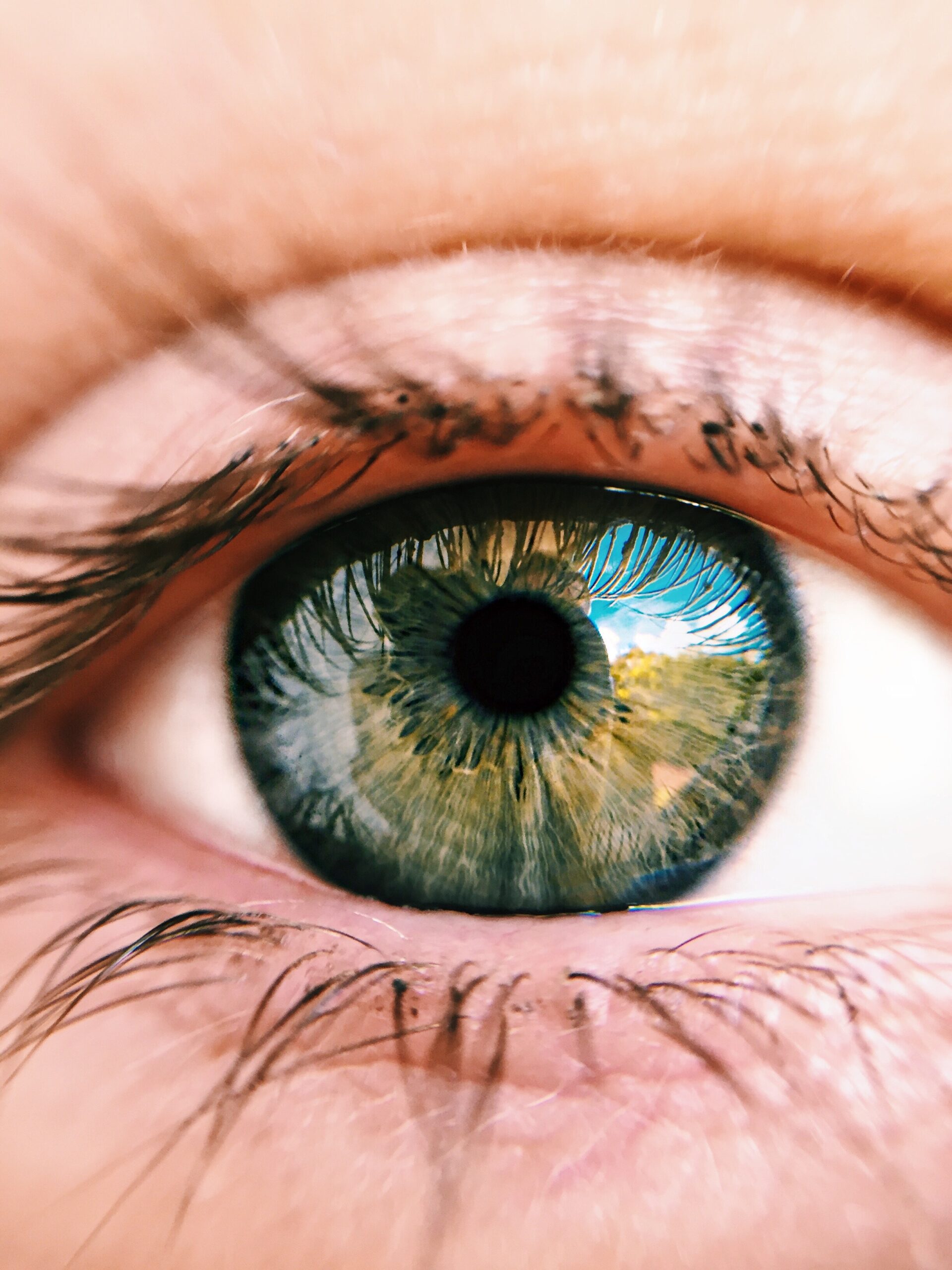
  • What percentage of the population has monovision?

    Monovision is the process of fitting contact lenses on a presbyopia patient. It ensures that both eyes continue to have a vision. The dominant eye will, however, have a stronger vision in the distance, whereas the non-dominant eye will see more clearly up close in monovision.

    The Monovision process tackles Presbyopia. Presbyopia is the loss of near-focusing ability brought on by changes to the crystalline lens of the eye. It is a normal effect of aging, and most people start to notice the symptoms around the age of 40. For more information about the condition.

    The prevalence of presbyopia has been estimated at nearly 80% of all people aged between 45–55 in North America. This means 80% of people could benefit from Monovision.

    For generations, patients relied on reading glasses or bifocals to provide clear near vision. But now, Monovision offers an alternative.

    What are monovision contact lenses?

    When wearing contact lenses for monovision, the dominant eye is fitted with a lens for far vision, and the other eye is fitted with a lens for near vision. One contact lens could be used for close and distance if a prescription is not required.

    How long does it take to get used to monovision contact lenses?

    If you’re considering getting monovision contact lenses, it can take some time to get used to them. Monovision adaptation normally takes at least one to two weeks. As the lenses are worn, the vision will continue to get better. It is possible to initially detect shadowing of images, especially when reading, as well as a mildly off-putting visual experience. A monovision patient might feel more at ease with the correction as the brain, and visual system gets used to the new vision correction.

    Why do things look small when using monovision contacts?

    The disadvantage of monovision is that some people believe it severely impairs their ability to see clearly in the distance, giving the appearance that distant objects are slightly blurred or small.

    Some people discover that monovision doesn’t provide them the close-up vision they need to be able to stop using reading glasses. Additionally, although the two eyes still function as a team in monovision, it can occasionally result in a little loss of depth perception.

    What is the ideal monovision power distance?

    In a study among emmetropic presbyopic patients, a patient questionnaire and a set of eight tests for evaluating various aspects of visual function were used to determine the best near and far vision for monovision contact lens usage.

    What is the opposite of monovision?

    The opposite of monovision is the multifocal lens. It is described as a lens with two or more prescriptions for correcting vision at various distances. These include customized occupational lenses, bifocals, trifocals, and progressives. Multifocals are made to improve people’s vision at a range of distances, especially as they get older.

    What is the difference between monovision and multifocal contacts?

    Monovision or multifocal lenses are appropriate for everyone who needs a prescription for near and far vision. To determine their differences further, this table will show you some facts about monovision and multifocal lenses.

    Monovision Multifocal
    When you have blended vision, also known as monovision, you wear contact lenses in both eyes, one for near vision correction and one for distant correction. Typically, you wear the distance-vision lens in your stronger eye. Your brain develops the ability to tune in the image you wish to view at any given distance subconsciously. Multifocal lenses provide three rings of vision. Your distance vision is placed on the outer ring, and your intermediate or computer vision is located in the middle ring. The inner ring is where you may see things up close. These rings are mixed to provide a smooth transition from far away to close up and back again. Since your brain interprets what you see rather than your eyes, it develops the ability to choose and learn to concentrate on a clearer image while suppressing blurrier vision.
    Some people can adjust faster than others under monovision. While most people acclimate practically right away, others take a little longer—up to several weeks—to acclimate. Every Presbyopia correction method calls for adaptation and modification. Thus, just like having monovision lenses, some people can adjust faster than others.

    Typically, it takes the patient two weeks to get used to using multifocal contact lenses. Sometimes, the vision needs to be adjusted.

    Some people’s vision is improved as if they were wearing glasses, while others find it slightly more challenging at close and far distances. In the same way that wearing glasses compromises your vision, blended vision does too. Blended vision enables you to see up close and far away without glasses. The other option is to use reading glasses for close up while having both eyes corrected for distance. Multifocal lenses can serve as a substitute for glasses and might allow for reduced peripheral vision blockage.
    The vision requirements for a driver’s license in some states are well within the range of patients with monovision. For “particularly clear” distant vision while driving at dusk or in the rain, some patients, nevertheless, prefer to use driving glasses. When driving, multifocal contact lenses can improve depth perception and peripheral vision while enabling clear distance vision.


    Why are some cataract patients not satisfied with monovision?

    All currently accessible methods to enhance near vision after cataract surgery involve some level of compromise. It would be predicted that monovision aimed at higher myopia levels for near vision would provide high levels of spectacle independence for reading; nevertheless, the problems with stereo acuity, contrast sensitivity, and dominance are more difficult to solve. Modified monovision or mixed vision, in contrast, yields a predictable outcome with a high level of patient satisfaction.

    For more information about patient satisfaction regarding monovision vs. multifocal after cataract surgery, you may view this article.


  • What percentage of suspicious calcifications are malignant?

    One study found that suspicious calcifications that require further testing are malignancy between 12 and 40 percent of the time. Meanwhile, other studies say that many of these cases are probably false positives, where a suspected cancer diagnosis is later determined to be benign. To avoid misdiagnosis, research is being done to advance cancer detection systems.

    What are calcifications in the breast?

    Calcium deposits that form in breast tissue are referred to as breast calcifications. They frequently appear on standard mammography and are common. Breast calcifications, though typically benign (noncancerous), can indicate a higher risk of breast cancer. Regular mammograms can find precancerous alterations, allowing for early treatment.

    What causes breast calcifications?

    Although there are a number of plausible hypotheses, researchers are unsure what causes calcifications. As a result of several processes that influence your breast tissue, calcium deposits develop. These conditions are linked to benign breast calcifications, according to Cleveland Clinic:

    • Aging arteries in the breast
    • Benign breast lumps
    • Breast cysts
    • Breast injury
    • Breast infections
    • Mammary duct ectasia
    • Previous breast cancer treatment
    • Previous breast surgery

    What type of biopsy is done for breast calcifications?

    A biopsy is frequently required to ascertain the underlying etiology of calcium deposits. A small piece of breast tissue is removed during a minimally invasive technique called a biopsy in order for a pathologist to examine it for symptoms of the disease.

    • Stereotactic biopsy – Your doctor will conduct this biopsy during the test, which uses mammography images to direct the biopsy.
    • Core needle biopsy – To evaluate the area, little bits of breast tissue are taken from the calcifications.

    What are the symptoms of untreated breast calcifications?

    Breast calcifications often don’t manifest any symptoms. They are merely unexpected discoveries made during mammography.

    However, consult your doctor if you experience odd breast symptoms, such as an infection or cancer, that may point to a more serious problem. These signs consist of:

    • A lump
    • Pain
    • Tenderness
    • Redness
    • Discharge

    What are punctate and amorphous calcifications in the breast?

    Breast calcifications that are small and/or cloudy enough not to have a recognizable shape or form are called amorphous, also known as indistinct calcifications.

    On the other hand, punctate microcalcifications refer to calcific opacities that are visible inside the acini of a terminal ductal lobular unit and are less than 0.5 mm in diameter.

    How are cancerous breast calcifications treated?

    A small sample of the calcified breast tissue is taken during a biopsy and submitted to a lab to be checked for cancer cells. If cancer cells are found, there are various treatment options to remove them:

    • Surgery to remove the malignant breast
    • Targeted drug therapy
    • Radiation therapy
    • Chemotherapy

    What are some natural treatments for breast calcifications?

    Using plants and herbs as food and medicine date back thousands of years. A study has listed some herbs that are commonly used globally for the treatment of cancerous breast calcifications. The research discusses various plant species that still possess immune-stimulating and anti-tumor effects.

    1. Garlic
    2. Turmeric
    3. Burdock
    4. Echinacea
    5. Carotenoids
    6. Green tea
    7. Flax seed
    8. Black cohosh
    9. Vitamin D
  • What percentage of students with disabilities do students with visual impairments account for?

    Less than two percent of students who received special education services under the Individuals with Disabilities Education Act (IDEA) in the academic year 2020–2021 have visual impairments.

    A group of specialists determined that students who have a disability that negatively impacts academic performance and who require special education and related services are eligible to receive free public school education as mandated in 1975.

    Why do students with visual impairments often struggle academically?

    There are several reasons why students with visual impairments often struggle academically.

    One reason is that they may not be able to see the visual teaching aids such as boards or other materials in the classroom. This can make it difficult for them to take notes or follow along with the lesson.

    Additionally, many textbooks and other educational materials are not available in Braille or large print, making it difficult for students with visual impairments to access the information they need.

    Finally, students with visual impairments may not be able to benefit from field trips or other learning experiences where sight is key.

    These factors can make it difficult for students with visual impairments to keep up with their classmates and succeed in school.

    Where do most students with visual impairments receive their education?

    Many visually impaired students attend their local school districts alongside their sighted peers. They receive specialized training from a specialist who works one-on-one with each pupil. The specialist goes to various schools and works with pupils there, either in a conventional classroom setting or a separate space. They teach visually impaired students topics like Braille, assistive technology, and other strategies for finishing homework. Depending on each child’s particular needs, different amounts of time are spent with each pupil.

    Meanwhile, according to The Chicago Lighthouse, most states have specialized schools for blind or visually challenged students. In the past, most blind and visually impaired children attended schools with kids suffering from different types of disabilities.

    Many residential schools for the blind offer a wide range of specialist services, including occupational and physical therapy, Braille and assistive technology education, orientation and mobility training, and many others. Some pupils from private schools might even go to the neighborhood public school to take regular coursework.

    What is the role of a low vision specialist in educating students with visual impairments?

    The key player on the educational team for your student with a vision impairment is the teacher of children with disabilities. This specialist can assist a student in learning about the subject matter, carrying out daily tasks, participating in the main curriculum, and taking part in extracurricular activities at school. A teacher qualified to help visually impaired students normally has experience in how vision impairment affects the growth and learning of pupils and can work to adapt the learning experience to ensure the student gets the education they need.

    How can teachers enhance the language of students with severe visual impairments?

    The following are the adaptive teaching strategies that educators must employ to support the learning of visually impaired students, according to ResearchGate:

    1. Using audio, optical, and non-optical devices

    The use of audio tools, such as audio cassettes and compact discs, is primarily to support the educational processes. The use of lenses in optical devices like eyeglasses and magnifiers increases a person’s remaining eyesight and can be beneficial.

    The purpose of both optical and non-optical devices is to enhance students’ eyesight and functioning abilities by compensating with other senses. The teacher’s job is to motivate students to use visual aids and other assistive technologies to improve their vision.

    2. Sound projection

    The teachers must talk clearly and approach the students directly. The teachers’ voices should be pleasant, enjoyable to listen to, read loudly and clearly, give verbal explanations that make sense, and they shouldn’t use ambiguous words. 

    The greatest teaching strategy is checking in with students after completing their activities to ensure they fully grasp the lesson plan.

    3. Using tactile materials

    Teachers must know that pupils with visual impairments lack conceptual experiences and knowledge because of their limited visual abilities. Adjustments should be made if they will learn in class with their sighted peers. Diagrams that are tactile are crucial for understanding concepts and visuals that are challenging to convey and describe verbally. Therefore, these methods should be employed both when real items are not available to aid in teaching and when figures and designs are crucial for understanding the subject. 

    Using a specific mat and stylus, tactile images or diagrams can be produced on Braille paper.

    4. Adapting teaching materials with written texts

    Printed text can be modified by changing the font size, making the text bold, boosting contrast, adding color, modifying the space between characters, and writing a huge text on the board or other visual aids. However, the severity of the visual impairments and the student’s needs are the only factors that affect how extensive these adjustments must be. Since each student uses a distinct set of materials based on the severity of their visual impairment, it is crucial to have input from a specialized teacher.

    5. Promoting verbal communication

    Verbal exchanges between teachers and students are essential for engaging learners. Teachers should encourage students to ask questions about any concepts they may still be unclear about after giving verbal explanations of those concepts. Teachers should take note of their responses better to understand the needs and expectations of visually impaired children.

    6. Collaborative learning

    Academic accomplishment, a good attitude toward the subjects, and improved social interaction among the students have all been shown to increase when collaborative learning is encouraged among students with varied learning skills and needs in an inclusive classroom. When people collaborate, they learn about the perceptions and perspectives of others.

    7. Maximum time allowance

    Students with visual impairments often take longer to finish their assignments. Therefore, giving students more time to finish their work is crucial, particularly if they are required to process visual data or complete their written tasks. Compared to kids with normal vision, students with limited vision need more time to read a text. On the other hand, it takes time for blind students to read and write in Braille and to obtain knowledge from tactile sources. 

    Many external exams recognize this need and provide students with vision impairments additional time when taking an exam.

    What technology projects an enlarged text version for students with visual impairments?

    Here are some resources that individuals can use for screen magnification and as screen readers, according to Teaching Students with Visual Impairments:

    • ​TalkButton
    • JAWS
    • Window-Eyes
    • NVDA
    • Serotek
    • Thunder
    • WebAnywhere
    • Virtual Magnifying Glass
    • Word Talk

    Which age level of students with visual impairments are home-based programs most commonly used for?

    Various programs cater to students with visual impairments, but home-based programs are most commonly used for infants and toddlers. These programs typically involve working one-on-one with a teacher or other professional to learn Braille, daily living skills, and appropriate social behaviors. Older students may also participate in home-based programs, but they are more likely to need specialized schools that can provide the necessary services and support.

    What is the agency that assists in getting assistive technology for students with visual impairments?

    The agencies that assist in getting assistive technology for students with visual impairments are  World Vision International and Christoffel-Blinden Mission. They provide funding for schools to purchase assistive technology for students with visual impairments. They also provide training for teachers on how to use the technology.

  • What percentage of women have breast implants? (US)

    According to a survey conducted by Pew Research Center in 2016, only 4% of American women have undergone elective cosmetic surgery.

    Cosmetic surgery is a method that focuses on enhancing a person’s look. Liposuction, breast augmentation, rhinoplasty, blepharoplasty, or eyelid surgery, and rhytidectomy, sometimes known as a facelift, are some examples of these procedures. Breast augmentation was among the most popular surgical cosmetic procedures performed globally in 2020, followed by liposuction and eyelid surgery.

    When were breast implants invented?

    The first breast implants were invented in 1962 by two American surgeons, Thomas Cronin and Frank Gerow. The implants were made of silicone. However, one of the early cases of medically enhancing the breasts was in 1895. German physician Vincenz Czerny placed a lipoma (a benign fatty lump) on a patient’s breast in order to prevent asymmetry after removing a tumor from her breast.

    What are breast implants made from?

    There are two types of breast implants: saline and silicone. Saline implants are filled with sterile salt water, while silicone implants are filled with silicone gel. Both types of implants have a silicone outer shell. Since the invention of implants, the FDA approved the use of saline-filled breast implants in 1989, which are still in use today.

    How much do breast implants cost?

    Breast implants are a popular cosmetic surgery procedure. The cost of breast implants varies depending on the type of implant, the size of the implant, geographical location, and the experience of the surgeon performing the procedure. Generally, breast implants cost between $5,000 and $12,000. Other related fees include:

    • Anesthesia
    • Post-surgery garments
    • Post-surgery medications

    Learning about these aspects will help patients learn about the elements that determine the cost, allowing them to make the best decision possible.

    How much do breast implants weigh?

    A typical 300cc silicone breast implant weighs 0.69 pounds, whereas a pair will weigh 1.38 pounds. Each 100cc of silicone breast implant weighs 0.23 pounds.

    On the other hand, saline implants weigh 0.21 pounds for every 100cc. A pair of standard 300cc saline implants weighs about 1.26 pounds or 0.63 lbs per implant.

    How often should you get new breast implants?

    There is no definitive answer to how often breast implants should be replaced. However, most implants have a lifespan of 10 to 15 years. This means that you may need to replace your implants at some point during this time frame. There are several factors that can affect how long your implants last, such as your age, lifestyle, and health. If you take good care of your implants, they will likely last longer.

    What is it called when breast implants are high, and breast tissue is saggy?

    When breast implants are high, and breast tissue is saggy, it is called ptosis. Ptosis can occur when the skin around the implant stretches, causing the implant to become displaced. This can happen due to weight gain, pregnancy, or aging. Ptosis can also be caused by capsular contracture, which is when the scar tissue around the implant hardens and shrinks. This can cause the implant to become misshapen and displaced.

    What is it called when breast implants harden, and why does it happen?

    Breast implants can occasionally harden, a condition formally known as capsular contracture. When this happens, the scar tissue around the implant begins to tighten, causing the implant to feel hard and often painful.

    In general, this condition is caused by the body’s response to the presence of a foreign object, in this case, the implant. The body forms a capsule of scar tissue around the implant, and in some cases, this tissue can contract and squeeze the implant, causing it to become hard.

    Why do my breast implants make a noise?

    Air enters the pocket during surgery, which causes the breasts to make “sloshing” or “water-like” noises after breast implant surgery. Additionally, the pocket is irrigated with saline as part if the surgery process and the combination of this leftover fluid and the air causes the postoperative “sloshing” sound. There is nothing to fear or cause for concern about this. Over the first few weeks following surgery, your body will reabsorb both the air and the fluid.

    What happens to encapsulated breast implants during pregnancy?

    Even when breast tissue expands and changes due to growing progesterone and estrogen levels during pregnancy, the implants themselves will be healthy. However, because your breasts expand and then compress during pregnancy, the changes in your breast tissue, together with normal weight increase, can occasionally impair breast tissue. Though not everyone, this might cause them to sag or change shape, which could alter the appearance of your breasts even if you have implants.

    Why do models get big breast implants?

    Many models choose to get breast implants to improve their appearance. Breast implants can make a model’s breasts look fuller and more shapely. They can also help to balance out a model’s figure if she has a small waist. Breast implants can give a model the confidence and appeal she needs to succeed in her career.

  • What percentage of women experience severe distress during menopause?

    It’s estimated that around 40% to 60% of women experience some form of distress during menopause. It involves having mild and manageable symptoms for some women. But for others, they can be severe and debilitating.

    What is menopause?

    A woman enters menopause 12 months after her last menstruation. It is a natural process that all women go through, which usually occurs around the age of 45 to 55, but it can occur earlier or later depending on the woman.

    During menopause, the ovaries stop producing eggs, and the levels of estrogen and progesterone decrease. This can cause symptoms like hot flashes, night sweats, mood swings, and vaginal dryness. After menopause, women are at an increased risk of health conditions like osteoporosis, heart disease, and urinary tract infection (UTI).

    What causes early menopause?

    Menopause that starts before age 40 is referred to as premature menopause. There are many possible causes of early menopause, including genetics, certain medical conditions, and medications. These also include smoking, which can accelerate the aging process, and certain medical treatments and procedures, such as chemotherapy or radiation therapy.

    Hormone therapy may be necessary for women who go through early or premature menopause in order to lower their chance of developing conditions like osteoporosis and cardiovascular disease.

    What are the signs and symptoms of menopause?

    There are a number of signs and symptoms that may occur during menopause. These can include:

    • hot flashes
    • sleep disturbances
    • night sweats
    • mood changes
    • vaginal dryness
    • weight gain and slower metabolism

    Many women also experience a decline in libido during this time. If you are experiencing any of these symptoms, it is important to speak to your doctor to confirm whether or not you are going through menopause.

    How long does menopause last?

    The menopausal transition typically lasts seven years, although it can last up to fourteen. The length of time can vary depending on lifestyle factors, including smoking, the age at which it starts, and race and ethnicity. While there is no one-size-fits-all answer to when menopause ends, most women find that their symptoms lessen over time and eventually go away completely.

    Why are my breasts getting bigger after menopause?

    Menopause is a time when a woman’s body goes through changes. One of these changes is an increase in the size of her breasts. This happens because the estrogen levels in the body are decreasing. The decrease in estrogen also causes the cells in her breasts to grow. This growth can cause the breasts to get larger.

    Why am I losing weight during menopause?

    There are actually seven hormones that cause weight loss during menopause.

    • Estrogen & Progesterone – Your ovaries will quit releasing as much estrogen as you get closer to menopause, while your progesterone levels stay the same. This results in a narrower gap, which can increase insulin sensitivity and fat storage around the abdomen.
    • Insulin – Your ability to respond to insulin will decline as you approach menopause. The decline is caused by a combination of muscle loss brought on by decreased physical activity and estrogen’s role in making insulin more sensitive.
    • Cortisol – Because estrogen levels drop after menopause, you could also notice that stress levels have increased. You might also observe that mental and physical difficulties are more distressing.
    • Thyroid Hormones – Thyroxine (T4) and triiodothyronine (T3) are the hormones that regulate your body’s metabolism, body temperature, how quickly your body replaces dead cells, how quickly your digestive system functions, and how quickly you put on or lose weight.
    • Leptin & Ghrelin – Your body creates less leptin when your estrogen levels are low, which causes your ghrelin levels to appear to climb while your leptin levels decline. Your leptin sensitivity will decrease, making it harder to maintain a healthy balance of hunger hormones.

    What can cause hot flashes other than menopause?

    There are a number of things that can cause hot flashes other than menopause. Some medications, such as certain antidepressants and blood pressure medications, and other medical conditions, such as thyroid problems and anxiety disorders, can also cause hot flashes.

    If you’re experiencing hot flashes and you’re not sure what’s causing them, it’s important to talk to your doctor so they can help you identify the cause.

  • What percentage of women experience no significant symptoms of menopause?

    It is estimated that about 15% of women experience no significant symptoms of menopause. This is based on research from the National Library of Medicine, which states that the majority (85%) of women do experience mild to severe symptoms.

    What are the 34 symptoms of menopause?

    There are a variety of symptoms that can come with menopause. Here are 34 of them:

    1. Insomnia
    2. Vaginal dryness
    3. Hot flashes
    4. Night sweats
    5. Depression
    6. Memory lapses
    7. Anxiety
    8. Weight gain
    9. Mood swings
    10. Irregular periods
    11. Itchiness burning mouth
    12. Fatigue 
    13. Irritability
    14. Panic disorder
    15. Joint pain
    16. Brain fog
    17. Breast tenderness
    18. Paresthesia (tingling or ‘pins and needles’)
    19. Headaches
    20. Food cravings
    21. Burning mouth
    22. Muscle tensions and aches
    23. Dizzy spells
    24. Allergies
    25. Brittle nails
    26. Food sensitivities
    27. Thinning hair
    28. Bloating
    29. Electric shock sensations
    30. Changes in taste
    31. Bladder incontinence 
    32. Irregular heartbeat
    33. Osteoporosis
    34. Decreased libido

    If you are experiencing any of these symptoms, it is important to speak with your doctor.

    What are vasomotor symptoms of menopause?

    Vasomotor symptoms are the most common type of menopause symptom. They include hot flashes and night sweats. Hot flashes are sudden feelings of warmth that can last for a few minutes or longer. Night sweats are hot flashes that wake you up at night. (adsbygoogle = window.adsbygoogle || []).push({});

    What are the symptoms of menopause after hysterectomy?

    There are a variety of symptoms associated with menopause, particularly after a woman has undergone a total or radical hysterectomy. These can include hot flashes, night sweats, vaginal dryness, fatigue, and depression. While these symptoms can be troublesome, there are a number of treatments available to help manage them.

    How long do symptoms of menopause last?

    The menopausal transition typically lasts seven years, although it can last up to fourteen. The length of time can vary depending on lifestyle factors, including smoking, the age at which it starts, and race and ethnicity. While there is no one-size-fits-all answer to when menopause ends, most women find that their symptoms lessen over time and eventually go away completely.

    Which classification of drugs treats symptoms of menopause?

    There are a variety of drugs that can be used to treat symptoms of menopause. Hormone therapy is the most common treatment, as it can help to alleviate hot flashes, night sweats, and vaginal dryness. Antidepressants and anti-anxiety medications can also be effective in treating menopausal symptoms, as they can help to reduce stress and improve mood.

    <ins class="adsbygoogle" style=”display:block; text-align:center;” data-ad-layout=”in-article” data-ad-format=”fluid” data-ad-client=”ca-pub-3522928251160741″ data-ad-slot=”9202903100″> (adsbygoogle = window.adsbygoogle || []).push({});

    What is the relationship between estrogen levels and symptoms of menopause in women?

    There is a strong relationship between estrogen levels and the symptoms of menopause in women. When estrogen levels drop, the symptoms of menopause usually appear. Estrogen levels can be monitored through blood tests. If the levels are low, hormone replacement therapy may be recommended to help alleviate the symptoms of menopause.

    Why are the symptoms of menopause treated by progesterone?

    To treat the symptoms of menopause, progesterone and estrogen are frequently combined. These two hormones can lessen menopausal symptoms, such as night sweats and hot flashes, and other side effects.

    In order to reduce the risk of endometrial cancer, progesterone thins the uterine lining. Progesterone, whether taken alone or in combination with estrogen, may also enhance sleep and safeguard some cognitive processes.

    However, not everyone should take progesterone. Consult a medical expert to determine whether it’s secure for you. You should be well aware of the advantages and disadvantages of utilizing progesterone to treat menopause symptoms.

    What is the pathophysiology behind the signs and symptoms of menopause?

    Loss of ovarian responsiveness to gonadotropin stimulation, which is directly related to follicular attrition, causes menopause. Throughout a woman’s life cycle, the oocytes in her ovaries experience atresia, which causes a drop in follicle quantity and quality. As a result, rather than follicle failure, the varied menstrual cycle length during the menopausal transition (MT) is caused by a smaller follicle cohort size.

    How do you alleviate symptoms of menopause?

    There are a variety of ways to alleviate symptoms of menopause. Some women find relief by using hormone replacement therapy, which can help to balance out the hormones that are causing problems. Others find relief through lifestyle changes, such as eating a healthy diet, getting regular exercise, and managing stress levels. There are also many over-the-counter and prescription medications that can help to relieve menopause symptoms. Talk to your doctor about which options are right for you.

    [/et_pb_text][/et_pb_column][/et_pb_row][/et_pb_section]

  • What percentage of veterans are disabled?

    According to the 2011 ACS Public Use Microdata (PUMS), nearly 30% of veterans in the United States are disabled. This means that disabled veterans make up a significant portion of the veteran population.

    Why are many veterans disabled?

    Many veterans who have served in the military are disabled as a result of their service. This can happen because of injuries that they sustained while serving or because of illnesses that they contracted while in the service. Many veterans also suffer from chronic pain as a result of their injuries or illnesses. In some cases, veterans develop mental illnesses due to their experiences from serving.

    What section of the 2004 Appropriations Act deals with veterans’ disabled payments?

    One section of the 2004 Appropriations Act deals with disabled veterans’ payments. Section 304 authorizes the Department of Veterans Affairs to make disability compensation payments to qualifying veterans who are registered as disabled with the VA. The amount of a veteran’s monthly compensation depends on his or her rank, service period, and other factors. (adsbygoogle = window.adsbygoogle || []).push({});

    How do I get a veteran’s disabled lifetime pass?

    If you are a veteran who has been diagnosed with a disability, you may be eligible for a disabled lifetime pass. To get a disabled lifetime pass, you will need to provide proof of your diagnosis and the severity of your disability. You may also need to provide documentation of your service in the military. Once you have all of the necessary information, you can apply for the pass through the Department of Veterans Affairs.

    What is the compensation for veterans disabled during service?

    If you are a veteran who was disabled while in service, you may qualify for compensation from the government. You can be eligible for a monthly VA Disability Compensation payout that is tax-free and ranges from $133 to over $3,400 per month. However, you can be compensated more if:

    • you have severe disabilities or lost a limb
    • you have a disabled spouse
    • you have dependents (spouse, children, parents)
    • due to your disability, you are considered unemployable

    How much can you get in veterans’ disabled child benefits?

    If you are a veteran and your child is disabled, you may be eligible for veteran’s disabled child benefits. This benefit provides financial assistance to help with the costs of raising a child who is disabled. According to Special Needs Alliance, children with disabilities receive $488 a month.

    Children with disabilities also receive a tax-free monthly stipend through Dependency and Indemnity Compensation (DIC). It applies to kids whose veteran parents passed away from a sickness or injury sustained while serving as well as kids of living military members who died in the line of duty.

    <ins class="adsbygoogle" style=”display:block; text-align:center;” data-ad-layout=”in-article” data-ad-format=”fluid” data-ad-client=”ca-pub-3522928251160741″ data-ad-slot=”9202903100″> (adsbygoogle = window.adsbygoogle || []).push({});

    How do veterans disabled camping work?

    Some disabled veterans choose to go camping as a way to enjoy the outdoors and connect with nature. Campgrounds typically have facilities that are wheelchair accessible, and those that accept a special access pass for veterans may offer free parking and camping to veterans with special needs. The free camping may be offered as reimbursement for veterans who have applied for and received a special access pass from the local government.

    Where is the American Veterans Disabled For Life Memorial?

    The American Veterans Disabled For Life Memorial is a monument that honors disabled veterans. It is located in Washington D.C., west of the US Capitol Building and the US Botanic Gardens. It’s near Federal Center SW and Capitol South Metro stations.

    [/et_pb_text][/et_pb_column][/et_pb_row][/et_pb_section]