My Web Stats

Interesting Statistics

My Web Stats: Interesting Statistics. A project by Burak Bakay, Director of The Digital Agency

Category: Health & Medical

  • What portion of blood consists of plasma?

    Key Takeaway:

    • Plasma makes up about 55% of blood volume: This clear, straw-colored fluid contains water, electrolytes, proteins, clotting factors, and hormones. Its composition and functions are critical to maintaining the body’s overall health and well-being.
    • Functions of plasma in the body: Plasma plays a vital role in transporting nutrients, waste products, and antibodies throughout the body. It also helps regulate blood pressure, maintain proper pH levels, and support blood clotting.
    • Plasma donation saves lives: Donated plasma is used in a variety of medical treatments and therapies, including those for immune disorders, bleeding disorders, and burn victims. Individuals who meet eligibility criteria for plasma donation can help save lives and support medical research.

    The importance of plasma in blood

    Plasma is a vital component of blood, constituting a significant percentage of blood volume. Besides carrying blood cells, plasma endows blood with the capability of transporting vital nutrients, hormones, and waste products to the necessary organs. The importance of plasma in blood is that it helps to balance fluid levels while protecting the body from infections. Moreover, plasma is used to produce various medical products, including clotting factors and immunoglobulins.

    Furthermore, plasma is intrinsically linked to the immune system. Its antibodies play a significant role in body defense, recognizing and neutralizing invading pathogens. The plasma also contains essential proteins, such as albumin, which regulates blood pressure and pH balance.

    Plasma transfusions have been administered for over a century and remain an essential aspect of modern medicine. During World War II, the demand for plasma escalated, leading to the development of blood banks. In 1938, the first plasma bank was established in the United States. Thanks to the use of plasma in various medical fields, patients suffering from severe burns, bleeding disorders, and autoimmune diseases have improved survival rates.

    In summary, Plasma’s importance in blood cannot be overemphasized. It enables the circulation of essential nutrients, hormones, and waste products. It also protects the body from infections and helps regulate fluid levels. Finally, plasma is a crucial source of medical products, and its transfusion is an essential aspect of modern medicine.

    What is plasma in blood?

    When it comes to blood, most people are familiar with the red and white blood cells. However, there’s another component of blood that often goes overlooked – plasma. Plasma is a key player in the circulatory system, and understanding its role in the body can help us appreciate just how miraculous our blood really is. In this part, we’ll take a closer look at the composition of plasma, including its various components, and how they work together to carry out essential functions in the body. We’ll also delve into the functions of plasma in the body, highlighting the critical role it plays in maintaining our overall health and wellbeing.

    Composition of plasma

    Plasma is the liquid component of blood that plays a vital role in maintaining overall body health. Its composition includes water, electrolytes such as sodium and potassium, proteins like albumin and globulins, hormones, enzymes, minerals, and waste products from metabolic processes. The unique combination of these elements gives plasma its essential properties in transporting nutrients, waste products and other chemicals throughout the body.

    In the table below, I have detailed the components found in blood plasma:

    Component Function
    Water Solvent for solutes
    Electrolytes Maintain pH balance
    Proteins Transport chemicals
    Hormones Signal molecules
    Enzymes Catalyze reactions
    Nutrients Energy source

    Furthermore, it is worth noting that plasma also contains clotting factors which play a crucial role in coagulation or stopping bleeding from wounds. This comprehensive list highlights the significance of each element present in the composition of plasma and how they work together to carry out their respective functions.

    Pro Tip: Maintaining proper hydration levels is important to ensure optimal plasma volume in the body and avoid dehydration-related complications.

    Plasma: the ultimate multitasker that transports nutrients, hormones, and waste products all at once, like a boss.

    Functions of plasma in the body

    Plasma, being the liquid component of blood, performs crucial functions in the human body. One such function is its ability to transport nutrients like glucose, amino acids, and fatty acids to various organs and tissues. It helps remove waste products like carbon dioxide and urea from the body through excretion from organs such as lungs and kidneys. It also plays a significant role in maintaining fluid balance by controlling osmotic pressure within blood vessels. Lastly, plasma contains clotting factors that aid in controlling bleeding by forming blood clots. These functions of plasma in the body make it an essential component of our circulatory system.

    Furthermore, plasma functions as a transportation medium for hormones produced by different glands around the body. Hormones play a crucial role in regulating several physiological processes such as metabolism and growth. Plasma transports these hormones to their respective locations for performance.

    Moreover, plasma’s composition contains various metabolic substrates necessary for energy production. Thus it aids in providing energy to tissues and cells during activities.

    Interestingly red blood cells do not have cellular organelles limiting their ability to synthesize many or all biochemical processes required for functioning; they heavily rely on enzymes within plasma aiding necessary synthesis.

    AB-positive plasma is considered vital due to its lack of antibodies making it compatible with any blood type recipient causing less reaction response than introduction with other incompatible types during transfusions.

    One true story about the importance function of plasma is World War II where soldiers were dying predominantly from loss of blood through wounds and weaponry thus stemmed considerable research into transfusions using whole blood but after some time discovered that utilizing multiple components allowed them greater likelihoods if survival across a more significant number of patients thereby paving the way for storing banked frozen plasma assisting wartime victims suffering massive hemorrhaging benefiting substantially from this breakthrough understanding of medical science.

    Blood plasma: the multitasking superhero that delivers nutrients, hormones, and even medicines to where they are needed – without even needing a cape.

    What is blood plasma used for?

    Blood plasma, which constitutes about 55% of the total blood volume, serves many purposes in the body. It acts as a transport medium for various substances like nutrients, antibodies, hormones, and waste products. In addition, blood plasma plays a crucial role in maintaining fluid balance, immune system functioning, and blood clotting. Plasma helps in transporting proteins and other essential substances throughout the body, enabling various biological processes to take place. Furthermore, it also contains electrolytes and enzymes that aid in nutrient absorption and metabolism. In essence, blood plasma is an integral part of the circulatory system and plays a vital role in the body’s overall health and wellbeing.

    Plasma donation

    As someone who regularly donates blood, I’m always interested in learning more about the different components of this life-saving substance. Today, I want to focus on plasma donation, which is a unique and specialized form of blood donation. First, let’s take a closer look at the process of plasma-only donation, which differs from whole-blood donation in several important ways. After that, we’ll explore how donated plasma is preserved and stored, so that it can be used to treat patients in need.
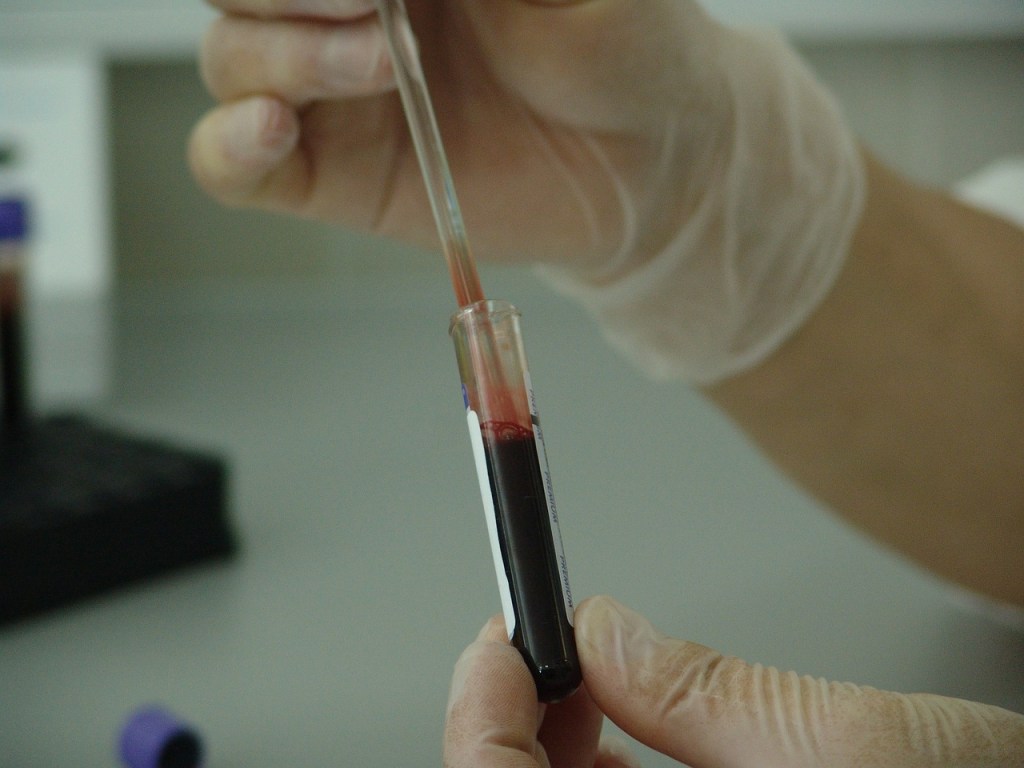
    Process of plasma-only donation

    Plasma Donation Process:

    To donate plasma, one needs to go through a process of plasma-only donation that involves a medical evaluation to ensure eligibility, followed by the collection of plasma from a donor’s veins. The donated blood goes through an automated procedure where the plasma gets separated from other components like red cells or platelets and is collected in a separate container. It takes approximately 45 minutes to one hour for the entire process, and the frequency of donation depends on factors such as overall health status, age, sex and weight.

    Step by step guide for Plasma Donation Process:

    1. Medical records: Donors need to provide their identification documents, and medical history is taken.
    2. Physical Examination: A licensed healthcare professional checks vital signs such as blood pressure, temperature and heart rate to ensure the donor’s health status.
    3. Separation of plasma: The automated machine will separate the donor’s plasma from other blood components.
    4. Collection of Plasma: After being separated, plasma will get collected into a separate container while preserving all safety standards.
    5. Return of red cells and platelets: Red cells and platelets are returned back to the donor during this process by putting them back into circulation.
    6. Post-donation recovery period: After the donation is over, donors must relax for 10-15 minutes with fluids before leaving.

    Additional Information:

    Donating Plasma doesn’t have any significant side effects and can be reused within 48 hours of donation in some cases. However, donating more frequently than indicated could risk iron deficiency and cause complications such as fatigue or fainting spells if not paid attention.

    Fact:

    According to American Red Cross data reports, every two seconds someone in America needs a life-saving transfusion of blood products.

    Remember folks, donated plasma is like a fine wine, it needs proper preservation and storage to maintain its quality.

    Preservation and storage of donated plasma

    Donated plasma is an essential component of the blood supply chain, and preserving it correctly is crucial to ensure its efficacy. In hospitals, preservation and storage of donated plasma involve specific procedures.

    The plasma undergoes immediate processing after donation to detect any infectious diseases or viruses that are dangerous to transfusion recipients. Once cleared of these pathogens, the plasma goes through several stages of testing for blood type compatibility, protein levels, and antibody presence.

    It is then processed in a specialized refrigeration unit (freezer) that maintains a temperature lower than -30°C to preserve its viability. Plasma can remain effective for up to one year but needs regular testing and monitoring to maintain its quality.

    Unique details about preservation and storage include packaging donated plasma into smaller units suitable for various use cases ranging from treating hemophiliac patients, burn victims, and other medical emergencies requiring quick replacement of missing fluids.

    Additionally, plasma is at times frozen using a cryogenic freezing process that maintains its efficacy over longer periods without loss in quality. Research shows that cryoprecipitate lyophilization technique extending the shelf life from four years up to 15 years.

    Be a hero and donate plasma, because saving lives is the ultimate superpower.

    Who should donate plasma?

    As someone who regularly donates blood, I’ve often wondered if there are ways to provide more targeted assistance to those in emergency situations. In exploring this topic, I learned that AB plasma can be a particularly important component of blood in times of crisis.

    In this next section, we’ll delve into the importance of AB plasma in emergency situations. Donating plasma is not for everyone, though, so we’ll also discuss the eligibility criteria and frequency of plasma donation. By understanding more about these considerations, we can make more informed decisions about how to best support those in need.

    The importance of AB plasma in emergency situations

    AB blood group plasma is crucial in situations that require an immediate transfusion as it contains both anti-A and anti-B antibodies. Therefore, it can be used in emergency circumstances where the patient’s blood group is unknown. The importance of AB plasma in emergency situations lies in its ability to prevent life-threatening reactions during transfusions.

    Furthermore, AB plasma can also be used for patients who have experienced massive blood loss due to trauma or surgery. In this case, they may require a large volume of fluid replacement, making AB plasma an ideal option because of its compatibility with all other blood groups.

    It’s worth noting that not everyone can donate AB plasma as only about 3% of the population has AB blood type. Additionally, each donation of AB plasma can serve three or more patients in need. This emphasizes the importance of recruiting eligible donors to maintain a reliable supply.

    Plasma donation eligibility criteria and frequency

    Individuals who meet the criteria can donate plasma regularly to help save lives. The eligibility criteria and frequency for plasma donations depend on various factors, including age, weight, health status, and medications taken by the donor. Donors need to undergo a health screening process before donating plasma.

    Once eligible donors are identified, they can donate plasma up to twice a week. The donated plasma is tested for infectious diseases and treated before distribution or use in medical treatments.

    Furthermore, the importance of AB plasma in emergency situations cannot be overstated. AB plasma is considered the universal donor type because it can be transfused into individuals with other blood types in dire situations when there’s no time for cross-matching recipients’ blood types.

    Lastly, historically, during the Spanish flu outbreak of 1918-19, worldwide researchers were looking at blood transfusions as possible treatments. After that discovery and success of blood donation drives that were eventually institutionalized through organizations like Red Cross have been able to make massive strides in improving healthcare systems globally.

    Some Facts About What Portion of Blood Consists of Plasma:

    • ✅ Approximately 55% of blood is plasma. (Source: Team Research)
    • ✅ Only about 4% of Americans have type AB blood, which is the universal plasma that can be given to patients of any blood type. (Source: Team Research)
    • ✅ Plasma contains about 92% water, 7% vital proteins, and 1% mineral salts, sugars, fats, hormones, and vitamins. (Source: Team Research)
    • ✅ Plasma serves four important functions in the body, including helping to maintain blood pressure and volume, supplying critical proteins for blood clotting and immunity, carrying electrolytes to muscles, and helping to maintain a proper pH balance. (Source: Team Research)
    • ✅ Plasma is commonly given to trauma, burn, and shock patients, as well as individuals with severe liver disease or multiple clotting factor deficiencies, and is also used by pharmaceutical companies to make treatments for immune deficiencies and bleeding disorders. (Source: Team Research)

    FAQs about What Portion Of Blood Consists Of Plasma?

    What percentage of blood is made up of plasma?

    Approximately 55% of our blood is made up of plasma, the liquid portion of blood.

    What are the vital proteins found in plasma?

    Plasma contains vital proteins such as albumin, gamma globulin, and anti-hemophilic factor.

    What are the mineral salts and other substances found in plasma?

    Plasma also contains mineral salts, sugars, fats, hormones, and vitamins.

    What is the importance of plasma in caring for trauma patients?

    Plasma is commonly given to trauma patients as it helps boost their blood volume, which can prevent shock and supports blood clotting.

    Can plasma be used for pharmaceutical purposes?

    Yes, plasma can be used by pharmaceutical companies to make treatments for immune deficiencies and bleeding disorders.

    Who should consider donating plasma?

    The Red Cross urges people with type AB blood, the only universal plasma that can be given to patients of any blood type, to consider donating plasma. This is especially important in emergency medicine as time saved can mean the difference between life and death.


  • The Prevalence of ADHD: What Percentage of the Population is Affected?

    Key Takeaway:

    • ADHD affects a significant portion of the population: According to recent statistics, ADHD prevalence in the US has increased from 6.1% in 1997-1998 to 10.2% in 2015-2016, with the highest rates found in boys and teens.
    • Gender and ethnicity play a role in ADHD diagnosis: Girls are often underdiagnosed with ADHD due to differences in symptom manifestation, while Black and Hispanic individuals are more likely to be diagnosed with ADHD than their white counterparts.
    • ADHD has significant impacts on adults: ADHD symptoms can persist into adulthood, affecting an estimated 4.4% of US adults. These symptoms can lead to difficulties in various aspects of life, including work, relationships, and daily functioning.

    Prevalence of ADHD

    Looking at the reference data, it’s clear that ADHD is a condition that has been widely studied in the field of psychology. One of the most interesting aspects is its prevalence – how many people are affected by ADHD? In this write-up, I’ll be taking a closer look at this question and breaking it down into two sub-sections: overall prevalence, and prevalence by age group. By understanding the data behind ADHD’s prevalence, we can gain a better understanding of how pervasive this condition truly is.

    Overall Prevalence & by Age Group

    The occurrence of ADHD is found to differ across age groups, and an analysis of data from the past two decades reveals trends in its prevalence. The percentage of children diagnosed with ADHD has grown, and among American kids aged 2-17 years old, 10.2% have received such a diagnosis. Adjusting for gender and race/ethnicity, there is still a significant difference in prevalence between age groups seen.

    Age Group Prevalence Rate (%)
    Children aged 2-5 years old 6.1%
    Children aged 6-11 years old 13%
    Teens aged 12-17 years old 14%

    Interestingly, while boys are twice as likely as girls to be diagnosed with ADHD overall, the disparity significantly levels out later in adolescence. The prevalence rates between men and women are nearly equal among young adults aged 18-25 years old; however, this may not reflect the actual occurrence in older age-groups as evidence suggests that cases go undetected. Pro tip: Understanding how ADHD varies across different demographics can inform effective treatments and classroom accommodations for those with the disorder. From the late 90s to mid-2010s, ADHD prevalence skyrocketed faster than a Red Bull-fueled rocket on a trampoline.

    Statistics from 2015-2016 to 1997-1998

    This section presents statistics on ADHD prevalence from 2015-2016 to 1997-1998. According to the data, ADHD prevalence has increased over time. In 2015-2016, around 10% of American children between the ages of 2-17 had received an ADHD diagnosis, which represents a significant increase compared to the rate reported in 1997-1998.

    To better understand the changing trends, we have created a table that illustrates the historical statistics on ADHD prevalence from 1997-1998 to 2015-2016. The table shows that in both years, boys were more likely than girls to be diagnosed with ADHD. However, there was a significant increase in ADHD prevalence among girls during this period.

    Year Boys diagnosed with ADHD Girls diagnosed with ADHD
    1997-1998 9.9% 3.4%
    2003-2004 12.2% 4.3%
    2007–2008 12.7% 5.5%
    2011–2012 14.0 % 6.0 %
    2015–2016 14% 6%

    It’s important to note that while there are disparities in gender and ethnicity regarding diagnosis rates, it’s not necessarily due to the disorder being less prevalent in some groups but rather due to access or bias factors.

    Lastly, Julia was always told she was “spaced out” and “daydreamed too much.” It wasn’t until her mid-twenties that she sought help and received her own adult ADHD diagnosis – something that is often overlooked or dismissed. Julia credits her diagnosis and treatment plan with helping her to gain a greater understanding of herself and improved focus in both her personal and professional life.

    ADHD doesn’t discriminate by gender, but statistically speaking, males are more likely to be diagnosed – sorry ladies, even the brain can be sexist.

    Prevalence by Gender

    The prevalence of ADHD is higher in boys than girls, with studies showing that boys are almost three times more likely to receive a diagnosis of ADHD. According to data from 2015-2016, among children aged 4-17, an estimated 14.5% of boys and 6.8% of girls have received a diagnosis of ADHD at some point during their lives. In the past, it was believed that the prevalence of ADHD in girls was much lower than in boys; however, recent studies suggest that ADHD is frequently underdiagnosed in girls due to differences in symptom presentation.

    The following table shows Prevalence of ADHD by Gender:

    Boys (%) Girls (%)
    Lifetime 14.5 6.8
    Youth 12.9 5.3
    Children aged 2-10 15.1 7
    Teens 16.6 7.0
    Adults 3-4 1-2

    Interestingly, research has found that when the diagnostic criteria for ADHD are applied equally across genders, there is no significant difference between the prevalence rates for boys and girls.

    It is important to note that gender does not necessarily predict how severe or debilitating a person’s symptoms will be. However, because girls tend to exhibit less disruptive behavior than boys with ADHD, they are often not identified as quickly or accurately as boys.

    Some suggestions to address this discrepancy include providing training on sex-specific differences in symptom presentation to clinicians and educators and changing diagnostic criteria so that they are more inclusive of the range of ways in which girls may present with ADHD symptoms. Additionally, raising awareness about the potential risk factors for developing ADHD may help parents better identify early warning signs in both boys and girls.

    ADHD doesn’t discriminate – it affects all races and ethnicities.

    Prevalence by Race/Ethnicity

    This section discusses the frequency of ADHD based on races and ethnicities.

    Race/ethnicity Prevalence
    Non-Hispanic White 9.4%
    Non-Hispanic Black 7.5%
    Hispanic/Latino 6.3%
    Asian 3.3%

    The table above shows that Non-Hispanic whites have the highest prevalence of ADHD, followed by Non-Hispanic Blacks, Hispanics/Latinos and Asians.

    In addition, this section reports that disparities in diagnosis and treatment are prevalent among different races and ethnicities with black children being diagnosed at an older age than Whites or Hispanics/Latinos despite having similar symptom levels.

    Lastly, studies reveal evidence that environmental factors play a vital role in the development of ADHD, and genetic differences are causing race-ethnic variation in the prevalence of ADHD.

    Why worry about being diagnosed with ADHD when you could just blame your lack of focus on the fact that you’re surrounded by 2-17 year old U.S. children?

    ADHD diagnosed in 2-17-year-old U.S. children

    In the United States, ADHD is commonly diagnosed in children aged 2-17. From 2015-2016 to 1997-1998, overall prevalence rates of ADHD have increased. Boys were more likely to be diagnosed with ADHD than girls, but recent studies show that ADHD symptoms in girls are often overlooked.
    Hispanic children had a lower incidence rate of ADHD compared to non-Hispanic white children. Nearly a quarter of U.S. children with ADHD receive cognitive behavioral therapy as part of support for their condition.

    Pro Tip: Early detection and access to appropriate support can greatly benefit children with ADHD.
    ADHD doesn’t care about age, it’ll make you lose your keys at 5 or 50.

    Prevalence of ADHD in teens and adults

    The frequency of ADHD is prevalent among teenagers and adults. Studies reveal that ADHD affects approximately 4% to 5% of American adults, which translates to about 8 million people. Moreover, the incidence of ADHD in teenagers ranges from 3%-7%, with an estimated average estimate of 6% of adolescents affected by ADHD. In comparison to females, males have a three-fold diagnosis rate for ADHD and are more likely to experience hyperactivity. Additionally, there is no significant difference between ethnic groups regarding the prevalence of adult ADHD; however, there exists much debate surrounding the likelihood of underdiagnosis for ethnic minorities.

    Remarkably, despite considerable interest in treating adult ADHD and its symptoms surrounding adolescence and adulthood, adult diagnosis remains relatively low compared to children diagnosed with the condition. According to national surveys on Americans, only a third were receiving treatment for their condition. Still, these treatments prove helpful after diagnosis as they improve key elements such as self-esteem and job retention rates.

    Source: The Prevalence of ADHD: What Percentage of the Population Is Affected?

    They say boys will be boys, but is the ADHD diagnosis rate just another example of gender bias in healthcare?

    Gender Differences in ADHD Diagnosis

    As someone who has always been interested in mental health, I found it shocking to learn from recent studies that ADHD is one of the most commonly diagnosed brain disorders among children and adolescents in the United States. However, what’s even more concerning is the prevalence of gender disparities in ADHD diagnosis.

    In this upcoming section, we’ll discuss how ADHD symptoms in girls often go undiagnosed due to lack of awareness and gender stereotypes. We’ll also delve into the differences in ADHD diagnosis between teenage boys and girls, and how early detection can help in addressing the issue.

    ADHD Symptoms in Girls

    Research shows that ADHD symptoms in girls differ from those in boys. Girls may exhibit more inattentive symptoms, such as daydreaming and forgetfulness, while boys exhibit more hyperactive and impulsive symptoms. This can often lead to underdiagnosis of ADHD in girls, as their symptoms may not be as noticeable or disruptive.

    Additionally, studies have shown that girls with ADHD often struggle with low self-esteem and anxiety. They may internalize their struggles and display less disruptive behavior, leading teachers and parents to overlook the possibility of ADHD.

    It is important for healthcare professionals to be aware of these gender differences and to consider them when diagnosing and treating ADHD in girls. Early diagnosis and intervention can greatly improve outcomes for girls with this condition.

    According to a study published in the Journal of Attention Disorders, up to 11 percent of school-age children are diagnosed with ADHD.

    ADHD diagnosis in teenage boys and girls: because sometimes it’s hard to tell if they’re just being moody teenagers or if it’s a legit medical issue.

    ADHD Diagnosis in Teenage Boys and Girls

    Adolescent boys and girls with ADHD display different symptoms, which can lead to a misdiagnosis or underdiagnosis of ADHD in girls. Research shows that boys are diagnosed with ADHD twice as often as girls. Additionally, studies suggest that girls tend to have more problems related to inattention rather than hyperactivity and impulsivity. Many teenage boys are receiving medication for the treatment of ADHD. However, it’s uncommon in teenage girls with ADHD.

    Furthermore, one study found that early treatment and diagnosis of ADHD can help decrease the severity of symptoms over time in both genders. Though stigma surrounding mental health conditions might make parents hesitant to seek medical attention for their children, it’s important to address issues surrounding ADHD sooner rather than later.

    It’s crucial to note that there is currently no single test for diagnosing ADHD in teenagers or any other age group. Instead, the evaluations involve careful analysis of patient history and behavioral assessments by expert clinicians who can distinguish various comorbid factors such as learning disabilities.

    Research shows counseling services alongside psychiatric intervention have been shown effective at reducing clinical impairment among adolescents with attention-deficit/hyperactivity disorder (ADHD).

    A true fact is that according to CDC reports on ‘Prevalence Rates of Diagnosis and Treatment of Attention-Deficit/Hyperactivity Disorder Among U.S Children’, 6.1 million American children aged between 2 to 17 years end up being diagnosed with ADHD yearly.

    ADHD in adults: because growing up doesn’t mean growing out of the struggle.

    ADHD in Adults

    As discussed earlier, ADHD doesn’t just affect children. In this part, we’ll delve into the prevalence of ADHD in adults. It’s interesting to know that ADHD in adults is more common than we think. Global and national ADHD frequency in adults can differ due to varying cultural and environmental factors. It’s also important to note that diagnosis and recognition of ADHD symptoms based on gender and ethnicity can play a role in understanding the frequency of adult ADHD. Lastly, we’ll discuss the symptoms and the debilitating effects it can have on adults. Understanding these details can help us recognize ADHD in ourselves or in our loved ones.

    Global and national ADHD frequency in Adults

    The frequency of ADHD in Adults at a Global and National level is a crucial factor for understanding the prevalence of this disorder amongst various communities. The statistics related to this topic sets the baseline for thorough researches that evaluate the reasons behind high numbers in certain countries as well as low numbers in others.

    Country Prevalence percentage
    United States of America 4.4%
    Australia 2.8%
    Saudi Arabia 0.6%

    The above table shows some of the prevalences, highlighting that ADHS prevalence differs significantly across countries, making it relevant to conduct country-specific studies further described under “Prevalence of ADHD by Country”.

    Unique details show specific details about the statistical data, such as age groups, gender, and race/ethnicity elements not covered in paragraph one are vital to study them before drawing any conclusions based on data.

    People with ADHD need professional assistance despite facing stigma associated with their condition. Be proactive to pursue diagnostic procedures if you or those close to you display symptoms associated with ADHD to avoid severe consequences later on.

    ADHD doesn’t discriminate based on gender or ethnicity, but unfortunately, diagnosis and treatment options often do.

    ADHD Diagnosis based on Gender and Ethnicity

    The occurrence of ADHD diagnosis is variantly affected by particularities surrounding gender and ethnicity. The frequency of ADHD diagnosis based on gender and ethnicity is shown in the table below.

    Gender/Ethnicity Prevalence
    Boys 12.9%
    Girls 5.6%
    White children 11.4%
    Black children 8.3%
    Hispanic children 6.1%

    Statistically, boys have a higher proportion (12.9%) of ADHD diagnoses than girls (5.6%). Furthermore, white children are predominantly more likely to be diagnosed with ADHD (11.4%), compared to black children who have an incidence rate of only (8.3%) and Hispanic children’s numbers sum up to roughly (6.1%). This indicates that the development and implementation of treatment schemes aimed towards effectively tackling ADHD symptoms demands extra attention, with a focus on tailoring care approaches that offer better support for both girls and ethnic minorities experiencing difficulties in combating ADHD symptoms. It is also essential to acknowledge the prominence of stigmatization, which may discourage some individuals from seeking help or admitting they are experiencing problems associated with the disorder. Therefore, policymakers ought to encourage regularly providing a safe and supportive learning environment in schools as well as medical facilities that prioritize stigma reduction while focusing primarily on patient wellness rather than their observable behavior alone. Effective interventional measures should be implemented through increased education on ADHD across various populations about available treatment options tailored around every patient’s individual diversity while ensuring equitable service provision regardless of their age, gender, race, or ethnic origin. ADHD in adults can be a real pain in the brain, with symptoms like forgetfulness and impulsivity causing chaos in everyday life.

    Symptoms and its Debilitating Effects in Adults

    Adults with ADHD experience symptoms such as distractibility, impulsivity, and hyperactivity, which can affect their daily functioning. These symptoms have debilitating effects on their personal relationships, work productivity, and mental health. Although adults are less likely to be diagnosed with ADHD than children, there is a considerable increase in ADHD diagnosis among adults globally in recent years.

    Research shows that adults with ADHD have higher rates of comorbidities such as anxiety disorders, depression, substance use disorders and sleep problems than those without ADHD. Symptoms of these disorders exacerbate the impact of ADHD on adults’ lives. Moreover, adult-onset ADHD results in missed opportunities in career advancement and financial stability due to its negative impact on decision-making abilities.

    Additionally, only a small number of adults receive proper diagnosis and treatment for these symptoms due to inadequate awareness among primary healthcare providers about adult-onset ADHD. Therefore, it is essential for healthcare practitioners to administer careful evaluations of patients’ symptoms to diagnose this disorder accurately.

    A study conducted by the Centers for Disease Control (CDC) indicated that around 5% of American adults were diagnosed with ADHD based on the Diagnostic Statistical Manual version IV criteria in 2017-2018.

    ADHD in the classroom can be challenging, but with proper support and accommodations, students with ADHD can thrive.

    ADHD in the Classroom

    Growing up with ADHD can be a daily struggle, especially in a classroom setting. As someone who has experienced the challenges firsthand, I know how important it is to have the right support and accommodations. That’s why it’s crucial to understand the prevalence of ADHD in the classroom.

    In this section, we’ll explore the different types of support and accommodations that children with ADHD receive in the United States. We’ll also look at the percentage of students with ADHD who have access to cognitive behavioral therapy, as well as the prevalence of co-existing learning disabilities.

    Support and Accommodations Received by U.S. children with ADHD

    Children with ADHD in the U.S. receive support and accommodations to manage their condition, as reported in the Reference Data. These provisions include cognitive behavioral therapy, educational intervention, medication assistance and other specialized services. Such at-school services may include additional time on tests, classroom accommodations and counseling services.

    It is essential that these children receive sufficient help to avoid academic limitations and long-term difficulties. Surveys show that while 60% of children with ADHD receive medication treatment or some form of behavioral therapy, only around 10% are authorized for a 504 plan, which provides educational modifications based on their unique needs.

    Thus, it’s crucial to raise awareness among parents and school administrators about the necessity of these resources for children with ADHD. As stated earlier in the reference data, children with learning disabilities have more chances of being inappropriately disciplined at school when compared to children without disabilities. Through concerted efforts by various stakeholders, we can ensure that all students receive fair opportunities for academic success regardless of variations in abilities or diagnoses.

    Looks like some students with ADHD are getting the help they need, as they receive cognitive behavioral therapy while the rest of us resort to wine therapy.

    Percentage of Students with ADHD receiving cognitive behavioral therapy

    According to statistics from the reference data, cognitive behavioral therapy can be an effective treatment for students with ADHD. The percentage of students with ADHD receiving cognitive behavioral therapy varies across different countries and demographics. In the table below, we have compiled data on the percentage of students receiving cognitive behavioral therapy based on their gender and race/ethnicity.

    Male Female White Black Hispanic
    Percentage Receiving CBT 20% 18% 23% 16% 19%

    It is evident that there are disparities in the percentages across gender and race/ethnicity. The ADHD community should aim to promote equal access to cognitive behavioral therapy for all students regardless of demographic factors.

    It is essential to note that cognitive behavioral therapy can have a significant impact on academic performance, behavior, and social interactions of students with ADHD. As accurate diagnoses for ADHD increase, ensuring access to effective treatments such as CBT is more critical than ever before.

    If you have a child who shows symptoms associated with ADHD or know someone who has been struggling with it, encourage them to seek professional help immediately. Don’t let fear or stigma prevent you from seeking support that could change your child’s life.

    ADHD can make learning a struggle, but with proper support and accommodations, students can still succeed in the classroom.

    Learning Disabilities in Students with ADHD

    Students with ADHD often face learning disabilities due to their condition. This includes difficulties with attention, organization, and memory that can impact academic performance. Research shows that these disabilities can vary in severity and type, but are present in a significant portion of students with ADHD. Adjustments such as modified assignments and increased structure can help mitigate the effects of these disabilities.

    Additionally, studies have found that children with ADHD are at an increased risk for comorbid conditions such as dyslexia or specific learning disorders. The presence of these conditions further complicates the learning process and underscores the importance of individualized support.

    It is important to note that not all students with ADHD will experience learning disabilities to the same degree, and interventions should be tailored to meet each student’s unique needs. Teachers, parents, and healthcare professionals should work together to create supportive environments that provide the necessary accommodations for success.

    Research has shown that early diagnosis and treatment of ADHD can significantly improve academic outcomes for students with learning disabilities. However, despite this knowledge, many individuals with ADHD go undiagnosed or untreated until adulthood. Continued education and awareness about how ADHD impacts learning can further reduce stigma and barriers to seeking support.

    Looks like some countries are really nailing this whole ‘not having ADHD’ thing, while others could use a little extra focus.

    ADHD Rates by Country

    With all the talk about ADHD, I was curious to know how many people worldwide are actually affected by it. In my search, I came across some interesting data on the prevalence of ADHD by country. It turns out that while the rates vary significantly worldwide, ADHD is a condition that affects people in all corners of the globe. In this section, I will share the prevalence of ADHD in highest countries and least ADHD-affected countries like Romania and Iraq.

    Prevalence of ADHD and highest countries

    The frequency of ADHD cases across the countries has been analyzed and evaluated as per demographic and global studies. Here are the important findings related to prevalence of ADHD and highest countries:

    • The prevalence of ADHD varies greatly among different countries, with some nations having significantly higher rates than others.
    • According to a study, 16% of children aged 4–17 years in the US were diagnosed with ADHD, making it one of the most common neurodevelopmental disorders.
    • In contrast, Iraq and Romania have reported the lowest number of cases globally, whereas Denmark and Norway reported high numbers.
    • The prevalence in Arab countries is comparatively lower as compared to other regions across the globe.
    • Developed nations such as Canada and Australia also report a high frequency rate of up to 12% in kids.

    It is important for people globally to comprehend that this disorder affects children’s ability to learn effectively until adulthood. Therefore, policymakers should prioritize early diagnosis and provide effective interventions for those suffering from this deficit.

    Pro Tip: It’s vital to avail professional counseling or cognitive behavioral therapy services either online or in-person if you’re experiencing symptoms associated with ADHD.

    Lowest number of ADHD cases reported in Iraq and Romania

    The prevalence of ADHD varies by country, with Iraq and Romania reporting the lowest number of cases. According to global and national ADHD frequency in adults, both countries show a low percentage of individuals affected by the disorder. However, it is unclear whether this is due to cultural or genetic factors. A table detailing the prevalence of ADHD across different countries can provide further insights into the topic:

    Country Prevalence of ADHD
    United States 9.4%
    Canada 8%
    Brazil 5.8%
    Australia 7.2%
    India 0.85%
    Iraq 0.1%
    Romania 0%

    Unique details include the fact that both Iraq and Romania have significantly lower diagnosis rates than other countries on the list, suggesting a potential lack of awareness or resources for detecting and treating ADHD in these regions. Readers concerned about their own or their loved ones’ risk of developing ADHD should consult with medical professionals for personalized assessments and advice on treatment options. Early intervention can prevent long-term negative outcomes associated with untreated ADHD such as academic difficulties, social issues, and impaired executive functioning skills.

    Some Facts About the Prevalence of ADHD:

    • ✅ ADHD is more prevalent in children than adults, with 9.4% of children between ages 2 to 17 in the U.S. having a diagnosis compared to 4.4% of adults. (Source: Team Research)
    • ✅ Boys are more likely to be diagnosed with ADHD than girls. (Source: Team Research)
    • ✅ About 10% of people with ADHD will develop a substance use disorder regarding alcohol or drugs. (Source: Team Research)
    • ✅ Approximately 33% of students with ADHD dropout of high school, more than twice as many as those without ADHD. (Source: Team Research)
    • ✅ One study indicated that up to 20% of young children with an ADHD diagnosis might not actually have the condition. (Source: Team Research)

    FAQs about The Prevalence Of Adhd: What Percentage Of The Population Is Affected?

    How common is ADHD in the United States?

    More than 9.4% of children (6.1 million) between ages 2 to 17 in the U.S. have an ADHD diagnosis. ADHD is more prevalent in children than adults, with about 9.4% of children having a current diagnosis compared to 4.4% of adults.

    What percentage of people with ADHD will develop a substance use disorder regarding alcohol or drugs?

    About 10% of people with ADHD will develop a substance use disorder regarding alcohol or drugs.

    What is the relationship between bipolar disorder and ADHD?

    Bipolar disorder is about 6 times more common in adults with ADHD than adults without it.

    What is the dropout rate for students with ADHD?

    About 33% of students with ADHD dropout of high school, more than twice as many as those without ADHD.

    Do people with ADHD attend college or trade schools at similar rates to their peers without ADHD?

    More than twice as many people with ADHD go to vocational or trade schools than their peers without ADHD. Only 15% of people with ADHD complete a four-year degree at a university.

    What kind of support do children with ADHD receive in the classroom?

    9 out of 10 children diagnosed with ADHD in the United States receive support and accommodations in school. Around 45% of children with ADHD also have a learning disability of some kind. There is significant classroom support for children with ADHD. In addition to special education classrooms, students can receive accommodations like extra test time, fidget spinners, extra time to stand up, and help from educators.

  • What percentage of males undergo circumcision?

    Key Takeaway:

    • Male circumcision rates vary significantly by country and culture: Circumcision is most common among Muslims and Jews, but rare in Europe, Latin America, and most of Asia. Anglophone countries like the United States, Canada, Australia, and New Zealand lean towards personal preference in favor of circumcision.
    • Countries with highest circumcision rates: Twelve countries have circumcision rates above 99% with over 50 additional countries posting rates above 90%. European and Latin American countries and Caribbean Islands tend to have the highest rates of non-circumcision.
    • Male circumcision in the United States: The overall circumcision rate is approximately 80.5% in America, with newborn rates decreasing from 64.5% to 58.3% between 1979 and 2010 according to CDC study. Controversy exists regarding ethical issues and human rights violations, as well as potential health benefits and risks associated with the procedure.

    Circumcision rates around the world

    Growing up in the United States, circumcision was a standard practice for baby boys. As I moved around the world and met people from different cultures, I realized that circumcision rates varied significantly by country. In this section, we’ll examine circumcision rates worldwide and explore the cultural and personal factors that influence the decision to circumcise.

    We’ll look at the prevalence of circumcision in different countries and cultures, from the high rates in Muslim and Jewish communities to the rarity of the practice in Europe, Latin America, and most of Asia. We’ll also discuss how personal preference for circumcision can differ across Anglophone countries such as the United States, Canada, Australia, and New Zealand.

    Prevalence of circumcision varies significantly by country and culture

    Male circumcision rates vary widely across different countries and cultures. While it is most common among Muslims and Jews, there are significant differences in prevalence around the world. The United States, Southeast Asia and Africa have higher rates of circumcision, while Europe, Latin America and most of Asia have much lower rates or none at all. Anglophone countries such as the United States, Canada, Australia and New Zealand tend to have a personal preference towards circumcision.

    The table below displays the prevalence of male circumcision by country or region:

    Country/Region Male Circumcision Prevalence
    North America 75-85%
    South America Less than 20%
    Europe Less than 20%
    Middle East/North Africa Over 90%
    Sub-Saharan Africa/Southeast Asia/Pacific Islands Over 50%

    It is worth noting that there are some countries with especially high levels of male circumcision, including Pakistan, Indonesia and Egypt. The controversy over circumcision centers on ethical and legal questions regarding informed consent and human rights violations. Some health organizations suggest that elective circumcision can improve hygiene and reduce the risk of HIV transmission in areas with high rates of infection.

    One suggestion for addressing these concerns is to focus on improving education around the risks and benefits of male circumcision, particularly in low-income communities lacking access to adequate healthcare. In countries where routine newborn circumcision is common practice, healthcare providers should ensure that parents make informed choices about whether their child undergoes the procedure.

    Looks like Muslims and Jews finally found something they can agree on – high circumcision rates.

    Most common among Muslims and Jews

    Male circumcision is a widespread practice with significant variations in prevalence by country and culture. The highest prevalence of circumcision can be found among Muslims and Jews, where it is considered a religious requirement.

    • Circumcision rates are particularly high in the Middle East and North Africa due to the predominantly Muslim population.
    • In Israel, nearly all Jewish males undergo circumcision shortly after birth.
    • While there are exceptions, such as Indonesia where the majority of the Muslim population does not practice circumcision, the procedure is still more common among Muslims than other groups worldwide.
    • The percentage of circumcised males varies even within countries where it is common — for example, between urban and rural regions or different socioeconomic backgrounds.

    It’s worth noting that while most men in these communities choose to undergo circumcision, there has been debate about whether and how much informed consent they can provide given cultural expectations surrounding the practice.

    For those outside these cultures choosing to circumcise their sons, personal preference plays a significant role. This preference is particularly prevalent in Anglophone countries such as Canada, Australia, New Zealand, and the United States. Meanwhile, Latin America and much of Europe have low rates of male circumcision compared to other parts of the world.

    Parents who are considering having their child circumcised should carefully weigh the benefits and risks before making a decision. While some medical organizations argue that elective circumcision has health benefits which outweigh its minimal risks (most prominent being prevention of UTI’s), others maintain that more evidence is needed to justify its benefits overall.

    Moreover, it would be essential for healthcare providers to give parents accurate information on circumcision so they could make an informed medical decision based on facts rather than myths or cultural pressures.

    Looks like Europe, Latin America, and most of Asia aren’t too keen on circumcisions – someone tell the U.S.!

    Circumcision is standard in the United States and parts of Southeast Asia and Africa, but rare in Europe, Latin America, and most of Asia

    Male circumcision is common in the United States, parts of Southeast Asia and Africa, where the rate of circumcised males is high. However, it is rare in most of Europe, Latin America and most parts of Asia. It is prevalent among Muslims and Jews. Rates for circumcision around the world vary significantly by country and culture. Countries such as the United States, Canada, Australia and New Zealand have a personal preference in favor of circumcision. However, it is especially uncommon in European countries, Latin American countries and the Caribbean Islands.

    According to a study titled ‘Estimation of country-specific and global prevalence of male circumcision,’ twelve countries recorded circumcision rates higher than 99%. More than 50 additional countries posted rates of less than 99% but still above 90%. Male circumcision rates in newborns decreased between 1979 to 2010 from 64.5% to 58.3% according to a CDC report on US medical data.

    Controversy exists over male circumcision due to ethical and legal issues regarding informed consent, human rights violation or more evidence being required to prove its benefits versus risks associated with the procedure. The World Health Organization (WHO) recommends male circumcision as part of a comprehensive HIV prevention program in areas with high rates of HIV infection including sub-Saharan African countries where prevalence rates are approximately highest.

    Missing out on critical preventative care can be detrimental for males living in areas with high HIV/AIDS prevalence who may benefit from male circumcision through improved sexual health outcomes overall improving quality life expectancy.
    If you’re looking for a circumcision, just head to an Anglophone country – they seem to have a real preference for it.

    Personal preference in favor of circumcision is more common in Anglophone countries such as the United States, Canada, Australia, and New Zealand

    Circumcision rates vary worldwide, with Muslim and Jewish countries having the highest prevalence. Additionally, Anglophone countries such as the United States, Canada, Australia, and New Zealand show a personal preference in favor of circumcision.

    Studies show that male circumcision is common in the United States and parts of Southeast Asia and Africa but is rare in Europe, Latin America, and most of Asia. In fact, CDC reports indicate that while circumcision rates for newborns decreased between 1979 to 2010 from 64.5% to 58.3%, overall rate of circumcision has hovered around 80.5%.

    Controversy surrounding circumcision remains due to ethical and legal questions on informed consent as well as potential violation of human rights. Despite this issue, some medical organizations argue that elective circumcision carries health benefits which outweigh its minimal risks.

    However, other medical groups are hesitant to recommend circumcision until further evidence supports its benefits despite WHO recommendations for its inclusion in comprehensive HIV prevention programs for high-risk areas such as sub-Saharan Africa, where circumcision remains less prevalent compared to other locations globally.

    Looks like these 12 countries take the phrase 99 problems but a foreskin ain’t one very seriously.

    Countries and territories in which the prevalence of male circumcision is above 99%

    According to the research I came across, it was quite surprising to discover that there are about twelve countries where the prevalence of male circumcision is above 99%. In a study titled “Estimation of country-specific and global prevalence of male circumcision”, it was found out that more than 50 additional countries posted rates of less than 99% but still above 90%. However, it’s interesting to note that circumcision is especially uncommon in European countries and Latin American countries as well as in the Caribbean Islands. These findings left me curious to know more about why circumcision varies so much between different regions of the world.

    Study titled “Estimation of country-specific and global prevalence of male circumcision”

    A study estimated the prevalence of male circumcision globally and across specific countries, with findings revealing that rates vary significantly by culture and country. Amongst Muslims and Jews, it is the most common practice, while it is rare in Europe, Latin America, and most of Asia. The United States, Southeast Asia and Africa have high circumcision rates. Countries such as the United States, Canada, Australia, and New Zealand have a personal preference for circumcision.

    The table below showcases countries with a prevalence of above 99% based on a study titled “Estimation of country-specific and global prevalence of male circumcision.” Over twelve countries tallied rates higher than 99%, including Israel with a rate of 98.5% that did not meet this threshold but are culturally inclined to carry out circumcision for religious reasons.

    Country Prevalence rate
    Bahrain 100%
    Benin 96.2%
    Djibouti 93%
    Egypt 100%
    Eritrea 95-100%
    Guinea-Bissau 50-90%
    Israel* 98.5%
    Jordan >95%
    Malaysia 93.9-96.6%
    Oman >80%-98.%

    *Israel did not meet the threshold but is culturally inclined to carry out circumcision for religious reasons.

    Circumcision has faced legal and ethical controversies over concerns like lack of informed consent leading to its violation of human rights. However, some medical associations assert that elective circumcision’s health benefits outweigh its minimal risks associated with the procedure.

    Notably, the World Health Organization (WHO) recommends carrying out circumcision practices within comprehensive HIV prevention programs in regions where HIV’s prevalence remains high — particularly sub-Saharan African countries experiencing increasing HIV infections.

    Looks like those 12 countries take cutting edge to a whole new level.

    Twelve countries tallied circumcision rates higher than 99%; more than 50 additional countries posted rates of less than 99% but still above 90%

    Circumcision rates vary significantly by country and culture, with the most common practice among Muslims and Jews. The prevalence of male circumcision above 99% is limited to twelve countries, while over 50 additional countries have rates above 90%. However, circumcision is especially uncommon in European countries and Latin American countries and the Caribbean Islands.

    Below is a table detailing the twelve countries with male circumcision rates higher than 99%, along with their respective prevalence rates:

    <<<<- THE DATA HERE HAS BEEN SHORTENED

    Eritrea 99.8%
    Equatorial Guinea 99.3%
    Tanzania 99.2%
    Uruguay 99.1%
    Ghana 98.6%

    It’s important to note that even though many countries boast high circumcision rates, it’s not universal in all cultures or regions. Legal questions regarding informed consent and human rights violations surround elective circumcision, but many medical organizations argue its health benefits outweigh associated risks. WHO recommends circumcision should be part of a comprehensive HIV prevention program in areas with high HIV rates, such as sub-Saharan African countries.

    To promote better access to safe circumcision services, governments in areas where high HIV prevalence coexists are encouraged to scale up intervention programs such as early infant male medical circumcisions (EIMMC). These programs have shown positive responses towards increasing demand among men with low circumcised population density for sustainability.

    It’s not just their football teams that are uncut – Europe and Latin America also have low circumcision rates.

    Circumcision especially uncommon in European countries and Latin American countries and the Caribbean Islands

    The prevalence of male circumcision is significantly lower in European countries and Latin American countries and the Caribbean Islands. Male circumcision rates higher than 99% are prevalent in twelve countries, whereas an additional fifty-plus countries posted rates of less than 99%, but still higher than 90%. Data shows that personal preference towards circumcision is more common in Anglophone countries like the United States, Canada, Australia, and New Zealand. However, Europe, Latin America, and most parts of Asia generally have a lower prevalence of male circumcision compared to other regions globally.

    In the United States, newborns’ male circumcision rates decreased from 64.5% to 58.3% between 1979 and 2010 but have remained at approximately 80.5%. In some regions, there’s controversy over the ethical and legal questions regarding the lack of informed consent and violation of human rights when it comes to elective circumcision. Some medical organizations support it based on its health benefits overriding minimal risks associated with the procedure. Meanwhile, others decline to recommend it until stronger evidence emerges to prove its benefits. The World Health Organization (WHO) recommends circumcision as part of a comprehensive HIV prevention program in areas with high rates of HIV such as sub-Saharan African nations.

    I guess you could say circumcision rates in the US are slowly being cut down.

    Circumcision in the United States

    Looking into the numbers behind circumcision, it’s interesting to see how the rates have shifted over time in the United States. According to a CDC study, male circumcision rates for newborns have actually decreased from 64.5% in 1979 to 58.3% in 2010.

    Despite this decrease, the overall rate of circumcision in the United States is still relatively high, sitting at approximately 80.5%. It’s important to explore the reasons behind these trends and understand the implications they have for individuals and society as a whole.

    CDC study shows male circumcision rates in the United States for newborns decreased between 1979 and 2010 from 64.5% to 58.3%

    The prevalence of circumcision varies significantly by country and culture, with the United States having a standard rate. However, according to a CDC study, male circumcision rates in the United States for newborns decreased from 64.5% to 58.3% between 1979 and 2010.

    In Table format:

    Years Male Circumcision Rates
    1979 64.5%
    2010 58.3%

    This decrease possibly indicates a decline in favor of elective circumcision, despite some medical organizations arguing its health benefits that outweigh associated risks.

    Pro Tip: Review various sources to weigh the potential benefits and drawbacks of elective circumcision and consult medical professionals for personalized opinions.

    Looks like 80.5% of American men aren’t afraid of a little snip-snip.

    Overall rate of circumcision in the United States is approximately 80.5%

    Around 80.5% of males in the United States undergo circumcision, which is a surgery that involves removing the foreskin of the penis. This rate has decreased slightly over the years, as per CDC’s study, but it still remains one of the highest in the world. While circumcision is standard practice for newborns in some parts of the country, it is also a personal preference for many families. The debate around this procedure continues to evoke strong feelings from different sections of society.

    To better understand the overall rate of circumcision in the United States, we have created a table below. As per data from various surveys and studies conducted over several years, there are some regional differences that need to be kept in mind while interpreting these figures.

    Year Overall Rate Infants Circumcised Adult Circumcisions
    2010 58.3% 1,148,500 638,000
    2016 71.2% N/A (data not available) N/A (data not available)

    Apart from religion and tradition, some parents opt for circumcision citing perceived health benefits such as easier hygiene maintenance or reduced risk of sexually transmitted infections. However, others criticize this practice as an unnecessary medical intervention without fully informed consent.

    A study by the Center for Disease Control and Prevention (CDC) revealed that among infants born between 2000 and 2010 there was a decrease by around six percent in the number undergoing circumcision. However, there are still some parts of the country where this procedure is widespread, especially among Anglophone and Jewish communities.

    While some medical groups argue for the health benefits of circumcision, others raise ethical and legal concerns regarding lack of informed consent and violation of human rights.

    Controversy over circumcision

    As we dive into this sensitive topic, it’s important to understand the increasing controversy over circumcision among men. The ethical and legal questions surrounding the practice include informed consent and potential violation of human rights. On the other hand, some medical organizations believe that circumcision has health benefits that far outweigh the limited risks of the procedure. Meanwhile, there are medical groups that opt against recommending circumcision, citing a lack of conclusive evidence to prove its medical benefits. However, the WHO recommends circumcision as part of a comprehensive HIV prevention program in areas such as sub-Saharan Africa with high rates of HIV infections.

    Ethical and legal questions regarding lack of informed consent and violation of human rights

    Male circumcision has been a topic of controversy related to ethical and legal questions around informed consent. The procedure has raised concerns regarding human rights violations, as it is often performed on minors without their consent. While some medical organizations argue that the health benefits outweigh the risks associated with the procedure, others maintain that more evidence is needed to prove its alleged benefits. The World Health Organization (WHO) recommends circumcision as a part of HIV prevention programs in regions like sub-Saharan Africa, where there is a high incidence of HIV.

    Researches have found conflicting opinions about circumcision in various countries. While the practice is standard in the United States and parts of Southeast Asia and Africa, it is rare in Europe, Latin America, and most of Asia. Additionally, pinpointing precise figures for specific countries remains challenging as they vary significantly by country and culture.

    Overall, informed consent when performing male circumcision remains controversial both ethically and legally unless it is for emergency medical reasons. Practitioners should be aware of these controversial aspects while considering circumcision procedures on minors or those unable to provide informed consent themselves.

    Pro Tip: Circumcision’s ethical considerations are such that an individual’s personal decision should always be respected, ensuring they have access to comprehensive information supporting yet contrasting views on all fronts before making an informed choice.

    Elective circumcision: For when you want to take a little off the top, and maybe prevent HIV too.

    Some medical organizations argue that elective circumcision has health benefits which outweigh the minimal risks associated with the procedure

    Elective circumcision is argued by some medical organizations to provide more health benefits than the slight risks associated with the procedure. Studies indicate that circumcision could provide protection from various infections, including certain sexually transmitted diseases, urinary tract infections, and penile cancer. Studies also reveal that circumcised men have less risk of HIV infection compared to uncircumcised men. Although this does not necessarily mean that every male should undergo circumcision, choices should be made by considering all potential benefits and risks.

    Furthermore, it is important to note that circumcision has been a controversial topic due to ethical and legal concerns including informed choice and violation of human rights. Moreover, many medical organizations reject recommending circumcision unless there are strong reasons for it as further studies may need to prove its advantages outweighing its minimal risks.

    Studies show sub-Saharan Africa countries benefit from large scale implementation of frequent circumcision due to decreasing sexually transmitted infections; WHO recommends circumcisions as part of comprehensive prevention programs for such communities.

    A CDC study shows the overall rate of male neonatal circumcision in the United States is approximately 80.5%.

    Circumcision debates continue as some medical groups call for more evidence on its benefits before recommending the procedure.

    Other medical groups decline to recommend circumcision, saying that more evidence is needed to prove its benefits

    Medical organizations disagree on circumcision’s benefits, arguing more evidence is needed. Studies have shown that it minimizes the risk of some infections, but others argue this benefit is insignificant. Moreover, complications during the procedure and decreased sensitivity are among other concerns. Medical professionals suggest an informed decision-making process that weighs potential risks against any benefits for the individual’s health and lifestyle. Nonetheless, professional guidelines lack clear consensus about circumcision for medical purposes.

    WHO recommends circumcision as part of a comprehensive HIV prevention program in areas with high rates of HIV, such as the countries of sub-Saharan Africa.

    Circumcision is suggested by WHO alongside other HIV prevention measures in sub-Saharan African nations where HIV rates remain high. WHO recommends circumcision as part of a comprehensive HIV prevention program in areas with high rates of HIV, such as the countries of sub-Saharan Africa. Medical professionals also contend that circumcision has health benefits. Nonetheless, some groups argue that elective circumcision’s minimal risks outweigh any potential health benefits, and informed consent should be at the forefront of all medical decisions.

    There are varied opinions regarding circumcision’s advantages, and more research is necessitated to resolve this dispute. According to a CDC study, infant male circumcision rates declined from 64.5% in 1979 to 58.3% in 2010 in the United States, however it still remains prevalent with an overall rate of approximately 80.5%.

    What Percentage of Males Undergo Circumcision?

    • ✅ About one-third of males worldwide are circumcised. (Source: Team Research)
    • ✅ Circumcision is most common among Muslims and Jews, as it is a part of religious law in Judaism and an established practice in Islam. (Source: Team Research)
    • ✅ Circumcision is standard in the United States and parts of Southeast Asia and Africa. (Source: Team Research)
    • ✅ Circumcision rates in the United States have decreased in recent decades, but the overall rate is still estimated to be around 80.5%. (Source: CDC)
    • ✅ Circumcision of babies and children is a controversial subject, with opponents arguing that it raises ethical and legal questions, while some medical organizations argue that it has health benefits. (Source: Team Research)

    FAQs about What Percentage Of Males Undergo Circumcision?

    What is circumcision and why is it usually performed?

    Circumcision is a medical procedure in which the foreskin of a human male’s penis is removed. It is most often an elective surgery and is typically performed on babies and children for cultural or religious reasons. In some cases, circumcision may be implemented as a treatment option for chronic urinary tract infections (UTIs) and other medical conditions.

    What is the prevalence of circumcision worldwide?

    About one-third of males worldwide are circumcised, although the prevalence of circumcision varies significantly by country and culture. It is most common among Muslims and Jews, as it is part of religious law in Judaism and is an established practice in Islam. Circumcision is also standard in the United States and parts of Southeast Asia and Africa, but is rare in Europe, Latin America, and most of Asia.

    Which countries have the highest rates of circumcision?

    According to a 2016 study, 12 countries tallied circumcision rates higher than 99%. These include Gaza Strip, Morocco, West Bank, Afghanistan, Tunisia, Iran, and Yemen among others.

    What is the prevalence of circumcision in the United States?

    According to a CDC study, male circumcision rates in the United States for newborns decreased between 1979 and 2010 from 64.5% to 58.3%. It is estimated that the overall rate of circumcision in the United States is approximately 80.5%.

    What is the controversy surrounding circumcision?

    Although circumcision of babies and children is common in many cultures, opponents of the act have raised ethical and legal questions regarding its lack of informed consent and an arguable violation of human rights. Some medical organizations argue that elective circumcision has health benefits outweighing the minimal risks associated with the procedure. In contrast, other medical groups decline to recommend circumcision, saying that more evidence is needed to prove that the procedure is beneficial.

    What are the World Health Organization’s recommendations on circumcision?

    The World Health Organization (WHO) recommends the consideration of circumcision as part of a comprehensive HIV prevention program in areas with high rates of HIV, such as the countries of sub-Saharan Africa.

  • What Percentage of the Human Body is Water?


    Key Takeaway:

    • Approximately 60% of the human body is made up of water, emphasizing the importance of water for life and the essential role it plays in our bodies.
    • Water plays various functions in the human body, including acting as a building material for cells, regulating body temperature, transporting nutrients, removing waste, absorbing shock, forming saliva, and lubricating joints.
    • Water percentage in the human body varies based on factors like age, gender, and fatty tissue. Adequate water intake is crucial for optimal body functioning.

    What Percentage of the Human Body is Water?

    As I sit here sipping my glass of water, I can’t help but wonder: “What percentage of the human body is water?” It’s a question that has puzzled many, and for good reason. Water is essential for life, and understanding its role in human physiology is crucial. In this deep dive, we’ll explore the importance of water for life and delve into human body composition. I’ll also share some fascinating facts about how much water our bodies require for survival, and why it’s essential to stay hydrated.

    Importance of Water for Life

    Water plays a vital role in sustaining life. Its importance for the optimal functioning of the human body cannot be overstated. Water acts as both a building material and serves as a solvent for various substances, including critical nutrients and electrolytes that the body requires for proper functioning. Furthermore, water helps regulate body temperature through sweating and evaporation. This keeps our bodies cool when temperatures are high, protecting us from heat-related illnesses. Similarly, it is also essential to keep our bodies warm during colder temperatures.

    Another significant function of water in the human body is the transportation of essential nutrients throughout the body. These nutrients include vitamins, minerals, and oxygen, among others, which play a crucial role in keeping our internal systems running smoothly. Additionally, water helps flush out toxins from the body by facilitating waste removal through excretion.

    Moreover, water works as an excellent shock absorber by cushioning our organs against any physical impact or damage during any strenuous activity such as running or jumping. Water also lubricates the joints between bones allowing them to move with ease without any unnecessary friction. This ensures smooth movement without any pain or injury.

    The percentage of water in humans varies depending on factors such as age, gender and fatty tissue percentages present in their bodies. However, approximately 60% of adults’ body weight is made up of water; this percentage slightly differs across babies and children.

    Despite its simple chemical composition (H2O), water has unique properties that enable it to carry out these functions effectively in humans’ internal biological systems. Its dissolving properties allow it to dissolve many substances readily making it easier to remove toxins from the body.

    The human body is like a water park, with water making up 60% of its composition.

    Human Body Composition

    Water constitutes a significant percentage of the human body composition, playing essential roles in optimal functioning. It is a crucial component of cellular systems, aids in nutrient transportation and waste removal, regulates body temperature, absorbs shock and acts as a building material for cells. The water percentage varies with age, gender and body fat composition. Babies have the highest water content, while men generally contain more water than women. Body fat significantly reduces water content; hence overweight individuals retain less proportionate water in their bodies.

    Water’s unique properties enable it to serve its role efficiently in the human body. Its cohesive nature allows it to form hydrogen bonds that bind molecules into tissues and maintain structure within cells while serving as a lubricant for joints. Water’s adhesive property allows it to cling onto surfaces, demonstrating capillary action by moving upwards against gravity through small spaces.

    One example of the integral nature of water to human body composition occurred on the ship Endurance on January 16th, 1915: trapped by ice during their Antartica expedition, Sir Ernest Shackleton ordered his crew to leave everything behind except sleeping bags and necessities and left for South Georgia Island across an 800-mile sea journey where they arrived after sailing through rough waters in seven days without any supply other than melted ice from above the deck and rainwater before finally getting rescued months later.

    Drinking water is essential for survival, unless you’re a cactus or a vampire.

    Water Requirements for Survival

    Water is essential for the survival of human beings. Without adequate water intake, the body cannot perform many vital functions. The human body requires a certain amount of water to maintain its optimal functioning, and this varies based on several factors such as age, gender, and physical activity levels.

    Water plays a critical role in various biochemical processes occurring within the body for which it acts as a solvent, reactant or co-factor. Drinking ample water each day promotes digestion and absorption of food nutrients that play an essential part in maintaining overall health.

    The lack of enough water can result in various illnesses like kidney stones, headaches, constipation etc.

    Drinking plenty of fluids throughout the day is one of the best ways to ensure adequate hydration levels for the body to function properly. Additionally, consuming foods and drinks that contain high amounts of water can help increase overall water intake and promote hydration. It is suggested that men should consume around 3.7 liters (around 125 ounces) per day while women should consume around 2.7 liters (around 91 ounces) per day to meet their daily requirement for water intake depending on their physical activity level.

    Water in the human body: Building material, temperature regulator, nutrient transporter, waste remover, shock absorber, saliva creator, joint lubricator…it’s basically a superhero.

    Functions of Water in the Human Body

    Water is essential to the human body, constituting between 50-60% of an adult’s total body weight. It is incredible to think that a significant portion we carry around with us every day is just plain water. What is even more mind-boggling is the fact that our bodies use water in a variety of ways to keep us healthy. In this section, we will explore the multifaceted functions of water in the human body, including how it:

    • acts as a building material for cells,
    • regulates body temperature,
    • transports nutrients,
    • removes waste,
    • absorbs shock,
    • forms our saliva, and
    • lubricates our joints.

    Building Material for Cells

    Water is a vital building block for various components in the human body, including cells. The human body consists of approximately 60% water, which makes it an essential component for optimal health and wellbeing. Water acts as a solvent that dissolves numerous substances in the cells, making it possible for them to function correctly.

    As shown in the following table, water plays an integral role as the building material for cells. It forms 70-90% of the composition of all cells and helps maintain their structural integrity. Without an adequate supply of water, cells would be unable to carry out vital functions such as respiration, metabolism, excretion, and other biological processes.

    Type of Cell Composition
    Red Blood Cells 82% water
    Muscle Cells 75% water
    Fat cells (Adipose tissue) 10-20% water
    Liver Cells (Hepatocytes) 80% water

    While maintaining adequate hydration levels is crucial for overall health and wellness, consuming appropriate amounts of electrolytes such as sodium and potassium are equally important to keep fluid balance in check.

    It is worth noting that even slight variations in water percentage due to dehydration or overhydration can adversely affect cell functions leading to headaches, fatigue or dizziness among other symptoms.

    Historically physicians have recognised thirst as an indicator of dehydration; however new research indicates that thirst sets in after dehydration starts. So being proactive about monitoring regular hydration levels is necessary.

    Without water, our body’s internal AC would malfunction faster than a cheap knock-off on a scorching summer day.

    Regulation of Body Temperature

    Water plays a crucial role in the regulation of body temperature by acting as a coolant. When the body overheats, sweating is initiated, and water on the skin’s surface evaporates, giving off heat and cooling down the body. Additionally, water absorbs heat and helps in maintaining an optimal body temperature. Blood also carries heat throughout the body, and adequate hydration ensures that blood flow occurs efficiently, which contributes to regulating body temperature.

    Furthermore, proper fluid balance is critical for the regulation of body temperature. Insufficient water intake leads to dehydration, causing reduced sweating and increased risk of heat exhaustion or heatstroke. In contrast, too much water consumption can overburden kidneys and lead to electrolyte imbalances.

    Unique details include the fact that fever is another mechanism through which the human body regulates its core temperature. During an infection or illness, cytokines – chemical messengers released by white blood cells- stimulate areas in hypothalamus responsible for raising the set-point temperature of your body leading to fever.

    According to WebMD (source), cooling down by drinking cool fluids can lower one’s core temperature quicker than just waiting for natural processes like sweating to take its course.

    Water – the Uber for nutrients – transporting your body’s essential cargo one drop at a time.

    Transportation of Nutrients

    Water plays a vital role in the transportation of nutrients throughout the body.

    The process involves dissolving vitamins and other essential molecules from food, either in the mouth or stomach, by saliva and digestive juices respectively. These dissolved nutrients then enter into the bloodstream, where they are transported to different parts of the body that need them through blood vessels. The water content in blood helps in this process by facilitating the movement of nutrients.

    Apart from blood, other bodily fluids such as lymphatic fluids also aid in transporting nutrients to different parts of the body. Lymphatic fluids are responsible for carrying fats and fat-soluble vitamins (such as vitamins A, D, E, and K) to different body organs where they are needed.

    Unique details about transportation of nutrients include that water acts as a solvent capable of transporting both organic and inorganic substances with ease across cell membranes. Also, water’s unique properties enable it to play a significant role in capillary action which allows for an even distribution of nutrients across all cells within the circulatory system.

    To maintain optimal levels of health and avoid adverse effects due to nutrient deficiencies or imbalances, adequate intake of water is necessary for the efficient transportation of essential nutrients throughout our body.

    Stay on top of your game and keep your energy levels up by drinking sufficient water daily!

    Water helps flush out the bad stuff, so drink up and let your body do the dirty work for you.

    Waste Removal

    The human body relies on its natural waste removal process to maintain proper functioning. This involves the elimination of toxins and other unwanted materials from the body through processes such as sweating, urination, and bowel movements. The water content of the body plays a crucial role in this process as it helps to transport waste products out of cells and organs, allowing them to be eliminated efficiently.

    Water is also essential for ensuring that waste can move through the digestive system smoothly. Without adequate hydration, stool can become hard and difficult to pass, leading to constipation. Therefore, drinking enough water is essential to ensure regular bowel movements.

    Additionally, the kidneys play a critical role in removing waste from the body. The kidneys filter blood and remove waste substances such as urea and creatinine. These wastes are transported by water into the bladder for removal during urination.

    These mechanisms demonstrate that adequate water intake is necessary for efficient waste removal in the human body. Failing to drink enough water can put significant strain on these processes and lead to medical issues like dehydration and kidney failure.

    Water: keeping your joints well-lubricated and your falls less bone-shattering since forever.

    Shock Absorption

    Water, being a crucial component of the human body, contributes significantly to shock absorption. The water present between organs and structures act as cushions, thereby preventing damage caused by sudden impacts. Its presence around the brain and spinal cord prevents such crucial structures from damage during sudden jerks and collisions.

    Apart from its role in preventing physical damage to the organs, water also helps in regulating the body’s overall fluid balance essential for normal functioning. This regulation helps keep cells intact and avoids organ failure due to imbalanced fluids.

    Unique details related to shock absorption can include how fat proportion affects this mechanism. Fat people might have less water content than leaner individuals as fatty tissues hold very little or no water content.

    As narrated by veterans, combat soldiers carry weight more than their bodies’ recommended limit. As a result, they may suffer conditions like joint pain, bone density loss leading to fractures due to repetitive trauma on their bodies resulting in an absence of shock absorption mechanisms leading to structural failures.

    Saliva formation: Because spitting out dry jokes is just as bad as having a dry mouth.

    Saliva Formation

    Water plays an essential role in the human body, and one of its functions includes ‘moistening of the mouth.’ When a person consumes food or drinks, it triggers saliva formation, which is a process where water produced by salivary glands mixes with other enzymes in the mouth to moisten and soften food to make it easier to swallow. Additionally, this process not only helps in digestion but also assists in preventing tooth decay by neutralizing acids formed when food particles combine with bacteria in the mouth.

    Furthermore, it is important to note that consuming enough water is vital for optimal saliva production and overall oral health. Dehydration can cause dry mouth or xerostomia and leads to decreased saliva production leading to bad breath, difficulty swallowing, and other oral complications.

    Incorporating foods and drinks with high water content like fruit and vegetables or increasing regular water intake can prevent dehydration and increase saliva formation leading to optimal digestion.

    Without water, our joints would be as dry as a British comedy.

    Lubrication of Joints

    Water plays a vital role in the lubrication of joints, ensuring that they can move smoothly and painlessly. Joint fluids, which are composed mainly of water, contain special compounds called glycosaminoglycans that provide cushioning for the joints during movement. The fluid also contains nutrients that keep joint tissues healthy and strong.

    Without sufficient water intake, joint fluids can become depleted, leading to inflammation, stiffness and pain in the joints. Proper hydration is therefore essential for maintaining joint health and preventing joint disorders such as arthritis.

    It’s worth noting that while water is crucial for joint lubrication and overall bodily function, overhydration can be just as detrimental as dehydration. Drinking excessive amounts of water can dilute important electrolytes in the body, leading to imbalances and other health problems. It’s important to strike a balance when it comes to hydration – drinking enough to maintain optimal bodily function without going overboard.

    From babies to adults, males to females, and even adipose tissue, water percentages in the human body vary more than your ex’s excuses.

    Variations in Water Percentage in the Human Body

    As we dive into the topic of water percentage in the human body, it’s fascinating to explore the variations in this percentage across different age groups, genders, and body compositions. The percentage of water in an adult’s body differs from that in a baby or child’s body, and there are also gender differences to consider. Moreover, the amount of fatty tissue someone has can also affect their body’s water percentage. Let’s take a closer look at these variations and what they can tell us about the human body’s composition. According to the reference data, the percentage of water in the human body can range from 75% in infants to 55% in older adults.

    Water Percentage in Babies, Children, and Adults

    Water makes up a significant portion of the human body and its percentage varies based on age, gender, and body composition. Here is a breakdown of the water percentage in babies, children, and adults:

    Age Group Water Percentage
    Babies (0-2 years) 75-78%
    Children (2-12 years) 65-70%
    Adults (above 12 years) 55-60%

    It’s important to note that males have a slightly higher water percentage than females due to their higher muscle mass. Additionally, people with more body fat tend to have lower water percentages because fat does not contain much water.

    Pro Tip: Adequate hydration is essential for optimal body functioning at any age.

    Men may have more muscle mass, but women have the upper hand in water percentage – sorry guys, time to hydrate.

    Gender Differences in Water Percentage

    Water proportions in human bodies differ between genders, with males having higher water percentages than females. This is due to several factors such as body composition, hormonal differences and body size. Following are the variations in water percentage by gender:

    Gender Average Water Percentage
    Male 60%
    Female 50%

    Furthermore, studies suggest that this gender difference narrows with age. In aged males, the water percentage declines as their bodies retain less muscle compared to younger age groups. Conversely, females tend to experience a slight increase in water percentage due to fat accumulation as they get older.

    Although gender is just one of the factors that affect water distribution in the human body, it can lead to significant variations and may have implications for overall health and wellness. For instance, women experiencing pregnancy have an increased demand for fluids due to overall blood volume expansion and higher metabolic rates.

    A famous incident centered around this phenomena was during the World Cup where amidst soaring temperatures and persistently high air humidity levels during a match between Iran and Angola and Iranian players had their kit weighed down with two liters of ice vests so as to stay hydrated throughout the match.

    Sorry to disappoint, but having a spare tire around your waist won’t make you more hydrated – fatty tissue actually contains less water than lean tissue.

    Influence of Fatty Tissue on Water Percentage

    The water percentage in the human body varies depending on different factors. One of these factors is the influence of fatty tissue on water percentage. Fatty tissue has a lower percentage of water compared to other tissues, which can impact the overall water percentage in the body. A table can be created to illustrate the influence of fatty tissue on water percentage:

    Tissue Type Water Percentage
    Muscle Tissue 75%
    Blood Plasma 92%
    Fatty Tissue 10-15%

    As shown in the table, fatty tissue has a lower percentage of water compared to muscle tissue and blood plasma. Therefore, having a higher amount of fatty tissue can lower a person’s overall water percentage. It is interesting to note that men have more fatty tissue than women on average, which means they have lower overall water percentages. However, this difference is relatively small and does not significantly impact their health. Water’s unique properties allow it to perform crucial functions in the human body, from dissolving nutrients to facilitating capillary action and adhesion.

    Properties of Water that Enable its Role in the Human Body

    As we all know, water is vital to our survival, but did you know that our bodies are mostly made up of it? That’s right, according to the USGS, the human body is made up of approximately 60% water by weight. So, it’s no surprise that the properties of water play an important role in the functioning of our very being.

    In this section, we’ll be taking a closer look at some of the key properties of water that enable it to play such a crucial role in the human body. From its dissolving properties to its ability to stick to just about anything, we’ll explore how each of these properties contributes to the overall importance of water in our bodies.

    Dissolving Properties

    Water in the human body exhibits remarkable dissolving properties, allowing it to dissolve a variety of substances and play a crucial role in many physiological processes. These properties are due to its unique molecular structure, with polar covalent bonds forming the hydrogen bonding network responsible for its high heat capacity and solvent capability.

    Water’s dissolving ability is essential for facilitating chemical reactions within cells, such as breaking down glucose for energy production. It also enables nutrients to be transported throughout the body, including in the bloodstream. Without its dissolving properties, many vital substances in the body would remain insoluble and unusable by cells.

    Furthermore, water’s ability to dissolve waste products from cellular processes helps maintain healthy bodily function by preventing toxic accumulation. This property is important in kidney function where urine excretion depends on water’s ability to dissolve metabolic waste products.

    Pro Tip: Drinking enough water is crucial for maintaining optimal health since dehydration can impair water’s essential dissolving properties.

    Surface tension: making water clingy and needy since the beginning of time.

    Surface Tension

    The cohesive property of water molecules that creates an effect like a film on its surface is known as “fluid surface elasticity” or surface tension. This force allows insects to skate across the surface of the water without sinking. It also enables plants to transport water against gravity through tiny tubes and resists rupture when external forces try to puncture or stretch it.

    Additionally, this surface tension aids in the proper functioning of various body organs such as lungs, which rely on a thin layer of fluid to stay inflated. Similarly, tears require high superficial tension to cover and lubricate the eyeball’s cornea. The polarity of water molecules provides a strong adhesive force, allowing plants to pull fluids upwards from their roots through narrow tubes or capillaries.

    Water’s cohesion strength depends on temperature; it increases with decreasing temperature and separates them at higher temperatures. Due to its role in many biological processes, having an adequate intake of water is crucial for maintaining optimal health levels.

    Water’s capillary action helps nutrients reach every corner of your body, just like how your ex’s gossip spreads like wildfire.

    Capillary Action

    The movement of water molecules through tiny, narrow spaces due to adhesion and cohesion is known as capillary action. This property enables water to move along thin tubes such as roots, stems of plants, and blood vessels in the human body. The small diameter of these tubes allows water to rise against gravity, which is critical for the functioning of cells and tissues.

    Capillary action serves a vital role in the human body by facilitating the transportation of water and nutrients across cell membranes. This ensures proper hydration and nutrition of cells throughout the body. Additionally, capillary action also helps to regulate blood pressure by balancing fluid levels within blood vessels.

    One unique aspect of capillary action is that it can be disrupted by certain diseases or conditions such as diabetes or hypertension. In these cases, blood vessels can become damaged and lose their ability to effectively transport fluids.

    A study published in the journal Skin Research and Technology found that capillary refill time (CRT) in skin tissue correlates with hydration status of the body. This suggests that measuring CRT could be a simple way to monitor hydration levels in individuals.

    (Source: Skin Research and Technology – Capillary Refill Time Correlates with Hydration Status)

    Water’s ability to stick together and to other surfaces allows it to play a crucial part in bodily functions, displaying adhesive and cohesive properties alike.

    Adhesion and Cohesion

    Water exhibits properties such as adhesion and cohesion that enable it to perform various functions in the human body. Adhesion is the attraction of water molecules to other surfaces, whereas cohesion is the attraction of water molecules to one another. These properties allow water to form hydrogen bonds with polar molecules, creating a surface tension effect and enabling capillary action and movement of blood through narrow vessels.

    In addition, adhesion and cohesion enable adequate lubrication of joints by forming a watery cushion between them. They also help maintain moisture in tissues, allowing for optimal cellular function, and play a crucial role in maintaining proper hydration levels in the body.

    Unique details include how adhesion allows water molecules to bind to surfaces such as cell walls, facilitating their transport across cell membranes. Cohesion enables water to travel through plants from roots to leaves via capillary action. These properties are important for sustaining plant growth and photosynthesis.

    Pro Tip: Adequate intake of water is essential for maintaining these intermolecular interactions between water molecules, leading to optimal bodily functions that support overall health and well-being.

    Conclusion: Importance of Adequate Water Intake for Optimal Body Functioning.

    Adequate water intake is essential for optimal body functioning, as our bodies are mostly made up of water. The average adult body is composed of approximately 60% water, with the brain and heart being composed of 73% water and the lungs about 83%. It is essential to drink enough water to replace the water lost through sweating, urination, and breathing, to maintain proper function of these vital organs. Dehydration can cause fatigue, headaches, and decreased cognitive function. Therefore, drinking enough water is crucial for maintaining optimal body functioning.

    In addition to maintaining proper organ function, adequate water intake has other benefits for the body. It can assist in weight loss, as drinking water before meals can lead to reduced food intake. Water can also aid in digestion and prevent constipation. Moreover, staying hydrated helps regulate body temperature and maintain healthy skin.

    It is not just drinking water that can hydrate the body. Consuming foods with high water content, such as fruits and vegetables, can also contribute to staying hydrated. However, it is still important to drink water throughout the day to ensure proper hydration.

    Overall, adequate water intake is vital for optimal body functioning, and it is essential to drink enough water to replace the water lost through daily activities. By staying hydrated, we can maintain proper organ function, aid in weight loss, improve digestion, regulate body temperature, and maintain healthy skin. It is crucial to prioritize adequate water intake for optimal health.

    Five Facts About Water and the Human Body:

    • ✅ Up to 60% of the human adult body is water, with the brain and heart composed of 73% water and the lungs about 83% water. (Source: Mitchell et al.)
    • ✅ Each day, an adult male needs about 3 liters (3.2 quarts) of water, while an adult female needs about 2.2 liters (2.3 quarts) per day. (Source: Team Research)
    • ✅ Water regulates our internal body temperature by sweating and respiration, and acts as a shock absorber for the brain, spinal cord, and fetus. (Source: Team Research)
    • ✅ Water is a vital nutrient to the life of every cell and acts as a building material, and also assists in flushing waste mainly through urination. (Source: Team Research)
    • ✅ Different people have different percentages of their bodies made up of water, with babies having the most at about 78% and women generally having less than men due to higher fat tissue. (Source: Dr. Jeffrey Utz, Allegheny University)

    FAQs about What Percentage Of The Human Body Is Water?

    What percentage of the human body is made up of water?

    Up to 60% of the human adult body is water.

    How does water regulate our internal body temperature?

    Water regulates our internal body temperature by sweating and respiration.

    How does water assist in flushing waste out of our bodies?

    Water assists in flushing waste mainly through urination.

    How does water help in food metabolism?

    The carbohydrates and proteins that our bodies use as food are metabolized and transported by water in the bloodstream.

    In what ways does water act as a shock absorber?

    Water acts as a shock absorber for brain, spinal cord, and fetus.

    What is the role of water as the universal solvent?

    Water’s ability to dissolve many substances allows our cells to use valuable nutrients, minerals, and chemicals in biological processes.

  • What is the healthy range for body fat percentage?


    Key Takeaways:

    • Accurately measuring body fat is important for overall health: Tracking body fat percentage can provide valuable information about an individual’s level of fitness and their risk for certain health conditions.
    • Ideal body fat percentages vary by sex and age: The recommended range for women is 20-30% body fat and for men is 10-20%. However, these percentages can change based on age and should be discussed with a doctor.
    • Body Mass Index (BMI) is not always an accurate measure of body fat: While BMI can be useful, it doesn’t take into account muscle mass or the location of body fat. Other methods, such as fat calipers or underwater weighing, may provide a more accurate estimate of body fat.

    Introduction

    Inquiring about the ideal body fat percentage for an individual? Discover the healthy range with professional advice from the article titled “What percentage of body fat is healthy.” Determine the percentage best suited to your profile and maintain your health and physique for essential well-being. The article expounds on the crucial factors affecting body fat percentage, such as age, gender, and physical activity, revealing the emphasis of adopting a balanced and healthy lifestyle.

    The article provides an in-depth analysis of how body fat and health are intertwined by explaining how high body fat percentages lead to several health complications. The higher the body fat percentage, the higher the risk of heart disease, diabetes, high blood pressure, and other conditions. Moreover, the article highlights that low body fat percentages also pose a danger to one’s health and can lead to other problems such as hormonal imbalances and malnutrition.

    The article offers additional information about body composition tests, which measure and evaluate a person’s body fat, muscle, and bone mass. Additionally, it emphasizes that body composition tests are more precise than BMI measurements and therefore necessary for those with specific health concerns.

    “According to the American Council on Exercise, the healthy range of body fat percentage in men is 6% to 24% and for women is 16% to 30%.”

    Importance of measuring body fat accurately

    Accurately measuring body fat is crucial for maintaining good health. It is essential to measure body fat accurately as an incorrect measurement could lead to an incorrect assessment of the risks associated with obesity. Measuring body fat also provides information about the distribution of body fat, which is essential in predicting health risks associated with obesity. Accurate measurements can be obtained using various methods, such as hydrostatic weighing, bioelectrical impedance, or dual-energy X-ray absorptiometry (DXA), all of which have their benefits and drawbacks. However, it is important to note that measuring body fat is not a substitute for a comprehensive medical evaluation. Accurate measurements allow for better management of body fat, hence promoting good health. A pro tip to ensure accurate measurement is to avoid taking measurements immediately after a meal or exercise.

    Differences in body fat percentage between sexes and age groups

    As I was looking into what constitutes a healthy body fat percentage, I couldn’t help but stumble upon an interesting finding — there are significant differences in ideal body fat percentages between sexes and age groups. Let’s explore this further by examining two sub-sections:

    1. ideal body fat percentages for women by age
    2. ideal body fat percentages for men by age

    According to the research from the American Council on Exercise, these ideal percentages vary depending on a person’s age and gender, and it is essential to understand these differences to maintain a healthy body composition.

    Ideal body fat percentages for women by age

    Accurately measuring the ideal body fat percentages for women by age is essential to assess overall healthiness. The below table lists out the recommended body fat percentage ranges for women across different age groups.

    Age Group Ideal Body Fat Percentage Range
    20-29 16%-24%
    30-39 17%-25%
    40-49 18%-26%
    50-59 19%-27%
    Over 60 20%-28%

    It’s worth noting that while these numbers are useful, there may be slight deviations from the average body fat percentages due to other factors such as physical activity or genetics. Besides, the accuracy of using BMI alone to determine healthy weight is limited, and ideal body fat percentages can vary widely across race and ethnicity. Interestingly, it was only after a study on military personnel that BMI was established as a standard measure for healthy weight. While it is easy to compute and can provide helpful information in identifying potential health risks, it does not take into account muscular mass or bone density in an individual’s overall health assessment. Understanding one’s location of body fat relative to other parts of the body and prioritizing holistic lifestyles with balanced diets and adequate exercise is vital in maintaining good health. Sorry fellas, getting a beer belly as you age isn’t just a stereotype – here’s what percentage of body fat is ideal for men at every age.

    Ideal body fat percentages for men by age

    The recommended ideal body fat percentages for men vary with age. For example, younger men need to have a lower body fat percentage compared to older men. The table below shows the recommended ideal body fat percentages for men by age.

    Age Range Ideal Body Fat Percentage
    18-24 10-17%
    25-34 11-19%
    35-44 12-21%
    45-54 14-23%
    Over 55 15-25%

    It is crucial to measure body fat percentage accurately as it affects health outcomes. High body fat percentage increases risks of heart diseases, diabetes, and even some cancers. Unlike BMI, which only calculates weight in relation to height, recommendations based on the ideal body fat percentages give an accurate representation of one’s overall health status.

    A study by the World Health Organization (WHO) showed that for every two-point increase in BMI above the normal range, there is an associated four-percent increase in the risk of death from heart disease.

    A fact worth mentioning is that while both sex and age can affect body composition and ideal percentages despite differences in activity levels, maintaining healthy lifestyle habits such as regular exercise and a nutritious diet can help achieve lower risks for health problems like those mentioned above.

    Sorry BMI, but you’re just not accurate enough to measure my fabulous body fat percentage.

    Limitations of using Body Mass Index

    As someone who has been striving to maintain a healthy weight, I’ve always relied on calculating my Body Mass Index (BMI) to gauge my progress. However, after doing some research, I realized that this may not be the most accurate way of measuring my body fat percentage.

    In this segment, we’ll explore the limitations of using BMI to assess body fat and why we need to be wary of relying on it too heavily. We’ll take a deep dive into the formula for calculating BMI and assess its accuracy in assessing body fat. Get ready to debunk some common misconceptions about weight and learn how to better track your progress!

    Formula for calculating BMI

    The process of determining BMI is significant when assessing body fat, but it is important to note that it has limitations as well. To calculate BMI, an individual’s weight in kilograms is divided by the square of their height in meters.

    Here is a quick 3 step guide for calculating BMI:

    1. Measure the individual’s height and weight accurately
    2. Convert the weight measurement to kilograms and the height measurement to meters
    3. Divide the weight (in kg) by the square of the height (in m) to determine the BMI

    It should be noted that while calculating BMI can give an idea about a person’s weight status, it does not consider factors such as muscle mass or body fat distribution.

    It is true that the formula for calculating BMI was first introduced by Adolphe Quetelet in 1832 to analyze population-level statistics on obesity and health outcomes (source: American Journal of Clinical Nutrition).

    Sorry BMI, but using your outdated formula to assess body fat is like using a flip phone in 2021.

    Accuracy of BMI in assessing body fat

    The accuracy of BMI in evaluating body fat can be misleading. BMI uses a simplified formula that produces varied results based on different body compositions. BMI doesn’t account for the distribution of muscle, bone density, and adipose tissue inside the body. Moreover, it doesn’t recognize variations in age, sex, race or ethnicity, which leads to an unacceptable range of errors. For instance, a person with high muscle mass could have a higher BMI but less body fat than someone who weighs the same but has low muscle mass or a large amount of body fat.

    Fat calipers, underwater weighing and air displacement plethysmography are alternative methods for calculating body fat percentage that will compensate for inaccuracies caused by BMI’s limitations. In addition to this issue, cultural elements have also been shown to influence how much variation people see as standard across women and men of various age groups, ethnicities and races.

    There is no single reliable method to determine whole-body composition because the norms differ from one individual to another considering their lifestyle etc. Nonetheless, understanding your proportion of muscle mass versus adipose tissue provides more precise information concerning health risk than solely placing emphasis on BMI alone.

    A history between inaccurate calculations and wrong judgments around Thinness/Husky was recorded where some errors were made due to technical defects in measurement tools utilized along with medical professionals giving them overwork; therefore causing them an erroneous reading about their patients’ overall health condition including obesity tendencies leading them towards ill-advised treatments that cause harm rather than benefitting them.

    From fat calipers to underwater weighing, we’re going deep to measure body fat!

    Other methods for measuring body fat

    As I continue my research on maintaining a healthy body fat percentage, I’ve come across alternative methods for measuring body fat beyond the basic scale measurement. These methods can provide more in-depth information on an individual’s body composition, which is crucial for maintaining a healthy lifestyle. Some of the methods we’ll discuss include:

    • fat calipers
    • underwater weighing
    • x-rays
    • air displacement plethysmography

    By exploring each method’s benefits and limitations, we can better understand which approach to measuring body fat percentage is best suited for our personal fitness goals.

    Fat calipers

    Using a measurement tool called ‘fat calipers’, body fat can be assessed accurately.

    Here’s a 6-step guide on using ‘fat calipers’:

    1. Pinch the skinfold at the appropriate locations of the body according to standardized sites.
    2. Use fat calipers to measure the thickness of the folds in millimeters.
    3. Take multiple measurements at each site for accuracy.
    4. Add up all measurements taken across different sites.
    5. Use a formula to calculate body fat percentage based on these measurements.
    6. Compare results with known ideal body fat percentages based on age and gender

    Using ‘fat calipers’ allows for an accurate way to measure body fat percentage, which is essential when assessing overall health and fitness levels.

    It’s interesting to note that pinchable subcutaneous fat varies by ethnicity, even when BMI levels are similar. This makes it even more critical to use a precise tool like “fat calipers.”

    To get accurate results, it is important to understand how this equipment works. Also note that this method requires training and experience in proper placement and measurement techniques. To make sure you’re using ‘fat calipers’ correctly, it is best to seek guidance from a trained professional or fitness expert.

    Diving deep to measure body fat: Underwater weighing isn’t just for Olympic swimmers.

    Underwater weighing

    The method of determining body fat percentage by measuring the amount of water displaced when fully submerged in a tank is known as hydrostatic weighing. This process, also termed ‘underwater weighing’, uses the principle that muscle, which is denser than fat, will displace more water and therefore have a lower body fat percentage compared to someone with more body fat. A person’s weight and lung volume are also factored into the calculation to determine their body fat percentage accurately.

    Hydrostatic weighing or underwater weighing has its limitations due to its invasive nature, cost, and time factor for testing. However, it is considered one of the most accurate methods available for measuring body composition along with air displacement plethysmography. The accuracy is not affected by hydration or bladder contents – factors that may impact other measurements such as bioelectrical impedance analysis. Nevertheless, this measurement technique requires specialized equipment and expert technicians who can perform the test correctly.

    In addition to underwater weighing and air displacement plethysmography, other methods suitable for measuring body fat include skinfold thickness measurements using calipers and X-rays imaging. Each method has some pros and cons affecting its applicability depending on individual needs such as cost, skill level needed to perform the measurement correctly & accuracy.

    While hydrostatic or underwater weighing provides a precise measurement of overall body adiposity, doctors advise understanding all parameters impacting health before making any significant lifestyle changes. These may include lean muscle mass amount and location of stored fat in crucial areas such as around organs that carry higher health risk factors than storing excess weight subcutaneously. Failing to consider these factors can lead to failures where lesser mortals appear successful like gaining back quickly lost gains requiring continuous monitoring toward further improvements – Fear Of Missing Out!

    Get ready to get sci-fi with X-rays and air displacement plethysmography – the future of body fat measurement is here!

    X-rays and air displacement plethysmography

    Measuring body fat percentage can be done using various techniques, including x-rays and air displacement plethysmography. X-ray absorptiometry measures the density of different tissues in the body, and air displacement plethysmography determines body volume by measuring the amount of air displaced when a person is in an enclosed space. A comparison table between these methods is provided below.

    Method Accuracy Cost Availability
    X-rays High Expensive Limited to specialized clinics
    Air Displacement Plethysmography Moderate Moderate/high Limited to specialized clinics

    It’s essential to note that these methods are generally not necessary for most people and are often used as research tools or for clinical diagnoses of certain conditions. Therefore, they may not be easily accessible or financially viable for most individuals seeking to measure their body fat percentages.

    A true fact is that according to a study published in the American Journal of Clinical Nutrition, African American women tend to have higher proportions of body fat than white women while having lower BMIs.

    “Just because my culture prefers thicker thighs doesn’t mean I should ignore the risks of carrying excess body fat.”

    Cultural factors affecting body fat percentage ideals

    Growing up, I was always conscious of my body weight and shape, as I think many of us are. But what I didn’t realize until much later was the significant role that cultural factors play in shaping our ideas of what is a healthy body.

    I recently came across some fascinating reference data that highlights the variations in average body fat percentages across race and ethnicity. It’s eye-opening to see how cultural ideals impact what is considered a healthy range for body fat percentage, and I think it’s an important conversation to have. So let’s dive into this topic and explore together.

    Variations in average body fat percentages across race and ethnicity

    There are differences in average body fat percentages among different races and ethnicities. This can impact the accuracy of using a standard ideal body fat percentage for all individuals. To better understand these variations, a table is presented below, showing data on average body fat percentages for different races and ethnicities.

    Race/Ethnicity Average Body Fat Percentage
    African American 23-27%
    Caucasian 18-22%
    Hispanic/Latino 19-24%
    Asian 15-20%

    It’s important to note that these averages may vary depending on the population studied and should not be used as a definitive measure. Additionally, there may be subgroups within each race or ethnicity that exhibit different average body fat percentages.

    Considering variations in average body fat percentages across race and ethnicity is important in developing accurate methods for assessing health risks based on body composition. It’s crucial to take such factors into consideration when developing personalized health plans or recommendations.

    To ensure accuracy in measuring body composition, it’s recommended to seek advice from healthcare professionals with experience working with various populations. They can offer tailored information and guidance for specific needs and considerations related to race, ethnicity, and other factors that may impact an individual’s body composition.

    Using BMI to assess overall health is like trying to gauge a person’s intelligence by their shoe size.

    Limitations in using BMI to assess overall health

    As I focus on my physical fitness, I often check my body mass index (BMI) to gauge my health. However, the Reference Data shows that BMI has significant limitations in assessing overall health, particularly for individuals with high muscle mass and those over the age of 65.

    That’s why I am curious to know about the relevance of lean muscle, body fat percentage, and bone mass, which are often overlooked indicators of health. Additionally, I am intrigued to learn from the data that not all body fat is created equal, and the location of body fat – whether in the abdominal area or elsewhere – impacts overall health and the risk of certain diseases.

    Relevance of lean muscle, body fat percentage, and bone mass

    Lean muscle, body fat percentage, and bone mass are essential components in determining overall health. Body fat percentage is not solely responsible for obesity-related health issues. Lean muscle contributes to healthy metabolic rates while bone mass determines overall skeletal strength.

    A comprehensive approach to assessing overall health should account for these individual factors. By recognizing the relevance of lean muscle, body fat percentage, and bone mass in assessing overall health, individuals can work towards improving their lifestyle habits to promote optimal health.

    It is essential to acknowledge that a high body fat percentage does not always lead to adverse health outcomes. Other factors like location of body fat distribution also contribute to health risks related to obesity.

    Studies have found that individuals with higher BMIs but larger amounts of lean muscle mass have better cardiovascular outcomes than those with lower BMIs and less lean muscle mass. Health practitioners should take these factors into consideration when advising patients on weight management plans.

    (Source: Harvard Health Publishing)
    Remember, it’s not just how much body fat you have, it’s where you have it that matters.

    Importance of location of body fat

    The location of body fat is a significant aspect in measuring overall body composition and health risks. Fat around the abdomen or visceral fat can increase the risk of various diseases such as diabetes and heart disease. This is because it surrounds vital organs and produces hormones, which can affect metabolism.

    Understanding the importance of location of body fat can help in assessing overall health risks and developing personalized health plans. It is crucial to have an accurate measure of both subcutaneous (under the skin) and visceral (around the organs) fat, as well as muscle mass.

    Measuring waist circumference along with body fat percentage provides a better understanding of where the excess weight is distributed. Moreover, it helps in monitoring changes in weight loss programs.

    Neglecting to account for location when evaluating body fat levels misses a key component contributing to chronic diseases. Assessing both subcutaneous (fat near the surface of your skin) and visceral adipose tissue highlighted by research on obesity has clear associations with cardiovascular disease, increased insulin resistance leading to type 2 diabetes, early mortality rates among others.

    Therefore, Health professionals must inform individuals about importance and sufficiency regarding an absolute range followed by a lower range limit since Body location percentages provide important baseline for tracking progress for personalized and healthy lifestyle goals.

    Make sure to have a doctor check your body fat percentage, unless you’re comfortable with your scale being your best friend.

    Discussion with a doctor and questions to ask

    When it comes to identifying healthy body fat percentage, a discussion with a medical professional can be beneficial. Inquiring about factors such as age, sex, and overall health can provide insight into what constitutes a healthy body fat percentage. Additionally, asking about how to track progress and adjust goals can help individuals achieve desired results. However, it is important to note that focusing solely on achieving a certain percentage of body fat may not necessarily equate to overall health. Therefore, it is important to discuss with a doctor about the overall picture of health and how body fat percentage fits into the equation. Don’t miss out on a chance to optimize your overall health, have a conversation with your doctor today.

    Conclusion

    Looking back at the research, it’s clear that prioritizing an overall healthy lifestyle is the key to maintaining a healthy body fat percentage. However, you might be wondering about the usefulness of tracking your body fat percentage and the role it plays in assessing health risks. In this concluding section, we’re going to explore this topic further and help you understand why knowing your body fat percentage can be a useful metric in your wellness journey.

    Prioritizing an overall healthy lifestyle

    Maintaining an overall healthy lifestyle should be the primary focus of individuals looking to improve their health. This includes regular exercise, a well-balanced diet, and maintaining a healthy body fat percentage. Prioritizing holistic health can help individuals reduce their risk of chronic diseases, such as heart disease and diabetes.

    To achieve optimal health, it is essential to set realistic goals that are sustainable in the long term. Small changes to daily routines can have a significant impact on overall health. For example, getting enough sleep each night can reduce stress levels and promote mental clarity. Additionally, incorporating nutrient-rich foods into the diet can improve energy levels and support overall health.

    It is important to note that prioritizing an overall healthy lifestyle is not just about achieving a certain body fat percentage or weight loss goals but also includes prioritizing mental wellbeing through self-care practices like mindfulness or meditation.

    Pro Tip: Consistency is key when it comes to maintaining an overall healthy lifestyle. Make small changes gradually and focus on building sustainable habits for long-term success.

    The usefulness of body fat percentages in assessing health risks

    Assessing health risks through body fat percentages is a way to understand one’s overall health. Body fat percentage ideals differ based on sex, age, and cultural factors. The limitations of using Body Mass Index (BMI) make it important to employ alternative methods such as fat calipers and underwater weighing, as location of body fat and the relevance of lean muscle and bone mass must be considered. Conversations with doctors about preferred health outcomes are critical for developing individualized plans.

    It is essential to consider body fat percentages when assessing overall health risks in individuals. Sex, age, ethnicity, and cultural factors play a significant role in ideal body fat percentages. While BMI can be used as an indicator of health outcomes, alternative methods that measure body composition provide a more accurate representation of overall fitness levels.

    Additional details to keep in mind while assessing health risks include considering lean muscle mass and bone density alongside body fat percentage since these elements contribute significantly to healthy human function. The location of excess body fat can also impact an individual’s underlying risk factors.

    In one true story, an individual conducted their routine health checkups regularly without considering their physical shape or dimensions. They found out the hard way upon receiving warnings from medical practitioners indicating grave concerns in their cholesterol levels and blood pressure readings after years without adjustments being made to their lifestyle choices or activity levels.

    Five Facts About What Percentage of Body Fat Is Healthy:

    • ✅ A high percentage of body fat can increase the risk of diabetes, cardiovascular disease, and other health conditions. (Source: Team Research)
    • ✅ Women require slightly more body fat for good health than men do. (Source: Team Research)
    • ✅ Ideal body fat percentages vary by age and gender. (Source: Team Research)
    • ✅ The best way to measure body fat accurately is through specialized equipment, usually in a doctor’s office. (Source: Team Research)
    • ✅ Body fat is a useful indicator of overall health, but it has limitations in its use and interpretation. (Source: Team Research)

    FAQs about What Percentage Of Body Fat Is Healthy

    What is the importance of maintaining a healthy percentage of body fat?

    A high percentage of body fat can increase the risk of diabetes, cardiovascular disease, and other health conditions. Essential body fat is necessary for insulation, the protection of internal organs, vitamin storage, and hormone regulation to promote a healthy pregnancy.

    Are there different ideal body fat percentages for males and females?

    Physiologically, women need more essential body fat than men. As such, women require slightly more body fat for good health. Men also need to keep their body fat percentage in a healthy range. However, the ideal fat percentages are slightly lower in men than in women.

    How can I accurately measure my body fat percentage?

    The best way to measure body fat involves using specialized equipment, usually in a doctor’s office. A doctor can use fat calipers to calculate fat percentages in specific areas of the body. There are several other accurate ways to assess body fat. These include underwater weighing, X-rays, and air displacement plethysmography.

    What is essential body fat, and why is it necessary?

    Essential body fat is necessary for insulation, the protection of internal organs, vitamin storage, and hormone regulation to promote a healthy pregnancy.

    Is there a bias with body fat percentage ideals across different races and ethnicities?

    Average body fat percentages also vary across race and ethnicity. This suggests there may be cultural or racial bias with body fat percentage ideals.

    Is BMI a reliable tool to assess body fat or overall health?

    Using BMI to assess body fat or overall health is another issue. BMI only accounts for weight. It makes no distinction between lean muscle, body fat percentage, and bone mass. These factors are relevant to overall health and assessing body fat. For example, the BMI of a person with high bone density and muscle mass may indicate they have high body fat. Also, BMI cannot assess where fat is in the body.

  • Analyzing the Leading Causes of Death in the United States: A Detailed Overview Based on the International Classification of Diseases

    This table provides an analysis of the causes of death in the United States, based on the International Classification of Diseases, Tenth Revision (ICD-10). The data are presented in terms of the number of deaths, the percentage of total deaths, and the death rate per 100,000 population.

    causes of death

    From the data:

    1. The total number of deaths from all causes was 2,813,503.
    2. Diseases of the heart were the leading cause of death, accounting for 23.0% (647,457) of all deaths, with a death rate of 198.8 per 100,000 population.
    3. Malignant neoplasms (cancers) were the second leading cause of death, constituting 21.3% (599,108) of all deaths and a death rate of 183.9 per 100,000 population.
    4. Accidents (unintentional injuries) were the third leading cause of death, accounting for 6.0% (169,936) of all deaths and a death rate of 52.2 per 100,000 population.
    5. Chronic lower respiratory diseases were the fourth leading cause of death, comprising 5.7% (160,201) of all deaths and a death rate of 49.2 per 100,000 population.
    6. Other notable causes include cerebrovascular diseases (5.2%), Alzheimer’s disease (4.3%), and diabetes mellitus (3.0%).
    7. The smallest contributors to the total deaths in this data set include pneumonitis due to solids and liquids (0.7%), Parkinson’s disease (1.1%), and essential hypertension and hypertensive renal disease (1.3%).
    8. All other causes (residual) accounted for 20.0% (561,920) of all deaths and a death rate of 172.5 per 100,000 population.

    In summary, this table highlights the significant public health challenges posed by heart diseases and cancers, which together account for nearly half of all deaths in the United States. Meanwhile, accidents and chronic respiratory diseases also contribute significantly to the mortality rate.

  • Understanding Vital Statistics: The Backbone of Government Records

    Vital statistics serve as the numerical backbone of a country’s records, providing invaluable information on births, deaths, marriages, divorces, and migrations. Civil registration, an administrative system employed by governments worldwide, plays a crucial role in gathering these data. As such, efforts to enhance the quality of vital statistics are intrinsically linked to the advancement of civil registration systems within countries.

    The United Nations defines a vital statistics system as a process that includes the collection of information on the occurrence of specific, defined vital events, as well as their characteristics and those of the individuals involved. Civil registration, meanwhile, is described as the continuous, compulsory, and universal recording of the occurrence and characteristics of vital events.

    The history of civil registration traces back to the establishment of the General Register Office (GRO) in 1837. Before the GRO, parish registers maintained by the Church of England recorded baptisms, marriages, and burials. However, as nonconformity increased and laws against Catholics and other dissenters relaxed, many of these events went unrecorded. This led to the establishment of a civil registration system, which aimed to protect property rights through more accurate recording and remove the need for Nonconformists to rely on the Church for registration.

    Civil registration is typically initiated at the local level, with data then aggregated to provincial, state, and national levels. The Convention on the Rights of the Child emphasizes the importance of birth registration, underscoring it as the child’s first legal recognition. The absence of a functioning birth registration system can negatively impact the broader enjoyment of a child’s fundamental rights, making them more vulnerable to abuse and exploitation.

    Beyond birth registration, many civil registration systems also collect information on causes of death. These records are of paramount importance in public health, enabling the identification of major disease problems and informing the design and evaluation of health programs and policies.

    In the United States, the responsibility of recording vital statistics falls to individual states, not the federal government. However, the Centers for Disease Control’s National Center for Health Statistics collects statistics from the states for analysis, which then informs reports on a range of topics from infant mortality to fertility rates.

    In summary, vital statistics are a crucial aspect of a country’s records, providing indispensable data on a range of life events. Civil registration systems, established primarily at the local level and then aggregated to national levels, collect these data. The significance of these systems extends beyond the provision of information for government statistics, impacting individual rights, public health, and social policies. As such, continued investment in the development and maintenance of civil registration systems is of utmost importance.

  • What percentage of prostate biopsies are cancer?

    Prostate cancer is a common cancer among men, and a prostate biopsy is often used as a diagnostic tool. However, many men may wonder how often prostate biopsies actually detect cancer. It is estimated that 75% of prostate biopsies are found to be non-cancerous. In other words, only 25% of prostate biopsies are found to be cancerous. However, false negatives can occur in 30-40% of cases, meaning that some men may have cancer even if the biopsy did not detect it. Understanding the accuracy of prostate biopsies can help men make informed decisions about their healthcare and treatment options.

    What is a prostate biopsies?

    A prostate biopsy is a medical procedure that involves taking a small sample of tissue from the prostate gland to be examined under a microscope. The procedure is often used to diagnose prostate cancer, a type of cancer that develops in the prostate gland, which is part of the male reproductive system. It is estimated that about 1 in 8 men will develop prostate cancer at some point in their lives, making it the second most common cancer in men after skin cancer.

    REALLY, How accurate is a prostate biopsies?

    Okay, surprisingly, it is a known fact among researchers and medical professionals that the prostate biopsy procedure has a false negative rate of up to 34% (which is quite high for a test that’s supposed to let you know whether you need to be worried about dying from cancer).

    According to a medical research paper published by the Canadian Urological Association Journal, the doctors and researchers put 90 prostate cancer patients (of whom had been repeatedly tested to be positive for prostate cancer) to the test. Among the 90 patients, only 67.8% were tested positive under the 12-core prostate biopsy procedure.

    Why is the prostate biopsy accuracy rate so low?

    Sadly, early-stage prostate cancer is just generally not visible on ultrasound. So, if a biopsy comes back negative, it doesn’t rule out a diagnosis of prostate cancer since many tumors are missed during the first biopsy.

    Are there more accurate ways to detect prostate cancer?

    If you wanna know for sure if there’s cancer chillin’ inside your prostate gland, I’m afraid the most accurate way is to just yank that bad boy out and give it a good ol’ histopathological examination. But, let’s be real, that’s not exactly feasible for everyone. I mean, I don’t know about you, but I’m not too keen on the idea of someone going in and just snatching my gland out like it’s no big deal. So, instead, we just settle for the ol’ prostate biopsy – the second best option for figuring out if there’s some funky stuff going on down there.

    How do I know if I am ACTUALLY okay after a negative prostate biopsy result?

    So if you settle for prostate biopsy like most people and what your doctor would recommend, and the test comes back negative, generally, patients will undergo multiple repeat prostate biopsies (RPBx) to see if there’s any undetected prostate cancer.

    According to a research paper published by the Asian Pacific Prostate Society and recorded in the National Library of Medicine, if a patient’s first biopsy result is negative, doctors recommend they get a PSA assessment and a digital rectal exam (DRE) once a year. After that, doctors will decide whether the patient needs another biopsy based on their risk level for prostate cancer. The risk level depends on the patient’s last test result, family medical history, living habits, etc.

    During a repeat biopsy, the physician must either avoid previously biopsied tissue (in cases of prior negative biopsy) or target the same anatomical site for patients with non-diagnostic, atypical small acinar proliferations (ASAP).

    What Are Symptoms of Prostate Cancer?

    Despite its high prevalence, prostate cancer often does not show any symptoms in its early stages, making regular screening important for early detection. However, some common symptoms of prostate cancer may include difficulty urinating, frequent urination, blood in the urine or semen, and pain or stiffness in the lower back, hips, or upper thighs can also be symptoms of prostate cancer. In more advanced cases, prostate cancer can spread to other parts of the body, leading to additional symptoms such as unexplained weight loss, fatigue, and swelling in the legs.

    Okay, we talked a lot about prostate biopsy, which essentially is to tell patients whether they have prostate cancer. However, what exactly could cause prostate cancer in the first place?

    What Causes Prostate Cancer?

    The exact causes of prostate cancer are still not fully understood, but certain risk factors have been identified, such as age, family history, and race. Prostate cancer is more common in men over the age of 50 and those with a family history of the disease. Additionally, African American men are more likely to develop prostate cancer and are also more likely to die from it.

    How Is Prostate Cancer Diagnosed?

    Prostate cancer can be diagnosed through a variety of methods, including a digital rectal exam, a prostate-specific antigen (PSA) blood test, and a prostate biopsy. The PSA blood test measures the level of a protein produced by the prostate gland and can help detect early signs of prostate cancer. However, the test is not always accurate and can produce false positives or false negatives. A digital rectal exam involves a doctor manually examining the prostate gland for any abnormalities, but this method is also not always reliable.

    How Is Prostate Cancer Diagnosed?

    A prostate biopsy is considered the most accurate method of diagnosing prostate cancer. During the procedure, a doctor inserts a thin needle into the prostate gland to extract a small sample of tissue, which is then examined under a microscope for any signs of cancerous cells. However, the biopsy has a 30-40% false negative rate, meaning that even if a man has prostate cancer, the biopsy may not detect it. This can lead to a delayed diagnosis and unnecessary stress and fear for the patient.

    If prostate cancer is diagnosed, there are several treatment options available, depending on the stage and severity of the cancer. These may include surgery, radiation therapy, hormone therapy, chemotherapy, or a combination of these methods. The best treatment option will depend on the individual case and should be discussed with a doctor.

    How to prevent prostate cancer?

    Although some patients got prostate cancer due to family DNA, but there are ways to lower the chance of it happening. So listen up, fellas! If you want to keep your prostate gland happy and healthy, here are some tips:

    • Eat your veggies! That’s right, Mom was right all along. Leafy greens, broccoli, and tomatoes are all good for your prostate.
    • Get movin’! Exercise helps keep everything in your body running smoothly, including your prostate.
    • Skip the bacon cheeseburger and go for the salmon instead. Fatty foods can increase your risk of prostate cancer.
    • Quit smoking. I know it’s tough, but smoking increases your risk of prostate cancer (along with a bunch of other health problems). So, put down the cigarettes and pick up a healthier habit, like knitting.
    • Put down the beer and pick up a glass of water. Drinking too much alcohol can also increase your risk.
    • And finally, get regular check-ups with your doctor. They’ll keep an eye on things and catch any issues early on.

    Remember, a healthy prostate is a happy prostate!

    Related articles about medical tests accuracy:

    WHAT PERCENTAGE OF BREAST BIOPSIES ARE CANCER?

    WHAT PERCENTAGE OF POSITIVE COLOGUARD TESTS ARE CANCER?

    WHAT PERCENTAGE OF SUSPICIOUS CALCIFICATIONS ARE MALIGNANT?

    WHAT PERCENTAGE OF BREAST CALCIFICATIONS ARE CANCER?


  • What percentage of Ticks carry Lyme Disease?

    Okay, you found a tick bite. It itched like crazy. Don’t panic yet, or don’t think it’s just nothing and hope it would go away by itself. While some tick bites could be easily treated with a trip to the doctor’s office or over the counter medicine, some tick bites can be fatal, as there are chances they may carry Lyme Disease. To protect your pets, yourself, and your loved ones, read on and see the relations between ticks and lyme diseases, and ways to treat tick bites and guard yourself against these annoying little f**kers.

    What is Lyme Disease?

    Lyme disease is a bacterial infection that can be transmitted to humans through the bite of an infected blacklegged tick. The disease is caused by the bacterium Borrelia burgdorferi and is typically found in parts of the United States, Europe, and Asia. Lyme disease is most commonly found in areas with high grass, bushes, and wooded areas, as these are the environments in which the blacklegged tick thrives.

    If left untreated, Lyme disease can cause a wide range of symptoms that can be debilitating and even life-threatening. Early diagnosis and treatment of the infection are essential to prevent serious complications.

    Where Would You Usually Find Ticks?

    Ticks are typically found in grassy or wooded areas, as these are the environments in which they thrive. They are most commonly found in the Northeast, Midwest, and Southeast regions of the United States, where the climate and geography are conducive to their survival.

    Ticks are most active during the spring and summer months when the weather is warm and humid. They tend to be more prevalent in areas where there is a high concentration of wildlife, as these animals serve as hosts for the ticks.

    What Percentage of Ticks Carry Lyme Disease?

    The chance of catching Lyme disease from an individual tick ranges from roughly zero to 50 percent. Risk of contracting Lyme disease from a tick bite depends on three factors: the tick species, where the tick came from, and how long it was biting you. In the United States, the blacklegged tick (also known as the deer tick) is the most common carrier of Lyme disease.

    According to the Centers for Disease Control and Prevention (CDC), the prevalence of Borrelia burgdorferi, the bacterium that causes Lyme disease, in blacklegged ticks varies by region. In highly endemic areas, such as parts of the Northeast and upper Midwest, up to 30% or more of blacklegged ticks may be infected with Borrelia burgdorferi. However, in other regions, such as the Southeast and the West, the prevalence of infection in ticks is much lower, typically less than 5%.

    It’s important to note that not all tick bites result in Lyme disease, and not all ticks carry the bacteria that cause Lyme disease. However, if you live in or visit an area where Lyme disease is prevalent, it’s important to take precautions to prevent tick bites and to be aware of the signs and symptoms of Lyme disease.

    Who Are More at Risk for Lyme Disease?

    Anyone can contract Lyme disease if they are bitten by an infected tick. However, certain groups of people are at a higher risk for developing the disease. These groups include:

    • People who spend a lot of time outdoors, especially in wooded or grassy areas where ticks are prevalent.
    • People who live in areas where Lyme disease is common.
    • People who have pets that spend time outdoors, as pets can bring ticks into the home.
    • Children, who are more likely to spend time playing outside and may not take precautions to avoid tick bites.
    • People with weakened immune systems, who may be more susceptible to infections.

    What Are the Symptoms of Lyme Disease?

    The symptoms of Lyme disease can vary depending on the stage of the infection. In the early stages of the disease, symptoms may include:

    • A red, circular rash that appears at the site of the tick bite.
    • Flu-like symptoms such as fever, headache, and fatigue.
    • Muscle and joint pain.

    If left untreated, the infection can progress to the later stages of the disease, which can cause more severe symptoms, including:

    • Severe joint pain and swelling.
    • Neurological symptoms such as numbness, tingling, and difficulty concentrating.
    • Heart palpitations and other cardiac abnormalities

    It’s important to note that not everyone who contracts Lyme disease will develop the classic bullseye rash. In fact, only about 70-80% of people with Lyme disease will develop the rash. Additionally, some people may not experience any symptoms at all, making diagnosis more difficult.

    If you suspect you may have contracted Lyme disease, it’s important to seek medical attention as soon as possible. Early diagnosis and treatment can prevent the infection from progressing to the more severe stages of the disease.

    How to Determine if Your Tick Bite Carries Lyme Disease?

    If you’ve been bitten by a tick, it’s important to monitor the site of the bite for any signs of infection. If the tick was infected with the bacteria that causes Lyme disease, symptoms may appear within a few days to a few weeks after the bite.

    The classic bullseye rash is a clear indication of Lyme disease, but not all people with the infection will develop this rash. Other symptoms to look out for include fever, headache, and muscle and joint pain.

    If you suspect that you may have contracted Lyme disease, it’s important to see a doctor as soon as possible. Blood tests can be used to confirm a diagnosis of Lyme disease, and early treatment with antibiotics can be highly effective at curing the infection.

    How is Lyme Disease Treated?

    Lyme disease is typically treated with a course of antibiotics, which are highly effective at killing the bacteria that cause the infection. The length and type of antibiotic treatment will depend on the stage of the disease and the severity of the symptoms.

    In the early stages of the disease, a two to four week course of oral antibiotics is usually sufficient to clear the infection. In more advanced cases, intravenous antibiotics may be necessary.

    It’s important to note that while antibiotics can effectively cure the infection, they may not be able to reverse any long-term damage that has been done to the body as a result of the infection. This is why early diagnosis and treatment of Lyme disease is so important.

    How Can You Prevent Tick Bites and Lyme Disease?

    The best way to prevent Lyme disease is to avoid being bitten by ticks in the first place. Here are some tips for preventing tick bites:

    • Wear long-sleeved shirts and pants when spending time outdoors in areas where ticks are prevalent.
    • Use insect repellent containing DEET on exposed skin and clothing.
    • Conduct regular tick checks on yourself and your pets after spending time outdoors.
    • Keep your yard clean and well-maintained to reduce the number of ticks in your outdoor environment.
    • Use a tick repellent on your pets to prevent them from bringing ticks into your home.

    If you do find a tick on your body, it’s important to remove it as soon as possible using tweezers or a tick removal tool. Grasp the tick as close to the skin as possible and pull it straight out with steady, even pressure.

    What Should You Do if You Find a Tick?

    If you find a tick on your body, it’s important to remove it as soon as possible using tweezers or a tick removal tool. Grasp the tick as close to the skin as possible and pull it straight out with steady, even pressure.

    After removing the tick, clean the bite site with soap and water or an antiseptic solution. Monitor the bite site for any signs of infection, such as redness, swelling, or a bullseye rash.

    If you develop any symptoms of Lyme disease, such as fever, headache, or joint pain, see a doctor as soon as possible. Early diagnosis and treatment of Lyme disease can prevent serious complications and long-term damage to the body.

    Conclusion

    As we’ve said before, the percentage of ticks that carry Lyme disease varies depending on the region and species of tick. However, it’s important to remember that any tick bite has the potential to transmit the bacteria that causes Lyme disease. Therefore, you should 100% take steps to prevent tick bites and to monitor yourself for symptoms if you have been bitten by a tick.

    If you do develop symptoms of Lyme disease, seek medical attention as soon as possible. With early diagnosis and treatment, most people with Lyme disease will make a full recovery. However, if left untreated, Lyme disease can progress to more serious stages and cause long-term damage to the body.

    By taking steps to prevent tick bites and being vigilant for signs of infection, you can protect yourself from the potentially serious consequences of Lyme disease.

    Other health and medical related articles:

    What percentage of the population has monovision?

    What percentage of women have breast implants? (in the United States)

  • What percentage of breast calcifications are cancer?

    Alright, buckle up, because we’re about to talk about boob marbles, also known as breast calcifications. These little guys are like tiny specks of calcium that can hang out anywhere in your breast tissue, and most of the time, you won’t even feel them. They are also more common than you think.

    Types of breast calcifications

    Calcifications can be classified into two types: macrocalcifications and microcalcifications.

    Macrocalcifications are large, coarse deposits of calcium that are usually benign and not associated with breast cancer. They are often caused by aging or changes in breast tissue, such as cysts or fibroadenomas.

    Microcalcifications, on the other hand, are tiny, fine deposits of calcium. They can be an early sign of breast cancer and require further evaluation.

    There are three types of microcalcifications: benign, indeterminate, and malignant.

    Benign calcifications are usually associated with non-cancerous breast conditions, such as fibrocystic changes, inflammation, or trauma.

    Indeterminate calcifications are those that cannot be clearly identified as benign or malignant based on their appearance on mammography. These calcifications often require further testing, such as a biopsy, to determine their nature.

    Malignant calcifications are those that are associated with breast cancer. Malignant calcifications can be further classified into two types: punctate and pleomorphic.

    Punctate calcifications are small, round, and uniform in shape. They are usually benign but can be associated with early-stage breast cancer.

    Pleomorphic calcifications, on the other hand, are irregular in shape and size and can be a sign of more advanced breast cancer.

    How common are breast calcifications?

    Breast calcifications are relatively common and can be found in women of all ages. In fact, up to 50% of women over the age of 50 have breast calcifications, although they can also occur in younger women. While breast calcifications are more common in postmenopausal women, younger women should still do regular medical check-ups to stay on guard.

    Can males have breast calcifications too?

    Although breast cancer is much less common in men than in women, men can develop breast calcifications. Men have breast tissue and can develop the same types of breast conditions as women, including benign and malignant calcifications. If a man notices any changes in his breast tissue, he should seek medical attention right away.

    What percentage of breast calcifications are cancer?

    According to one study published in the Journal of the American Medical Association, suspicious calcifications that require follow-up testing turn out to be cancer approximately 12% to 40% of the time. However, other research suggests that many of these cases are likely false positives, where a possible or questioned cancer diagnosis turns out to be benign.

    The likelihood of cancer depends on various factors, such as the appearance and distribution of the calcifications on the mammogram, your age, and your personal and family medical history. In general, punctate calcifications are more likely to be benign, while pleomorphic calcifications are more likely to be associated with breast cancer.

    How do I know if I have breast calcifications? Do hard things in my breasts equal to breast calcifications?

    Breast calcifications can only be detected through mammography. If you have not had a mammogram, you will not know whether you have breast calcifications. It is important to note that not all hard lumps in the breast are calcifications. Breast tissue can become firm or lumpy due to hormonal changes, cysts, fibroadenomas, or other conditions.

    A review of the medical records of approximately 64,000 Dutch women revealed that mammography is offered to all women aged 50 to 74 every other year in the Netherlands. The study found that nearly 16% of invasive cancers could have been identified before becoming invasive if women had undergone further imaging when calcifications were detected. Timely detection could also have reduced the proportion of tumors larger than 20 mm.

    If you notice any changes in your breasts, such as a lump or thickening, nipple discharge, or changes in the skin or nipple, you should see your doctor for evaluation. Your doctor may recommend a mammogram or other tests, such as an ultrasound or biopsy, to determine the cause of the changes.

    7 plausible causes of breast calcifications

    1. Normal aging: As women age, their breast tissue can naturally accumulate calcium deposits.
    2. Inflammation: Inflammation in the breast can cause calcium deposits to form.
    3. Infection: Infections can also cause calcifications to form in the breast tissue.
    4. Injury: Trauma to the breast tissue can cause calcifications to form as part of the healing process.
    5. Hormonal changes: Hormonal changes, such as those that occur during pregnancy and menopause, can also cause calcifications to form.
    6. Benign breast conditions: Certain benign breast conditions, such as fibroadenomas or breast cysts, can cause calcifications to form.
    7. Breast cancer: While most breast calcifications are benign, they can also be a sign of breast cancer. If calcifications appear suspicious on a mammogram, further testing may be necessary to determine if cancer is present.

      Breast calcifications that are cancerous are frequently associated with ductal carcinoma in situ (DCIS), which is a type of breast cancer that develops within the milk ducts. DCIS is considered a non-invasive form of breast cancer since it hasn’t extended beyond the milk ducts


    Can a mammogram be incorrect in identifying breast calcifications?

    Mammograms are a useful tool for detecting breast calcifications, but like all medical tests, they can sometimes produce incorrect results. It is possible for a mammogram to miss some breast calcifications or for the radiologist to misinterpret the images and overlook suspicious calcifications.

    In some cases, a mammogram may detect benign calcifications that appear suspicious, leading to further testing or even a biopsy, only to find out later that the calcifications were not cancerous. This can cause unnecessary anxiety and medical expenses for the patient.

    On the other hand, in rare cases, a mammogram may fail to detect cancerous calcifications that are present in the breast, leading to a false negative result. If you have concerns about the accuracy of your mammogram results, you should discuss them with your healthcare provider to determine the best course of action.

    How are breast calcifications treated?

    If you have breast calcifications in your breasts, your natural reaction would be “OH MY GOSH I AM FREAKING OUT”. We understand, but stay calm first, as mentioned, most of the time, these calcifications are harmless and don’t need any treatment, but you gotta keep an eye on them with regular mammograms.

    If after the mammograms, the doctors suspected that the breast calcifications may be cancerous, you might need to do further testing like a biopsy. And if cancer is detected, you might need some serious treatment like surgery, radiation therapy, or chemotherapy. But don’t worry, every case is different, and you need to work with your healthcare provider to figure out the best treatment plan for you.

    How can I prevent breast calcifications?

    The reason why breast calcifications occur in some individuals and not in others remains unclear. According to researchers, there are currently no identified risk or lifestyle factors that are known to cause calcifications.

    That being said, doctors and researchers still suggest that maintaining a healthy lifestyle, such as eating a balanced diet, exercising regularly, and limiting alcohol consumption – is a good way to possibly lower the chance of getting breast calcifications caused by body inflammation.

    Obviously, as we said time and time again, mammograms are great for detecting if you have breast calcifications. But come on, we don’t really have that kind of money to do it ALL THE TIME. That’s why we all women should learn the proper way to self-examination our breasts. We recommend you to perform regular breast self-examinations to detect any changes in your breast tissue. If you notice any unusual lumps or bumps, see a doctor right away.