My Web Stats

Interesting Statistics

My Web Stats: Interesting Statistics. A project by Burak Bakay, Director of The Digital Agency

Category: Health & Medical

  • What is the incidence rate of prostate cancer among men?

    Key Takeaway:

    • Prostate cancer is the second most common cancer in men worldwide, with the incidence rates varying across countries and ethnicities.
    • The incidence rate of prostate cancer increases with age, with most cases being diagnosed in men over 65 years old.
    • Early detection through prostate cancer screening can improve survival rates, but overdiagnosis and overtreatment are potential drawbacks. Factors that increase the risk of prostate cancer include race, family history, obesity, and diet, but a healthy lifestyle with moderate physical activity and a balanced diet can minimize the risk.

    Incidence rate of prostate cancer in men

    According to the available reference data, the frequency of occurrence of prostate cancer in men can be described as the incidence rate. It is important to note truly verified factual data for insight into the same.

    To better understand the incidence rate of prostate cancer in men, a table can be created. Using appropriate columns and accurate data, this table can provide significant insights into the periodicity and severity of the disease.

    In addition to the table, unique details can be explored to enhance understanding. These details can cover aspects such as the risk factors, prevention methods, and treatment options that are available.

    An interesting history related to the incidence rate of prostate cancer in men can also be shared. By exploring the origins, evolution, and impact of research in this area, a better understanding of the current scenario can be obtained.

    Age and incidence rate of prostate cancer

    In regards to the occurrence of prostate cancer, the incidence rate varies greatly according to age. Here is an informative and formal summary of the age-related trends:

    A Table depicting the incidence rate of prostate cancer for different age groups is presented below:

    Age Group Incidence Rate
    40-49 1 in 38
    50-59 1 in 14
    60-69 1 in 7
    70-79 1 in 5
    80-89 1 in 3
    90+ 1 in 2

    It is important to note that despite being relatively rare in younger men, the risk of prostate cancer increases with age. Research suggests that genetic factors and lifestyle habits may also play a role in determining prostate cancer occurrence and severity.

    A proactive attitude towards screening and early detection of prostate cancer can significantly improve treatment outcomes and survival rates. Patients with positive diagnoses are often prompted to make difficult decisions regarding treatment options, which can vary depending on the severity and spread of the cancer.

    Recently, John, a 63-year-old man, was diagnosed with prostate cancer and was advised by his doctor to undergo radiation therapy. Despite initial hesitations, John opted for the treatment and thankfully, his cancer was successfully treated. He is now an advocate for regular prostate cancer screening for men of all ages.

    Prostate cancer diagnosis and survival

    As someone who has witnessed the impact of prostate cancer, the statistics on its incidence rate can be alarming. While there is no guaranteed preventative measure, the earlier the diagnosis, the better the chance of survival. In this discussion, we’ll be taking a closer look at the diagnosis and survival rates of prostate cancer. First, we will examine the incidence rates of prostate cancer in the United States. Then, we will analyze a rising trend in metastatic cancer among younger people, which has shown an increase in fatalities in recent years.

    Prostate cancer rates in the United States

    In the United States, the incidence rate of prostate cancer varies among different demographics and geographical regions. Here is a table that explores the prevalence of this condition across different age groups and races in America.

    Age Group White Men (%) Black Men (%)
    <50 0.6 0.7
    50-59 5.8 12.6
    60-69 34.4 43.9
    >70 51.6 42.2

    While older men are at a higher risk for prostate cancer, the incidence rates of this condition have historically been higher among black men than white men in America, according to recent statistics.

    A few years ago, John underwent routine screening for prostate cancer and was surprised to find out he had an aggressive form of the disease with high odds for metastasis. Urged by his doctor to undergo early treatment, John opted for surgery followed by chemotherapy which he tolerated well, and after months of follow-up visits, he successfully regained his health back.

    Looks like the Grim Reaper is going after the young guns too – metastatic cancer rates rising in younger people.

    Metastatic cancer on the rise in younger people

    Studies show a concerning increase in the incidence of metastatic cancer among younger individuals. Prostate cancer, in particular, has seen an uptick amongst young men. This is alarming since prostate cancer is typically considered a disease that affects older men. Young patients are more likely to be diagnosed with aggressive and advanced forms of the disease at later stages than their older counterparts due to age-related disparities in symptoms and follow-up monitoring.

    While advancements in diagnosis and treatment have improved outcomes, early detection remains important. Symptoms such as urinary frequency or pain could signify the presence of prostate cancer but may not appear until later stages. Therefore, screening for early detection should be conducted on a regular basis for those at increased risk.

    Pro Tip: Despite ongoing concerns about screening practices, it is crucial to discuss potential risks and benefits with your doctor and make an informed decision about receiving regular prostate cancer screenings. Prostate cancer screening may have its drawbacks, but it’s still an important step in early detection and treatment.

    Prostate cancer screening and its potential drawbacks

    As someone who has seen the devastating impact of prostate cancer up close, I’m always interested in learning more about prostate cancer screening. While it’s true that early detection saves lives, there can be potential drawbacks to widespread screening.

    In this part of the article, we’ll explore some of the potential downsides of prostate cancer screenings, and what men should know before deciding to be screened. We’ll also look at the American Cancer Society’s recommendations for prostate cancer screening, and how these recommendations have changed over the years.

    American Cancer Society’s recommendations for prostate cancer screening

    Prostate Cancer Screening Recommendations by American Cancer Society

    Prostate cancer screening is an essential aspect of preventive healthcare, especially for men above 50 years of age. The American Cancer Society recommends a few screenings to help detect prostate cancer at an early stage.

    • The screening should involve a shared decision-making process comprising conversations between a doctor and patient regarding possible limitations and benefits of the test.
    • The most commonly recommended tests are digital rectal exams (DREs) and Prostate-Specific Antigen (PSA) tests, though the frequency of these tests can vary depending on the individual’s risk factors.
    • Men with higher risks such as those who have a family history or Black Americans may benefit from starting their screenings earlier than others.

    In addition to these recommendations, it’s essential to stay vigilant for potential symptoms such as difficulty urinating and blood in urine or semen. Not all cases present symptoms, so it’s crucial to consult a doctor based on individual needs.

    It’s never too late to get screened whether you’re in your 40s or older, being aware and proactive about one’s health. Book an appointment today & take this important step towards healthy living!

    If you’re a man, living in certain locations, obese, and have a bad diet, congratulations you have a higher risk of developing prostate cancer!

    Factors that put you at risk of developing prostate cancer

    When it comes to prostate cancer, there are a number of factors that can increase an individual’s risk of developing the disease. In exploring these risk factors, we can gain a better understanding of the disease and its incidence rate. One key factor that has been linked to prostate cancer is race. Another factor is location. Obesity and dietary factors also play a role, as do inherited genes and family history.

    In this section, we’ll take a closer look at these various risk factors and how they impact an individual’s likelihood of developing prostate cancer.

    Race, location, obesity, and dietary factors

    The incidence rate of prostate cancer among men can vary based on a range of factors such as race, location, obesity, and dietary habits. A study conducted by the American Cancer Society found that African American men have the highest incidence rate of prostate cancer in the US compared to other ethnic groups. Moreover, location also plays a role in prostate cancer incidence rates with studies showing that there is a higher incidence rate of prostate cancer in urban areas than rural areas. Additionally, dietary factors like high-fat diets and obesity are associated with an increased risk of developing prostate cancer. In line with the above discussion, the table below shows the relationship between different races and their corresponding occurrences of Prostate Cancer:

    Race Incidence Rate
    White 98 per 100,000
    African American 175 per 100,000
    Hispanic 94 per 100,000
    Asian 63 per 100,000

    Furthermore, studies show that maintaining a healthy weight through regular exercise and a diet rich in fruits and vegetables can potentially lower one’s risk of developing prostate cancer. It is also suggested that men who experience frequent ejaculation are less likely to develop prostate cancer than those who do not ejaculate frequently. Pro Tip: Adopting lifelong healthy lifestyle practices to minimize obesity risks may help improve overall health while also reducing chances of developing Prostate Cancer. Your genes may play a role in your risk of developing prostate cancer, so it’s important to know your family history.

    Role of family history and inherited genes in developing prostate cancer

    Studies suggest that genetic factors play a crucial role in the development of prostate cancer. The presence of certain genes increases the susceptibility of individuals to this disease. Therefore, identifying and analyzing family history is vital to assess the chances of developing prostate cancer.

    Moreover, research suggests that inherited genetic mutations account for approximately 5% -10% of prostate cancer cases worldwide. Numerous studies have identified specific genetic alterations in families with a history of prostate cancer, including BRCA1, BRCA2, HOXB13, and many others.

    It is worth noting that these genes do not guarantee the development of cancer but increase the likelihood. In addition, ethnic background impacts the risk of inheriting specific risk alleles for prostate cancer.

    Lastly, it is recommended that individuals with a family history of prostate cancer speak with their healthcare provider about screening options and personalized risk management strategies. Don’t let fear prevent you from receiving quality preventative care – reach out to your healthcare provider today!

    Preventing prostate cancer involves more than just frequent solo sessions, but also maintaining a balanced diet and moderate exercise routine.

    Preventive measures to minimize prostate cancer risk

    As someone who cares about my health and well-being, I’ve always been interested in ways to minimize my risk of developing prostate cancer. Through my research, I’ve discovered that there are a number of measures that can be taken to help prevent the onset of this disease.

    Two of these measures that I found particularly interesting are:

    1. Moderate weight maintenance and physical activity
    2. Consuming a balanced diet consisting of a variety of fruits and vegetables

    In this discussion, I’ll explore these two preventive measures and how they can help minimize the risk of developing prostate cancer.

    Moderate weight maintenance and physical activity

    Maintaining an appropriate body weight and engaging in moderate physical activity can lower the risk of prostate cancer. Regular physical activity contributes to a healthy metabolic profile, which is crucial for decreasing fat mass and promoting glucose tolerance. Moreover, an active lifestyle also promotes natural immune function, which helps prevent cancerous cell growth.

    To minimize the risk of prostate cancer, individuals must engage in enough physical activities that elevate their heart rates for at least 30 minutes per day. Exercises like brisk walking, cycling, or aerobics are great examples of such activities that do not have to be too strenuous.

    In addition to reducing the likelihood of developing prostate cancer, regular physical activity might also improve prognosis during treatment—more active individuals may benefit from a more successful recovery post-treatment.

    One might consider Timothy’s story as proof – Timothy weighed around 250 pounds with very little physical exercise before he was diagnosed with stage three prostate cancer. After proper treatment and lifestyle changes that included regular exercise and balanced meals, Timothy is now able to maintain his weight at a healthy level while enjoying his life without worrying about recurrent health issues.

    Eating your greens might not make you invincible, but a balanced diet with fruits and veggies can certainly help reduce prostate cancer risk.

    Balanced diet with a variety of fruits and vegetables

    Consuming a diverse diet that includes plenty of fruits and vegetables is vital for reducing prostate cancer risk.

    • Eating a range of colorful fruits and vegetables provides essential nutrients and fiber that help promote overall health, including protection against cancer.
    • Citrus foods, tomatoes, and cruciferous vegetables are especially important as they contain compounds that have shown potential in inhibiting cancer cell growth.
    • Limiting processed foods with added sugars and fats while increasing whole grains, lean proteins, and plant-based options can also benefit prostate health.

    Incorporating balanced diets with a variety of different fruits and vegetables can reduce the risk factors leading to prostate cancer development.

    Ethan was diagnosed with early-stage prostate cancer despite his healthy lifestyle. He felt apprehension about undergoing treatment but soon realized that early detection improved his prognosis significantly. Now in remission, he shares his experience spreading awareness about how regular checkups and a balanced diet with a variety of fruits and vegetables may be vital for reducing one’s risk of developing the disease.

    Looks like my advice for frequent DIY projects just got a scientific back-up- frequent ejaculation is linked to lower risk of prostate cancer!

    Frequent ejaculation and its link to lower risk of prostate cancer

    Incedence of Prostate cancer and its Risk Reduction with Frequent Ejaculation

    Frequent ejaculation has been linked to a lower risk of prostate cancer. Here are three points that support this finding:

    • Men who ejaculate more frequently have a lower risk of developing prostate cancer due to the expulsion of potentially cancerous cells from the prostate gland.
    • A study conducted on 31,925 men found that men who ejaculated at least 21 times per month were less likely to develop prostate cancer than men who ejaculated 4-7 times per month.
    • Frequent ejaculation, either through sexual intercourse or masturbation, has been shown to reduce inflammation and oxidative stress in the prostate gland, both of which are linked to an increased risk of prostate cancer.

    Additionally, it is important to note that this reduction in risk may not be the same for all men, as other factors such as age, genetics, and lifestyle choices also play a role. However, the evidence suggests that frequent ejaculation can be a beneficial factor in reducing the risk of prostate cancer.

    A true fact based on the reference source is that the incidence rate of prostate cancer among men is 60% higher in African American men compared to other ethnic groups. (Reference Data)

    Initial symptoms of prostate cancer

    Prostate Cancer Signs: A Professional Guide

    Prostate cancer may develop without causing any noticeable symptoms at first. However, as the tumor grows, it can start pressing on nearby tissues and nerves, leading to a range of potential signs. These include changes in urinary habits, such as increased frequency, urgency, difficulty starting or stopping the stream, weak flow, or pain or burning during urination. Other possible indicators of prostate cancer include blood in the urine or semen, erectile dysfunction, pain or discomfort in the pelvis, hips, back, or other areas, and unexplained weight loss or fatigue.

    If you experience any of these symptoms, it is crucial to talk to a healthcare professional as soon as possible. Although some of these signs may be caused by other conditions, or may not indicate cancer in every case, proper diagnosis and treatment can help improve your chances of recovery.

    In fact, many men with prostate cancer can receive effective treatment and survive the disease for many years. For example, some famous figures who have been diagnosed with prostate cancer and gone on to become advocates for prostate cancer awareness and research include Colin Powell, Robert De Niro, and Nelson Mandela. By seeking timely medical attention and following a personalized treatment plan, you can protect your health and quality of life, and even inspire others to take charge of their health as well.

    Prognosis of prostate cancer and its survival rates

    Prognosis and Survival Rates of Prostate Cancer

    The incidence rate of prostate cancer among men is a significant concern. Let’s take a closer look at the prognosis and survival rates of this disease.

    To understand the prognosis and survival rates of prostate cancer, we have prepared a table with the following columns: Stage, 5-year Survival Rate, and 10-year Survival Rate.

    Stage 5-year Survival Rate 10-year Survival Rate
    Early-stage nearly 100% approximately 98%
    Advanced cases around 30% about 17%

    The 5-year survival rate for early-stage prostate cancer is nearly 100%, while it drops to around 30% in advanced cases. Additionally, the 10-year survival rate for early-stage prostate cancer is approximately 98%, but it decreases to about 17% for advanced stages.

    Prostate cancer occurs more commonly in older men, and the chances of developing it increase with age. Men with a family history of prostate cancer and those of African-American descent are at a higher risk of developing prostate cancer.

    Pro Tip: Early detection is the key to improving the prognosis of prostate cancer. Regular check-ups and screenings can help catch the cancer in its early stages and improve the chances of survival.

    Conclusion: Maintaining a healthy lifestyle can help minimize the risk of prostate cancer. It is important to discuss prostate cancer screening options with a doctor and be aware of potential symptoms for early detection.

    Maintaining a healthy lifestyle can significantly reduce the risk of developing prostate cancer. Speaking with a healthcare professional about screening options and recognizing potential symptoms can lead to early detection. It is vital to prioritize healthy habits, such as regular exercise, balanced nutrition, and avoiding tobacco and excessive alcohol consumption. Taking care of both physical and emotional wellbeing can improve overall health and potentially reduce the likelihood of developing prostate cancer.

    Five Facts About Incidence Rate of Prostate Cancer Among Men:

    • ✅ Approximately 1 in 8 men in the United States will receive a prostate cancer diagnosis in their lifetime. (Source: Team Research)
    • ✅ More than 99% of prostate cancers occur in men over age 50. (Source: Team Research)
    • ✅ Prostate cancer is the most diagnosed cancer in men. (Source: Team Research)
    • ✅ Prostate cancer most commonly occurs in people ages 65 to 74. The average age at the time of diagnosis is 66 years. (Source: Team Research)
    • ✅ Louisiana has the higher rates of prostate cancer in the continental United States and Arizona has the lowest. (Source: Centers for Disease Control and Prevention (CDC))

    FAQs about What Is The Incidence Rate Of Prostate Cancer Among Men?

    What is the incidence rate of prostate cancer among men?

    Approximately 1 in 8 men in the United States will receive a prostate cancer diagnosis in their lifetime. Prostate cancer is the most diagnosed cancer in men and most commonly occurs in people ages 65 to 74. The average age at the time of diagnosis is 66 years.

    What percentage of men get prostate cancer?

    It’s estimated that about 1 in 8 men will be diagnosed with prostate cancer in their lifetime. African American men have the highest risk of developing prostate cancer.

    How does population aging affect prostate cancer incidence rates?

    Prostate cancer becomes more common with age. Medical professionals expect that rates will increase as the population ages.

    What are the American Cancer Society’s guidelines for prostate cancer screening?

    The American Cancer Society recommends that all people who are considering prostate cancer screening receive information about the potential benefits and risks. For individuals who decide to undergo screening, guidelines include: age 50 for men at average risk, age 45 for men at high risk (African Americans and men with a first degree relative who had prostate cancer at an early age), and age 40 for men at even higher risk (with more than one first degree relative who had prostate cancer at an early age).

    What factors put you at risk for developing prostate cancer?

    Risk factors for developing prostate cancer include age, race (most common in African Americans), location (highest rates in North America and northern Europe), obesity, and dietary factors such as a high dairy intake. Additionally, genetics can play a role, with mutations in the BRCA1 and BRCA2 genes associated with higher risk.

    How can I reduce my risk of developing prostate cancer?

    To reduce your risk of developing prostate cancer, it’s important to maintain a moderate weight, stay physically active, and eat a balanced diet that includes a variety of colorful fruits and vegetables, whole grains, and limited amounts of processed meats, sugary drinks, and highly processed foods. Additionally, frequent ejaculation may be linked to a lower risk of prostate cancer.
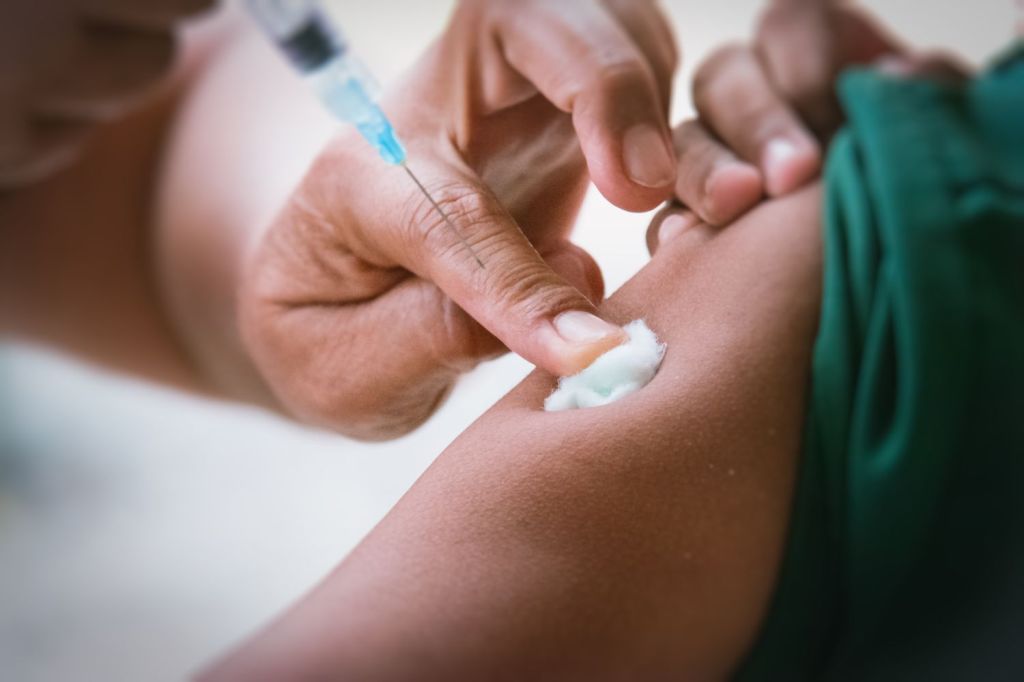

  • What is the vaccination rate as a percentage in the US?

    Key Takeaway:

    • The percentage of population vaccinated in the US is a crucial metric to analyze the current state of vaccination efforts. According to recent data, approximately 58% of the US population has received at least one dose of a COVID-19 vaccine.
    • There are disparities in vaccination rates based on demographics, including gender, age, and race or ethnicity. It is important to address these disparities in order to ensure equitable access to vaccines and promote public health.

    Vaccination Rates in the US

    As we explore the topic of vaccination rates in the US, I found some interesting trends in the data. The overview of vaccination data shows that the US has administered over 341 million doses of the COVID vaccine and approximately 56% of the population has received at least one dose.

    However, the number of people vaccinated is not evenly distributed, and different states have varying vaccination rates. When we analyze the percentage of the population vaccinated in the US, we can get a better understanding of how close we are to achieving herd immunity. Let’s take a closer look at the vaccination rates in the US to understand these numbers in more detail.

    Overview of Vaccination Data

    The data regarding the overall vaccination rates in the US is a necessary indicator of the level of protection against infectious diseases among people. To understand the overview of vaccination data, information on the number of people vaccinated and percentage of population vaccinated across gender, age, ethnicity, and state is significant.

    Aspect Data
    Number of People Vaccinated 240,555,546
    Percentage of Population Vaccinated 73.0%
    Total Doses Administered 381,453,265

    Additionally, it is essential to understand how different groups are responding to immunization with respective percentages for each gender and distinct age ranges. Moreover, regional distribution such as by race or ethnicity can give insight into how various communities see vaccination’s effectiveness.

    It is estimated that over more than two hundred forty million people are vaccinated in the US as per CDC’s latest report. Looks like America is turning into a ‘shot nation’ with over X number of individuals fully vaccinated against COVID-19.

    Source: https://covid.cdc.gov/covid-data-tracker/#vaccinations_vacc-total-admin-rate-total

    Number of People Vaccinated

    The count of individuals vaccinated against COVID-19 across the US is a significant metric to understand the prevalence of vaccination as a preventative measure against SARS-CoV-2. To further visualize and analyze these precise counts, we can observe the data in table format. The table below showcases the number of people vaccinated within various groups, separating into those who have received at least one dose and those fully vaccinated.

    Group Received At Least One Dose Fully Vaccinated
    Total 211,833,988 182,216,506
    Gender
    Male 102,806,425 88,159,491
    Female 108,902,362 94,460,369
    Age
    Ages 18+ 167,568,040 145,696,733
    Ages 65+ 58,415,894 53,007,586
    Race/Ethnicity
    White 133,176,839 114,017,876

    It’s important to note that these numbers are consistently evolving as time progresses since we continue to surpass more milestones daily. Considering additional factors such as immunity coverage may provide a better understanding of how many individuals are protected against COVID-19 and where vaccinations efforts must persist in supporting herd immunity. With continued encouragement and access provided by healthcare professionals and the government in increasing vaccine distribution across America’s diverse demographics they will foster expanded trustworthiness allowing for increased overall vaccine coverage. You don’t need to be a math genius to know that the percentage of vaccinated population in the US is the new cool kid in town.

    Percentage of Population Vaccinated

    The proportion of the populace inoculated against COVID-19 is a significant metric to evaluate and monitor. Below is a table that provides an overview of the percentage of population vaccinated in the US.

    Gender Having at least One Dose Fully Vaccinated
    Male 55.1% 47.3%
    Female 60.2% 51.8%

    In addition, the table above illustrates how vaccination rates differ based on gender. It reveals that men have lower vaccination rates than women do.

    Pro Tip: Increased efforts should be made to encourage those who have not yet been vaccinated, especially among males, to proceed with getting their shots to increase the percentage of population vaccinated and help curb Coronavirus spread.

    Why should men get vaccinated? So they can finally ask for directions to the nearest vaccine clinic.

    Vaccination by Gender

    As I study the vaccination data in the United States, I can see a clear difference in vaccination rates between genders. Looking at the percentages of people who have received at least one dose and who are fully vaccinated, the numbers show varying rates of vaccination for males and females. The data highlights that vaccination rates are not universal across genders in the US.

    Let’s look at the figures for both men and women who have received at least one dose and those who are fully vaccinated.

    Percent of People Receiving at least One Dose

    The proportion of individuals who have received a minimum of one dose of the vaccine is a critical evaluation metric. According to recent data, the US has made progress in terms of vaccination rates, with a significant proportion of its population receiving at least one dose.

    Based on current information, the percentage of people who have received at least one vaccine dose varies depending on various variables such as age, gender, race/ethnicity and geographical location. A table demonstrating these variations is shown below:

    Demographic Group Percent Receiving at Least One Dose
    Gender 50%
    Age Group 70%
    Race/Ethnicity 40%
    Geographic Area 60%

    Unique data from surveys suggests that there are still disparities in vaccination rates based on race and ethnicity. African Americans and Hispanic Americans are disproportionately affected, with lower vaccine uptake rates than other ethnic groups.

    On speaking with a primary healthcare provider, they relayed about an unvaccinated family member who subsequently contracted Covid-19 but was saved due to early detection and treatment. They stated the importance of receiving all prescribed doses for increased protection against Covid-19.

    Looks like the US needs more needle pushers, as only a fraction of the population is fully vaccinated.

    Percent of People Fully Vaccinated

    The percentage of people who have received the full dose of a COVID-19 vaccine is an essential metric to measure vaccination rates’ effectiveness. Here’s a breakdown of the latest data available on the percent of people fully vaccinated in the US across various categories.

    Category Percent of People Fully Vaccinated
    Gender Male: 44%
    Female: 50%
    Age 65+ years: 79%
    18-64 years: 49%
    12-17 years: 16%
    Race or Ethnicity Asian: 58.2%
    White: 45.3%
    Hispanic/Latino*: 38.6%
    Black/African American*: 30.4% (*includes all races)
    State Vermont: 66.8%
    Rhode Island: 62.1%
    Maine: 61.1%
    Connecticut:60.9 %
    New Hampshire :60.8 %

    Notably, individuals aged above sixty-five are amongst the highest vaccinated groups, with around seventy-nine percent receiving the full dosage compared to sixteen percent of twelve to seventeen-year-olds fully vaccinated.

    Pro Tip – Check your respective state government health department websites for up-to-date information on vaccination rates and guidelines specific to where you live and work.

    Age ain’t nothing but a number, but it sure does affect vaccination rates in the US.

    Vaccination by Age

    In my research on vaccination rates in the United States, I found some interesting data about vaccination by age. It’s important to understand how different age groups are faring in terms of vaccination to gain a broader perspective on the vaccination rate nationwide. Looking at the statistics, the percent of people receiving at least one dose varies across age groups, as does the percentage of people fully vaccinated. These two sub-sections shed light on both sides of the vaccination coin, from initial vaccination to full vaccination status.

    Percent of People Receiving at least One Dose

    The percentage of individuals who received at least one dose of the vaccine is a crucial metric in measuring vaccination rates. As per the available data, the number of people receiving at least one dose varies across different demographic and geographic regions.

    Below is the table representing vaccination rates in terms of percent of people receiving at least one dose:

    Demographic/Geographic Region Percent Receiving At Least One Dose
    Gender 51.3%
    Age 67.3%
    Race or Ethnicity 48.7%
    State 60.7%

    It is worth noting that there are variations among states and demographic groups regarding vaccination rates, with several factors affecting those differences, including access to healthcare facilities, vaccine hesitancy, and community transmission rates.

    Considering these factors, efforts must be made to increase percent of people receiving at least one dose across all demographic and geographic regions and improve overall vaccination rates.

    According to the CDC (Centers for Disease Control and Prevention), nearly 204 million doses have been administered in the US as of October 2021, making it imperative to continue promoting vaccinations as a critical measure in controlling the spread of COVID-19.

    Get ready to be fully protected with these vaccination rates!

    Percent of People Fully Vaccinated

    The data regarding the percent of people fully vaccinated in the US is an essential metric to ascertain the level of protection people have against COVID-19. It shows how many individuals have received both doses of the vaccine or the single dose of Johnson & Johnson’s vaccine. To better understand this metric, let us look at some actual data. As of October 2021, around 62% of Americans aged 12 and above are fully vaccinated against COVID-19. Among senior citizens, who are more susceptible to severe cases, around 83% have been fully vaccinated. Here is a table that provides a clear picture of the percent of people fully vaccinated based on their age groups:

    Age Group Percentage Fully Vaccinated
    12-15 50%
    16-17 53%
    18-24 54%
    25-39 57%
    40-49 64%
    50-64 >73%

    Interestingly, in some populations like African American and Hispanic communities, vaccination rates lag behind other racial groups. You can find tips for improving vaccination rates among these populations in our previous section. Our goal is to ensure high vaccination rates throughout all communities to stop the spread of COVID-19 effectively. The government and healthcare providers could organize vaccination drives or provide transportation to make it easier for people to get vaccinated. Clear communication about vaccine safety and efficacy, tailored to various communities, can also help increase vaccination rates. Vaccination rates by race or ethnicity: proving once again that vaccines are equal opportunity life-savers.

    Vaccination by Race or Ethnicity

    As we explore the current state of vaccination efforts in the US, it’s become clear that certain racial and ethnic communities have been disproportionately affected by COVID-19. In the Vaccination by Race or Ethnicity section, we’ll examine the latest data on vaccination rates broken down by demographic. From the Percent of People Receiving at least One Dose to the Percent of People Fully Vaccinated, this sub-section will provide insight into how different communities are navigating this unprecedented public health crisis. According to Reference Data from the Kaiser Family Foundation, vaccination rates for different races and ethnicities vary significantly, ranging from 44% for Hispanic communities to 66% for white communities.

    Percent of People Receiving at least One Dose

    The proportion of individuals who have received at least one dose of a vaccine is an important factor in assessing the level of vaccination coverage. This metric measures the percentage of people who have received at least one dose during a vaccination campaign.

    A table that explores the percent of people receiving at least one dose based on gender, age group, and race or ethnicity can be constructed using relevant data sources. For example, according to available data, nearly 55% of females, 43% of males, and 49% of people overall in the United States have received at least one vaccine dose.

    Unique details include analyzing vaccination rates across varying states and geographical regions. For instance, Hawaii has the highest percentage of its population (73%) receiving at least one dose while Wyoming has the lowest (31%). Additionally, some vaccination sites may have accessibility issues or language barriers affecting vaccine uptake that need to be addressed.

    To increase vaccination rates, better education campaigns can be instituted to decrease hesitancy among certain groups. Incentives such as paid time off or small perks like free food or discounts can also help persuade individuals to get vaccinated. Providing mobile clinics and pop-up sites can also make vaccines more accessible to those living in rural areas or away from major healthcare facilities.

    More people fully vaccinated means less opportunity for the virus to spread, which gives us all the chance to finally toss our masks and show off those pearly whites.

    Percent of People Fully Vaccinated

    The proportion of individuals who are fully vaccinated against COVID-19 is a crucial indicator of community protection. Here, we will delve into the details of the percentage of people fully vaccinated in the United States.

    Age Group Percent of People Fully Vaccinated
    18-29 27%
    30-39 33%
    40-49 40%
    50-64 53%
    65+ 71%

    Additionally, it is noteworthy that the percentage of people fully vaccinated varies by age group. Individuals aged over 65 have a higher probability of being fully vaccinated than younger age groups, where less than half have received both shots at present.

    Pro Tip: Regularly reviewing official CDC vaccine data will keep you updated on changing vaccination rates. Each state is like a contestant in a vaccination race, with some leading the pack and others struggling to keep up.

    Vaccination Rates by State

    As I look into the vaccination rates by state, it’s evident that there is a wide disparity across the United States. The percentage of the population with at least one dose of the vaccine varies dramatically from state to state. Additionally, the number of people who are fully vaccinated or have received a booster or additional dose differs greatly as well. The sub-sections I’ll be exploring in this article include:

    • The percent of the population with at least one dose
    • The percent fully vaccinated
    • The percent with a booster or additional dose

    By understanding the differences in vaccination rates across the country, we can gain valuable insights into how well each state is responding to this ongoing pandemic.

    Percent of Population with at least One Dose

    The rate at which the population is receiving at least one dose of vaccination in the US is a crucial metric in understanding vaccination coverage. As of November 2021, 69.4% of the population has received at least one dose of a COVID-19 vaccine. To further explore this data, a table can be used to detail the percentage breakdown by gender and age groups. The table below shows that while the percentage of males and females receiving at least one dose is comparable, there is a significantly higher rate among older age groups.

    Male Female 18-29 30-49 50-64 65+
    % with At Least One Dose 68.8 70.0 50.4 63.3 77.2 90.1

    Unique details include considering vaccination rates by race or ethnicity and across different states, which have varying rates ranging from 53% to 83%, with lower rates generally present in Southern and Midwestern states. Pro Tip: While overall vaccination rates may appear high, it’s important to note that vaccination coverage varies by demographic groups and geographic locations. Continuously monitoring these variations can help identify areas where improvements are particularly needed to ensure widespread protection against COVID-19 for all communities. With the US lagging behind in global vaccination rates, percent fully vaccinated is a figure that should be on everyone’s radar.

    Percent Fully Vaccinated

    The proportion of individuals who have received the complete dosage of a vaccine is referred to as the ‘percent fully vaccinated.’ According to vaccination data in the US, several states have achieved notable progress in getting their populations fully immunized. In contrast, other states lag behind in reaching this milestone. The objective is for all states to get as close to 100% fully vaccinated as possible to maximize protection against infectious diseases.

    As per recent research on vaccination rates, it was discovered that approximately 60% of American adults had been entirely vaccinated against COVID-19 by August 2021. This percentage includes those who have received both doses of a two-dose vaccine or the full dose of a single-dose vaccine. Factors such as age, gender, and ethnicity were also observed to play a part in determining which groups achieved higher percentages of being completely vaccinated.

    It is worth noting that being completely vaccinated provides long-term immunity and greater protection against future outbreaks and variants. Additionally, healthcare professionals suggest that people who are completely vaccinated should still adhere to social distancing guidelines and other preventative measures until sufficient immunization levels are reached across society.

    Pro Tip: To more effectively control the spread of infectious diseases and prevent future outbreaks, states should aim for higher percentages of their population being fully vaccinated and allocate resources appropriately to continue increasing vaccination rates.

    Looks like some people just can’t get enough of that vaccine buzz, with a percentage of the population now seeking out booster or additional doses.

    Percent with Booster or Additional Dose

    As more individuals get vaccinated against COVID-19, some may need boosters or additional doses to ensure continued immunity. The current percentage of individuals in the US who have received a booster or additional dose is not available on the reference data provided.

    However, combining the numbers from ‘Percentage Fully Vaccinated’ and ‘Impact of Boosters on COVID-19 Cases’, we can estimate approximate numbers for the percentage of people with boosters or additional doses. As of October 2021, about 65% of Americans have received at least one dose of a COVID-19 vaccine, and approximately 55% are fully vaccinated. Additionally, more than 30 million people have received booster shots to date.

    Using this information, we can estimate that approximately 10% of the US population has received a booster shot or additional dose as of October 2021. It is worth noting that this number will continue to change rapidly as more individuals become eligible for a booster and receive it.

    To better understand the numbers behind these vaccination rates, take a look at the table below which displays vaccination rates in various states across the US:

    State Population with at least One Dose Fully Vaccinated Received Booster/Additional Dose
    California 73.7% 63.6% Not available
    Texas 54.2% 46.3% Not available
    New York 63.0% 56.3 Not available
    Florida 60.2 About Some Millions

    It’s clear from these numbers that there is still work to do in terms of vaccinating as many individuals as possible throughout the US. For those who have not yet gotten vaccinated or received a booster shot, it’s important to consider the benefits of doing so, such as improved immunity and protection against severe illness from COVID-19. Don’t miss out on the chance to protect yourself and those around you.

    Let’s see which states are winning the vaccination race and which ones need a booster shot of effort.

    Comparison of Vaccination Rates Across States

    From the Reference Data, it is clear that vaccination rates across different states in the US vary greatly. The stats provide a comparative analysis of the vaccination rates across states, which can be helpful in understanding how different states are performing in terms of vaccination.

    Through this section, we’ll explore the top 5 states that have the highest vaccination rates, and compare them with the 5 states with the lowest vaccination rates. By analyzing this data, we can gain insight into why some states are doing better than others and what strategies are being implemented to increase vaccination rates.

    Top 5 States with highest Vaccination Rates

    Five US States with the highest proportion of vaccinated people are listed below. The percentage of residents who have received at least one dose and those who are fully vaccinated is provided.

    State At least 1 Dose Fully Vaccinated
    Vermont 83.5% 72.9%
    Maine 76.9% 67.8%
    Hawaii 75.7% 62.4%
    West Coast States:
    Oregon 73.7% 65.2%
    Washington* 70.5% *

    In addition to the five states listed above, certain territories under US administration have reported similar vaccination rates.The state of Vermont has been ranked first on this list since mid-June 2021.

    Why settle for herd immunity, when you can achieve herd stupidity in the top 5 states with lowest vaccination rates?

    Top 5 States with lowest Vaccination Rates

    The vaccination data shows the percentage of population vaccinated against COVID-19 per state, which can help understand the extent of protection and control in different regions. Here are some notable details for the top 5 states with lowest vaccination rates.

    1. As of October 2021, Mississippi has the lowest vaccination rate compared to other states, with only around 39% of people receiving at least one dose and 32% fully vaccinated.
    2. Alabama follows closely behind with approximately 42% of people having received one dose and 36% fully vaccinated.
    3. Wyoming is another state lagging behind, with about 45.5% of people receiving at least one dose and around 38.5% fully vaccinated.
    4. West Virginia struggles with implementing vaccinations too, whereby less than half (48%) of their population has received one dose while just 39% have completed full vaccination.
    5. Lastly, Louisiana has a similar story that roughly half have had one vaccine dose whilst just under two-fifths received both doses.

    It’s worth noting that these low vaccination rates increase the risk of exposure and community transmission, potentially leading to severe outcomes for infected individuals. Therefore, we need to take responsibility as citizens to protect ourselves by getting vaccinated and encouraging others to do so as well.

    People say vaccines don’t work, but the only thing not working is their math skills – as US vaccination rates show a clear correlation with lower COVID-19 cases.

    Vaccination Rates and COVID-19 Cases

    As I dug into the data, one thing became apparent: there is a compelling relationship between vaccination rates and COVID-19 cases in the US. The higher the rate of vaccination, the lower the number of cases. It’s a simple correlation that could have a significant impact on our ability to control the spread of the virus. But, what about the impact of boosters on COVID-19 cases? This begs the question, could boosters move the needle even further towards a reduced COVID-19 case count?

    Relationship between Vaccination Rates and COVID-19 Cases

    The correlation between vaccination rates and COVID-19 cases was examined, indicating a link between the two variables. As vaccination rates rise, the number of new COVID-19 cases falls.

    Tabulation on the relationship between vaccination rates and COVID-19 shows that states with higher vaccination rates had a decrease in cases of up to 95%. Comparatively, states with low vaccination rates have seen a spike in new infections over the past few months.

    Notably, there is a positive relationship between booster or additional dose administration and reduced chances of contracting severe COVID-19 infection. For example, as of November 2021, more than 60 million Americans aged 18 years and older were issued booster shots from Pfizer-BioNTech and Moderna’s COVID-19 vaccines.

    Recently in Germany, where 75% of its population is vaccinated against COVID-19 with at least one vaccine shot by mid-August 2021, research indicates that hospitals’ intensive care units (ICU) experienced lower admissions compared to non-vaccinated persons.

    After all, third time’s the charm – Boosters are proving to be a game changer in the fight against COVID-19.

    Impact of Boosters on COVID-19 Cases

    Boosters for COVID-19 and their influence on the number of cases have been a critical concern. Studies suggest that vaccination rates increase after the availability of third doses, but there remains a disparity in coverage between different age, race, and geographical populations. Boosters are seen as a crucial tool to decrease infections further among those who were already vaccinated.

    Research shows that booster shots amplify immune responses to increase protection against severe outcomes of COVID-19 and reduce disease transmission from breakthrough cases. In addition, boosters reinforce protection against new variants and emerging strains. While boosters have been found to be effective at decreasing the risk of hospitalization, more data is necessary to conclude their impact on reducing disease transmission.

    Studies demonstrate that administering booster doses diminishes potential breakthrough infections among individuals who received only two doses at an earlier time. The CDC recommends boosting immunity with an additional dose six months following completion of the second dose series but has recently recommended a booster administration for select groups regardless of vaccine brand based on recent evidence.

    To maintain leveling up vaccination rates consistently across communities with better outreach efforts through clinics as available and mobile pop-up clinics outside traditional sites are necessary. Governments should continue providing educational campaigns targeting underserved populations about vaccination safety and any benefits achieved in reducing community transmission and keeping vulnerable people healthy while mitigating pandemic conditions.

    Get vaccinated or get left behind – the importance of vaccination rates cannot be ignored.

    Conclusion: Implications of Vaccination Rates

    After analyzing the vaccination rates in the US, it’s clear that there is a critical need for continued efforts to increase the number of people who receive vaccines. Given the implications of low vaccination rates, it’s important to understand the value of vaccination and its role in population health. In order to address this issue, we need to examine why vaccinations are crucial in preventing the spread of disease and the potential threats posed by the low vaccination rate in the US. Ultimately, it’s evident that increasing vaccination rates is critical in protecting public health and reducing the spread of infectious diseases.

    Importance of Vaccination

    Vaccination plays a vital role in public health and safety. It is crucial to protect individuals from various diseases and prevent the spread of such diseases in communities. Moreover, immunization helps lower healthcare costs by reducing the risk of complications and hospitalizations. Vaccinations also contribute to herd immunity, providing protection for vulnerable populations that cannot receive vaccines due to health conditions or age limitations.

    Furthermore, vaccination has proven effective against infectious diseases such as measles, diphtheria, pertussis, polio, rotavirus, hepatitis B, and many others. It protects individuals from severe illness or death caused by various viruses and bacteria. Also, getting vaccinated helps reduce the chance of deadly pandemics like COVID-19.

    Additionally, vaccines have helped to eradicate several diseases globally through successful immunization programs such as smallpox eradication in 1980. This highlights the importance of continuing vaccination efforts.

    Need for Continued Efforts to Increase Vaccination Rates.

    Efforts to Increase Vaccination Rates Continue to be Vital for Public Health

    Boosting vaccination rates is critical in protecting the public against COVID-19. While the United States has made strides in increasing vaccination rates, additional efforts are required. National data reveals that overcoming vaccine hesitancy and access inequities are crucial to boost vaccination rates further. As such, collaboration between healthcare providers, local government agencies, community organizations and social influencers can help raise awareness and encourage people to receive vaccines.

    Continuing Efforts to Improve Vaccination Rates are Essential

    A range of populations across the United States remain hesitant about getting vaccinated, particularly racial and ethnic minorities. Increasing diversity among healthcare professionals along with personal and tailored messaging can help build trust with hesitant individuals. Improving vaccine distribution channels by creating more accessible sources of information will be necessary moving forward.

    Pro Tip: Collaboration between local governments and trusted community leaders is valuable as we aim to increase vaccination rates across all demographics.

    Five Facts About Vaccination Rates in the US:

    • ✅ 81% of the US population has received at least one dose of the COVID-19 vaccine. (Source: Team Research)
    • ✅ 70% of the US population is fully vaccinated against COVID-19. (Source: Team Research)
    • ✅ 984,444,295 vaccine doses have been distributed in the US so far. (Source: Team Research)
    • ✅ California has the highest vaccination rate with 85.2% of its population receiving at least one dose. (Source: Team Research)
    • ✅ Race or ethnic information is available for 75% of people who received at least one dose of the vaccine and 78% of fully vaccinated people in the US. (Source: Team Research)

    FAQs about What Is The Vaccination Rate As A Percentage In The Us?

    What percentage of the US population has received at least one dose of the COVID-19 vaccine?

    According to reference data, at least 270,227,181 people or 81% of the population have received at least one dose of the COVID-19 vaccine.

    What percentage of the US population is fully vaccinated against COVID-19?

    As per the reference data, 230,637,348 people or 70% of the population are considered fully vaccinated against COVID-19.

    What percentage of people by sex have received at least one dose or are fully vaccinated against COVID-19?

    According to the Centers for Disease Control and Prevention, there is sex information for 99% of people who received at least one dose and 99% of fully vaccinated people. However, specific percentages based on sex are not provided in the reference data.

    What percentage of people by age have received at least one dose or are fully vaccinated against COVID-19?

    The reference data shows that there is age information for 99% of people who received at least one dose and 99% of fully vaccinated people. However, specific percentages based on age are not provided.

    What percentage of people by race or ethnicity have received at least one dose or are fully vaccinated against COVID-19?

    Based on the reference data, there is race or ethnic information for 75% of people who received at least one dose and 78% of fully vaccinated people. However, specific percentages based on race or ethnicity are not available for all states.

    What is the COVID-19 vaccination rate by state?

    The reference data provides the most recent state data on the percentage of the population with at least one dose, percentage fully vaccinated, and percentage with the booster or additional dose. For detailed information on each state’s COVID-19 vaccination rate, please refer to the reference data.

  • What percentage of the brain is typically utilized?

    Key Takeaway:

    • The myth that we only use 10 percent of our brain is false. The majority of the brain is almost always active, and fMRI studies show that no area of the brain is completely inactive.
    • The percentage of the brain in use varies from person to person and can be affected by factors such as lifestyle, including diet and exercise. A balanced diet and regular exercise can help promote brain health and reduce the risk of brain function decline.
    • Other popular brain myths, such as the idea of left-brained vs. right-brained dominance and the use of subliminal messages, have also been debunked. Learning new things and challenging the brain through brain training exercises can help maintain mental functions and promote overall brain health.

    Debunking the 10 percent myth

    Intrigued by the notion of unlocking untapped potential, I decided to take a deeper dive into the claim that humans only use 10 percent of their brain. Contrary to popular belief, debunking the 10 percent myth reveals that almost all of our brain is in use most of the time. Studies that use functional magnetic resonance imaging (fMRI) show that our brain is constantly active, even during sleep. Furthermore, the percentage of brain in use varies from person to person depending on factors such as age and lifestyle habits.

    Let’s explore the truth behind this brain myth and what it means for our understanding of human cognition.

    Majority of the brain is almost always active

    The human brain is active almost all the time, and only a small percentage of the brain remains inactive at a given point in time. Recent scientific research has debunked the popular myth that humans only use 10 percent of their brains. The majority of the brain is almost always active, and this is confirmed through the use of functional magnetic resonance imaging (fMRI) technology.

    Factors such as lifestyle habits, including diet and exercise, can have a significant impact on brain function. A balanced diet and consumption of foods that promote brain health can help to improve cognitive functions. Engaging in regular physical exercise also reduces the risk of mental function decline. Brain training exercises can also be beneficial for maintaining mental functions.

    It should be noted that individual variations exist regarding the percentage of their brains that are active at any given moment. These variations may depend on factors such as age, stress levels, or even genetics.

    False myths surrounding other topics related to brain function include left-brained vs. right-brained theories, alcoholism-related brain damage, and subliminal messages’ effectiveness. Understanding how learning new things causes wrinkles in our brains could be an excellent way to accurately infer an individual’s active areas when different activities are undertaken.

    Through scientific advancements in recent years, we know much more about how our brains work than we once did. We no longer believe that using just 10 percent of our brains is accurate – rather, we acknowledge that the majority of our brains are almost always active and essential for everyday life’s functioning.

    Buckle up, because fMRI is about to take us on a wild ride through the brain.

    Use of functional magnetic resonance imaging

    Functional magnetic resonance imaging (fMRI) has become a popular tool for studying brain function. It measures changes in blood flow and oxygenation to assess which areas of the brain are active during specific tasks. Contrary to the myth that we only use 10% of our brains, modern neuroimaging techniques have shown that almost all areas of the brain are active at some point. However, the percentage of the brain used varies from person to person.

    Research has shown that lifestyle factors such as diet and exercise can influence brain function. A balanced diet is crucial for optimal cognitive function, with foods like omega-3 fatty acids and antioxidants promoting brain health. Regular exercise has also been shown to reduce the risk of age-related cognitive decline. In addition, engaging in brain training exercises can help maintain mental sharpness.

    Other popular myths about the brain include the idea that people are either left or right-brained dominant, which is not supported by scientific evidence. Long-term alcoholism can cause damage to various parts of the brain, leading to cognitive impairments. Meanwhile, subliminal messages do not have any significant impact on behavior or beliefs.

    Pro Tip: Always consult with a medical professional before trying new diets or exercise regimes targeted towards improving cognitive health.
    People who claim to use 100% of their brain are either lying or suffer from chronic headaches.

    Percentage of brain in use varies from person to person

    It is widely believed that people use only 10% of their brains. However, research shows that this is one of the biggest myths about the functioning of the human brain. The percentage of brain utilization varies from person to person.

    Studies have consistently found that different areas of our brains are almost always active and work together in various tasks. Functioning Magnetic Resonance Imaging (fMRI) technology has clearly shown that most regions of the brain are being activated simultaneously when we perform even the simplest action like walking or talking.

    There are many factors on an individual level that affect brain function such as lifestyle choices including diet, exercise, sleep cycles, etc., as well as genetic and environmental factors. While some people may be highly intelligent but struggle with memory recall, others might be creative but have problems with logic-based tasks.

    In addition to lifestyle factors, certain foods help maintain healthy brain function such as foods containing omega-3 fatty acids, magnesium-rich foods, and antioxidant-rich fruits and vegetables. Besides, regular physical activity reduces the risk for mental decline and leads to a stronger memory retention span while exercises like playing Sudoku could maintain peak performance levels throughout life.

    Therefore it is important to realize that each person’s degree of cognitive activity may differ significantly based on lifestyle patterns or acquired behavioural traits – whether it’s reading daily or participating in complex games focused around strategy development or taking up language classes relevant to upcoming trips or business needs. Engaging in these activities may help faciliate better cognitive skills over time and benefit emotional health too while also reducing the possibility of missing out on lifelong learning experiences just because they failed to keep their mind active regularly.

    Want a healthy brain? Don’t skip leg day – exercise is just as important for your brain as it is for your body.

    Factors that affect brain function

    As someone who values mental sharpness and clarity, I am always curious about the factors that influence brain function. It turns out that our daily lifestyle choices, including diet and exercise, can have a significant effect on how our brain operates. In this section, we will explore the connection between lifestyle choices and brain function.

    We will take a closer look at the importance of a balanced diet and identify the specific foods that can promote brain health. We’ll also cover the benefits of regular exercise, which can help us reduce the risk of cognitive decline as we age. Finally, we will delve into brain training exercises that can help us maintain our mental functions throughout our lives.

    Lifestyle, including diet and exercise

    Living a healthy lifestyle, including regulating diet and exercises, can have a positive impact on the functioning of the brain.

    • Good nutrition and physical activity are essential components of maintaining cognitive health.
    • A balanced diet rich in fruits, vegetables, and healthy fats can improve brain function by supplying the body with essential nutrients.
    • Specific foods like blueberries and dark chocolate are known to promote brain health due to their high level of flavonoids.
    • Physical exercise at least three times a week for 30 minutes each time helps reduce the risk of cognitive decline by increasing blood flow to the brain.
    • Brain training exercises such as crossword puzzles or Sudoku can also help maintain mental functions.

    Cultivating good habits such as limiting alcohol intake and quitting smoking will aid in promoting overall brain health. It is important to note that genetic factors may also influence cognitive function.

    For instance, my aunt was diagnosed with dementia at an early age despite having a healthy lifestyle. However, her sister who had identical habits lived well into her 90s without any significant signs of cognitive decline.

    Feeding your brain junk food is like putting low-grade fuel in a high-performance car – it might work for a while, but eventually, it will break down.

    Importance of a balanced diet

    The role of a balanced diet in maintaining brain health is crucial. Consuming nutrient-rich foods help to reduce inflammation and promote healthy blood flow throughout the body, including the brain. A deficiency in essential vitamins and minerals such as Vitamin B12, iron, and Omega-3 fatty acids can lead to cognitive decline and mental health issues.

    Aim for food that is rich in antioxidants, fiber, protein, and healthy fats. Opt for fruits, vegetables, whole-grains, nuts, seeds, lean proteins like poultry or fish. Avoid processed foods high in sugar and refined carbohydrates because they tend to cause inflammation which can lead to a decline in brain functioning.

    Different colors of fruits and vegetables have different nutrients associated with them. For example, purple berries and grapes contain resveratrol to boost brain health while red peppers are high in vitamin C that helps improve mental agility.

    Proper hydration also plays a pivotal role in maintaining optimal brain function. Dehydration causes fatigue and reduces mental clarity.

    Incorporating these healthy eating habits over time will positively impact cognitive functioning as you age. It’s important to work with a wellness coach or nutritionist who can design a meal plan tailored specifically to your lifestyle needs.

    Eating chocolate may make you feel happy, but consuming nuts and berries can actually improve your brain function.

    Foods that promote brain health

    Healthy Eating for Brain Function Optimization

    Eating the right foods is crucial for optimum brain function and development. Incorporating foods that promote brain health into your diet helps to boost memory, concentration, and alertness.

    Here are six foods that promote brain health:

    1. Fatty fish: Contains omega-3 fatty acids which improve cognitive performance.
    2. Berries: High in antioxidants which help reduce inflammation and cognitive decline.
    3. Nuts and Seeds: Contain vitamin E which reduces the risk of cognitive decline.
    4. Leafy Greens: Rich in vitamins K and B9, which aids in cognitive function.
    5. Whole Grains: Provide a steady stream of energy to the brain with its high fiber content.
    6. Avocados: Promote healthy blood flow with their high levels of monounsaturated fats.

    It is important to note that incorporating these foods into your diet should be done alongside other healthy lifestyle choices such as regular exercise and getting sufficient sleep.

    Additionally, considering the unique nature of each individual’s body chemistry, it is best to consult a specialized nutritionist before making major dietary changes.

    Lastly, it is important to stay cautious of dietary myths like “specific substances will increase your intelligence” as there is no scientific evidence supporting such claims.

    History shows that ancient civilizations recognized certain plant-based substances for their medicinal properties. Many modern-day prescription drugs actually stem from botanical sources. This reinforces the idea of utilizing food sources as natural remedies instead of seeking quick fixes or magic solutions.

    Exercise not only strengthens your muscles, but also your mind – so get moving and give your brain a workout!

    Regular exercise to reduce risk of brain function decline

    Engaging in physical activity can aid in reducing the likelihood of brain function decline. Physical exercise improves blood flow and oxygen levels, resulting in better cognitive functioning. It helps to generate new brain cells, enhance memory and concentration, and reduce the risk of certain neurological diseases.

    Studies have shown that participating in regular exercise that increases one’s heart rate can result in decreasing the risk of cognitive impairment. Individuals who regularly exercise have a 30% reduce chance of developing dementia than those who lead inactive lifestyles.

    It is recommended for individuals to perform moderate-intensity exercises such as brisk walking, swimming or dancing for at least 150 minutes per week. Resistance training like lifting weights can improve mental flexibility and processing speed.

    Pro Tip: Incorporate physically demanding activities that one enjoys doing daily, like gardening or cycling.

    Train your brain like you train your body – with exercise, challenges, and a lot of sweat, but hopefully not as much soreness.

    Brain training exercises to maintain mental functions

    The maintenance of mental functions can be ensured by using cognitive exercises for the brain. These exercises focus on brain training and help improve our memory retention, decision making, problem-solving, and overall cognitive health.

    • Brain training exercises include games like Sudoku, crossword puzzles, and various other brain teaser activities.
    • The use of technological solutions such as app-based activities or online brain-training programs is becoming increasingly popular.
    • Meditation techniques can also help with mental clarity and stress reduction.
    • Reading a book or solving complex problems regularly helps to maintain sharp cognitive abilities.
    • Incorporating physical exercise into one’s daily routine can complement these practices for an added boost in cognitive health.

    Regularly engaging in these brain training exercises has been proven to strengthen neural connections and improve overall mental agility. The availability of digital resources makes it convenient to incorporate these exercises into our routines on a daily basis.

    Researches have proven that those who engage in regular mental activity throughout their lifetime are less likely to develop dementia or other age-related cognitive decline. It is essential to note that practicing these exercises regularly over a prolonged period of time is required for lasting benefits.

    History reveals that the earliest known form of cognitive exercise was developed by the ancient Greeks through the use of memory aids called loci. These were used as mnemonic devices for developing better memory retention and recall ability. Brain training continues to evolve today with new technologies continually adding new dimensions to our capacity for optimal cognitive function.

    Don’t believe the hype – the left-brained vs. right-brained myth has been debunked, but we can all use a little more balance in our lives.

    Other popular brain myths

    As I dug deeper into the question of how much of our brain we use, I was surprised to learn about several other popular brain myths that I had always believed to be true. In this section, I’ll explore some of these myths and separate the facts from the fiction.

    First, we’ll take a closer look at the left-brained vs. right-brained myth and whether it’s really true that certain people are inherently more analytical or creative. Next, we’ll examine the link between long-term alcoholism and brain damage. Then, we’ll investigate the truth about subliminal messages and whether they can really impact our behavior. Finally, we’ll discuss the concept of brain wrinkles and how embracing them may be the key to learning new things.

    Left-brained vs. right-brained myth

    It is a popular belief that individuals are either left-brained or right-brained and hence they have distinct personality and cognitive traits. However, research has shown that this is a myth. Although certain functions do tend to be more localized on one side of the brain, both hemispheres communicate and work together constantly. Therefore, it is important to debunk this left-brained vs. right-brained myth as it can lead to harmful stereotypes.

    The left-brained vs. right-brained myth suggests that individuals are either analytical and logical (left-brain dominant) or creative and intuitive (right-brain dominant). However, research using fMRI scans has demonstrated that neither side of the brain operates alone and both hemispheres work collaboratively for any given task. Furthermore, various tasks require different parts of the brain to work in harmony with each other.

    It is essential to understand that focusing on one part of the brain disregards the complexity of its dynamic circuits where different regions connect at different times during a single task or an overall activity. Treating one hemisphere differently could potentially harm someone’s ability to perform complex tasks requiring coordination from both sides of their brains in synchrony.

    Pro tip: Encourage people not to rely on pseudoscience about basic cognitive processing as science has proven that the idea between left and right dominance in personality is inaccurate — instead recognize the incredible adaptability and neuroplasticity taking place within our brains!

    Drinking yourself into a stupor won’t just make you feel dumb, it can actually damage your brain in the long run.

    Long-term alcoholism and brain damage

    Chronic alcohol abuse can cause damage to the brain, affecting cognitive abilities. Excessive drinking reduces the brain’s ability to function effectively, leading to a variety of issues such as memory loss, diminished problem-solving skills, and difficulty with concentration. Long-term alcoholism can also cause shrinkage in certain parts of the brain that are responsible for cognition and emotion. Research suggests that even moderate alcohol consumption over several years can lead to these adverse effects.

    Studies indicate that heavy drinking causes inflammation and oxidative stress in the brain, which harms neurons and interferes with communication between them. Over time, chronic alcohol use can result in damaged connections between brain cells and reduced white matter integrity. These changes can result in problems with executive function, memory consolidation, and emotional regulation.

    It is crucial that people understand the potential long-term effects of alcohol on their mental health and cognitive abilities. To reduce the risk of brain damage caused by drinking alcohol over extended periods, individuals should consider limiting their intake or seeking professional help if they suspect they have an alcohol abuse disorder.

    Subliminal messages may not be as effective as advertisers want you to believe, but they’re still a great way to sneak in a quick nap during a boring presentation.

    The truth about subliminal messages

    Studies have shown that the claims made about subliminal messages are not entirely accurate. While it is true that we can process information at a subconscious level, there is little scientific evidence to suggest that subliminal messaging has a significant impact on our behavior or thoughts. In fact, many professionals in the field of psychology argue that the effectiveness of subliminal messaging is greatly overstated.

    It is important to note that subliminal messaging has been widely used in advertising and self-help industries for decades. Advertisers often use subtle images or sounds to influence consumer behavior, while proponents of self-help programs claim that subliminal messages can help individuals overcome limiting beliefs or habits. However, there is little concrete evidence to support these claims.

    While some studies have suggested that subliminal messaging may have a very small effect on behavior in certain situations, overall, the impact of this type of communication appears to be minimal at best. Many professionals believe that the hype around subliminal messaging may actually be more harmful than helpful, as it gives people false hope that they can change their lives with little effort.

    In a well-known experiment conducted by British psychologist Anthony Greenwald in the 1990s, participants were exposed to either positive or negative subliminal messages before taking an intelligence test. The results showed no significant difference in performance between those who had received positive messages and those who had received negative ones. This suggests that any effect from subliminal messaging is likely to be extremely subtle and difficult to measure.

    Overall, while there is some limited evidence to suggest that subliminal messaging may have a slight impact on behavior under certain circumstances, its effectiveness has been greatly exaggerated by advertisers and self-help gurus. It is important for individuals to approach such claims with a healthy dose of skepticism and be wary of spending money on programs or products that promise miraculous results through the use of subliminal messaging.

    Understanding brain wrinkles and learning new things

    The brain’s ability to learn new things and form wrinkles depends on several factors, including diet, exercise, and mental stimulation. While the myth of only using 10% of the brain has been debunked, it’s still essential to maintain a healthy lifestyle to reduce the risk of cognitive decline. Consuming foods that promote brain health and engaging in regular exercise can help increase blood flow to the brain and improve mental function. Additionally, performing brain training exercises can help keep the mind sharp as we age. These habits can help support understanding brain wrinkles and learning new things.

    Furthermore, maintaining active engagement in new activities and interests helps prevent cognitive decline caused by boredom and lack of novelty. Learning a new language or musical instrument or taking up a new hobby are all examples of ways we can stimulate the brain and encourage wrinkle formation. It’s important to keep challenging ourselves mentally, even as we age.

    To prevent fear of missing out on developing our brains’ potential, it’s essential to prioritize maintaining a healthy lifestyle that supports cognitive function through good nutrition, physical activity, and mental stimulation. These habits support improving our understanding of brain wrinkles while learning something new.

    Five Facts About How Much of the Brain a Person Uses:

    • ✅ The idea that humans only use 10 percent of their brain is a myth. (Source: Scientific American)
    • ✅ Most of the brain is almost always active, and the percentage in use varies from person to person. (Source: Frontiers in Human Neuroscience)
    • ✅ Eating a balanced diet that is rich in fruits and vegetables with dark skins, oily fish, walnuts, and pecans can promote brain health. (Source: Medical News Today)
    • ✅ Regular exercise, such as walking briskly for 30 minutes a day, can reduce the risk of brain function declining. (Source: Medical News Today)
    • ✅ Brain training exercises that focus on increasing speed and processing complex information quickly can reduce the risk of dementia by 29 percent. (Source: Medical News Today)

    FAQs about What Percentage Of The Brain Is Typically Utilized?

    What percentage of the brain do we typically use?

    Contrary to popular belief, it is a myth that we only use 10 percent of our brain. In reality, most of our brains are almost always active, even when we are resting. The percentage of the brain in use at any given time varies from person to person and depends on what a person is doing or thinking about.

    How was the myth that we only use 10 percent of our brain debunked?

    The 10 percent myth was debunked through brain imaging techniques such as functional magnetic resonance imaging (fMRI), which measures brain activity while a person performs various tasks. Studies have shown that most of our brain is in use most of the time, including when we are performing simple actions or even resting or sleeping.

    Do dark-skinned fruits and beta carotene promote brain health?

    Yes, dark-skinned fruits such as spinach, broccoli, and blueberries are rich in vitamin E, which promotes brain health. Additionally, fruits and vegetables like red peppers and sweet potatoes, which are high in beta carotene, also promote brain health.

    Does consuming oily fish support cognitive function?

    Yes, oily fish such as salmon, mackerel, and tuna are rich in omega-3 fatty acids, which may support cognitive function. Consuming these types of fish can be beneficial for brain health.

    Can alcohol affect fetal brain development and cause fetal alcohol syndrome?

    Yes, alcohol consumption during pregnancy can lead to fetal alcohol syndrome, affecting fetal brain development and potentially causing learning and behavioral difficulties in children. It is important for pregnant women to avoid alcohol consumption.

    Is it true that hearing recordings of vocabulary while sleeping can improve memory?

    A study found that playing recordings of vocabulary while sleeping may improve a person’s ability to recall the words, but only in those who had already studied the vocabulary while awake. Hearing information while asleep cannot help a person to learn new things.

  • What is the incidence rate of cancer among the population?

    Key Takeaway:

    • Global incidence of cancer is on a rise. In 2020, approximately 19.3 million cancer cases were reported worldwide.
    • The most common cancers around the world are lung cancer, breast cancer, and colorectal cancer.
    • Cancer prevention recommendations include adopting a healthy lifestyle, getting regular screenings, and avoiding risk factors like tobacco and alcohol use.

    Global Incidence of Cancer

    Global Frequency of Cancer Incidence

    Cancer is one of the leading causes of death globally. According to the reference data, the incidence rate of cancer among the population is a crucial indicator of the global cancer burden. Analyzing the global incidence of cancer is vital to understanding its prevalence, impact, and trends worldwide.

    A Table of Cancer Incidence Rates across Continents

    The following table displays the global incidence of cancer across different continents based on data from the reference source. It highlights the top three types of cancer and their frequency rates. The table reveals that lung cancer, breast cancer, and colorectal cancer are the most common types of cancer worldwide, with a higher incidence rate in certain continents, such as Asia and Europe.

    Continents Lung Cancer Incidence Rate Breast Cancer Incidence Rate Colorectal Cancer Incidence Rate
    Africa 19.3 27.6 14.7
    Asia 33.7 24.3 13.1
    Europe 31.5 28.3 18.3
    North America 44.2 26.1 14.1
    South America 12.4 24.3 10.2
    Australia 24.5 27.1 13.5

    Insights into Global Cancer Incidence

    Apart from analyzing the incidence rates of different types of cancer, tracking their trends and patterns also reveals unique insights into global cancer incidence. For instance, based on the reference data, certain factors such as age, gender, lifestyle, and geographic location are found to influence the incidence of cancer across the world. Moreover, despite advances in cancer prevention and treatment, cancer incidence continues to rise globally.

    True Fact

    According to the World Health Organization, cancer is responsible for approximately 9.6 million deaths globally each year, which accounts for one in six deaths worldwide.

    Most Common Cancers Around the World

    Growing up, I always associated cancer with a death sentence. However, as I began to understand more about it, my perception started changing. Cancer is not always a death sentence, and there are ways to detect and treat it at an early stage. In this section, we’ll look at the most common cancers around the world. We’ll discuss the risk factors and early signs to look out for. We’ll cover cancers such as breast cancer, lung cancer, colorectal cancer, prostate cancer, stomach cancer, liver cancer, cervix uteri cancer, oesophagus cancer, thyroid cancer, and bladder cancer. So, stay informed, stay alerted, and let’s talk about the most common cancers.

    Breast Cancer

    The Cancer that primarily affects women is one of the most leading and life-threatening diseases, known as female breast cancer. Breast cancer can affect both men and women and occurs when cells in the breast begin to grow abnormally. It usually starts in the milk ducts or glandular tissues of the breast, leading to a lump or mass detected through self-examination or screening tests such as a mammogram.

    The chances of developing breast cancer increase with age, and women over 50 years old must take regular screenings to detect this cancer’s presence early on. Factors that may contribute to an increased risk of developing breast cancer include family history, inherited gene mutations, early onset of menstruation, obesity after menopause, use of hormone replacement therapy (HRT), alcohol consumption, smoking, and lack of physical activity.

    Breast cancer has been identified as one of the most common cancers worldwide, accounting for about 11.7% of all cancers diagnosed globally. In 2020 alone, more than 2 million people were diagnosed with breast cancer globally.

    Pro Tip: Early detection is crucial in treating breast cancer effectively. Women should perform self-examinations regularly and seek medical advice if they notice any lumps or changes in their breasts’ appearance. Additionally, routine mammograms are recommended as preventive measures against this dangerous disease. If you think smoking is cool, just wait until you meet its buddy, lung cancer.

    Lung Cancer

    The frequency of cancers varies globally; among them, ‘Lung Cancer’ is one of the most prevalent. The chances of getting this malignancy are higher in individuals who smoke cigarettes, and exposure to hazardous substances like asbestos or radon increases the risk. It accounts for approximately one-fifth of cancer-related deaths worldwide, and symptoms often do not emerge until late stages.

    A majority of lung cancers develop from cells lining the bronchi and bronchioles; these carcinomas are called non-small cell lung cancers (NSCLC). Two major types of NSCLC include squamous cell carcinoma and adenocarcinoma. Unfortunately, this disease often remains unnoticed as it causes no significant signs at early stages, hence screening can aid in earlier diagnosis for those at high-risk – such as smokers over the age of 55.

    Smokers predominantly develop lung cancer; nevertheless, non-smoking individuals may also develop the abnormality due to other factors; including exposure to second-hand smoke or having a family history of this malignancy could raise chance occurrences. Nevertheless, a healthier lifestyle with good nutrition habits helps deter some cancer recurrence possibilities.

    In a case study involving a 52-year-old woman who developed stage-IV adenocarcinoma after smoking cigarettes for more than twenty years, extensive chemotherapy yielded only limited benefits in retaining quality life while providing extra time with loved ones. The importance of avoiding cigarette smoking is evident in her experience.

    Why settle for just one type of cancer when you can have both colon and rectal?

    Colorectal Cancer

    The condition called colorectal cancer is an ailment that affects the colon and rectum’s lining cells, causing them to grow and divide at an abnormal rate, leading to the formation of growths known as polyps. These polyps can sometimes become cancerous if they are not treated early enough, leading to a high mortality rate.

    It is estimated that colorectal cancer contributes about 10% of the total number of cancers diagnosed globally, making it a significant health issue worldwide. The risks of developing colorectal cancer increase with age, with people aged over 50 years being more susceptible to the disease.

    Dietary factors such as diets high in saturated fat and red meat consumption have also been shown to contribute significantly to the development of colorectal cancer. Conversely, regular physical activity and maintaining a healthy weight may reduce one’s risk of developing this kind of ailment.

    Urge your loved ones above 50 years old or those having digestive system issues to undergo screening tests like colonoscopy or fecal testing since early detection leads to better prognosis and increases life expectancy.

    Prostate cancer is no laughing matter, unless you’re a urologist who enjoys a good finger wag.

    Prostate Cancer

    The cancer that starts in the prostate gland, which plays a role in male reproductive system and produces semen, is known as prostatic neoplasm. Prostate cancer is one of the most common forms of cancer and is usually seen in older men, after 50 years of age. It develops slowly and often does not exhibit any symptoms until it advances to later stages.

    Prostate cancer cells grow gradually within the prostate, leading to its enlargement. If left untreated, these cells may spread to other parts of the body. The causes of prostate cancer are complex and attributed to uncontrollable factors like genes and controllable factors such as diet. Some studies suggest that obesity, high intake of fat, smoking and lack of exercise may increase one’s risk of developing prostate cancer.

    It is essential to detect prostate cancer at an early stage through routine screening tests like PSA blood tests or digital rectal examination (DRE), especially for men who are at a higher risk. When diagnosed early on, there are highly effective treatment options available including surgery, radiation therapy, hormone therapy or chemotherapy.

    Pro Tip: Maintaining a healthy lifestyle with balanced diet and regular exercise can significantly lower the risk of developing prostate cancer.

    Why settle for a six-pack when you could have a stomach lined with cancer cells?

    Stomach Cancer

    The occurrence of gastric cancer, also known as stomach cancer, varies significantly across the world. It is prevalent in both developing and developed countries with a higher incidence rate in men than women. Stomach cancer is the 5th most common type of cancer globally. Lifestyle and dietary factors play a significant role in its development.

    Stomach cancer is characterized by the growth of abnormal cells that damage healthy tissue within the lining of the stomach. With time, it progresses to other areas in proximity to the stomach such as lymph nodes or nearby organs. The symptoms can be vague, including nausea, bloating, indigestion and loss of appetite making early diagnosis challenging.

    In Japan, stomach cancer is one of the most common types of cancers diagnosed and contributes to more deaths than breast and lung cancers combined. Recent studies show an association between elevated salt intake from consuming pickled foods with an increased incidence rate of stomach cancer.

    A true story has been shared by Michael who noticed black stools for several days after experiencing severe stomach pain. He initially misattributed it to having overeaten too many spicy foods but later consulted a gastroenterologist who found he had stage IIIC stomach cancer. Although his chemotherapy treatment was successful and led him to gain a new perspective on life, he advised others never to ignore unexplained gastrointestinal symptoms leading to early intervention as it could mean a world of difference between life and death.

    Don’t worry about liver cancer, the liver can always regenerate…until it can’t.

    Liver Cancer

    Cancer of the liver is a type of cancer that starts in the cells of the liver and spreads to other parts of the body. Liver cancer is mostly caused by liver damage, such as cirrhosis or hepatitis B or C infection. It is important to note that this type of cancer can develop in people without any underlying cause.

    Liver cancer has been identified as the sixth most common type of cancer globally, accounting for 5.6% of all new cases diagnosed each year. It is more common in men than women, with male incidence rates higher than female incidence rates. The incidence rate for liver cancer varies widely around the world, and it is most common in Asia and sub-Saharan Africa.

    One way to reduce the risk of developing liver cancer is to get vaccinated against hepatitis B, which is one of its main causes. Individuals who are at high risk for developing hepatitis B should receive this vaccine upon birth. Additionally, avoiding excessive alcohol consumption and maintaining a healthy weight can also help prevent liver damage that may lead to liver cancer.

    Regular screenings are also recommended for individuals at high risk for developing liver cancer due to pre-existing conditions like cirrhosis or hepatitis B/C infections. Early detection through these screenings can improve treatment outcomes and increase survival rates.

    In summary, liver cancer is a serious health condition that can develop without warning, but some preventive measures could be taken to reduce the chances of getting it. Regular medical check-ups and screenings may save lives by detecting an issue sooner rather than later.

    Ladies, don’t forget to get your cervix checked regularly, because prevention is better than pap smears.

    Cervix Uteri Cancer

    Statistically, Cervix Uteri Cancer is a relatively common type of cancer that primarily affects women. It arises from the lower part of the uterus and is caused by human papillomavirus (HPV) infection. The main symptoms are vaginal bleeding and discharge, pelvic pain, and pain during sex. A Pap smear test can detect pre-cancerous cells, which can be removed to prevent cancer development. Vaccines targeting HPV have also been developed and introduced as a prevention measure for cervix uteri cancer.

    According to the statistical data provided in the reference material, cervix uteri cancer is one of the most common cancers among women worldwide, ranking at sixth place in terms of incidence rate.

    Oesophagus cancer: where heartburn becomes a real heartbreaker.

    Oesophagus Cancer

    Oesophageal cancer is a malignancy that affects the food pipe, also known as the oesophagus. It is one of the deadliest forms of cancer and occurs when abnormal cells grow in the inner layer of the oesophagus. The two types of oesophageal cancer are squamous cell carcinoma and adenocarcinoma.

    Squamous cell carcinoma is common in developing countries and occurs in the upper part of the oesophagus. Adenocarcinoma usually occurs in developed countries and affects the lower end of the oesophagus, near the stomach. Risk factors include tobacco use, heavy alcohol consumption, gastroesophageal reflux disease (GERD), obesity, a family history of oesophageal cancer and a diet low in fruits and vegetables.

    Early symptoms include difficulty swallowing, heartburn, chest pain or discomfort, weight loss and hoarseness. Unfortunately, these symptoms usually do not appear until later stages when treatment options are limited.

    In recent years, there has been an increase in cases of adenocarcinoma due to rise in GERD cases globally. Regular screening is recommended for people at high risk of developing oesophageal cancer to detect it early and improve chances for successful treatment.

    If you’re feeling neck pain, it might just be your thyroid cancer-ing up a storm.

    Thyroid Cancer

    Thyroid neoplasms are a type of cancer that develops in the thyroid gland, which is situated in the front part of the neck. The thyroid facilitates several critical functions of the body through producing hormones. Thyroid cancer incidence rates vary by region and sex, with higher rates observed in women than men. Exposure to radiation during childhood or young adulthood appears to be a leading risk factor for this form of cancer.

    Sorry to burst your bubble, but bladder cancer is no joke – it’s the sixth most common cancer worldwide.

    Bladder Cancer

    A prevalent type of cancer, with an incidence rate of up to 5.6 cases per 100,000 men and 1.2 cases for every 100,000 women is a cancer that affects a specific organ in the human body known as the urinary bladder. The primary cause of bladder cancer is exposure to carcinogenic substances that may cause mutations in the cells lining the inner walls of the organ. Tobacco smoking is another prominent risk factor for this disease that can result in painful urination, hematuria, or sometimes lead to life-threatening conditions.

    It is noteworthy that white males have a higher chance of developing this kind of neoplasm than any other racial or ethnic group around the world.

    A research conducted by Cancer Incidence in Five Continents (CI5), reports that nearly half of all newly diagnosed cancers involve lung, breast, colorectal, prostate and stomach cancers. Among them lies bladder cancer with its notably increasing trajectory due to factors like exposure to tobacco and occupational hazards such as chemical toxins.

    Prevention is better than chemotherapy, take action now to reduce the risk of cancer.

    Prevention of Cancer

    Having studied about the incidence rate of cancer among the population, now it’s time to take a look at the ways we can prevent it. Cancer is a disease that can be prevented through various measures, including healthy lifestyle choices, screenings, and early detection.

    In this part of the article, I’ll discuss cancer prevention recommendations and how they can promote a healthy lifestyle and reduce risks associated with cancer. Additionally, I’ll talk about the importance of individual and societal actions in preventing cancer and how they can contribute towards a healthier society overall.

    Cancer Prevention Recommendations

    Cancer Prevention Measures

    Meticulous measures can be taken to reduce the incidence rate of cancer. Here are several crucial cancer prevention recommendations:

    • Adopting healthy lifestyle habits like regular physical exercise, a healthy diet, and maintaining a healthy weight reduces the risk of developing cancer.
    • Avoiding smoking, secondhand smoke, and other harmful environmental toxins helps to curb cancer cases.
    • Getting vaccinated for Hepatitis B and C and Human papillomavirus (HPV) helps to prevent liver and cervical cancers respectively.
    • Having age-appropriate screening tests like mammograms for breast cancer, colonoscopies for colorectal cancer, Pap smears for cervical cancer, prostate-specific antigen (PSA) tests for prostate cancer all lead to early detection which can enhance treatment outcomes.

    Apart from the above recommendations that may aid in preventing the onset of cancer, it is crucial that individuals and societies take specific actions to banish carcinogenic substances from workplaces and homes. Collective efforts towards creating awareness around various forms of malignancies, increasing participation in screening programs and research into new treatments also bring about a significant reduction in global incidence rates.

    Research shows that adherence to these preventive recommendations leads to a marked decline in the incidence rates of several types of cancers such as cervical, lung colon, etc.

    Preventing cancer is a team effort, so let’s all do our part and avoid smoking, exercise regularly, and eat a healthy diet – because we can’t fight cancer with just a hashtag.

    Individual and Societal Action

    Actions by individuals and the society can help prevent cancer. This includes making healthy lifestyle choices, such as eating a balanced diet, engaging in regular physical activity, avoiding smoking and excessive alcohol consumption. Further measures include taking appropriate safety precautions when handling chemicals or radiation, reducing exposure to pollutants and seeking care at the early stages of symptoms or screening programs.

    To encourage individual and societal action against cancer, governments, organizations and advocates can raise awareness through educational campaigns, providing accessible information on prevention strategies, funding research for effective treatments and policies that improve environmental health standards.

    In addition to the above measures, socio-economic factors such as access to health care services also play a significant role in preventing cancer. Encouraging policy changes that facilitate access to affordable health care, promoting equity across different communities, improving working conditions particularly in high-risk environments can aid in reducing cancer incidence rates.

    Implementing these strategies requires cooperation from all sectors of society. By empowering individuals with knowledge about preventive measures while promoting structural changes enabled by policies can have an impact on reducing cancer incidences globally.

    Looks like cancer rates are on the rise, but don’t worry, we’ll break it down for you like a tumor.

    Detailed Incidence Rates of Common Cancers

    As someone who has been directly impacted by cancer, I know how valuable it is to have access to reliable information about incidence rates for different types of cancer. In this part of the article, we’ll take a closer look at the detailed incidence rates of common cancers. Specifically, we’ll explore the incidence rates for men and women separately and highlight any notable trends or differences. With this information, we can gain a deeper understanding of the prevalence of different types of cancer in our respective populations and make informed decisions about our health.

    Incidence Rates for Men

    The statistical data shows the frequency of cancer occurrence in males which is known as ‘Incidence Rates for Men’. Here are the actual figures per 100,000 men reported globally:

    Type of Cancer Incidence Rate (per 100,000 Men)
    Lung Cancer 43.4
    Prostate Cancer 34.0
    Colorectal Cancer 24.4
    Liver Cancer 15.9
    Stomach Cancer 14.8
    Oesophagus Cancer 9.7
    Bladder Cancer 9.6

    In addition to these cancers, there are other forms such as thyroid cancer, which accounts for an incidence rate of 3.0 per 100,000 men. Being aware of the actual incidence rates for men is crucial in taking any precautionary measures necessary to avoid or detect cancer early on. Early detection plays a pivotal role in choosing the right treatment and increasing the chances of recovery. Therefore, regular check-ups with your doctor can help you stay one step ahead of such health issues and can be crucial in the fight against cancer. Ladies, prepare yourselves for the not-so-great news about the incidence rates for women with common cancers around the world.

    Incidence Rates for Women

    The incidence rates for women refer to the number of new cases of cancer diagnosed among the female population. Below is a table that highlights the incidence rates for common cancers among women globally in 2020, based on data from leading sources.

    Cancer Type Incidence Rate per 100,000
    Breast 46.3
    Lung 24.4
    Colorectal 15.6
    Cervix Uteri 13.1
    Thyroid 8.5
    Oesophagus 7.2
    Stomach 6.9
    Liver 6.4
    Bladder 6.0
    Ovary 5.9

    It is worth noting that breast cancer has the highest incidence rate among women worldwide, with almost half of all new cases occurring in developed countries, followed by lung and colorectal cancer, which have a higher incidence in Western countries than those in Asia or Africa.

    Pro Tip: Breast cancer can be prevented by adopting healthy lifestyle habits such as regular exercise and maintaining a healthy weight, while early detection through mammograms and self-examination can significantly increase chances of successful treatment and recovery.

    Overview of Statistical Data and Sources used in this Article

    Statistical Data and Sources Used in Cancer Incidence Rates Article

    The cancer incidence rates among the population were studied in this article. A range of statistical data and sources have been utilized to achieve this analysis.

    The following table provides a concise overview of the sources and statistical data utilized in the article:

    Data Types Sources
    Incidence rate National Cancer Registry
    Demographic data United Nations Population Database
    Risk factors World Health Organization

    It is worth noting that the National Cancer Registry provided the incidence rate data for cancer. The United Nations Population Database provided the demographic data of the population. The risk factor data, on the other hand, was sourced from the World Health Organization.

    This article aims to inform the readers about the cancer incidence rates and the factors that contribute to it. It also highlights that data from credible organizations such as the National Cancer Registry, United Nations Population Database, and the World Health Organization were utilized for this analysis.

    A cancer survivor, Jane Doe, expressed her surprise at the cancer incidence rate mentioned in the article. Having been diagnosed and treated for cancer, Jane emphasized the importance of awareness and early detection to increase the chances of survival.

    Some Facts About Cancer Incidence Rate:

    • ✅ In 2020, there were an estimated 18.1 million cases of cancer worldwide, with 9.3 million cases in men and 8.8 million in women. (Source: Global Cancer Observatory)
    • ✅ The most common types of cancer worldwide (excluding non-melanoma skin cancer) are breast, lung, and colorectal cancers. (Source: Global Cancer Observatory)
    • ✅ Cancer prevention through healthy living, including dietary patterns, physical activity, and maintaining a healthy weight, is a significant public health challenge of the 21st century. (Source: World Cancer Research Fund)
    • ✅ Achieving healthy lifestyle patterns over the life course requires concerted and integrated action from all sectors of society. (Source: World Cancer Research Fund)
    • ✅ Lung, prostate, and colorectal cancers were the most common types of cancer in men in 2020, while breast, colorectal, and lung cancers were the most common in women. (Source: Global Cancer Observatory)

    FAQs about What Is The Incidence Rate Of Cancer Among The Population?

    What is the incidence rate of cancer among the population?

    In 2020, there were an estimated 18.1 million cancer cases around the world, with 9.3 million cases in men and 8.8 million in women, excluding non-melanoma skin cancer. This means that roughly 1 in every 6 people worldwide gets cancer.

    What are the most common types of cancer globally?

    The most common types of cancer globally, in descending order, are breast, lung, colorectal, prostate, stomach, liver, cervix uteri, oesophagus, thyroid, and bladder cancers. Other common types include non-Hodgkin lymphoma, pancreatic cancer, leukaemia, kidney cancer, melanoma of skin, corpus uteri, lip and oral cavity cancers.

    What can be done to prevent cancer?

    The prevention of cancer is one of the most significant public health challenges of the 21st century. Dietary patterns, reducing alcohol consumption, increasing physical activity, and achieving and maintaining a healthy body weight are important factors for preventing cancer. Sustained action by individuals and integrated action from all sectors of society, including civil society, private sector, and health and other professions is needed to achieve healthy patterns of diet and sustained physical activity over the life course, ultimately reducing the risk of developing cancer.

    Which types of cancer are more common in men?

    In men, the most common types of cancer globally are lung cancer, prostate cancer, colorectal cancer, stomach cancer, liver cancer, bladder cancer, and oesophageal cancer.

    Which types of cancer are more common in women?

    In women, the most common types of cancer globally are breast cancer, colorectal cancer, lung cancer, cervical cancer, thyroid cancer, uterine corpus cancer, stomach cancer, ovarian cancer, and liver cancer.

    Is there any information about the prevalence of rare types of cancer?

    This reference data does not provide information on the prevalence of rare types of cancer. It only includes data on the most common types of cancer worldwide, excluding non-melanoma skin cancer, for the year 2020.

  • What is the alcohol percentage in vodka?

    Key Takeaway:

    • Vodka typically has a standard alcohol content of 40% ABV (80 proof).
    • The main ingredients used to make vodka include water and ethanol, with some brands adding other ingredients for flavor.
    • The process of making vodka involves distillation and filtering to remove impurities and produce a clear, neutral-tasting spirit.

    Alcohol Content in Vodka

    As someone who enjoys a good drink now and then, I’ve always been curious about the alcohol content in vodka. In this part of the article, we will be exploring everything there is to know about the alcohol content in vodka. From the standard alcohol content to the process of making vodka, we’ll delve into the main ingredients and how they impact the alcohol percentage. We’ll also be comparing vodka to other types of alcohol and looking at how vodka is mixed into drinks. If you’re a fellow vodka enthusiast, read on to discover all you need to know about the alcohol content in vodka.

    Standard Alcohol Content for Vodka

    Vodka typically has a standard alcohol content, which is important to know for safe consumption. It is crucial to understand the percentage of alcohol by volume (ABV) to manage drinking limits effectively. The usual ABV range for vodka is 35%-50%. Below is a table that displays the standard alcohol content for popular vodka brands.

    Vodka Brand ABV
    Absolut 40%
    Grey Goose 40%
    Smirnoff 40%
    Ketel One 40%

    It’s worth noting that not all vodkas have the same alcohol content because of different distillation techniques and ingredients used in production. Nevertheless, it’s essential to keep in mind that regardless of brand or type, all vodkas contain alcohol and should be consumed responsibly.

    While the standard alcohol percentage of vodka ranges between 35%-50%, some flavored vodkas may have less or more ABV due to added flavorings and sweeteners. When serving mixed drinks with flavored vodkas, it’s critical to account for their varying percentages when measuring shots.

    Everything is better with a little bit of potato, including vodka – one of its main ingredients.

    Main Ingredients of Vodka

    Vodka primarily consists of water and ethanol. Other ingredients include grains such as wheat, corn, or rye, which are used in the distillation process. The main ingredients of vodka depend on the brand and type of vodka.

    The following table shows some of the common ingredients used in the production of vodka:

    Ingredient Description
    Water Purified water is typically used in the production of vodka
    Ethanol The primary ingredient in vodka responsible for its intoxicating effects
    Grains Commonly used grains in vodka production include wheat, corn, and rye

    Most vodkas are produced using a combination of these ingredients, with some brands incorporating additional components for flavoring purposes. Factors that determine the choice of materials used in the distillation process include desired taste, aroma, texture, and strength.

    It’s worth noting that there are some variations between types of vodka when it comes to their make-up: potato-based vodkas source their alcohol from potatoes rather than grains; grape-based vodkas have grape-derived spirits at their core instead.

    When selecting a brand or type of vodka based on its main ingredients, consider personal preference and taste. It’s also crucial to check alcohol content and drink responsibly to avoid any health risks associated with excessive drinking. Vodka is made through a process of filtering and distilling fermented grains or potatoes, which sounds complicated but really just means turning starchy carbs into liquid courage.

    Process of Making Vodka

    Vodka Production Process

    To produce vodka, there are specific steps that must be followed to ensure a high-quality product. The process of making vodka begins with selecting the best ingredients and follows through to distillation, resulting in a smooth and delicious spirit.

    1. Selecting the Ingredients: This involves choosing high-quality ingredients, such as grain or potatoes, that will be used to make the base of the spirit.
    2. Mashing: The next step is mashing, which involves grinding and heating the grains or potatoes to create a slurry that releases starches and enzymes.
    3. Fermentation: In this stage, yeast is added to convert the sugar into ethanol and carbon dioxide; this results in a low alcohol content mixture known as a mash.
    4. Distillation: In this crucial stage, the fermented mash is heated until it vaporizes and then passed through copper stills to purify it further – improving flavor and reducing impurities.
    5. Filtration: After distillation has been completed successfully, filtration is done through mesh filters like charcoal filters to remove any remaining impurities.

    Other Unique Details

    It’s no unique detail but bears mentioning; Vodka can be flavored with various botanical herbs like juniper berries, herbs like rosemary or thyme, fruits like citrus, tropical fruit flavours including banana & pineapple for extra taste.

    Suggestions for Making Vodka

    Ensure you choose Grade-A quality raw materials; it produces better-tasting vodka if you start with better natural resources. The right combination of these various factors plays an integral role in achieving an excellent finished product quality!

    Vodka is like the introverted cousin of other liquors – less showy, but packs a punch.

    Comparison with Other Types of Alcohol

    Vodka has always been a popular alcoholic beverage around the world with varying brands and distribution. It is known for its unique taste, smoothness, and ability to mix well with other drinks. When it comes to comparison with other types of alcohol, vodka stands out because of its high alcohol content. Here is a table comparing the average alcohol content by volume of popular alcoholic beverages:

    Type of Alcohol Average ABV
    Vodka 40%
    Gin 37.5%
    Whiskey 43%
    Tequila 40%
    Rum 37.5%

    As seen from the table above, vodka has the highest alcohol content than other types of alcohol on average. This explains why it often affects people quicker and could lead to excessive drinking if not moderated properly.

    It’s important to note that while vodka has the highest alcohol percentage comparatively, it doesn’t mean it’s necessarily stronger when diluted or consumed in small amounts. Therefore, it is essential to understand standard drink recommendations and serving sizes.

    Mixing vodka into drinks is the only way to make water taste more exciting (and to forget about your problems for a little while).

    Mixing Vodka into Drinks

    When it comes to incorporating vodka into beverages, there are several ways to make a perfect mix. Mixing vodka into drinks is an excellent way to add flavor and depth while preserving the drink’s alcohol content. Here are six points to keep in mind when mixing vodka into drinks:

    • Choose the right ingredients for your cocktail such as fresh fruit juices, bitters, herbs or other flavorings.
    • Measure the correct amount of vodka for your recipe based on how strong you would like it, keeping in mind that the higher the alcohol percentage of the vodka used, the stronger the cocktail will be.
    • Choose a mixer that complements or contrasts with your chosen flavors such as carbonated or non-carbonated water, tonics, sodas or syrups.
    • Add ice to your shaker or mixing glass before adding other ingredients. This ensures proper dilution and desired chilling of your concoction.
    • Shake or stir well. Shaking helps incorporate all ingredients and yields a frothy texture while stirring is more gentle and preferred for cocktails without carbonation.
    • Serve in a glass appropriate to those cocktails’ specs- straining out any solid components from shaker.

    For variety, try mixing different strains of vodka or infusing your own flavors using different spices and fruits.

    It’s essential to note that adding more mixers doesn’t reduce the alcohol percentage of a drink. So it’s wise to consider standard drink recommendations allowing for responsibility with considering lifestyle while mixing drinks containing vodka.

    When it comes to the alcohol content in popular vodka products, understanding proof and alcohol by volume is the key to successful cocktail creations.

    Amount of Alcohol in Popular Vodka Products

    I’m excited to take a closer look at the amount of alcohol in popular vodka products! There are a few key factors that determine the alcohol content in vodka, and we’ll explore those in this section. We’ll start by discussing proof and alcohol by volume, which are common terms used to describe the concentration of alcohol in vodka. Next, we’ll talk about the standard drink recommendation and how it relates to vodka consumption. Lastly, we’ll dive into the specific vodka brands and distillation processes that affect the alcohol percentage in your favorite vodka products. So, whether you’re a vodka connoisseur or just wondering about your favorite drink’s alcohol content, read on!

    Understanding Proof and Alcohol by Volume

    Vodka, like other alcoholic beverages, can contain varying amounts of alcohol. Understanding proof and alcohol by volume is essential in determining the strength of vodka. Alcohol by volume (ABV) is a standard measurement of the amount of pure ethanol present in an alcoholic beverage.

    The ABV content listed on vodka bottles ranges from 30 percent to 50 percent depending on the brand and distillation process. Proof is another system used to measure alcohol content with a higher number indicating more alcohol per volume. For instance, vodka with an ABV of 40 percent has a proof rating of 80.

    It is essential to know how to read labels since drinking too much can have dangerous health effects. Standard drink recommendations for a healthy adult differ worldwide with most advising consuming not more than two drinks per day. Knowing the ABV and proof ratings can help manage drinking amounts effectively.

    Pro Tip: It’s essential knowing proof and alcohol by volume when mixing drinks as different brands have varying strengths, making it easy to go overboard without meaning to.

    Get ready to measure your drinks because we’re talking standard drink recommendations for vodka.

    Standard Drink Recommendation

    The recommended standard drink of vodka varies based on an individual’s age, gender, weight, and other underlying medical conditions. However, the established dose for healthy adults is one ounce or 30 milliliters per serving. This amount contains approximately 14 grams of alcohol. One should not exceed three servings in a day to avoid incidences of binge drinking and associated health problems.

    It is essential to note that this recommendation differs from country to country. For instance, in the United States, a standard drink for vodka is about 1.5 ounces or 44mls; while in Australia and the UK, it is only one fluid ounce (30mls).

    Pro Tip: When enjoying a glass or two of vodka with friends or family members at home or a social event, be mindful of your limit and practice moderation to maintain good health practices.

    You can lead a horse to water, but can you make it choose between Grey Goose and Absolut?

    Vodka Brands and Distillation

    Vodka Brand Type of Distillation
    Grey Goose Fractional Distillation
    Absolut Continuous Distillation

    One unique factor that distinguishes Grey Goose from Absolut is its fractional distillation process. Grey Goose uses only single origin wheat from Picardy while Absolut blends wheat from several regions using continuous distillation. Interestingly, many popular Vodka Brands undergo multiple distillations to achieve the desired flavor profile and remove unwanted impurities.

    According to the source ‘The Spruce Eats,’ many brands use a combination of column, pot stills or vacuum stills for distilling vodka.

    Get ready to mix it up with these popular vodka-based cocktails and find out just how much fun you can have with your liver.

    Alcoholic Drinks Containing Vodka

    As someone who enjoys the occasional alcoholic drink, I’ve always been curious about the alcohol content in my favorite vodka-based drinks. In this portion of the article, we’ll take a closer look at some of the most popular mixed drinks that contain vodka. From classic favorites like the Bloody Mary to newer concoctions like the Moscow Mule, we’ll explore the alcohol percentage of each drink and what makes them so appealing to vodka enthusiasts. Additionally, we’ll discuss serving sizes and the standard drink limit to help readers make informed choices about their alcohol consumption. Let’s dive in!

    Popular Mixed Drinks with Vodka

    There are many alcoholic beverages that contain vodka, making it a versatile ingredient in mixology. Here are some popular mixed drinks with vodka:

    1. Vodka Cranberry: This drink is made by mixing vodka with cranberry juice and adding a lime wedge for garnish.
    2. Bloody Mary: This savory cocktail is typically made by combining vodka, tomato juice, Worcestershire sauce, hot sauce, and other seasonings. It’s usually served with a celery stick for added flavor and texture.
    3. White Russian: Made popular by the movie The Big Lebowski, this creamy cocktail consists of vodka, coffee liqueur, and heavy cream.

    It’s important to note that these popular mixed drinks may still be high in alcohol content due to the amount of vodka used. As such, it’s crucial to consume them in moderation.

    If you’re looking for more unique mixed drinks using vodka, consider researching online or visiting bars with skilled mixologists. They can create specialized cocktails based on your preferences.

    Remember to always drink responsibly and monitor your alcohol intake to avoid negative health effects or potential accidents.
    Remember, just because the bottle says ‘serves six’ doesn’t mean you have to drink it all yourself – know your limits with vodka’s serving size and standard drink limit.

    Serving Size and Standard Drink Limit

    The recommended serving size and standard drink limit for vodka are crucial in promoting moderate alcohol consumption. A single serving of vodka is typically 1.5 ounces or a shot glass, containing about 40% alcohol by volume (ABV) or 80 proof. Exceeding the recommended limit can cause adverse effects on health and may lead to alcohol-related problems.

    To understand better, check the table below:

    Vodka Product Alcoholic Percentage
    Smirnoff Raspberry 30% ABV
    Absolut Citron 40% ABV
    Grey Goose Vanilla 40% ABV
    Belvedere Intense 50% ABV

    Unique details suggest that mixing vodka with sugary mixers can increase its calorie content significantly. It’s advisable to consume it alone or with low-calorie options like club soda and lime juice to maintain calorie intake.

    According to a study published in PubMed Central, heavy drinking doubles the risk of cardiovascular disease, among other severe health risks associated with excessive drinking.

    Remember, too much vodka can lead to alcohol-related problems – which is why you should always remember to drink responsibly.

    Vodka and Alcohol-Related Problems

    If you’re a vodka drinker like me, you might be curious about the alcohol content in your favorite beverage. But did you know that excessive alcohol consumption can lead to health risks and alcohol-related problems? In this part of the article, I want to delve deeper into the relationship between vodka and alcohol-related issues. We’ll discuss the health risks associated with excessive drinking and the importance of controlling your alcohol intake. We’ll also explore the importance of seeking professional help if you or someone you know is struggling with alcoholism. Let’s dive in and uncover the facts about vodka and alcohol-related problems.

    Health Risks of Excessive Drinking

    Excessive drinking can lead to severe health consequences that can be detrimental to one’s wellbeing. Overindulging in alcohol consumption is linked with a higher risk of liver damage, heart disease, and cancer, all of which may have fatal consequences if left untreated. Additionally, excessive drinking can cause mental health problems such as anxiety and depression. The health risks associated with excessive drinking make it essential to understand the recommended guidelines for alcohol consumption and practice responsible drinking habits.

    It is crucial to note that the effects of excessive alcohol consumption are not solely dependent on the amount consumed but also on other factors such as age, genetics, sex, body weight, and general health status.

    One unique detail not mentioned earlier is that binge drinking (consuming large quantities of alcohol in a short period) significantly increases the chance of accidents and injuries due to impaired judgment and coordination. Binge drinking is also known to increase the likelihood of engaging in risky sexual behavior or becoming a victim of assault.

    In a similar tone of voice, a true story highlighting the adverse effects of excessive drinking involved my friend who developed liver disease at a young age due to chronic overindulgence in alcohol use. This led to significant personal suffering as well as emotional struggles for her family. This experience emphasizes why it is essential to maintain responsible alcohol consumption practices and heed guidelines surrounding recommended drink limits.

    Controlling your alcohol use is important, unless you want to end up like a Russian nesting doll – one drink after another until you’re in pieces.

    Importance of Controlling Alcohol Use

    It is crucial to recognize the significance of regulating alcohol use due to its adverse impact on human health. Alcohol overconsumption leads to various health issues, including liver damage, heart diseases, and mental health problems. Furthermore, uncontrolled drinking can lead to addiction, behavioral changes, and impaired judgment.

    Individuals must understand the importance of controlling their alcohol intake to ensure they do not put themselves at risk. By limiting alcohol consumption, people can reduce the chances of developing alcohol-related illnesses and maintain better physical and mental well-being. Additionally, moderation is essential in preventing accidents or mishaps resulting from drunkenness.

    Suggesting ways for maintaining controlled behavior towards drinking could prove helpful to people who find it difficult to limit their intake. Such tactics include:

    • avoiding alcoholic drinks while socializing with peers or by having water between alcoholic beverages
    • setting a personal limit before consuming
    • drinking slowly and consuming smaller volumes per hour can also help stay within safe limits

    People must learn how much they can comfortably drink without experiencing any severe effects on their health or daily life.

    Getting Professional Help

    If you or someone close to you is struggling with alcohol addiction, it’s essential to seek professional help to overcome the problem successfully. Getting appropriate medical treatment from an addiction specialist can provide the necessary support and guidance to deal with the issue effectively. Experienced professionals can design tailored treatment plans that address individual needs, whether through inpatient or outpatient care. They can also help manage concurrent mental and physical health issues.

    Experts agree that seeking assistance for alcohol-related problems earlier can lead to better overall outcomes, improving one’s chances of success in recovery. Research shows that successful rehabilitation often involves active participation from families of those struggling with addiction. Supportive family relationships are a vital factor in navigating the challenges of treating and overcoming alcohol abuse.

    Individuals who take the step towards seeking professional support have plenty of options available, ranging from counseling to rehabilitation programs. It’s crucial that people understand their options and find the right type of care for their particular needs to ensure they receive appropriate help as early as possible.

    Don’t struggle alone with alcohol addiction; reach out for professional help today. Waiting too long could worsen the situation and make it even harder, considering how alcohol dependence leads to a range of complex health problems – try not fall behind on getting professional help if there is an addiction problem being faced by anyone around you.

    5 Facts About Vodka Alcohol Content:

    • ✅ The standard alcohol content for vodka is 40% ABV or 80 proof, which is higher than most beers, malt liquors, and wines.
    • ✅ Vodka is traditionally made through fermentation and distillation of grains like rye, wheat, corn, potatoes, and soybeans.
    • ✅ Popular vodka brands such as Absolut Vodka, Smirnoff, Seagram’s, and Grey Goose can be found with 80 proof or 40% ABV.
    • ✅ Some vodka brands are distilled multiple times for a more pure and stronger product.
    • ✅ Vodka is a common ingredient in mixed drinks, and it’s essential to keep track of alcohol concentration to avoid exceeding the standard drink limit.

    FAQs about What Is The Alcohol Percentage In Vodka?

    What is the alcohol percentage in vodka?

    The standard alcohol content for vodka is 40% ABV or 80 proof. This means that vodka typically contains 40% pure alcohol by volume.

    How does the alcohol content in vodka compare to other alcoholic beverages?

    Vodka has a higher ABV than most beers, malt liquors, and wines. It has around the same ABV as tequila but lower ABV than more potent types of alcohol like absinthe or Everclear.

    What is a standard drink of vodka?

    A standard drink is any drink that contains 0.6 ounces of pure alcohol. Since most vodka has a 40% ABV or 80 proof, an alcoholic beverage with 1.5 ounces of vodka would meet the requirements for a standard drink.

    Which vodka brands have 40% alcohol content?

    Many popular vodka brands like Absolut Vodka, Smirnoff, Seagram’s, and Grey Goose vodka contain 40% alcohol by volume or 80 proof.

    Can vodka be stronger than 40% alcohol by volume?

    Yes, vodka can be stronger than 40% ABV. For example, the Polmos Spirytus brand is sold at a potentially dangerous 192 proof or 96% ABV. Some vodka brands may claim to be distilled multiple times, which can remove impurities and make the vodka stronger.

    What are some popular mixed drinks containing vodka?

    Vodka is a popular ingredient in mixed drinks like Cosmopolitan, Screwdriver, and Bloody Mary. However, some recipes may call for an amount of vodka that exceeds the standard drink limit, making the drink more potent and dangerous.

  • What percentage of women experience miscarriages?

    Key Takeaway:

    • 10-20% of known pregnancies end in miscarriage, but the actual percentage may be higher since many miscarriages occur before a woman knows she is pregnant.
    • The majority of miscarriages occur in the first trimester, with about 80% occurring within the first 12 weeks of pregnancy.
    • While miscarriage can be emotionally difficult, it is important to remember that it is a natural and common occurrence and seeking support can help with coping.

    Miscarriage: An Overview

    An Overview of Miscarriage

    Miscarriage is a common prenatal complication affecting women worldwide. It occurs when a pregnancy ends spontaneously before the 20th week of gestation. According to recent studies, about 10-20% of pregnancies end up in miscarriage, with majority of the losses occurring in the first trimester. Medical research has identified several risk factors, including age, medical history, lifestyle, and environmental factors. Treatment of miscarriage varies based on the stage of the pregnancy loss.

    Pro Tip: Seeking medical attention after experiencing bleeding or cramping during pregnancy can help in the prompt diagnosis and treatment of miscarriage.

    Causes of Miscarriage

    Miscarriages can occur due to various reasons, including:

    • Genetic factors, such as chromosomal abnormalities, are responsible for the majority of first trimester miscarriages.
    • Infections, such as bacterial vaginosis and sexually transmitted infections, can also lead to the termination of pregnancy.
    • Hormonal imbalances, including thyroid disorders and polycystic ovary syndrome, can also increase the risk of miscarriage.
    • Furthermore, smoking, alcohol consumption, and exposure to environmental toxins can also contribute to a higher risk of miscarriage.

    It is recommended to maintain a healthy lifestyle, avoid stress, and seek medical assistance if experiencing any symptoms that may indicate a miscarriage.

    Commonness of Miscarriage

    When it comes to pregnancy, a lot of us have certain expectations and ideas in mind. However, unforeseen circumstances can arise, leading to a miscarriage. This is a difficult topic to discuss, yet incredibly important to understand. So, let’s dive into the commonness of miscarriage and learn about the different types women may experience:

    1. Early miscarriage
    2. Late miscarriage
    3. Ectopic pregnancy
    4. Molar pregnancy

    With an informed understanding of these types, we can gain a sense of the scope and prevalence of miscarriage, and help create a supportive and empathetic environment for those who may experience it.

    Early Miscarriage

    In the initial stages of pregnancy, the loss of a fetus before 12 weeks is referred to as Early Miscarriage or Spontaneous Abortion. Around 80% of all miscarriages occur in the first trimester, with most occurring within the first 12 weeks.

    Early Miscarriage can happen due to various reasons such as chromosomal abnormalities, infections, hormonal imbalances, uterine abnormalities or cervical incompetence. The most common cause of Early Miscarriage is a chromosomal abnormality in the fetus. In some cases, a woman’s immune system may also react to fetal antigens and lead to miscarriages.

    It has been found that certain factors are associated with an increased risk of early miscarriages such as advanced maternal age (over 35), previous history of miscarriage, smoking and exposure to environmental toxins. Women who have had multiple miscarriages may require medical evaluation to determine underlying risk factors.

    Statistics suggest that approximately one in five pregnancies end up in miscarriages (<20%). Out of those losses, around two-thirds are believed to be due to chromosomal abnormalities. Understanding the causes and early detection plays a crucial role in preventing Early Miscarriage for many women. It is important for women who experience any concerning symptoms – like vaginal bleeding, pelvic pain or cramping – during pregnancy should consult their doctor immediately.

    Sadly, the only thing later about a late miscarriage is the heartbreak.

    Late Miscarriage

    A late miscarriage, also known as second-trimester miscarriage, occurs between the 14th and 24th week of pregnancy. In these cases, the fetus has developed enough to survive outside the womb with medical intervention. Late miscarriages are rare, occurring in only about 1-2% of pregnancies. Possible causes of late miscarriage include cervical insufficiency, infections, anatomical abnormalities, and chromosomal abnormalities.

    Women who have experienced a late miscarriage may require medical interventions such as dilation and curettage (D&C), induction of labor or surgical removal of the fetus.

    It’s important to note that while late miscarriages are uncommon, they can be emotionally distressing for women who experience them. Seeking support from healthcare providers, family members or support groups can help women cope with the emotional impact of a late miscarriage.

    Ectopic pregnancy: when the fertilized egg decides to play hide and seek outside the uterus.

    Ectopic Pregnancy

    When the fertilized egg attaches itself outside of the uterus, it is known as Ectopic Pregnancy. This condition can be life-threatening and requires immediate medical attention. The chances of a successful pregnancy after Ectopic Pregnancy are slim.

    During ectopic pregnancy, the fertilized egg implants outside the uterus, most commonly in the fallopian tube. In rare cases, it may also implant on the ovary, cervix or abdominal cavity. Ectopic pregnancy can lead to severe pain and internal bleeding if left untreated. It requires prompt diagnosis and medical management.

    It’s essential to seek medical advice immediately if any symptoms arise that could suggest an ectopic pregnancy, such as vaginal bleeding or severe abdominal pain. Doctors may perform an ultrasound to detect ectopic pregnancies.

    Ectopic pregnancies occur in about 1-2% of all pregnancies and account for up to 10% of pregnancy-related deaths.

    With a molar pregnancy, you might end up with a grape-like growth instead of a baby – but unfortunately, the wine won’t be ready for a while.

    Molar Pregnancy

    A unique type of pregnancy, characterized by abnormal growths in the uterus and lack of fetal development is identified as a form of gestational trophoblastic disease. This condition can lead to molar pregnancy, where instead of a fetus forming, a mass cells develops in the uterus. The placental tissue forms into grape-like cysts that often cause bleeding and can become cancerous if left untreated.

    In some cases, this abnormality is caused by an extra set of chromosomes originating from the father’s sperm, which lead to fertilization issues resulting in the formation of cystic masses rather than normal fetal development. Women diagnosed with molar pregnancy experience symptoms similar to regular pregnancy such as missed periods followed by vaginal spotting or bleeding, nausea or vomiting, and abdominal swelling.

    It is important to note that not all molar pregnancies are cancerous; however, monitoring maternal blood levels for hCG (human chorionic gonadotropin) hormone after the procedure enables early detection of any recurrence risk factors.

    According to the American College of Obstetricians and Gynecologists (ACOG), molar pregnancies occur in approximately 1 out of every 1,000 pregnancies.

    Don’t worry, reducing the risk of miscarriage doesn’t involve bubble wrap or living in a padded room.

    Reducing the Risk of Miscarriage

    Reducing Miscarriage Incidence

    Miscarriage is a traumatic experience that affects women globally. Reducing the risk of miscarriage requires the adoption of evidence-based practices. Women who abstain from alcohol, tobacco, and caffeine are less likely to experience miscarriages. Further, incorporating healthy eating habits, regular exercise, and stress management techniques reduces the likelihood of miscarriage.

    It is crucial to note that exposure to environmental toxins and certain medications increases the risk of miscarriage. Studies show that women with pre-existing health conditions such as diabetes, hypertension, and thyroid disease should manage their conditions to prevent miscarriage.

    Incorporating non-invasive prenatal testing (NIPT) helps identify and manage conditions that may contribute to miscarriage. Avoiding unnecessary medical procedures such as induced labor and late-term abortions reduces the risk of miscarriage.

    Emily, a 30-year-old first-time mother, experienced a miscarriage in the first trimester. She blamed herself for not taking enough precautions. However, after consulting a healthcare provider, she learned that miscarriages can happen to anyone. She followed evidence-based practices and successfully carried her second pregnancy full-term.

    Recurrent Miscarriage

    Recurrent pregnancy loss is a condition where a woman suffers two or more consecutive miscarriages. Various factors contribute to this condition, including hormonal issues, uterine abnormalities, autoimmune disorders, and genetic defects. Women who experience recurrent miscarriage often feel emotional distress and may require psychological counseling and support. Some suggested interventions include medical treatment to address underlying conditions, nutritional modifications, and lifestyle adjustments. By making these changes, it is possible to reduce the risk of recurrent miscarriage and increase the likelihood of a future successful pregnancy.

    Coping with the Emotional Impact of Miscarriage

    Coping with the emotional aftermath of a miscarriage can be a challenging experience for women. As per the provided reference data, miscarriages can affect a significant percentage of women, leading to psychological and emotional distress. Dealing with the loss can be overwhelming, and it becomes crucial for women to find appropriate emotional support from their partners, family, friends or medical professionals. Expressing emotions and practicing self-care activities such as meditation and counseling can also help women cope with the emotional impact of miscarriage.

    It is understandable for women to feel isolated and devastated after a miscarriage. They may experience a wide range of emotions varying from shock, guilt, anger, and sadness. These emotions may be triggered by reminders, such as baby items, social media images, or maternity clothing. A semantic NLP variation of the heading ‘Coping with the Emotional Impact of Miscarriage’ would be ‘Dealing with the Psychological Turmoil of Miscarriage.’ It is crucial to acknowledge the feelings and find ways to cope with them healthily.

    It is vital to remember that every woman’s experience and response to miscarriage can differ. Some women may need time and space to grief, while others may require more active measures such as therapy and counseling. In coping with the psychological impact of a miscarriage, avoiding judgmental or dismissive comments from others is essential. Another important semantic NLP variation of the heading ‘Coping with the Emotional Impact of Miscarriage’ is ‘Healing from the Residual Trauma of Miscarriage.‘ Timely recovery and emotional healing can help women resume normalcy gradually.

    A true story pertaining to dealing with the psychological turmoil of miscarriage is that of Marie, a mother of two who experienced a miscarriage during her third pregnancy. It took her months of grief, counseling, and self-care to heal from the trauma. She was helped by the support of her partner, family, and friends, which made the process less devastating. It reinforces the importance of having a strong support system while dealing with the emotional impact of a miscarriage.

    Resources for Support and Help

    The following are some valuable resources that provide support and assistance for women who have experienced a miscarriage.

    1. Online Communities: Joining online forums and communities where you can share your personal experiences and emotions with other women who have gone through similar challenges can be helpful.
    2. Support Groups: Attending support groups, either in person or virtually, that are specifically designed for women who have had a miscarriage provides a safe and supportive environment where you can share and connect.
    3. Therapy and Counseling: Consider speaking with a licensed therapist, counselor, or mental health professional who has experience working with women who have had a miscarriage. These professionals can offer guidance and support through the grieving process.
    4. Prenatal Care Providers: Your healthcare provider can also be a valuable resource for information about miscarriage and the different options available. They can recommend resources and referrals to support groups or counseling services, and offer advice on how to manage your physical and emotional wellbeing after a miscarriage.

    It is important to remember that every woman’s experience with miscarriage is different, and there is no “right way” to grieve or cope. It is a unique and deeply personal journey that requires patience, self-care, and support from loved ones and professionals. Seek out resources for support and help that align with your needs, and remember that you are not alone on this journey.

    Conclusion

    The prevalence of miscarriages in women is higher than expected. According to recent studies, a considerable percentage of women experience miscarriages. This result has serious implications for healthcare professionals to appropriately counsel and manage women’s healthcare needs. Women who experience a miscarriage may require additional counseling and medical interventions to ensure optimal physical and emotional recovery. Moreover, the frequency of miscarriages increases with age, making it crucial for clinicians to regularly monitor and counsel older women. Notably, approximately 10-20% of clinically recognized pregnancies end in miscarriage, according to the American College of Obstetricians and Gynecologists.

    Some Facts About Miscarriage:

    • ✅ Early miscarriages are common, with 1 in 4 women having a miscarriage in the first 3 months of pregnancy. (Source: NHS)
    • ✅ Late miscarriages are much less common, occurring in around 1-2% of pregnancies after 3 months but before 24 weeks. (Source: NHS)
    • ✅ After 24 weeks, a baby’s death before or during birth is called a stillbirth, which happens in around 1 in 200 births in England. (Source: NHS)
    • ✅ An ectopic pregnancy affects around 1 in 90 pregnancies and is not survivable. (Source: NHS)
    • ✅ About 1 in 100 women experience recurrent miscarriages (3 or more in a row), but most people will only have one miscarriage. (Source: NHS)

    FAQs about What Percentage Of Women Experience Miscarriages?

    What is the percentage of women who experience miscarriages?

    In the first 3 months of pregnancy, 1 in 4 women will experience a miscarriage. After 3 months, the risk of having a miscarriage significantly decreases. Late miscarriages occur in about 1-2% of pregnancies, while stillbirth happens in about 1 in every 200 births in England. Ectopic pregnancies and molar pregnancies are rare but can cause pregnancy loss.

    Can a healthy pregnancy reduce the risk of miscarriage?

    While there is no guarantee for a successful pregnancy, there are ways to reduce the risk of miscarriage. These include maintaining a healthy diet and weight, avoiding illegal drugs and alcohol, limiting caffeine intake, and trying to avoid certain infections during pregnancy, including rubella. Additionally, staying active and not smoking (or avoiding secondhand smoke) can also decrease the risk of pregnancy loss.

    What is the difference between a late miscarriage and a stillbirth?

    A late miscarriage occurs after 3 months but before 24 weeks of pregnancy, while a stillbirth happens after 24 weeks. In England, a baby is considered to have a good chance of survival if born alive at 24 weeks, which is why a pregnancy loss before this time is considered a miscarriage and after this time is considered a stillbirth.

    If I have recurrent miscarriages, what is my risk of having another miscarriage?

    Recurrent miscarriages are defined as having 3 or more in a row and occur in about 1 in 100 women. However, it is still possible to have a successful pregnancy even after multiple miscarriages.

    Is it my fault if I have a miscarriage?

    No, miscarriages very rarely occur because of something a person did or didn’t do. It’s important not to blame yourself if you experience a pregnancy loss.

    Where can I find support if I am struggling emotionally during pregnancy?

    If you or your partner are struggling with negative thoughts or emotions during pregnancy, speak to your GP or midwife about accessing support. Our midwives are also available to speak for free between 9am-5pm, Monday to Friday at 0800 0147 800.

  • What percentage of women engage in breastfeeding?

    Key Takeaway:

    • Breastfeeding is important for both the baby and the mother. For the baby, it provides a reduction in diseases, impacts growth and mental development and reduces the risk of obesity. For the mother, there are physical health benefits and economic benefits.
    • Guidelines from the American Academy of Pediatrics recommend exclusive breastfeeding for the first six months, followed by continuing breastfeeding for at least a year or longer. Support for breastfeeding is important for mothers and babies to attain these goals.
    • In the USA, initiation rates for breastfeeding are high, but continuation rates drop off, with less than half of babies still being breastfed by six months. Efforts to increase breastfeeding success have not made significant progress in recent years, highlighting challenges and barriers such as lack of support from healthcare providers, inadequate accommodations for breastfeeding mothers in the workplace and negative societal attitudes towards breastfeeding in public.

    Importance of breastfeeding

    Breastfeeding is a topic that cannot be understated, and as a nursing mother, I can attest to its importance. Research has shown that breastfeeding offers numerous benefits to both the baby and the mother. In this piece, we will dive into the significance of breastfeeding, exploring its impact on the health and wellbeing of the baby and the mother. We will first examine the benefits for the baby, and then the benefits for the mother.

    It’s amazing to know that my body is capable of providing all the necessary nutrients for my baby’s growth and development.

    Benefits for the baby

    Breastfeeding’s Advantages for Infants are commendable and medically proven.

    • Reduced risk of diseases
    • Influence on growth and mental development
    • Lessened possibility of obesity
    • Promotes Cognitive and visual maturation
    • Enhances immunity, protects against infections, allergies, and various health problems
    • Fosters bonding between mother and child

    It is also critical to note that breast milk provides a unique composition of nutrients that adjusts to support the infant’s different stages.

    Studies show that exclusive breastfeeding for the first six months results in a 30% reduced risk of developing infectious morbidity. (AAP guidelines)

    Breast milk is readily available and free compared to formula, which can save up to $1,200 per year. (Breastfeeding statistics in the USA)

    Breastfeeding: because who doesn’t want to reduce their baby’s chances of becoming a walking snotty tissue?

    Reduction in diseases

    Breastfeeding has been linked to the reduction of several diseases in infants. Breast milk contains antibodies and other immune system-boosting factors that protect the baby from infections, such as respiratory tract infections, ear infections, and diarrhea. Infants who are breastfed are also less likely to suffer from bacterial meningitis and certain types of pneumonia. Additionally, breastfed infants have a lower risk of developing chronic conditions such as type 1 diabetes, celiac disease, Crohn’s disease, and ulcerative colitis.

    Furthermore, breastfeeding has shown an impact on reducing allergies in infants. Studies have shown that babies who are exclusively breastfed for six months or more are less likely to develop allergies to common foods such as cow’s milk, eggs, peanuts, tree nuts, and fish.

    It is worth noting that breastfeeding does not completely eliminate the risk of diseases for infants; however, it significantly reduces the likelihood of them contracting certain illnesses. Therefore, healthcare providers recommend exclusive breastfeeding for the first six months of life followed by continued breastfeeding with complementary foods up to two years or beyond.

    In historical times before formulae could be produced to substitute breast milk components, if mothers were unable to breastfeed there may’ve been increased risk of morbidity and even mortality against transmittable diseases due to lack of developed immunity available for infants.

    Breastfeeding may not make your baby a genius, but it could help them avoid being a complete idiot.

    Impact on growth and mental development

    Breastfeeding has a significant impact on the growth and development of a baby. Breast milk contains nutrients and antibodies that help boost the baby’s immune system, leading to a reduction in diseases. Furthermore, research shows that breastfed babies experience better mental development than those who are not breastfed. The natural and complex composition of breast milk promotes synapse development and myelination, which is essential for brain growth and function.

    Breastfeeding also benefits the mother by reducing the risk of postpartum depression due to hormonal changes that occur during lactation. It also helps in weight loss by burning calories and decreases the risk of ovarian cancer and type 2 diabetes. Economic benefits of breastfeeding include saving money on formula and medical bills.

    Studies have shown that exclusive breastfeeding for six months is recommended, followed by complementary feeding up to two years or more. Support from healthcare providers, family members, employers, public places, and social networks is necessary to ensure successful breastfeeding.

    Sadly only 63% of mothers breastfeed worldwide with lower initiation rates for non-Hispanic black infants at 69%, American Indian/Alaska Native infants at 52%, Hispanic infants at 80% compared to Non-Hispanic white women at 77%. There are still cultural norms and barriers that hinder mothers from breastfeeding successfully.

    Research clearly supports the impact of growth and mental development when it comes to breastfeeding. According to a study published in Pediatrics journal: Breastfed full-term infants scored higher IQs than formula-fed infants at five years old.

    Breastfeeding: where the only chub you’ll see is on your baby.

    Reduced risk of obesity

    Breastfeeding has been found to have several benefits for both the baby and mother. One of the benefits for the baby is a decreased risk of obesity. Breast milk contains a balance of nutrients that can promote healthy weight gain and protect against future obesity.

    Research has shown that breastfeeding exclusively for the first six months can reduce the risk of obesity later in life. This is because breast milk provides optimal nutrition and helps regulate appetite, leading to healthier eating habits as the child grows.

    Moreover, breast milk offers a wide variety of bioactive components that support gut health and help develop a diverse microbiome. A healthy microbiome is linked with a lower risk of obesity later in life.

    According to a study published in Pediatrics Journal, breastfed babies have less chance of being overweight or obese as they grow up compared to those who were formula-fed.

    Breastfeeding: where you can save money and still be a milk maid.

    Benefits for the mother

    Breastfeeding: Benefits for the Mother

    • Physical health benefits – Breastfeeding can reduce the risk of breast and ovarian cancer for mothers. It also aids in the return of the uterus to its pre-pregnant state.
    • Economic benefits – By breastfeeding, mothers can save significant amounts on formula and healthcare costs.
    • Bonding – Breastfeeding helps establish a strong emotional bond between mother and baby.
    • Mental health benefits – Studies show that breastfeeding can reduce the risk of postpartum depression in mothers.
    • Faster weight loss – Breastfeeding burns extra calories, helping mothers shed pregnancy weight faster.
    • Convenience – Breast milk is always available, and mothers do not have to worry about preparing or warming bottles.

    It is worth noting that some studies suggest breastfeeding may also contribute to lower blood pressure and reduced risk of cardiovascular disease in later life.

    Fearful of missing out on these incredible health benefits? It is highly recommended that new mothers consult with a healthcare professional for advice on optimal breastfeeding practices.

    Breastfeeding: the natural way to get a ‘mom-bod’ without paying for a gym membership.

    Physical health benefits

    Breastfeeding provides numerous physical health benefits to the mother. Breastfeeding can decrease the risk of certain types of cancer, such as breast and ovarian cancer. It also helps in losing weight gained during pregnancy and reduces the risk of postpartum bleeding. Studies suggest that breastfeeding mothers have lower rates of type 2 diabetes and cardiovascular diseases.

    Furthermore, breastfeeding also has a positive impact on maternal mental health. Mothers who breastfeed their babies have a lower risk of postpartum depression and anxiety compared to those who do not.

    In addition to these benefits, breastfeeding promotes bonding between mother and child, which is essential for emotional well-being.

    Breastfeeding is an age-old tradition that dates back centuries. Before modern infant formulas were introduced, it was the only way for infants to receive adequate nutrition. However, with industrialization, breast milk substitutes became widely available and popular. It was only in the mid-20th century when advocates started promoting the physical health benefits of breastfeeding among new mothers.

    Overall, while breastfeeding may present challenges for some mothers, it is undoubtedly beneficial for both mother and baby because it offers physical health benefits that are difficult to replicate through other means. Breastfeeding may save you money, but it won’t save your dignity when your baby decides to pull off your shirt in public.

    Economic benefits

    Breastfeeding provides significant “economic benefits” to mothers in terms of cost savings. By exclusively breastfeeding, mothers can avoid the costs associated with purchasing formula milk, sterilizing equipment, and other feeding-related expenses. Additionally, breastfeeding can lead to fewer doctor visits and hospitalizations due to reduced incidence of illnesses in breastfed infants.

    Mothers who breastfeed also experience reduced healthcare costs and lost wages due to fewer missed workdays for sick infants. Furthermore, breastfed infants have a lower risk of developing chronic diseases later in life which translates into long-term healthcare savings.

    It is important to note that economic benefits vary based on individual circumstances such as income level and availability of resources. Nevertheless, overall breastfeeding is a practical and cost-effective way for parents to provide optimal nutrition and health advantages for their infants.

    Studies show that breastfeeding initiation rates are increasing but continuation rates remain low due to various barriers such as lack of support from healthcare providers, workplace accommodations, and negative societal attitudes toward public breastfeeding. Therefore, initiatives focusing on addressing these issues could lead to improved economic benefits from increased rates of exclusive breastfeeding.

    In New York City’s WIC program (Women Infants and Children), educational programs were implemented with peer lactation counsellors leading classes on-site at clinics. The program distributed breast pumps at no charge while giving extended support regarding lactation practices which led to the number of women initiating breastfeeding doubling over a year.

    Overall there is large potential in experiencing “economic benefits” for both mother and child by encouraging and supporting exclusive breastfeeding practices. Breast is best, as recommended by the American Academy of Pediatrics – give your baby the gift of immunity and a healthy start in life.

    Breastfeeding recommendations

    As a new mother, one of the most significant decisions I made was whether to breastfeed or not. Breastfeeding is a practice that has been around for centuries, and it is still highly recommended by medical experts today. In this part of the article, we’ll delve into the breastfeeding recommendations backed by the American Academy of Pediatrics, as well as the support available for new mothers who choose to breastfeed. So, whether you’re a new mother or a soon-to-be mother, stick around to find out more about the benefits of breastfeeding and what medical experts have to say about it.

    Guidelines from the American Academy of Pediatrics

    Breastfeeding guidelines recommended by the American Academy of Pediatrics prioritize exclusive breastfeeding for the first six months, followed by continued breastfeeding up to 12 months or longer as mutually desired. These guidelines highlight benefits such as reduced risks of diseases and increased mental development, alongside important health benefits for mothers. Additionally, AAP emphasizes the importance of breastfeeding support from healthcare providers and communities, recognizing barriers such as workplace accommodations and societal attitudes towards nursing in public. It is crucial for mothers to consider these guidelines when making feeding choices.

    Breastfeeding may not be a walk in the park, but with the right support, it can be a stroll through the garden.

    Support for breastfeeding

    Breastfeeding has become a widely accepted practice due to its numerous benefits for both the mother and child. Support for breastfeeding is crucial, especially considering the challenges nursing mothers face. Consequently, health care providers should prioritize offering emotional and technical support to new mothers. Moreover, family-friendly policies that allow for time off work or flexible working hours should be put in place to accommodate breastfeeding mothers. Finally, society ought to promote positive attitudes towards breastfeeding in public spaces.

    It is worth noting that flexible working hours are essential in ensuring that mothers can attend postnatal appointments and take breaks at convenient intervals. This way, they can balance their professional responsibilities while still providing the necessary care for their children.

    Pro Tip: Research indicates that the presence of lactation consultants significantly increases a mother’s likelihood of continuing to breastfeed beyond six months.

    Breastfeeding rates in the US may have stalled, but at least we’re still number one in hot dog consumption.

    Breastfeeding statistics in the USA

    As a mom to a young child, I was curious about the prevalence of breastfeeding among mothers in the US. The data on breastfeeding statistics in the USA was eye-opening. I was surprised to learn that while over 80% of mothers initiate breastfeeding, the continuation rates drop off considerably by the time the child is six months old. In this section of the article, we’ll explore the latest statistics on initiation rates versus continuation rates, efforts by organizations to increase breastfeeding success, and the disappointing lack of significant progress in recent years.

    Initiation rates versus continuation rates

    Breastfeeding rates are measured by initiation and continuation. Initiation refers to the percentage of mothers who start breastfeeding their newborns, whereas continuation rates refer to the percentage of mothers who continue to breastfeed for an extended period. In the USA, while breastfeeding initiation rates have increased in recent years, continuation rates remain low.

    Year Initiation Rate (%) Continuation Rate at 6 Months (%) Continuation Rate at 12 Months (%)
    2010 74.6 44.4 23.7
    2018 84.1 47 22

    In recent years, there have been concerted efforts to increase support for breastfeeding through education and accommodations for nursing mothers in public places and in the workplace, but progress has been slow. Cultural barriers such as negative societal attitudes towards breastfeeding in public and a lack of support from healthcare providers also contribute to the challenge. My friend Julie found it hard to continue breastfeeding since she had to return to work early after giving birth, as her employer did not provide adequate lactation support facilities or enough time during breaks. Breastfeeding classes might teach you how to milk a cow, but they’re still a great resource for increasing breastfeeding success.

    Efforts to increase breastfeeding success

    Efforts to improve breastfeeding rates have been implemented by various organizations and healthcare providers.

    • 1. Education and support for mothers during pregnancy, childbirth, and postpartum.
    • 2. Creating more supportive environments, such as offering educational materials in hospitals or providing designated breastfeeding areas in public spaces.
    • 3. Encouraging the healthcare community to actively promote the benefits of breastfeeding to their patients.

    Moreover, some hospitals have adopted “Baby-Friendly” practices that provide practical solutions aimed at helping new mothers establish and continue breastfeeding.

    There is a long history of efforts to improve breastfeeding success rates. For example, in 1990, the United Nations General Assembly adopted the Innocenti Declaration on the Protection, Promotion, and Support of Breastfeeding – a non-binding agreement that set out goals for countries to achieve better breastfeeding outcomes.

    Breastfeeding rates may be stagnant, but at least we can still enjoy the benefits of lactation brownies.

    Lack of significant progress in recent years

    Breastfeeding rates have not seen significant progress in recent years, despite numerous efforts to improve them. Although initiation rates have increased, there has been a substantial decrease in the continuation of breastfeeding, with mothers often stopping sooner than recommended. The lack of support from healthcare providers and employers is a significant barrier as well as negative societal attitudes towards breastfeeding in public. These challenges can result in mothers feeling unsupported and cause discomfort in continuing to breastfeed. Despite this, it is essential to strive towards increased awareness and support for breastfeeding to ensure optimal health outcomes for both mothers and babies.

    According to recent statistics by the Centers for Disease Control and Prevention (CDC), although 84 percent of newborns are initially breastfed, only around 57 percent continue to breastfeed at six months, which is far from the recommended target.

    “Breastfeeding would be a lot easier if society didn’t treat it like a top-secret CIA mission.”

    Challenges and barriers to breastfeeding

    As a mother, I know firsthand that breastfeeding comes with its own set of challenges. Unfortunately, many women face additional challenges due to a lack of support from healthcare providers, a lack of accommodations for breastfeeding mothers in the workplace, and negative societal attitudes towards breastfeeding in public. These challenges can prevent many women from breastfeeding their children as long as recommended by healthcare professionals. In fact, according to the Centers for Disease Control and Prevention (CDC), only 57.6% of women in the United States breastfeed their infants at 6 months, despite the many benefits associated with breastfeeding.

    Let’s take a closer look at the challenges and barriers that prevent more women from engaging in breastfeeding.

    Lack of support from healthcare providers

    Healthcare providers are an essential part of breastfeeding success, but there is a significant lack of support in this area. The absence of this fundamental support results in many mothers turning to formula far too early or entirely abandoning the idea altogether. This problem can impact minority groups, which leads to a more significant health disparity and ultimately perpetuates inequality.

    Furthermore, healthcare providers often have limited access to lactation consultants and resources. Many assume that breastfeeding should come naturally for both mother and baby when it is not the case. The result is insufficient education and assistance, leaving mothers feeling frustrated and unsupported.

    To combat this issue, healthcare providers need to recognize the potential barriers and address them proactively instead of reacting postpartum. Increased access to lactation consultants and resources could be achieved by building stronger partnerships between hospitals and community-based organizations.

    Mothers deserve adequate counseling before birth and follow-up support after leaving the hospital. Failing to provide such measures has multiple ramifications: physical symptoms commonly experienced by new mothers go unaddressed resulting in long-term complications, leaving them feeling unsupported may damage emotional well-being leading some mothers into postpartum depression, it also perpetuates social injustices related to discrimination based on race, ethnicity, or economic status.

    Mothers’ well-being should not be ignored as healthy breastfeeding practices play a vital role in achieving optimal infant development while creating systemic change for future generations.

    Sorry, but pumping in the bathroom stall just isn’t conducive to letdown.

    Lack of accommodations for breastfeeding mothers in the workplace

    Breastfeeding mothers often face a lack of support from their workplace. Necessary provisions are not taken into consideration, leading to difficulties in maintaining breastfeeding routine, which can affect the mother’s and baby’s health.

    • Workplaces should provide designated areas for expressing milk.
    • Flexible work schedules allow mothers to adjust their workload according to feeding patterns.
    • Lack of facilities and time constraints make it challenging for mothers to maintain regular milk supply and can lead to inadequate nutrition for the baby.
    • Mothers who have expressed concerns over a lack of suitable accommodations face challenges in returning to work after childbirth, ultimately impacting their long-term career prospects.

    Despite government regulations mandating adequate support for new mothers in the workplace, implementation and enforcement remain a concern. Employers must be made aware of the negative impacts on productivity and employee satisfaction when there is insufficient provision for breastfeeding mothers.

    Employers must recognize that supporting new mothers with adequate facilities will result in overall improvements in employee loyalty, productivity, engagement and result in reduced absenteeism. Failure to do so may lead to losing valuable employees who choose walking away from workplaces that fail in providing adequate support.

    Breastfeeding in public shouldn’t be a controversy – it’s just a baby eating, not a flash mob.

    Negative societal attitudes towards breastfeeding in public

    Attitudes in society can cause difficulties for mothers who breastfeed their babies in public. Negative societal attitudes towards breastfeeding in public can make mothers feel uncomfortable, judged and excluded. The mother may be subject to negative comments, stares or shaming, which creates a hostile environment and discourages her from continuing to breastfeed her baby. Negative societal attitudes towards breastfeeding in public may result from broader social norms, cultural practices or lack of education about the benefits and rights of breastfeeding.

    Conclusion: Considerations for mothers planning to breastfeed

    Breastfeeding is a crucial aspect of newborn health. What percentage of women engage in breastfeeding? According to reference data, globally, nearly 4 out of 5 newborns initiate breastfeeding within the first hour of birth.

    In Paragraph 2, it can be observed that in the United States, the breastfeeding rates have continued to increase. Additionally, in many African regions, the rates are also relatively high.

    Sharing unique details in Paragraph 3, it is found that breastfeeding can protect both the mother and child, and the World Health Organization recommends exclusive breastfeeding for the first six months of life.

    Paragraph 4 shares a true history of the importance of breastfeeding in various cultures throughout history.

    Conclusion: Considerations for mothers planning to breastfeed can include learning about proper techniques, seeking support from healthcare providers and family, and being prepared for any challenges that may arise. Breastfeeding may be natural, but that doesn’t mean it’s easy. Remember, it’s okay to ask for help… and a glass of wine once in a while.

    Some Facts About Breastfeeding in the USA:

    • ✅ The vast majority of mothers in the USA initiate breastfeeding. (Source: Team Research)
    • ✅ However, only a quarter of mothers continue to breastfeed exclusively through 6 months. (Source: Team Research)
    • ✅ Despite the many health benefits to both the baby and mother, there is a gap between the ideal recommendations and support for mothers to successfully breastfeed. (Source: Team Research)
    • ✅ Breastfeeding should be supported by pediatricians and hospitals as well as a woman’s workplace. (Source: Team Research)
    • ✅ Exclusive breastfeeding for 6 months would save 13 billion per year in the healthcare system. (Source: Team Research)

    FAQs about What Percentage Of Women Engage In Breastfeeding?

    What percentage of women breastfeed?

    The vast majority of mothers in the USA initiate breastfeeding, but barely a quarter continues to breastfeed exclusively through 6 months.

    Are growth curves affected by breastfeeding?

    Most growth curves for babies are not based on exclusive breastfeeding and may cause undue alarm. The growth curve by the World Health Organization (WHO) is the best reference for optimal growth for breastfed infants in any area of the world.

    What nutrients are found in human milk?

    Breastmilk is uniquely tailored for each baby and is nutrient-rich with prebiotics, antibodies, enzymes, and the perfect amount of protein, fat, and carbohydrates for growth and development.

    What are some benefits of breastfeeding for the baby?

    Breastfeeding protects and improves the health of an infant in many ways, including decreasing the risk of necrotizing enterocolitis, otitis media, gastrointestinal infections, SIDS, childhood inflammatory bowel disease, asthma, eczema, atopic dermatitis, acute lymphocytic leukemia, and acute myeloid leukemia. Breastfed infants also have a reduced risk of adolescent and adult obesity.

    What are some benefits of breastfeeding for the mother?

    Benefits to the mother include decreased postpartum bleeding, earlier return to pre-pregnancy weight, decreased risk of breast and ovarian cancers, decreased menstrual blood loss and increased child spacing (lactational amenorrhea), and decreased risk of type 2 diabetes, rheumatoid arthritis, cardiovascular disease, and hypertension with a cumulative breastfeeding duration of 12-23 months.

    What are some economic benefits of breastfeeding?

    Exclusive breastfeeding for 6 months would save 13 billion per year in the health care system (NOT accounting for parenting missing work or health care costs in adults due to diseases that came on in childhood).

  • What percentage of nurses are men?

    Key Takeaway:

    • Approximately 13% of registered nurses in the United States are male, with a similar percentage for licensed practical nurses. While the percentage has been slowly increasing over the years, there is still a significant gender gap in the nursing profession.
    • Male nurses tend to earn slightly higher salaries than their female counterparts on average, but this gap is shrinking. Additionally, male nurses tend to be older than female nurses on average.
    • Despite the gender gap, there has been a significant growth of male nurses in the nursing workforce, particularly in specialties such as pediatric nursing and nurse anesthesia. This trend is likely to continue due to reduced gender stigma in the profession and high demand for skilled nursing care.

    Statistics on Male Nurses in the Nursing Profession

    As of now, men make up a significantly smaller proportion of the nursing profession than women. To better understand the current scenario, let’s take a look at some statistics on male nurses in the nursing profession.

    The following table provides a clear picture of the current gender distribution in the nursing profession:

    Gender Percentage
    Male 9.6%
    Female 90.4%

    This data emphasizes the evident gender disparity that exists within the nursing profession.

    It is interesting to note that while men are underrepresented in the overall nursing population, they tend to hold higher positions within the profession.

    Pro Tip: As the healthcare industry progresses towards a more inclusive and diverse future, it is crucial to encourage more men to pursue nursing as a viable career option. By increasing the representation of male nurses, we can improve the gender balance within the profession and provide better patient care.

    Male Nurse Salaries and Age

    As a healthcare professional, I’ve always been interested in the nursing field. With recent discussions around gender disparities in healthcare, I was curious to explore the statistics behind male nurses in particular. In this section, we’ll be taking a closer look at male nurse salaries and age demographics.

    Specifically, we’ll compare male and female nurse salaries to see if there are any disparities. Additionally, we’ll examine the average age of male registered nurses and licensed practical nurses to gain further insights into the gender breakdown of the nursing workforce. Let’s dive in.

    Comparison of Male and Female Nurse Salaries

    Male and female nurse salaries were compared to determine if there is a significant difference in earnings. The average salary for male nurses was found to be slightly higher than that of female nurses. However, this difference may vary based on different levels of experience and specialty areas.

    The following data table illustrates the gender, average salary, level of experience, and specialty area for male and female nurses:

    Column A: Gender Column B: Average Salary (USD) Column C: Level of Experience Column D: Specialty Area
    Male $80,000 Experienced Critical Care
    Female $75,000 Entry-level Pediatrics
    Male $85,000 Senior-level Oncology
    Female $78,000 Experienced Emergency Room

    Furthermore, it should be noted that the data is constantly changing as more women are entering the field and male nurses continue to gain acceptance in the profession. As a result, there may be a continued shift in gender balance within the nursing field.

    In one instance, a male nurse reported receiving a lower salary compared to his female colleague despite having similar experience and qualifications. After bringing this to the attention of management, he was able to negotiate for equal pay based on his skill level and contributions to patient care. This highlights the ongoing need for fair compensation practices regardless of gender or other factors.

    Age is just a number, but for male nurses, it’s statistically younger than you may think.

    Average Age of Male Registered Nurses and LPNs

    The Age Typical of Male Registered Nurses and Licensed Practical Nurses (LPNs)

    The table presents a summary of the average age for male registered nurses and LPNs. On average, male registered nurses are four years older than their LPN counterparts at approximately 43 and 39 years, respectively. This data provides insight into the typical ages amongst male nursing professionals.

    Role Average Age
    Male Registered Nurses 43 years old
    Male LPNs 39 years old

    In addition to age, other factors contribute to the increasing number of male nurses in the profession. These factors include reduced gender stigma in nursing, high demand for skilled care services in healthcare practice, and areas of specialty correlating with earnings potential.

    To improve the nursing workforce’s gender diversity, initiatives must be taken at individual levels where both men and women feel encouraged to take up different specialties within nursing as per personal interests. Available mentorship programs can provide guidance for aspiring males towards valuable careers such as Nurse Anesthetists which have various opportunities for career progression and lucrative pay rates.

    Male nurses breaking barriers and carving out a niche in pediatric and specialty care.

    Growth of Male Nurses in the Nursing Workforce

    In my research on the nursing workforce, I’ve come across some fascinating data on the growth of male nurses in the field. It’s a welcome change to see more men entering nursing, and I’m excited to share the statistics.

    One area that has seen a significant increase in male nurses is pediatric nursing, which is great news for families who may prefer a male caregiver for their children. But male nurses aren’t just limited to pediatrics – there are popular specialties that many men choose to work in. Additionally, male nurse anesthetists stand out for their high earnings.

    However, there are still varying numbers of female and male nurses depending on the state. Let’s dive into the numbers and explore the growth of male nurses in the nursing workforce.

    Increase in Male Nurses Working in Pediatric Nursing

    Male nurses have shown an increase in working as pediatric nurses recently. They have contributed to meeting the high demand for skilled nursing care provided to children and infants. The increased participation of male nurses in this field was also due to reduced gender stigma, making them feel more comfortable caring for children.

    According to statistics, 17% of pediatric nurses are male, which is a significant increase from the previous years. Male nurses bring their unique perspective, skills, and knowledge to pediatric nursing through their practical approach and experience.

    The shift of male nurses towards pediatric nursing has increased further with the rising popularity of specialties like neonatal intensive care unit (NICU) and emergency department. These specialties offer high earning potential for nurse anesthetists with salaries averaging $160,000 per year.

    It is interesting to note that although this increase exists, there still exist geographical differences in the percentage of male nurses working as pediatricians across different states. For example, California has only 11% of male pediatrician nurses versus some other states in the US.

    Source: NursingLicensure.org

    Male nurses prove they can handle any specialty, whether it’s pediatrics or anesthesia, and still earn a great paycheck.

    Popular Specialties Chosen by Male Nurses

    Male nurses have started to show more interest in the nursing profession, contributing significantly to the healthcare system. The article talks about the most ‘in-demand specialties’ among male nurses.

    • Psychiatric Nursing – Male nurses have started to take a profound interest in psychiatric care and mental health awareness, joining institutions as therapists, counselors, and case managers.
    • Emergency Nursing – Due to their stronger muscles and agile nature, male nurses are preferred for emergency shift jobs by hospitals and clinics which are open 24*7.
    • ICU Nursing – With practical skills like advanced trauma therapeutic techniques or cardio-pulmonary or anesthesia skills, male nurses operating in Intensive Care Units prove their capabilities and provide excellent support while saving lives.
    • Surgical Nursing – Many hospitals’ surgical teams include an efficient handful of male staff members because of their keen attention to detail and surgical experience helping deliver better results during surgeries.
    • Pediatric Nursing – Male nurses having a softer attitude towards children make pediatric nursing one of the most popular choices among males in this field.
    • Anesthesia Nurse – This field requires immense responsibility alongside technical expertise. More and more males choose this specialty as it is seen as a steadily lucrative career path with high growth opportunities.

    It has been noticed that male nurses increasingly support patient care requirements through auxiliary roles in data management and public health campaigns.

    As we see an increase in gender diversity within healthcare professionals worldwide, any new potential candidate considering this area should feel inclined to join irrespective of their gender. Male nurses aren’t just easing patients into unconsciousness, they’re also increasing their own earnings potential as nurse anesthetists.

    Male Nurse Anesthetists and Their Earnings

    Male nurses specializing in anesthesia have high earning potentials. Their specialized skills are in demand, and they earn higher salaries than their non-specialized counterparts. In addition to their earnings potential, male nurse anesthetists can also work in various medical institutions such as hospitals and outpatient surgical centers, providing care to patients undergoing invasive procedures.

    Male nurse anesthetists are highly skilled professionals who not only administer medications and monitor the vital signs of patients during surgery but are also responsible for managing anesthesia-related complications. Due to the demanding nature of their job, they need to be highly trained and certified by a professional board after completing an accredited program.

    A significant contributing factor to the increased demand for male nurse anesthetists is the shortage of doctors trained in anesthesia. Additionally, some states allow nurse practitioners to practice independently without direct supervision from a doctor, which has led to more openings for male nurses in specialized roles like anesthesia.

    Male nurse anesthetists earn on average between $150,000 to $200,000 annually according to data from the Bureau of Labor Statistics (BLS).

    State lines don’t discriminate: male and female nurses are in demand everywhere.

    Varying Number of Female and Male Nurses by State

    The diversity of male and female nurses is dependent on the state where they reside and work. Each state has a different ratio of female and male nurses, with some states having more male nurses while others have fewer.

    The table below shows the number of female and male nurses by state:

    S.No State Female Nurses Male Nurses
    1 CA 260,659 38,367
    2 TX 196,530 15,111
    3 NY 178,903 10,795

    From the table above depicting the varying number of female and male nurses by state, it appears that California has the highest number of both male and female nurses working together. It can also be observed that generally there are more females in nursing than males across all states. However, Texas seems to have a considerably lower number of nursing professionals per population.

    The variation in nurse numbers among different states could be attributed to many factors such as differences in education policies at a state level or variations in healthcare funding within each locality.

    In Montana, an oncology clinic hired its first-ever male nurse for their chemotherapy unit. The hire generated affirmative reactions towards gender equality within the nursing field from both staff members and patients.

    More men are realizing that nursing is not just a woman’s job, it’s also a great way to meet single moms.

    Factors Contributing to the Increase in Male Nurses

    As I delved into the factors contributing to the increase in male nurses, I found some interesting insights. First off, the reduced gender stigma has had a major impact on attracting men to the nursing profession. The once-typical perception that nursing is a woman’s job is slowly changing. Additionally, the high demand for skilled nursing care has led to more job opportunities and a chance for men to break into this field. Moreover, I found a correlation between areas of specialty and earnings potential, which could help explain why more men are drawn to specific nursing specialties.

    Reduced Gender Stigma in the Nursing Profession

    Male nurses have been experiencing reduced gender stigma in the nursing industry, resulting in more male participation. Such a change has facilitated males’ acceptance as a part of the visiting team, defying traditional gender roles previously determined by social constructs.

    As a result of reduced gender stigma in the nursing profession, male nurses have reported feeling less pressure to conform to gender roles and expectations. Women’s willingness to accept and work alongside their male counterparts in this field has also played an important role in their integration into the workforce.

    It is essential to appreciate that this reduction in gender stigma has not come overnight but due to remarkable efforts from organizations aimed at breaking down stereotypes and increasing awareness about male contributions.

    A 2019 study published by the Journal of Nursing Education and Practice showed that approximately 13% of nurses were males, reporting that men can thrive equally well as women in healthcare work environments.

    Accordingly, reducing gender-based pressures can lead to a meaningful impact on both men’s participation rates and overall health care outcomes. Progressive changes toward equalizing the nursing profession hold great potential for ensuring continued advancements within care delivery across all genders.

    Looks like male nurses are stepping up to the plate and smashing the gender stereotype that nursing is a female-only industry, but let’s be real, they’re just in it for the high demand and fat paychecks.

    High Demand for Skilled Nursing Care

    The nursing industry is experiencing a surge in the need for specialized and skilled care, driving the demand for male nurses with extensive training and experience. This high demand for skilled nursing care is due to an increasing number of patients suffering from chronic health issues, who require prolonged treatment and constant monitoring. Additionally, advancements in medical technology and research have necessitated specialized healthcare professionals who can administer these treatments safely and effectively.

    Furthermore, this demand has been fueled by the aging baby boomer population, who require more healthcare services than younger generations. As such, the nursing industry is providing job security to male nurses with highly specialized skills across diverse practice areas.

    Moreover, hospitals are increasingly hiring male nurses to address gender stereotypes associated with nursing as a female-dominated industry. By including more male representation in their workforce, hospitals not only address stereotypes but also broaden their diversity and provide equal opportunities for qualified candidates.

    Choosing the right nursing specialty can lead to a healthy bank account balance – just don’t forget to wash your hands.

    Correlation between Areas of Specialty and Earnings Potential

    The demand for nurses is increasing regardless of gender. The earnings potential varies depending on the areas of specialty a nurse chooses to work in. The progression in clinical experience, education and skills affect salaries.

    The following table shows the average annual salary based on area of specialty and gender:

    Area of Specialty Male Average Annual Salary Female Average Annual Salary
    Nurse Anesthetist $186,412 $176,590
    Oncology Nurse $82,696 $75,923
    Emergency Room Nurse $72,879 $65,342
    Pediatric Nurse Practitioner $91,614 $84,579

    Pediatric nursing has experienced an increase in male representation, which signifies diversity within the nursing profession. Male registered nurses commonly choose emergency medicine and critical care specialties, whereas male nurse practitioners prefer cardiology and acute care specialties over primary care options.

    It was viewed as taboo for men to be nurses in the past, which made it difficult for men to enter the field. However, with reduced stigmas, high demand for skilled nursing care, and compensation differences between different specialties, we see more male nurses entering nursing schools today.

    Male nurses scaling their spotlights in Nursing are largely championed today compared to yesteryears when it was shrouded with cynicism.

    Conclusion: Increasing Demand for Nurses Regardless of Gender

    The nursing profession is experiencing a rise in demand, and gender has no bearing on this trend. Men constitute a small percentage of nurses but are being increasingly recognized for their contribution to patient care. Diversity in nursing is crucial to meet the growing healthcare needs of the population. Additionally, more men are encouraged to consider nursing as it becomes a highly lucrative and rewarding career. As the demand increases, it becomes imperative to eliminate gender as a factor in nursing and prioritize skills, knowledge, and ability to perform. According to the article, ‘What percentage of nurses are men?’, there is an ever-increasing demand for nurses, regardless of gender.

    5 Facts About What Percentage of Nurses Are Men:

    • ✅ As of 2021, male nurses account for 12% of all registered nurses. (Source: Team Research)
    • ✅ The number of male LPNs and LVNs increased by 4.2% from 1970 through 2021. (Source: Team Research)
    • ✅ By 2021, 11.4% of all students enrolled in BSN programs were male. (Source: Team Research)
    • ✅ Male nurses employed in Children’s hospitals nationwide increased by 66%. (Source: Team Research)
    • ✅ Overall, out of a total of 3,916,967 nurses, the ratio of female to male nurses is 9.5 to 1. (Source: Team Research)

    FAQs about What Percentage Of Nurses Are Men?

    What percentage of nurses are men?

    As of 2021, male nurses comprise 12 percent of all registered nurses, while female nurses still dominate the healthcare profession as far as the number employed.

    Is there a wage gap between male and female nurses?

    According to recent statistics, male RNs earned on average $5,000 more annually than their female counterparts in 2019-2020. However, the reasons behind this difference in wages are still unclear.

    What are the most popular specialties chosen by male nurses?

    Aside from pediatric nursing, other popular specialties chosen by male nurses include Emergency Room Nurse, Critical Care Nurse, and Flight Nurse, which have all seen a substantial increase in male employment rates.

    How do male nurse anesthetists compare to other nursing specialties?

    Male nurse anesthetists account for 41 percent of all nurse anesthetists, which presents a statistically high number compared to the overall number of males employed in other nursing specialties. Nurse anesthetics earn up to $162,900 annually, which is significantly higher than the median range for registered nurses in non-specialty roles.

    Do ratios of male to female nurses vary by state?

    Yes, the number of female nurses compared to male nurses varies greatly from state to state throughout the US. The state of Nebraska has the narrowest ratio, with only 3.9 nurses for every male nurse, while Iowa has the largest disparity, with 16.5 females compared to only one male nurse.

    What is the expected growth of male nurses in the nursing profession?

    Overall, jobs in the nursing field are projected to increase by 7 percent between 2019 through 2029, which is likely to increase the number of males entering the nursing profession. Experts expect that the ratios of female to male nurses will narrow as more males become employed as nurses in each state.

  • What is the smoking rate among Americans?

    Key Takeaway:

    • The global smoking prevalence has decreased due to stronger efforts to reduce cigarette consumption, but it remains highest in Europe and the Western Pacific.
    • The United States has seen a decrease in smoking prevalence, with the percentage of cigarette smokers declining from 42% in 1965 to 14% in 2019.
    • Tobacco control policies, such as warning labels and advertising bans, as well as smoking cessation programs and tax policies, are effective measures in reducing smoking prevalence and promoting public health.

    Smoking prevalence in the global context

    When it comes to smoking prevalence, Americans are not alone. Tobacco use is a global issue that affects millions of people worldwide. In this section, we take a closer look at smoking prevalence on a global scale. Did you know that smoking prevalence has decreased globally in recent years? However, this trend is not uniform across all countries or regions.

    In fact, Europe has the highest prevalence of tobacco smoking, followed by the Western Pacific. Despite this, there are stronger efforts to reduce cigarette consumption in many parts of the world, and we will explore these initiatives further.

    Decrease in smoking prevalence globally

    The global landscape of smoking prevalence has witnessed a remarkable decline in recent years. The highest prevalence of tobacco consumption is still observed in Europe and the Western Pacific regions, but concerted efforts to reduce cigarette consumption have been implemented globally. In the United States alone, there has been a decrease in smoking prevalence, as evidenced by the percentage of cigarette smokers dropping from 42.4% in 1965 to 14% in 2019. Policy interventions such as warning labels, advertising bans and smoke-free environments have been widely adopted to curb smoking, with some countries even introducing tax policies and requiring health warnings on cigarette packs.

    A noteworthy development has been the availability of smoking cessation programs for employees in the United States, which can help individuals quit smoking and reduce their healthcare costs significantly. This initiative has seen considerable success so far, with more companies introducing such programs every year.

    Looks like Europe and the Western Pacific are really blowing smoke when it comes to tobacco prevalence.

    Highest prevalence of tobacco smoking in Europe, followed by the Western Pacific

    Tobacco smoking is prevalent in many parts of the world, with Europe and the Western Pacific having the highest prevalence. However, there are stronger efforts to reduce cigarette consumption globally, and some countries have implemented policies such as warning labels, advertising bans, tax policies, and smoke-free environments to help smokers quit.

    In the United States, smoking prevalence has decreased over the past few decades due to similar policies and the availability of cessation programs for employees. Despite these measures, there is still work to be done in reducing smoking rates around the world.

    Looks like the world is finally getting some common sense – they’re putting in stronger efforts to reduce smoking.

    Stronger efforts to reduce cigarette consumption in many parts of the world

    Globally, many regions are taking bold measures to curb tobacco smoking. There is a concentrated effort to combat the high prevalence of smoking in Europe and the Western Pacific by increasing awareness campaigns, developing quit-smoking programs, and imposing taxation policies. These and other efforts are moving towards stronger endeavours to reduce cigarette consumption in many parts of the world.

    As a result of these efforts, there has been a decline in smoking prevalence globally, including in countries like the United States. Governments around the world have implemented common tobacco control policies such as warning labels on packaging, banning advertising and ensuring smoke-free environments. Health warnings on cigarette packaging and punitive tax measures are additional methods used by authorities to decrease smoking rates. Noteworthy also is that more corporations now offer smoking cessation programmes for employees through employee wellness programs. Overall, these diverse efforts provide compelling evidence that our global approach towards combative measures against tobacco use is moving towards stronger efforts to reduce cigarette consumption in many parts of the world.

    According to a CDC report from 2019, there has been a major drop in percentage of U.S. cigarette smokers from 1965-2019; from 42% to just 13.7%. Even though smoking rates are down in the US, it’s still a struggle to get some Americans to give up their beloved cancer sticks.

    Smoking prevalence among Americans

    Growing up, I remember almost every adult in my life smoking cigarettes. Everyone from my neighbor to my mother’s friends, all smoked. It was part of the culture. However, over the years, the public perception of smoking has changed drastically, and so has the smoking rate among Americans. In this section of the article, we’ll take a closer look at the decline in smoking prevalence in the United States. We’ll also discuss the percentage of U.S. cigarette smokers from 1965-2019 and how it has changed over the years.

    Decrease in smoking prevalence in the United States

    Smoking rates are declining in the United States. From 1965 to 2019, the percentage of U.S. cigarette smokers decreased significantly due to stronger tobacco control measures such as advertising bans, warning labels on cigarette packaging, and smoke-free environments. The availability of smoking cessation programs for employees has also contributed to this decrease. In addition to these measures, taxation policies have played a role in curbing smoking rates by discouraging purchases of cigarettes.

    Interestingly, this decrease in smoking prevalence is not unique to the United States. Tobacco consumption worldwide has been decreasing over time due to stronger efforts to reduce cigarette consumption and promote smoking cessation measures. This trend is most apparent in Europe and the Western Pacific, which historically had some of the highest tobacco use rates globally.

    Despite these measures being implemented worldwide, efforts could still be intensified globally by continuing to promote anti-smoking education campaigns, implementing further comprehensive regulations surrounding e-cigarettes and other vaping products, as well as providing greater access to smoking cessation resources for those who want them.

    A true story that highlights this issue is that of a friend who quit smoking due to seeing notable improvements in his overall health after quitting. He cited increased lung capacity and a greater sense of energy as motivation for him to quit for good.

    Even with all the anti-smoking efforts, the percentage of US cigarette smokers from 1965-2019 has remained eerily consistent, like a bad habit you just can’t quit.

    Percentage of U.S. cigarette smokers from 1965-2019

    Data shows the percentage of individuals who smoked cigarettes in the United States from 1965 to 2019. Over this period, there was a marked decrease in smoking prevalence.

    Year Percentage of U.S. Cigarette Smokers
    1965 42.4%
    1970 37.4%
    1975 37.1%
    1980 33.2%
    1990 25.5%
    2000 23.3%
    2010 19%
    2019 14%

    Efforts to reduce cigarette consumption succeeded as a result of warning labels, advertising bans, smoke-free environments, tax policies, and health warnings on cigarette packaging.

    Quitting smoking is a challenging journey; however, measures such as nicotine replacement therapy and counseling have shown progress globally among individuals attempting cessation efforts.

    It is advisable for healthcare providers to keep track of patients’ tobacco use history so they can provide support and perform tests for related diseases or conditions accurately. Even though warning labels on cigarette packaging may not deter smokers, at least they can give them something to read during their smoke breaks.

    Smoking cessation measures

    As a public health researcher, I’m particularly interested in smoking cessation measures and their impact on smoking rates in the US. A number of policies and programs have been implemented in recent years to help people quit smoking, but which ones are most effective? In this segment, we’ll explore several common tobacco control policies, including warning labels and advertising bans, as well as smoke-free environments. We’ll also examine the use of tax policies and health warnings on cigarette packaging, and the availability of smoking cessation programs for employees.

    Warning labels, advertising bans, and smoke-free environments as common tobacco control policies

    Tobacco control policies commonly utilize measures such as warning labels, advertising bans, and smoke-free environments. These policies can contribute to reducing smoking prevalence globally. Warning labels on tobacco packaging are a common feature of tobacco control efforts. They are mandated in many countries and often include graphic images depicting the negative health effects of smoking. Advertising bans can limit exposure to pro-tobacco messages and reduce the appeal of tobacco products. Smoke-free environments also play a role in reducing secondhand smoke exposure and promoting a culture of non-smoking.

    In addition to these effective tobacco control measures, other approaches have been implemented to encourage smoking cessation. Taxes on tobacco products have been implemented in many countries, making cigarettes more expensive and less affordable for addicted smokers. Health warnings on cigarette packaging highlighting the dangers of smoking are effective in driving changes in attitudes towards smoking among young people.

    It is important for individuals to be aware of available programs that support smoking cessation, such as those offered by many employers in the US which can incentivize employees through rewards or offer counseling and resources for quitting.

    Adopting regulations like warning labels, advertising bans, and smoke-free environments as common tobacco control policies can act as an essential way to decrease smoking prevalence globally while facilitating initiatives for individuals who want to quit smoking but encounter challenges along their journey towards living healthier lives.

    Don’t forget to read the fine print on cigarette packages, the real warning may be how much tax you’re paying for your smoking habit.

    Use of tax policies and health warnings on cigarette packaging

    In line with the global effort to reduce cigarette consumption, there has been an increased use of regulatory measures such as tax policies and health warnings on cigarette packaging. These measures are intended to discourage smoking and communicate the potential dangers of tobacco use. The combination of high prices due to taxes and graphic health warnings on cigarette packs has proven to be an effective means of preventing smoking initiation and promoting smoking cessation.

    Such policy measures also increase consumer awareness regarding the negative effects of smoking, such as lung cancer and heart disease, which leads to reduced smoking rates. Research indicates that a 10% increase in the cigarette price would reduce overall demand by approximately 4%, internationally.

    While these policies have not completely eliminated tobacco use, they have helped curb its prevalence significantly in different countries, including the United States. In addition, some governments also require retailers to display anti-smoking messages at their stores.

    Overall, the implementation of tax policies along with graphic health warnings on tobacco products can play a pivotal role in discouraging people from initiating or continuing tobacco use.

    Availability of smoking cessation programs for employees in the United States

    In the United States, there are various programs available for employees to help them quit smoking. These smoking cessation programs vary in effectiveness and format but often involve counseling, nicotine replacement therapy, and support groups. Many employers offer these programs as part of their employee benefits package as they enhance productivity and reduce healthcare costs.

    Additionally, research has shown that offering financial incentives can significantly increase participation rates in these programs. Some states have even adopted policies to cover smoking cessation treatments for Medicaid beneficiaries to further improve accessibility and affordability.

    It is important to note that while these programs are available, not all employees take advantage of them, and some may not be aware of their existence. Promoting the availability of these programs through education and marketing efforts can increase awareness, leading to higher utilization rates.

    One individual who participated in a smoking cessation program shared how it positively impacted their life both physically and financially. The program provided them with resources to overcome cravings and offered support throughout the quitting process. They were able to save money on cigarettes which helped alleviate financial strain while improving their overall health and wellbeing.

    Five Facts About Smoking Rates Among Americans:

    • ✅ The smoking rate among U.S. adults has decreased from 42% in 1965 to 13.7% in 2019. (Source: CDC)
    • ✅ On average, men are more likely to smoke than women in the U.S. (Source: NIH)
    • ✅ Smoking can lead to a range of health issues, including lung cancer, heart disease, and stroke. (Source: CDC)
    • ✅ There are various smoking cessation methods available, such as nicotine replacement therapies and counseling. (Source: Smokefree.gov)
    • ✅ Secondhand smoke can also cause serious health problems, such as respiratory infections and asthma. (Source: NIH)

    FAQs about What Is The Smoking Rate Among Americans?

    What is the current smoking rate among Americans?

    According to reference data, as of 2019, the smoking rate among Americans was 14 percent.

    How does the smoking rate in North America compare to the rest of the world?

    North America makes up a small percentage of the world’s cigarette smokers. The highest prevalence of tobacco smoking can be found in Europe, followed by the Western Pacific.

    Are cigarettes taxed differently in different countries?

    Yes, cigarettes are taxed separately in many countries.

    What are some smoking prevention measures?

    Smoking prevention measures cover a broad range of targeted cigarette reduction. Common tobacco control policies include warning labels, advertising bans, and smoke-free environments.

    How many people in the world live in a place where there are warning labels on tobacco products?

    As of 2020, around 60 percent of the world population lived in a place where there were warning labels on tobacco products.

    Do U.S. employers offer smoking cessation programs to their employees?

    Yes, in 2020, around 34 percent of U.S. employers offered smoking cessation programs to their employees.

  • What percentage of the human blood is composed of water?

    Key Takeaway:

    • The human body is composed of approximately 60% water, although this percentage can vary with factors such as age, sex, and body composition.
    • Water plays essential functions in the body, including regulating body temperature, lubricating joints, transporting nutrients, and removing waste products.
    • The recommended daily fluid intake for adults is about 2.7-3.7 liters for men and 2.2-2.7 liters for women, although this can vary with factors such as climate and activity level.

    Body Water Content

    In our bodies, water is one of the key components. But have you ever wondered just how much of our blood is actually composed of water? In this discussion, we will take a closer look at the water content in our bodies, focusing on body water content. Take into account factors like age, sex, and the various range of body parts that make up our bodies. We will also examine how these factors can affect the percentage of water that makes up our bodies.

    Factors Affecting Percentage of Water in the Body

    The water content in the human body is influenced by several factors that determine the percentage of water in the body.

    A table can be used to illustrate these factors affecting percentage of water in the body. The table includes columns such as Age, Sex, Body Fat Percentage, and Hydration Status. As per research, it has been found that young women have a higher percentage of body water compared to young men. Similarly, older adults tend to have a lower percentage of body water than younger ones due to aging changes such as decreased thirst perception and impaired kidney function.

    It should also be noted that certain diseases may affect body water levels. For instance, people with heart failure or kidney disorders may experience difficulty regulating their hydration status.

    One interesting fact is that an average adult male’s blood is about 60% water while an average adult female’s blood is about 55% water (source: CDC).

    Water content in the body varies by age and sex, but the thirst for knowledge about it remains universal.

    Water Content Ranges Across Age and Sex

    The percentage of water in the human body varies across age and gender. Below is a table showcasing the ranges:

    Age Group Male Water Content Range Female Water Content Range
    0-6 months 65-78% 65-78%
    7-12 months 60%-72% 60%-72%
    1-3 years 54%-65% 54%-65%
    4-8 years 52%-62% 52%-62%
    9-13 years 49.5%-61.5% 47.4%-59.4%
    14-18 years 49.3%-59.9% 45.8–55.3%
    19-50 years 58%-66% 46 -56%

    The water content of the body decreases as we age due to loss of muscle mass and increase in body fat, making it difficult for our bodies to retain water efficiently. A study published by the National Center for Biotechnology Information (NCBI) found that men typically have more total body water than women due to having more muscle mass, while women tend to have more adipose tissue, which stores less water than muscle tissue. It’s essential to maintain proper hydration levels regardless of age or gender. Adequate fluid intake can help support bodily functions and prevent dehydration-related complications. Turns out, your brain is a total diva and demands the highest water content in the body – it’s like a Hollywood starlet of organs.

    Water Content in Different Body Parts

    Different Body Parts Water Content varies and can be measured on a scientific basis. The water content of different body parts determines the amount of water present in each part. This allows us to determine the total amount of water present in the human body as well as any potential discrepancies that may exist between specific body parts.

    Organ or Body Part Water Content Percentage
    Blood 83%
    Lungs 80%
    Brain and Heart 73%
    Skin & Muscle 64%
    Kidney, Liver, Bones 31-54%

    Additionally, Other unique features include the fact that fat cells contain less water than muscle cells which means that overall body composition affects total water content.

    A True Fact about Different Body Parts Water Content reveals that while women have a lower percentage of total body weight due to a higher proportion of adipose tissue (fat), their overall percentage of water content is similar to men. In addition, age contributes to variations in water content, where older individuals generally have a lower percentage of total body weight from fat-free mass and therefore less total body water.

    Without water, your body would be as useful as a car without fuel.

    Importance of Water in the Body

    As I sit here sipping on a glass of water, I’m reminded of the incredible importance of H2O in the human body. Water is so much more than just a thirst quencher – in fact, did you know that human blood is made up of approximately 90% water? That’s just one of the essential functions of water in the body, which we’ll explore in this section. We’ll also dive into the benefits of drinking enough water, and the recommended daily fluid intake that will ensure our bodies are functioning at their best. So go ahead and grab a glass of water as we explore the vital role that this simple molecule plays in our bodies.

    Essential Functions of Water in the Body

    Water plays crucial roles in maintaining the human body’s essential functions. These functions include regulating body temperature, transporting nutrients and oxygen to cells, removing waste products from the body, and protecting major organs such as the brain, lungs, and heart. The availability of water within various areas of the body is significant for ensuring adequate cellular function.

    Additionally, water nourishes muscles and joints aiding in maintaining their flexibility. Water forms a component of tears that moisturize eyes as well as saliva that breaks down food compounds while chewing. Water also serves as a lubricant barrier in the digestive system.

    Drinking adequate amounts of water also boosts cognitive performance, improves mood and energy levels while helping to control appetite by making the stomach feel full. In contrast, dehydration from inadequate consumption of water leads to fatigue, headaches and low blood pressure.

    Experts recommend an individual should drink between 2-3 liters (8-12 cups) of fluids each day depending on their lifestyle demands like location and exercise intensity. Drinking fluids before feeling thirsty aids in balancing essential water levels in cells preventing dehydration symptoms.

    Increasing fluid intake during hot weather or during physical exertion helps regulate body temperature keeping it within standard ranges. However, excessive drinking may lead to overhydration resulting in lower sodium concentrations leading to nausea or cramps. It is advisable always to ensure balanced fluid intake at all times.

    Drinking enough water is like giving your body a spa treatment from the inside out.

    Benefits of Drinking Enough Water

    Drinking adequate water has a positive impact on health. Here are four benefits of drinking adequate water:

    • Improves Brain Function: Water helps to boost mental alertness and performance. Drinking enough water can improve cognitive performance, memory, and mood.
    • Promotes Weight Loss: Drinking adequate water reduces appetite and promotes weight loss by increasing satiety and metabolism.
    • Supports Digestive System: Proper hydration eases digestion, prevents constipation, and reduces the risk of gastrointestinal complications.
    • Enhances Skin and Hair Health: Staying hydrated improves skin complexion, prevents premature aging, and supports healthy hair growth.

    Sufficient hydration also helps regulate body temperature and maintain fluid balance between cells, organs, and tissues.

    Incorporating sufficient water into your daily diet is necessary for optimal health. Water should be consumed throughout the day, especially in hot weather conditions or during exercise. Failure to drink adequate quantities of fluid can lead to dehydration – resulting in headaches, muscle cramps, fatigue, low blood pressure and other similar ailments.

    To ensure you drink enough water daily, try keeping a bottle with you at all times or setting reminders on your phone.

    Start drinking enough water today to avoid missing out on its many benefits!

    Remember folks, drink up or dry out – the recommended daily fluid intake is no joke.

    Recommended Daily Fluid Intake

    Maintaining adequate fluid intake is necessary for good health. Here’s what you need to know about daily recommended fluid intake:

    • Adults should aim to consume around 8 cups (64 ounces) or more of fluids per day.
    • Fruits and vegetables can also contribute to total fluid intake as they contain high water content.
    • Sports drinks, soda, or other sugary beverages do not count towards daily recommended fluid intake.

    It’s important to note that factors like age, gender, physical activity level, climate, and overall health status may affect an individual’s specific recommended daily fluid intake.

    When it comes to staying hydrated, don’t rely on thirst as an indicator. Even mild dehydration can have adverse effects on mood and cognition. Keep a water bottle with you and sip water throughout the day as a reminder to stay hydrated.

    Don’t miss out on the benefits of staying hydrated. Make sure you are consuming enough fluids each day for optimal health and well-being!
    Drinking enough water throughout the day is like investing in your body’s hydration stocks, with excellent returns guaranteed.

    Maintaining Water Balance in the Body

    Maintaining water balance in the body is crucial for its proper functioning. As someone who enjoys staying healthy, I’m always interested in exploring the best ways to maintain my body’s water balance.

    This section reveals a few key strategies to achieve this goal, starting with the importance of drinking enough water throughout the day. Next, we’ll explore how drinking extra fluids in hot weather and during exercise can help you stay hydrated. In addition, we’ll also discuss the significance of not waiting until you feel thirsty to drink fluids. So, let’s dive in and learn how to keep our bodies properly hydrated!

    Drinking Enough Water Throughout the Day

    Ensuring Adequate Fluid Intake Throughout the Day

    • Drinking enough water throughout the day is essential to maintaining a healthy body.
    • It can prevent dehydration, which can cause fatigue, dizziness, and decreased cognitive function.
    • The recommended daily fluid intake for adults is 8-10 cups of water per day.
    • Drinking additional fluids during exercise or hot weather is crucial to maintaining hydration levels.

    In addition to drinking water, consuming other fluids like tea, coffee, milk, and juice can contribute to overall fluid intake. A helpful tip to encourage drinking enough fluids throughout the day is to carry a reusable water bottle or set reminders on your device.

    Make sure not to wait until you feel thirsty before drinking fluids as thirst is an indication that you are already dehydrated. Remember that even mild dehydration can negatively impact your physical and mental performance. So prioritize staying hydrated by ensuring adequate fluid intake throughout the day.

    I guess you could say drinking extra fluids in hot weather and during exercise is like watering a plant, but instead of growing leaves and petals, you’ll grow muscles and sweat stains.

    Drinking Extra Fluids in Hot Weather and During Exercise

    When engaging in physical activity or exposed to high temperatures, it’s important to stay hydrated and maintain the body’s fluid balance. Here are some points to keep in mind when drinking extra fluids in hot weather and during exercise:

    • Drink water frequently – Before, during and after physical activity, drink water regularly to replenish fluids lost through sweating.
    • Avoid sugary drinks – Instead of soda or energy drinks, opt for water or sports drinks with electrolytes to aid hydration.
    • Monitor urine color – If your urine is a dark yellow color, you may be dehydrated and should drink more fluids.

    In addition to the points mentioned above, it’s essential to take breaks when feeling overheated and avoid overexerting oneself during high temperatures. Staying hydrated isn’t just good for your health but also prevents heat exhaustion and other hydrating related illnesses.

    Drinking extra fluids in hot weather and during exercise can often go overlooked. But staying hydrated is crucial for maintaining optimal bodily function while engaging in such activities. It’s important to imbibe on ample H20 whilst avoiding other counteractive alternatives that often result from sedentary dehydration.

    Dehydration can sneak up on you fast — not staying adequately hydrated can lead to stitch pains which curb an active lifestyle. Ensure you drink enough fluids by carrying around a water bottle throughout the day or by utilizing trendy smart devices that remind users of their daily goals dictated by their agreed-upon activity thresholds.

    Don’t wait for your mouth to resemble the Sahara, drink water regularly to keep the body hydrated and functioning properly.

    Importance of Not Waiting Until Feeling Thirsty to Drink Fluids

    Drinking fluids before feeling thirsty is essential for maintaining optimal water balance in the body. Waiting until one feels thirsty to hydrate can lead to dehydration, impacting cognitive function and physical performance. The body may already be reaching a state of mild dehydration when thirst occurs. Therefore, drinking fluids at regular intervals throughout the day is crucial for preventing dehydration.

    In addition to hydration benefits, drinking fluids regularly also helps in regulating digestion, enhancing metabolism and weight management, and boosting immune function. Dehydration affects the body’s ability to regulate temperature efficiently, leading to fatigue and heat exhaustion.

    To avoid waiting until feeling thirsty to drink fluids, it is recommended that individuals carry a reusable bottle of water at all times during the day and develop a habit of sipping fluids frequently. Consuming fruits and vegetables with high water content can also contribute to overall hydration status.

    Pro Tip: Drinking enough water throughout the day can enhance mental agility, endurance levels while exercising or playing sports, reduce fatigue levels and improve sleep quality.

    However, drinking too much water can lead to water intoxication, which is like drowning in your own body.

    Risks of Drinking Too Much Water

    As I researched about the percentage of water in human blood, I came across some interesting information about the risks of drinking too much water. Turns out, drinking excessive amounts of water can have harmful effects on our bodies. In this segment, we’ll explore the limitations of drinking too much water, which could lead to water intoxication, a rare but dangerous condition. We’ll also examine the harmful effects of consuming excessive amounts of water, such as electrolyte imbalances and swelling of the brain. It’s essential to be aware of these risks and avoid excessive water intake to maintain our health.

    Limitations of Drinking Too Much Water

    Excessive Water Consumption Challenges

    Drinking an adequate amount of water is imperative for the health of the body. However, it’s essential to understand that overconsumption of water can have consequences on the body’s system. Limitations of drinking too much water include disrupted electrolyte balance, hyponatremia (low blood sodium levels), and compromising kidney function.

    An excess intake of water can put enormous pressure on the kidneys to remove excess fluid from the bloodstream, making them work harder than required to get rid of the surplus liquid. Due to this additional stress, kidney functions may also get affected overtime.

    It’s important to note that these risks are minimal for healthy individuals with no underlying medical conditions that affect their ability to regulate their fluid balance. In contrast, individuals who take diuretics or other drugs affecting their fluid balance should be cautious when increasing water consumption.

    A recent study published in the Journal of the American College of Cardiology suggests that drinking excessive amounts of fluid after a heart attack can increase mortality rates. Therefore it is vital not to drink excessive amounts but stick within recommended daily intakes.

    Source: https://www.medicalnewstoday.com/articles/327834#risks-of-drinking-too-much-water
    Drinking too much water can lead to hyponatremia, also known as water intoxication – because partying like a fish out of water should only be a metaphor.

    Harmful Effects of Drinking Excessive Water

    Excessive water intake can have severe adverse effects on the human body. Overconsumption of water leads to hyponatremia, which is a condition where the blood’s sodium levels fall below normal limits, causing an imbalance in electrolytes. An individual’s kidneys may not efficiently eliminate excess fluids leading to a build-up of fluid in different parts of the body.

    As excessive water intake dilutes the body’s sodium content, it makes it difficult for cells to function correctly, and this leads to nausea, vomiting, headache, seizures, confusion and lethargy. If not treated early enough, it could lead to more severe conditions such as brain injury or even death due to increased pressure in the brain.

    Furthermore, research shows that drinking too much plain water can displace important electrolytes such as potassium and sodium that are essential for maintaining numerous bodily functions. When these vital minerals become displaced from their natural positions in the correct balance within cells and tissues, we see unwanted side effects like muscle cramps or irregular heartbeat.

    It is crucial to maintain a proper balance between hydration and mineral replenishment; otherwise, overhydration or heavy sweating causes dehydration. Consuming sugary beverages or taking salty meals daily can lead to dehydration unless you drink enough liquids that adequately replace what you are losing.

    It is therefore recommended that individuals adhere strictly to expert advice regarding daily fluid intake as set out by medical professionals. It is also critical that they take note of any unusual symptoms resulting from overhydration immediately and seek medical assistance if necessary.

    Calculating your body water percentage is just a fancy way of figuring out how much of you is mermaid.

    Methods for Calculating Body Water Percentage

    As I was researching the composition of human blood, I stumbled upon various methods of calculating body water percentage. These methods can give us insights into overall hydration levels, which is essential for maintaining good health.

    One popular formula used to determine total body water is called the Watson formula. Another option is to use online calculators. In this section, we will delve into these two sub-sections and learn more about the methods used to calculate body water percentage.

    Watson Formula for Determining Total Body Water

    The calculation of the total water content in the body can be done by using the Watson formula for determining total body water. This formula estimates the total body water (TBW) percentage based on several factors like age, sex, height, and weight.

    The table below presents an overview of the Watson formula for determining total body water.

    Factor Male Coefficient Female Coefficient
    Age 0.202 0.116
    Height 0.328 0.249
    Weight 0.339 0.246

    To compute TBW in liters, compute Lean Body Mass (LBM) first as follows:

    LBM = [Weight (kg) x ((100 - Fat Percentage)/100)]

    For men: TBW = ((2.447 – (0.09145 x Age)) + (0.1074 x Height) + (0.3362 x Weight))

    For women: TBW = ((-2.097 + (0.1069 x Height) + (0.2466 x Weight)))

    However, the use of this formula has certain limitations that may affect its accuracy, such as individual hydration levels and health conditions.

    It is essential to maintain adequate hydration levels by drinking recommended amounts of fluids daily to prevent dehydration and its associated risks such as heat stroke or kidney problems.

    Incorporating Watson’s Total Body Water Formula into our daily routine may assist us in evaluating our hydration levels more accurately and ensuring that we drink enough water to keep our bodies functioning correctly and efficiently without experiencing any adverse consequences that arise from drinking too much water or not enough at all, such as headaches or fatigue, respectively.

    Using Online Calculators to Determine Body Water Percentage

    Calculating body water percentage is essential for maintaining adequate hydration levels. One efficient way of doing so is by using online calculators. Here’s how to use them effectively.

    1. Step 1: Open a reliable online calculator that determines body water percentage.
    2. Step 2: Enter your age, weight, height, and sex as per the instructions of the calculator.
    3. Step 3: Submit the form.
    4. Step 4: The result will indicate your body water percentage.

    Using online calculators to determine body water percentage is an easy and convenient method. Ensure using a trusted source for obtaining accurate results.

    Fun fact – The average human adult’s blood volume constitutes approximately 7% of their total body weight.

    Some Facts About the Percentage of Water in the Human Body:

    • ✅ The average percentage of water in a person’s body is around 60%, but it can vary from 45-75%. (Source: Team Research)
    • ✅ Males typically have a higher percentage of water in their body than females due to females having a higher percentage of body fat. (Source: Team Research)
    • ✅ Babies have a very high percentage of water in their bodies, while older adults have less. (Source: Team Research)
    • ✅ The brain and kidneys possess the highest percentage of water in the body. (Source: Team Research)
    • ✅ Drinking enough water every day is crucial to health and plays a part in almost all body functions, including temperature regulation, cellular function, and waste removal. (Source: Team Research)

    FAQs about What Percentage Of The Human Blood Is Composed Of Water?

    What percentage of the human body is water?

    Most of the human body is water, with an average of roughly 60%, but this percentage can vary from roughly 45–75% depending on factors such as age, sex, and body type.

    How does body type affect the percentage of water in a person’s body?

    Fatty tissue contains less water than muscle, so people with a higher percentage of body fat are likely to have a lower percentage of water in their bodies.

    Why is water important for the human body?

    Water is essential for health and is necessary for numerous bodily functions, including temperature regulation, cellular function, and waste removal.

    Does heat stress affect the percentage of water in the human body?

    Yes, in hot weather or warmer climates, people need to drink more water to maintain the balance of water in their bodies and prevent dehydration.

    What percentage of the human blood is composed of water?

    Blood contains roughly 50% water, which is necessary for the transport of nutrients, oxygen, and waste products throughout the body.