My Web Stats

Interesting Statistics

My Web Stats: Interesting Statistics. A project by Burak Bakay, Director of The Digital Agency

Category: Culture & Society

  • What is the prevalence of sexual assault among women?

    Key Takeaway:

    • There is a pervasive issue of sexual harassment against women, however, due to lack of data it is difficult to estimate the national prevalence.
    • A new survey conducted by Stop Street Harassment found that sexual harassment affects a large, nationally representative sample of men and women, with women being more likely to experience it at higher rates and intensity than men. Sexual harassment takes place in public, workplace, and residence settings, and can include verbal, physical, and online harassment as well as sexual assault.
    • Victims of sexual harassment often do not confront their harasser and instead change their own lives to avoid them. These experiences can have detrimental effects on their mental health, including anxiety and depression. Despite efforts like the #MeToo movement, a disconcerting number of cases go unreported, and silence often allows sexual harassment to thrive.

    Prevalence of Sexual Harassment among Women

    As a woman, the issue of sexual harassment and assault is deeply personal and concerning. A critical aspect of addressing this issue is understanding its prevalence, which has significant implications for public policy and awareness campaigns. Thus, it is essential to begin by introducing the problem of sexual harassment and assessing its extent. Unfortunately, there is a concerning lack of reliable data on its national prevalence, despite the devastating impact it has on countless women’s lives. In this section, we will explore the current understanding of the prevalence of sexual assault among women and the need for more comprehensive data on this issue.

    Introduction to the issue of sexual harassment

    Sexual harassment is a prevalent issue in our society and has gained significant attention due to its devastating impact on women. However, despite being talked about frequently in the media, there is still limited national data available to fully understand the scale of this issue. This lack of information creates a challenge in addressing and combating sexual harassment effectively.

    In recent years, new survey findings conducted by Stop Street Harassment revealed some alarming statistics related to sexual harassment among women. The survey was based on a large nationally representative sample of men and women with a broad definition of sexual harassment.

    The results showed that verbal and physical sexual harassment are not uncommon, and sexual harassment also occurs online and in the workplace or public spaces such as home residence, leading to significant mental health consequences such as anxiety and depression for victims.

    The higher intensity and prevalence among women are concerning, with men being identified as generally more frequent perpetrators. Despite these alarming statistics, only very few victims confront their harassers, with others adapting their lifestyles to avoid harassers out of fear or shame.

    It is disconcerting that there are many unreported cases of this form of abuse due to the thriving culture of silence regarding sexual harassment among women. These findings spotlight not just the gravity but also highlight that this problem needs urgent action from both individuals as well as institutions.

    We must break the cycle of silence surrounding this issue by supporting collective movements like #MeToo while encouraging national discussions and awareness campaigns to facilitate an improved understanding of barriers encountered by individuals when reporting unlawful acts related to sexual assault. Let’s take action together today!

    Unfortunately, ignorance is not always bliss when it comes to the prevalence of sexual harassment among women.

    Lack of data on national prevalence

    Information on the occurrence of sexual harassment is deficient at the national level, making intervention measures difficult. Surveys conducted by organizations are limited to certain demographics, reflecting only their prevalence rates. However, owing to a lack of data on a national scale, the severity and frequency of sexual harassment instances can vary widely across states. Therefore there is an urgency to compile more nationally representative surveys.

    There is little evidence or research focusing on the prevalence of sexual harassment nationwide, causing women’s experiences to be ignored. This deficiency has left policymakers and stakeholders without adequate knowledge to tackle this issue effectively and efficiently. Inadequate information may underestimate or overestimate its severity, leading policymakers to formulate poor interventions or allocate inadequate resources.

    National-level surveys documenting accurately how widespread sexual abuse is are crucial in encompassing victim’s reports and feedback from other stakeholders’ points of view. As such, conducting extensive research could help gain a greater understanding of various cultural contexts related to sexual harassment in different regions of the nation.

    New survey shows that sexual harassment is as prevalent as bad pickup lines in a bar.
    New Survey Findings on Sexual Harassment

    As I was doing research on the prevalence of sexual assault among women, I stumbled across some new survey findings related to sexual harassment. According to an online survey conducted by Stop Street Harassment, a staggering 81% of women and 43% of men reported experiencing some form of sexual harassment or assault in their lifetime. The survey included a large, nationally representative sample of both men and women and used a broad definition of sexual harassment to capture a wide range of experiences. In this section, we will dive deeper into these findings and explore the implications they have for our society.

    Online survey by Stop Street Harassment

    The prevalence of sexual harassment has been a growing concern, which has led Stop Street Harassment to conduct an online survey. This online survey aimed to gather information on the extent of sexual harassment in public spaces.

    With a large, nationally representative sample size and a broad definition of sexual harassment, the survey focused on capturing the impact of this issue on women. The survey’s focus was not limited to physical and verbal harassment but also explored sexual harassments faced by women in online spaces. Furthermore, the locations where these incidents occur were also taken into account, including residences and workplaces.

    The key objective was to study the gender differential in sexual harassment since women typically face more intense harassment than men, with men being responsible for most incidents.

    While few victims confront their harassers, others exhibit a change in lifestyle to avoid them. Avoidance behavior causes anxiety and depression affecting mental health adversely. It is striking how most cases go unreported; silence aids offenders rather than empower survivors. Furthermore, understanding barriers to reporting and ways to support survivors is essential.

    Pro Tip: Taking up research and publishing results as Stop Street Harassment did is an excellent step towards mitigating the issue of sexual harassment.

    Finally, a survey that includes both men and women – because sexual harassment is not just a women’s issue.

    Large, nationally representative sample of men and women

    The study conducted a survey with a broad definition of sexual harassment on a large, nationally representative sample of men and women, providing robust information about the prevalence of sexual harassment.

    Sample Size Large
    Representativeness National
    Gender Men and Women

    The study provided detailed results on locations, types, and gender differentials in sexual harassment. It is crucial to note that this is one of the first large-scale studies with such comprehensive data on sexual harassment among men and women across the country. Historically, such studies were limited in scope or failed to include meaningful samples, making it difficult to accurately report on national patterns regarding the prevalence of sexual harassment among all genders. Sexual harassment isn’t limited to just physical acts, it also encompasses unwelcome advances and comments – it’s all about power and control.

    Broad definition of sexual harassment

    The survey used a broad definition of sexual harassment, including behaviors such as unwanted sexual attention, comments on physical appearance, and sexual assault. This ensured that all types of harassment were included, regardless of severity or frequency. The broad definition also allowed for a comprehensive understanding of the prevalence and impact of sexual harassment among men and women in different settings. Additionally, the use of a broad definition allowed for victims to feel validated in their experiences and encouraged them to come forward with their stories.

    It is important to note that this broad definition may have included behaviors that some individuals do not consider to be harassment. However, it provided a useful framework for understanding the range of experiences that victims face.

    According to Stop Street Harassment’s survey findings, nearly 81% of women surveyed experienced sexual harassment at some point in their lives. This highlights the urgency for creating safe spaces and advocating against gender-based violence.

    When it comes to sexual harassment, the survey results leave no doubt that it’s happening in public, at work, and even in the safety of one’s own home.

    Results of the Survey

    Based on the survey data, it is important to understand the prevalence of sexual assault among women. The results of the survey reveal various sub-sections of sexual assault- verbal and physical harassment, sexual harassment online, and sexual assault. Each sub-section offers a unique viewpoint of the impact of sexual assault based on the different scenarios where it might occur. Furthermore, the locations of sexual harassment, whether at the public, workplace, or residence level – shed light on the severity of the problem and can help to develop necessary solutions.

    Verbal sexual harassment and physical harassment

    The prevalence of verbal sexual harassment and physical harassment is incredibly high for women, according to a recent survey by Stop Street Harassment. The broad definition of sexual harassment included everything from unwanted comments about appearance to groping or assault. Verbal harassment was the most common form experienced by those surveyed, followed closely by physical contact without consent. Public spaces were the primary location for this type of harassment, but the workplace and private residences were also frequent settings.

    It’s worth noting that men are more likely to be the perpetrators of this type of behavior, with women experiencing both higher rates and greater intensity of incidents. Unfortunately, few victims speak up when faced with sexual harassment, choosing instead to change their own behaviors in order to avoid further incidents. This can have a significant impact on mental health, leading to anxiety and depression.

    To tackle this issue head-on, it’s essential to encourage speaking up about instances of verbal sexual harassment and physical harassment. Employers should provide a safe reporting system, while society as a whole needs to work towards shifting cultural norms around these types of behaviors. Ultimately, it’s up to everyone to break the silence around sexual harassment and take action towards creating safer environments for all individuals.

    Anyone who thinks sexual harassment is just a workplace issue clearly hasn’t seen the internet.

    Sexual harassment online and sexual assault

    The prevalence of sexual harassment on online platforms and the occurrence of sexual assault are significant concerns in today’s society. Findings from the Stop Street Harassment survey of a nationally representative sample showed that women were more likely to experience online sexual harassment and sexual assault than men. Sexual harassment can happen across locations, including public spaces, workplaces, or residences. Many victims tend not to confront their perpetrators and change their behavior to avoid further harassment. The silence surrounding this issue is unsettling; numerous cases go unreported as the culture of silence thrives on the victims’ fear and embarrassment.

    A fact: Unreported cases prevail as only 25% report assaults primarily due to self-blame and fear of not being believed or retaliate against them.

    Sexual harassment knows no boundaries, occurring in public, workplace, and even in the supposed safety of one’s own residence.

    Locations of sexual harassment

    The places where sexual harassment primarily occurs can provide insight into the means of propagating it. Sexual harassment prevails in many places like public areas, workplaces, and residences.

    • Sexual harassment is common in public areas like parks, streets, and transportation.
    • Workplaces have been known to harbor a considerable amount of sexual harassment cases.
    • Residences, particularly dorms or shared apartments, are common locations for sexual harassment to occur.

    Silence surrounding this topic normalizes the behavior and makes it harder to detect.

    One important takeaway from these locations is that they trap victims and enable continued victimization. It is imperative to discuss preventative measures and remedies to take when faced with such intimidation. Don’t allow fear or shame block you from seeking help. Identify safe ways to communicate with authorities at work or home if you ever become a victim of sexual harassment at one of these locations.

    When it comes to sexual harassment, it’s clear that women are bearing the brunt while men are doing the most damage.

    Gender Differential in Sexual Harassment

    According to research conducted by the US Department of Justice, women are at a significantly higher risk of experiencing sexual assault than men. This sobering reality highlights the pressing need to examine the gender differential in sexual harassment. Specifically, studies show that women are more likely to experience sexual harassment and at a higher intensity than men. Furthermore, although anyone can be a victim of sexual harassment, men are more often the perpetrators. As we delve into the higher prevalence and intensity of sexual harassment for women and the unfortunate reality of men as more frequent perpetrators, we must confront the difficult truth of the pervasive and damaging effects of sexual harassment.

    Higher prevalence and intensity for women

    The prevalence and intensity of sexual harassment are considerably higher among women than men. The survey found that women experienced verbal and physical sexual harassment more frequently than men in public places, workplace, and their residence. Furthermore, the impact of such abuse on women’s mental health was much more severe than on men.

    Men were found to be the primary perpetrators of such harassment, with only a small percentage of victims confronting their harassers. The overwhelming majority changed their lifestyles to avoid such encounters. This silence surrounding sexual harassment resulted in a disconcerting number of unreported cases.

    It is crucial to break the silence and encourage cultural change to support victims of sexual harassment. Only then can we hope for an end to this widespread issue prevalent throughout society. Statistically speaking, men are the real MVPs…of sexual harassment.

    Men as more frequent perpetrators

    A prevalent observation from the survey findings is that men are more frequent perpetrators of sexual harassment. The survey accounted for a significant sample size of both men and women, with a broad definition of sexual harassment, including verbal and physical harassment in public places, workplaces, and personal residences. While sexual harassment affects both sexes, women tend to experience higher prevalence and intensity than men. Despite this concerning trend, few victims confront their harassers or report the incidents. Largely attributed to shame or fear of reprisals, the silence around sexual harassment enables its continuation. Creating awareness through cultural shifts and breaking the enabling silence remains a priority in supporting victims’ plight and stamping out this menace.

    Some victims of sexual harassment choose to change their lives to avoid their harassers, while others simply change their hairstyle and hope for the best.
    Victims’ Response to Sexual Harassment

    According to recent research, the prevalence of sexual harassment is higher than many of us may think. While it can happen to anyone, it predominantly affects women. In this segment, we will discuss the various ways in which victims choose to respond to sexual harassment.

    Some victims may choose to confront their perpetrator, while others may alter their lives entirely in an effort to avoid further harassment. We will also investigate the long-term mental health implications of experiencing sexual harassment, including heightened levels of anxiety and depression.

    Few victims confront their harasser

    A small number of women address their harassers, despite experiencing sexual harassment. These findings were revealed in a recent survey carried out by Stop Street Harassment. The study highlighted that women tend to avoid confrontation with their offenders as they fear the consequences and believe that they won’t be taken seriously. This problem indicates an urgent need for intervention to promote victim empowerment.

    It is important to note that victims’ avoidance of confronting their harasser can lead to further psychological distress such as depression and anxiety. Women should be encouraged to speak out about their experiences of sexual harassment without the fear of repercussions or being judged. This will help both the victim and society at large by breaking the silence surrounding this issue.

    The reluctance of women in confronting their harassers does not only affect individual well-being but is also associated with underreporting of such incidents, leading unaddressed concerns regarding sexual harassment perpetrators who continue to operate with impunity. Victims must be made aware of legal avenues available within the community through which they can bring attention towards perpetrators’ behavior.

    It is necessary for society as a whole to understand the consequences and seriousness of sexual harassment, increased public awareness via training programs, campaigns, public hearings could encourage victims in coming forward without fearing societal taboos/stigma regarding the topic ‘few victims confront their harasser.’

    Women shouldn’t have to change their lives just to avoid harassment, but apparently, harassers can’t change their behavior.

    Changing own lives to avoid harassers

    Making lifestyle changes to evade harassers is a common occurrence for victims of sexual harassment. Women adapt their behaviors and spaces by choosing different routes, changing modes of transportation or timings, quitting jobs, or even moving to another residence. Victims are compelled into hiding while perpetrators roam free and unchallenged. Increasingly, this impacts mental health with anxiety and depression becoming prevalent.

    Although silence surrounding sexual harassment shields perpetrators from accountability with the vast majority of victims do not confront their perpetrator – either through fear, socialization to suppress negative emotions, or societal impunity towards harassment as a norm – further exacerbating reluctance to come forward with complaints. This taboo thrives on victim silence and effectively ensures that cases remain unreported.

    In one instance in Japan, women started using #KuToo (meaning shoes in Japanese), protesting against compulsory high heeled shoes by workplaces at the expense of their comfort and wellbeing – a decision informed by sexualized objectification. Specific information regarding such unique cases might help combat harassment as it can indicate trends or cultural patterns that might better inform movement leaders on future strategy and actions to take against perpetrators and ultimately bring justice for the victims of harassment.

    Sexual harassment not only violates women’s rights, but also takes a toll on their mental health, leaving scars of anxiety and depression.

    Impact on mental health

    The prevalence of sexual harassment has a significant impact on the mental health of women, leading to anxiety and depression. Despite most victims avoiding confronting their harassers, they change their lives to avoid them. They also face unique challenges in terms of dealing with reporters. Due to the silence surrounding this issue, many cases go unreported, leaving women mentally affected by the experience.

    Pro Tip: It’s critical to create a safe space for individuals affected by sexual harassment and provide them with professional help to resolve and prevent mental health issues caused by this experience.

    Silence may be golden, but in the case of sexual harassment, it only empowers the oppressor and disempowers the victim.

    Silence Surrounding Sexual Harassment

    In my research on the prevalence of sexual assault among women, I found a deeply disconcerting trend: an overwhelming number of cases still go unreported. This has created a culture of silence surrounding sexual harassment that allows it to continue without consequence. It’s difficult to reconcile the fact that in today’s society, so many women are still afraid to speak out about their experiences. This silence surrounding sexual harassment creates a breeding ground for abusers to continue their heinous behavior. It’s important that we all understand the gravity of this issue and work together to end the “normalization” of sexual harassment that still plagues our society.

    Disconcerting number of unreported cases

    The prevalence of sexual harassment is a pervasive issue across the globe. Unfortunately, there is a concerning lack of reporting for such incidents, leading to a disconcerting number of unreported cases. Research has shown victims often remain silent due to fear, shame, and stigma attached to reporting such incidents. In addition, the lack of legal consequences and inadequate policies perpetuate the culture of silence surrounding sexual harassment.

    It is terrifying that many individuals choose not to report such assaults faced in public areas or workplaces leading to no action being taken against perpetrators. This only highlights how much work remains to be done around prevention and response from society as a whole.

    Despite significant advocacy efforts in recent years, there are still numerous barriers within the system itself preventing adequate redressal; this includes societal-level discouragement towards survivors involving themselves in legal proceedings that may put them through further trauma. Therefore, advocates continue to push for comprehensive international legislation regarding sexual assault against women.

    Historical evidence indicates instances where entire institutions could be complicit with leaders actively covering up reports of sexual harassment and assault. Recent movements like #MeToo have certainly increased awareness around reporting as well as lifting some of the stigmatization associated with it. It must be stressed; however, vastly more public momentum is needed if we are ever going to tackle this issue successfully and bring justice where it’s long overdue.

    The silence of women is like fuel for the fire of sexual harassment to continue burning.

    Sexual harassment thriving on the silence of women

    The silence of women encourages the prevalence of sexual harassment by creating an environment that allows perpetrators to act without consequences. The disconcerting number of unreported cases exemplifies this fact and poses a significant challenge in addressing the issue. Victims may avoid confronting their harassers, instead choosing to change their lives to limit the likelihood of further harassment. It also negatively impacts mental health, leading to anxiety and depression. #MeToo has helped break this silence by promoting cultural shifts towards understanding barriers victims face when reporting incidents and providing support.

    To prevent sexual harassment thriving on the silence of women, victims must be encouraged to report any case promptly and have access to counseling services. Educating communities on consent and respect for other people’s boundaries can help address underlying beliefs that fuel abuse. Encouraging bystander intervention will also help confront aggressors while highlighting negative social norms that encourage harassment.

    By breaking down societal taboos surrounding sexual harassment and promoting positive behaviors towards both genders, society can construct an environment where everyone feels secure. Creating revolutionary movements that not only shed light on rising issues but work together with other stakeholders to come up with viable solutions is key in ensuring a better future for all genders represented in the society. When it comes to #MeToo, future steps should include more than just a hashtag – action must speak louder than words.
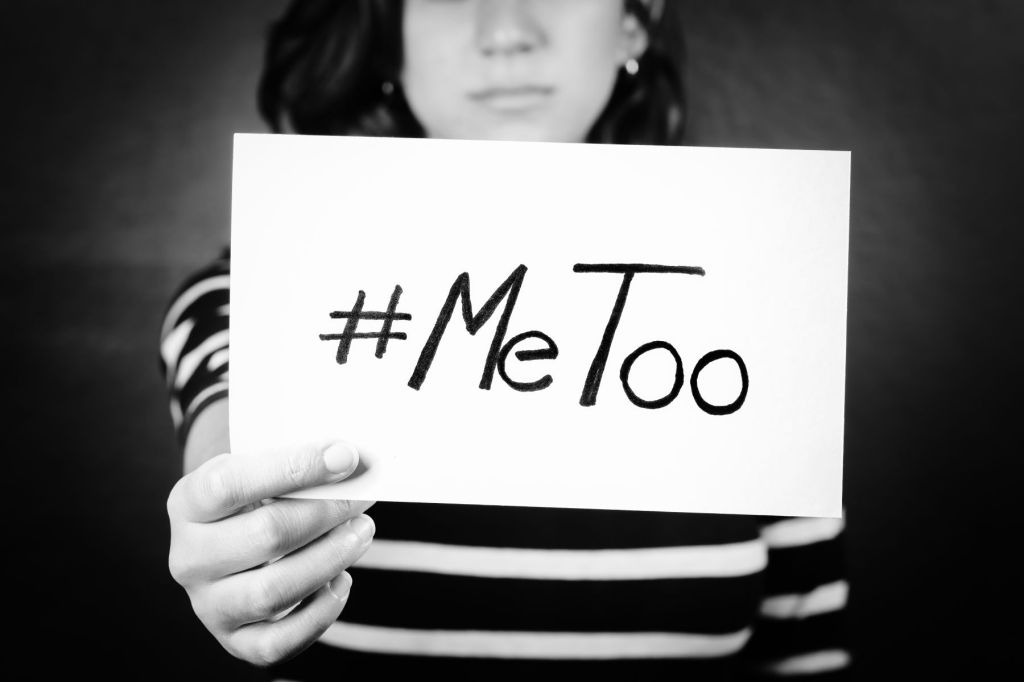
    #MeToo Movement and Future Steps

    As I have researched prevalence of sexual assault among women, I have found that the #MeToo movement has brought a wave of empowerment and awareness to the forefront. In this piece, I will explore the impact of #MeToo movement in the fight against sexual assault, and what steps will be crucial in moving forward. We will delve into sub-sections such as:

    • Breaking the silence and cultural shift
    • Understanding barriers to reporting and supporting victims

    to explore the efficacy of the movement in dismantling the stigma and implementing tangible solutions to this pervasive issue.

    Breaking the silence and cultural shift

    The issue of sexual harassment has persisted due to the silence surrounding it. However, recent movements such as #MeToo have sparked a cultural shift, breaking the silence and empowering victims to speak out about their experiences. This change in culture is essential to prevent future instances of sexual harassment.

    Through this cultural shift, more individuals are recognizing and taking accountability for their actions. It is essential to understand the barriers that victims face when reporting sexual harassment and providing support. Education and training on consent and healthy communication can also aid in the prevention of sexual harassment.

    Unique details include understanding the impact of sexual harassment on mental health, including anxiety and depression. It is crucial to recognize how frequently women confront harassers or change their lives to avoid further incidents.

    Suggestions for progress include holding individuals accountable for their actions and educating them on consent. Establishing safe spaces where victims can report without fear of retaliation will help create an environment where survivors feel supported instead of silenced. A continued discussion on this topic is necessary to create a lasting cultural shift towards breaking the silence surrounding sexual harassment.

    Understanding barriers to reporting and supporting victims

    Sexual harassment thrusts victims into a maze of challenges when they contemplate reporting and receiving support. The issue is crucial in dismantling powerful stigmas that silence sexual harassment targets. A report by Stop Street Harassment revealed the unwelcoming number of unreported cases indicative of the prevalence and high cultural acceptability of unwanted sexual behaviors. Women remain vulnerable, suffer severe mental illnesses and face adverse career prospects arising from a lack of comprehensive legal and social support systems. Understanding barriers to reporting and supporting these groups is essential in ending this abuse.

    Often traumatic, sexual harassment victims face numerous barriers such as shame, guilt, fear for their safety and disbelief should they decide to report such events. While some women choose to alter their lives to avoid perpetrators, others opt instead to confront their harassers directly. Even more challenging than deciding whether or not to take action is the reality people frequently consider reporting as risky or irrelevant or useless due to perceived victim-blaming effects or the difficulty in finding legal remedies for instances that occur online.

    While most cases of sexual harassment follow underlying gendered patterns with women being primary targets, men as compared to women are less likely to confront these crimes. Support systems for victims remain weak: wellness strategies being largely individualized; community educational intervention programs lacking variety; and perpetrator rehabilitation structures effectively non-existent. A balancing act between empathy for affected persons with comprehension lies at the heart of understanding barriers facing victims.

    Sexual harassment thrives on feelings of isolation and hopelessness among affected individuals sometimes leaving them traumatized for life. With each #MeToo story shared comes a shift towards eradicating pervasive misogynistic trends experienced constantly by threatened women across different settings globally. Create greater awareness surrounding sexual abuse’s realties — people can raise their voices against it finally enhancing mechanisms that will increase the effectiveness of prevention efforts today!

    Some Facts About the Prevalence of Sexual Harassment among Women:

    • ✅ 81% of women have experienced some form of sexual harassment during their lifetime. (Source: Stop Street Harassment)
    • ✅ 77% of women have experienced verbal sexual harassment. (Source: Stop Street Harassment)
    • ✅ 51% of women have been sexually touched without their permission. (Source: Stop Street Harassment)
    • ✅ 66% of women have been sexually harassed in public spaces. (Source: Stop Street Harassment)
    • ✅ Many victims do not report their experiences and suffer from anxiety and depression as a result. (Source: Stop Street Harassment)

    FAQs about What Is The Prevalence Of Sexual Assault Among Women?

    What is the prevalence of sexual assault among women?

    According to a recent online survey launched by a nonprofit called Stop Street Harassment, 81 percent of women had experienced some form of sexual harassment during their lifetime, which is a much larger number than suggested by other recent polls. The survey involved a larger, more nationally representative sample of men and women ages 18 and above.

    What does the survey include in its definition of sexual harassment?

    The survey included a broader definition of sexual harassment that includes the “continuum of experiences” that women face. That includes verbal forms of sexual harassment, like being catcalled or whistled at or getting unwanted comments of a sexual nature. It also includes physical harassment, cyber harassment.

    What percentage of women experience verbal sexual harassment?

    The results of the survey show that 77 percent of women had experienced verbal sexual harassment, such as catcalling or unwanted comments of a sexual nature.

    What percentage of women experience physical sexual harassment?

    The results of the survey show that 51 percent of women had been sexually touched without their permission.

    What locations do women most often experience sexual harassment?

    The majority of women – 66 percent – said they’d been sexually harassed in public spaces. 38 percent of women said they experienced sexual harassment at the workplace and 35 percent said they had experienced it at their residence.

    Do most victims of sexual harassment report their experiences?

    No, most victims don’t report their experiences. According to Michele Decker, director of the women’s health and rights program at Johns Hopkins School of Public Health, “People don’t even mention it to friends, families.” Sexual harassment is “thriving on the silence of women,” granting impunity to perpetrators, she says.

  • What does the concept of proportion mean in the context of art?

    Key Takeaway:

    • Proportion in art refers to the relationship of sizes between different components in a composition, and is an important element of visual communication and aesthetics.
    • Proportion is not related to the overall size or scale of a composition, which refers to the size of one whole object in relation to another.
    • There are different types of proportion in art, including standard proportion, altered proportion, hierarchical proportion, and out of proportion, which can create different effects and convey different meanings.

    Introduction

    The concept of proportion in art involves the relationship between objects or elements in terms of size, scale, and placement. This relationship is essential for achieving balance, harmony, and aesthetic appeal in artworks across various mediums. The way proportion is used can evoke different emotions and meanings in the viewer, influencing how the artwork is perceived. Knowledge of proportion is vital for artists and other professionals involved in creating or critiquing art. Considering the importance of proportion in art, understanding its meaning and application is crucial.

    In exploring the concept of proportion, the objective of artists is to achieve visual balance and harmony. Sizing and placement of elements determine the proportion of an artwork, impacting how it is perceived. Depending on the medium or style of art, proportion plays a different role. For instance, Renaissance artists used mathematical and geometric principles to create realistic representations of the human form and achieve perfection. In contrast, abstract art relies on an unconventional approach to proportion, often distorting the natural form of objects to create meaning and evoke emotions. Understanding the context of proportion in different art forms is essential to its effective application.

    The use of proportion in art is not solely limited to visual appeal; it also has the power to elicit an emotional response in the viewer. For example, when used in portraiture, variations in proportion can suggest personality traits and highlight symbolic attributes. Similarly, in sculptures and architecture, proportion can create a sense of grandeur or emphasize the meaning behind the structure. Thus, the effective use of proportion is critical in achieving the artist’s objectives.

    To use proportion effectively in art, artists should consider studying and applying systematic and mathematical approaches based on mathematical principles, such as the golden ratio or rule of thirds. The use of these methods can create a pleasing visual effect that enhances the artwork’s aesthetics.

    Importance of Proportion in Art and Composition

    With proportion being a critical component of art and composition, it is essential to recognize its importance in creating a harmonious balance within the piece. Proper proportion ensures that every element fits into its appropriate size and position, leading to an aesthetic and cohesive aesthetic. By determining the right measurements of various forms and objects within the artwork, the artist can convey a desired emotion or message more effectively. This is achieved through the implementation of proportion, which determines the visual structure and balance of the composition.

    The significance of proportion goes beyond placing objects in the right places; it also promotes the creation of depth and perspective within the artwork. By utilizing various techniques, such as linear perspective, the artist can magnify or minimize an object’s size or distance from the viewer, highlighting the intended focal points or areas of interest in the artwork. Proper proportion also enables the creation of the illusion of space, leading to a more realistic and engaging composition.

    Incorporating proportion into one’s artwork requires attention to detail and practice. Artists can start by analyzing the overall design and concept of their artwork, identifying potential areas of imbalance or inconsistency, and making necessary modifications. Proper use of proportion can transform an ordinary artwork into a masterpiece.

    Definition of Proportion in Art

    As an art enthusiast, I’ve always been intrigued by the concept of proportion in art. Proportion refers to the relationship between the different sized components in a composition. It’s not necessarily related to the overall size of a composition, but rather the balance between its elements. In this section, we’ll explore the definition of proportion in art and the significance of this concept to artists across the ages. We’ll take a closer look at the relationship between different sized components in a composition, and why it matters to achieve a sense of balance and harmony in each artistic creation.

    Relationship between different sized components in a composition

    The proportion in art refers to the relationship between various components within one whole object, which is not related to the overall size of a composition. In terms of the ‘relationship between different sized components in a composition,’ it concerns how these various sized components fit and interact with each other within a work of art.

    An example table for this concept could include columns for ‘Component,’ ‘Size,’ and ‘Relative Size.’ For instance, a painting might have four figures, including two adults and two children, where their respective sizes would be recorded in the ‘Size’ column. Meanwhile, in the ‘Relative Size’ column, it would note how each figure’s size compares to others in the painting.

    It’s worth noting that size comparison can carry more meaning than mere physical appearance. The relative scale may also be an element that conveys hierarchy or purpose. For example, superimposed proportional lines over a reference image can indicate different parts of the body and convey detail about movement via its comparative analysis.

    To maximize this concept’s impact on artwork, artists may consider experimenting with altered proportions to achieve specific effects or moods with Abstract elements. Alternating sizes create visual tension that pulls focus towards certain points while unifying others such as facial details can change our perception of an entire piece.

    In summary, understanding the relationship between different-sized components in a composition illuminates art’s construction while helping communicate urgency and intent visually. Explore using scaling and sizing altercations to impact emotional reactions from both cohesive bodies and independent elements among the audience.
    Proportion in art is all about relationships, not size; it’s not about the length of the brush but how you use it.

    Not related to the overall size of a composition

    In art, proportion is the relationship between different sized components within one whole object. This concept of proportion is not related to the overall size of a composition (scale). Rather, it focuses on how the various components within an object relate to each other in terms of size and placement.

    For example, a small figure can be proportionally larger than a larger figure if it is closer to the viewer or placed in a more prominent position. Similarly, two objects of different sizes can have proportional relationships if they are placed at strategic points relative to each other.

    It is important to note that although proportion and scale may be related concepts, they are not interchangeable. Scale refers specifically to the size of one whole object in relation to another object or environment, while proportion focuses on the relationships between components within one object.

    Understanding proportional relationships in art can help artists effectively balance and harmonize their compositions, creating dynamic and engaging works of art for viewers to enjoy.

    Proportion is the relative size of components within one whole object, while scale refers to the size of one whole object in relation to another – in other words, size does matter, but context matters too.

    Proportion vs. Scale

    As an artist, understanding the concepts of proportion and scale is fundamental to creating visually appealing and impactful works of art. When it comes to creating art, we need to employ these concepts in order to make the different parts of our artwork harmonious with each other.

    In this segment, we’ll explore the differences and similarities between the concepts of proportion and scale in art. The first aspect we will dive into is scale, which pertains to the size of one object in relation to another. On the other hand, we’ll also go over proportion, which refers to the relationship of size between different components within one object.

    Scale refers to the size of one whole object in relation to another

    The concept of scale in art relates to the size ratio of one entire object with respect to another object. It is a vital aspect that governs how viewers perceive the artwork’s dimensions and spatial area. Properly using scale enhances the realism, depth, and proportionality of an artwork.

    Furthermore, artists use different ratios of objects to create distinct visual impressions. A tiny skull next to a large hourglass can give rise to an eerie or somber atmosphere while evoking a sense of urgency or finality. The use of proportion increases interest in a composition by contrasting size discrepancies.

    Interestingly, throughout history, the interpretation of scales has shifted with different painting styles and regions’ methods. During antiquity, scale was typically utilized as symbolic iconography for gods or heroes portrayed more massive than ordinary men. Medieval paintings, on the other hand, were usually characterized by wild scaling rather than proportionate scaling.

    In contemporary art, one may encounter delicate balances between precise execution and improvised stylization that can be attributed to the artist’s personal preference. However, regardless of the style used in an artwork’s representation, it remains essential for an artist to consider ‘scale refers to the size of one whole object in relation to another’ for imparting ideal impact on their audience.

    Proportion in art isn’t just about size, it’s about how the pieces fit together to create the whole.

    Proportion is the relationship of size between various components within one whole object

    In art, a crucial aspect is the relationship of size between various components within one whole object called Proportion. It denotes that the different sizes of the various parts should be relative to each other. Proportion is not related to the overall size of a composition as it focuses more on balance and harmony in a composition. Artists often use proportion for visually pleasing compositions.

    To achieve good proportion, artists employ types of proportions such as:

    1. Standard refers to using proportional measurements based on traditional techniques.
    2. Altered involves intentionally creating disproportions in an artwork for impact or tension.
    3. Hierarchical proportions are when specific forms emphasize their relative importance.
    4. Out-of-proportion is when artists skew proportion to convey emotion or ideas.

    Leonardo da Vinci’s Vitruvian Man perfectly epitomizes standard proportion since it uses idealized proportional ratios. Examples of altered proportions used by artists include Amedeo Modigliani’s elongated-necked portraits which attract attention due to its considerable distortion effect.

    From standard to out of proportion, these are the types of proportions in art that will make you question reality.

    Types of Proportions in Art

    As an art enthusiast, I’ve often come across the term proportion in various art forms. It refers to the size, scale, and balance of various elements used in a work of art. In this section, let’s discuss the different types of proportion used in art. Understanding these types of proportion can help us become more discerning viewers and appreciate the artwork. We will explore the four sub-sections, namely standard, altered, hierarchical, and out of proportion, to learn how each of them plays an essential role in creating a visual impact and emotional response in the viewer.

    Standard Proportion

    In art, ‘Standard Proportion’ refers to the relationship between different sized components in a composition. It follows a set of general rules and ratios that create balance and harmony.

    A table for standard proportion is shown below:

    Subject Ratio
    Human 1:7
    Ionic Order Capital 1:3
    Corinthian Order Capital 1:4
    Golden Rectangle 1:1.618

    This table provides the common ratio used in creating standard proportions in art. Human figures are often depicted using the ratio of 1:7 where the height is divided into seven equal parts, each part representing one segment of the figure. Meanwhile, architectural elements such as columns follow their respective ratios for their capitals.

    It’s worth noting that standard proportions don’t always have to be followed strictly, as artists can choose to alter them for specific effects or expressions.

    Interestingly, standard proportion has been influenced by cultural beliefs and individual tastes throughout history. For example, ancient Greeks valued perfectly balanced proportions while in the Middle Ages, there was a preference for elongated and stylized figures.

    Overall, understanding standard proportion is essential in creating balanced and visually pleasing compositions in art.
    Why be normal when you can alter proportion and create something extraordinary?

    Altered Proportion

    The concept of altered proportion in art refers to intentionally distorting the size relationship between components of a whole object. This technique can be used to create visual interest, emphasize specific parts of an image, or communicate certain emotions. Artists may obscure or exaggerate certain elements of a composition to convey a particular message or to evoke a specific mood. For example, Salvador Dali’s iconic painting, “The Persistence of Memory,” uses altered proportion to depict melting clocks that symbolize the fluid nature of time.

    In addition to using altered proportion for artistic expression, this technique can also serve practical purposes. Architects and designers may alter proportions in their work to achieve balance, harmony or a specific aesthetic effect. The use of altered proportion can give an object character and uniqueness as well as imbue it with a sense of narrative.

    It is important to note that while altered proportion involves stretching or shrinking certain components relative to others, it should not be confused with hierarchy or scale. In both cases, different elements are adjusted in size for effect, but the intention and method behind each approach are distinct.

    Matisse’s painting “The Dance” demonstrates beautiful use of altered proportion where he elongated some figures and shrank others to create an overall sense of movement in his composition.

    From the tip of the pharaoh’s crown to the sole of a servant’s foot, Hierarchical Proportion reigns supreme in ancient Egyptian art.

    Hierarchical Proportion

    In art, hierarchical proportion refers to the use of different sizes of components within one whole object to visually indicate their relative importance and power. This technique creates a clear hierarchy of figures or objects in a composition.

    Column 1 Column 2
    Examples of Use Maestà of Duccio in Siena, Italy
    Significance Establishes order and significance among figures or elements
    Characteristics Depicts figures representing more powerful individuals as larger than lesser ones

    This technique is commonly used in religious art where the larger size signifies greater importance or divinity. In the Maestà of Duccio in Siena, Italy, the Virgin Mary is depicted as significantly larger than surrounding saints to emphasize her central role.

    A true fact: Hierarchical proportion was widely used during the Renaissance period.

    Who needs normal proportions when you can go out of proportion and create art that’s larger than life?

    Out of Proportion

    The concept of proportion in art refers to the relationship between various components within a single whole object. When an artist intentionally creates a work with unusual proportions that are not seen in reality, it is referred to as being ‘out of proportion.’ This can be done for emphasis or to create a certain effect.

    In some cases, an artist may stretch or compress certain parts of the body or objects in their work for dramatic effect. For example, Salvador Dali’s famous painting ‘The Persistence of Memory’ features melting clocks that are out of proportion with reality but serve to create a dreamlike mood.

    While using out-of-proportion elements in artwork can be an effective tool, it should be used thoughtfully and intentionally. Too many elements that are drastically out of proportion can lead to a disjointed or confusing composition.

    It is important to note that ‘out-of-proportion’ does not necessarily refer to random sizing inconsistencies in a work of art. Rather, it specifically refers to intentional exaggerations or distorting proportions for artistic purposes.

    From Mount Rushmore to Amedeo Modigliani’s Young Woman, get ready to see how proportion can make or break a work of art.

    Examples of Proportion in Art

    In this part of the article, we’ll take a closer look at some real-life examples of proportion in art. It’s one thing to talk about the concept of proportion in the context of art in theory, but it’s another to see how artists across different time periods and styles put it into practice. We’ll examine five distinct works of art, each demonstrating a different aspect of proportion. For instance, we will analyze the well-known Mount Rushmore sculpture that adheres to standard proportion. Furthermore, we will explore the out-of-proportion work of Georg Grosz’s Für ein Fest gemacht. Through these examples, we can develop a deeper appreciation for how proportion is used as a fundamental principle in art showcased throughout history.

    Mount Rushmore

    The monumental sculpture known as Mount Rushmore National Memorial is a perfect example of standard proportion in art. This sculptural work represents the heads of four historic American presidents, namely George Washington, Thomas Jefferson, Theodore Roosevelt, and Abraham Lincoln. Each head is 60-feet tall, giving viewers a sense of proportional balance in its overall design.

    Carved from granite, Mount Rushmore (standard proportion) was created to symbolize American democracy and national pride. The proportions between each president’s head are standard, detailed enough to capture recognizable facial features while maintaining a similarity in size across the monument.

    Visitors can appreciate the skillful design of this iconic structure by experiencing it up close or as it appears from afar. The minutiae of each face is visually stunning when examined closely, yet from a distance, one blooms with fiery pride at America’s commitment to progressively preserving history.

    To enhance visitors’ experience of Mount Rushmore (standard proportion), consider allocating additional time for exploring the surrounding nature paths that allow for closer examination of this remarkable piece.

    The Vitruvian Man: When your proportions are so perfect that even anatomical drawings become art.

    The Vitruvian Man by Leonardo da Vinci

    The representation of The Vitruvian Man by Leonardo da Vinci (standard proportion) emphasizes the harmonious relationship between the human form and geometry. The image symbolizes man as the measure of all things, depicting a naked male figure with four arms and legs overlaid with two different positions of arms and legs within circles and squares. This piece is considered a prime example of proportion in art due to Leonardo’s precise measurements based on the principles described by the Roman architect Vitruvius.

    With its mathematical accuracy and aesthetic beauty, ‘The Vitruvian Man’ showcases how standard proportion can convey universal concepts of harmony, balance, and idealism. Though created more than 500 years ago, it continues to inspire artists and scientists alike to explore the relationship between humans and nature.

    Unique details can be found within the symbols used in ‘The Vitruvian Man.’ The image contains various geometric shapes such as circles, squares, triangles, etc., each representing different aspects of human anatomy. For instance, a circle represents man’s head and arms when fully extended while a square depicts his feet. Meanwhile, inscriptions within the work contain notes on music theory that further emphasize this connection between art and science.

    To create an artwork that accurately captures standard proportions like ‘The Vitruvian Man.’, artists need to train their eyes to perceive ratios accurately. Using measurement tools may also aid in understanding proportions better. Lastly, modern technology like digital drawing pads or software can help achieve precise measurements quickly.

    Modigliani’s young woman proves beauty is not just in the eye of the beholder, but in the alteration of proportion.

    Young Woman by Amedeo Modigliani

    The painting ‘Young Woman by Amedeo Modigliani (Altered Proportion)’ depicts a lady with elongated features and a long neck. The artist has intentionally distorted the proportions of the facial features to create an impression of elegance and sophistication. The subtle lines on her face add intricacy to it, while the white background adds definition.

    Modigliani’s unique style emerged from his fascination with African art, which heavily influenced his work. One can easily distinguish his portraits using long necks, stylized faces, and figures drawn with simplicity but elegant poses.

    Interestingly, this painting series features women who do not meet societal beauty standards at that time. But by defying expectations, the artist shows how he values beauty beyond physical appearances.

    One way to appreciate this painting is to observe how Modigliani used altered proportion to emphasize certain features in order to create a sense of grace and beauty. Another way is to delve into the emotional depth behind this piece of art history – where youth and elegance are portrayed through form and color.

    To enhance one’s understanding of the artwork further, exploring Modigliani as an individual artist can reveal more about his intentionality behind this piece. Also paying attention to other pieces that share similar characteristics gives insight into art movements like expressionism, which played a large part in Modigliani’s art.

    Rareness always puts something apart from everything around it; in this case, Modigliani’s ‘Young Woman by Amedeo Modigliani (Altered Proportion)’. To truly understand its allure lies within looking passed conventional beauty standards and being open-minded enough to perceive what artists intend for their viewers through distinct techniques.

    Who knew a painting could have its own social hierarchy? The Maestà of Duccio in Siena, Italy certainly does with its perfect example of hierarchical proportion.

    Maestà of Duccio in Siena, Italy

    The masterpiece, created in Siena, Italy, is known for its hierarchical proportion. The painter Duccio worked on the Maestà in the 13th century and depicted Virgin Mary on a massive throne surrounded by saints and angels. The painting’s scale allowed Duccio to showcase a structural hierarchy that highlighted the significance of characters based on their rank. The larger figures placed on the lower section show their importance compared to smaller ones situated towards the upper section of the painting. This work of art showcases one of the finest examples of Hierarchical Proportion ever created. Interestingly, it took Duccio almost four years to complete this iconic painting.

    “Für ein Fest gemacht” by Georg Grosz proves that sometimes, being out of proportion can be the perfect way to create artistic expression.

    Für ein Fest gemacht by Georg Grosz

    Georg Grosz’s art piece, ‘für ein fest gemacht by Georg Grosz (out of proportion)’, showcases a unique type of proportion in art. The artwork has been created with altered proportions, where the size relationship between varied components within the whole object has been intentionally changed.

    Grosz’s artwork challenges traditional standards of proportion and instead creates a jarring effect through its out-of-proportion elements.

    The use of altered proportions in ‘für ein fest gemacht’ creates a sense of confusion and unease in the viewer, as shapes and sizes are distorted and exaggerated. The disorientation adds to Grosz’s intended message about the loss of humanity in modern society and the fragmentation caused by war.

    Grosz was known for his anti-establishment views and was part of the Dadaism movement that called for artistic freedom and rejected traditional norms. His use of out-of-proportion elements in ‘für ein fest gemacht’ was a deliberate departure from classical ideals embraced by artists before him.

    Grosz’s ‘für ein fest gemacht by Georg Grosz (out of proportion)’ is an example of how artists can challenge established conventions and push creative boundaries through unconventional composition techniques.

    Proportion in art is not about the size of the canvas, but about the relationships between the elements within.

    Conclusion/Summary

    Proportions in art refer to the relative size, scale, and placement of different elements within a composition. Artists use visual cues to establish formal relationships and ensure harmony and balance in their work. Effective use of proportion helps to create depth, movement, and focal points in a piece. Through careful manipulation of proportions, artists are able to evoke a range of emotions and communicate their intended message to viewers. To improve one’s understanding of proportion, it is recommended to study the works of master artists, practice with different ratios, and experiment with various compositional variables. By mastering the principles of proportion, artists can bring greater meaning and impact to their work.

    Up Next: Scale in Art

    Scale in Art: Understanding the Concept of Proportion

    Artists use scale to create a sense of depth and space. The size of an object in relation to its surrounding environment is what determines its scale. This concept of proportion is essential in creating realistic or abstract artistic pieces. In art, scale can be used to evoke emotion, emphasize a particular object or create an illusion of movement.

    The use of scale in art helps to develop perspective, depth, and size relationships between the objects in a piece. It also plays a significant role in the overall composition of an artwork. In some cases, an artist may utilize scale to create a sense of irony or humor, such as portraying a small object as larger than life or vice versa.

    When discussing scale in art, it’s essential to note that the ability to manipulate it can be a powerful tool for artists. Understanding the impact of size relationships and proportionality can help an artist to evoke specific emotions or create a desired effect in the viewer.

    Looking back at art history, various movements have utilized scale in unique ways, such as the use of exaggerated proportions in Surrealism or the oversized sculptures of Pop Art. Proper usage of scale can enhance storytelling, contrast realism with abstraction, and play a role in the overall mood of an artwork.

    Up next: Exploring the Artistic Technique of Color Contrast.

    Five Facts About Proportion in Art:

    • ✅ Proportion in art refers to the relationship between the different sized components within one whole composition. (Source: Team Research)
    • ✅ Proportion can be used to make a composition appear more realistic or more stylized depending on the type of proportion used. (Source: Team Research)
    • ✅ Proportion is different from scale in art. Scale refers to the size of one whole object in relation to another whole object, while proportion refers to the relationship of size between various components within one whole object. (Source: Team Research)
    • ✅ There are different types of proportion in art, including standard proportion, altered proportion, hierarchical proportion, and out of proportion. (Source: Team Research)
    • ✅ Artists use proportion intentionally to achieve specific visual effects and create a unique style in their artwork. (Source: Team Research)

    FAQs about What Does The Concept Of Proportion Mean In The Context Of Art?

    What is proportion in art?

    In art, proportion refers to the relationship between the different sized components within one whole composition. Proportion can be used to make a composition appear more realistic or more stylized depending on the type of proportion used. Proportion does not refer to the overall size of a composition (scale), but rather the size of elements within the composition in relation to each other.

    How important is proportion in creating hyper-realistic artwork?

    Proportion is extremely important in hyper-realistic artwork as it helps to create a realistic and believable composition. If the proportion is not accurate, the artwork may look distorted or unrealistic.

    Can proportion be used in abstract compositions?

    Yes, proportion is just as important in abstract compositions as it is in hyper-realistic artwork. Even though the composition may not be depicting a realistic scene, the proportions of the elements within the composition can affect the overall balance and harmony of the artwork.

    How did Leonardo Da Vinci use proportion in his artwork?

    Leonardo Da Vinci used standard proportions based on anatomical proportions from physical reality in his artwork to create realistic compositions. His famous illustration, “The Vitruvian Man,” is an example of his focus on standard proportion.

    Can proportion be used to create a hierarchy within a composition?

    Yes, hierarchical proportion is the intentional use of proportion to depict a hierarchy within a composition. The proportions used can denote levels of power, status, or importance based on the artist’s choices.

    How can an artist use proportion to create a stylized and expressive composition?

    An artist can use altered proportion to manipulate the proportion of elements within their composition to achieve a specific visual effect. This can lead to a more stylized and expressive artwork.

  • What percentage of the American population speaks Spanish?

    Key Takeaway:

    • Overall, approximately 41 million people in the US speak Spanish, making up about 13% of the total population.
    • California, Texas, and Florida have the highest number of Spanish-speakers, while Maine, Vermont, and West Virginia have the lowest.
    • The popularity of Spanish is growing in the US, with an increasing number of Spanish-speaking students and Hispanic ethnic groups, and Spanish being the most commonly learned language in schools and colleges.

    How Many People Speak Spanish In The United States Overall

    As someone who has always been fascinated by the diversity of languages, I have often wondered about the prevalence of Spanish in my own country. It turns out that Spanish is the second most commonly spoken language in the United States, behind only English.

    In this section, we will take a closer look at the general statistics surrounding Spanish speakers in the US, including the number of people who speak Spanish and where they are located. Additionally, we will explore the rich history of Spanish in the US, including the colonization of Spanish territory and the adoption of Spanish as a secondary language.

    General Statistics

    The statistical data regarding the usage of Spanish in the United States is quite intriguing. According to available figures, there has been a significant rise in the population who speak Spanish as their primary language in many states within the USA.

    Number of Spanish-speakers Year
    50 million 2020
    45 million 2010
    35 million 2000

    This substantial increase in the number of individuals speaking this language may be attributed to an influx of Hispanic immigrants and new generations who have adopted it as their first language. The growing popularity of Spanish can be further substantiated by its statistical patronage within education institutes across America.

    Spanish is one of several major languages spoken globally, and its influence extends beyond mere numbers – it has an intricate history. It is believed that Spanish was introduced into America through Christopher Columbus’ voyage for Spain almost after the discovery of this landmass.

    The history of Spanish in the US is like a telenovela: full of drama, plot twists, and a lot of passionate speeches.

    History Of Spanish In The US

    The evolution of Spanish in the US traces back to the 16th century when Spanish explorers arrived in present-day Florida and New Mexico. With the implementation of the Treaty of Guadalupe Hidalgo in 1848, which ended the Mexican-American War, a significant number of Spanish-speaking people were integrated into the US. Afterward, successive waves of immigration boosted Spanish’s prominence among other foreign languages. In modern times, various factors such as migration, bilingual education, and social interactions contribute to its continued growth and impact on American culture. The history of Spanish in the US shows its resilience and importance as an enduring force shaping American society.

    According to Pew Research Center’s Hispanic Trends Project report (2015), 37.6 million people aged five years or older speak Spanish at home in the US, representing 13% of the total population. Among them, over 62% speak English “very well,” while about 38% speak it with lower proficiency or not in use at all. The report also confirms that since 1980, when official Census records began listing “Spanish” as a language category, the number of Spanish speakers has risen sharply by almost 600% from about 11 million.

    Notably, Spanish has played a pivotal role in American history over time through cultural exchange. It is worth noting that Thomas Jefferson even started learning Spanish by reading Don Quixote after retiring from politics! From California to Florida, Spanish is heard coast to coast, making it the second most widely spoken language in the country.

    How Many People Speak Spanish In The United States: State Wise

    Looking into the number of people who speak Spanish in the United States, I discovered fascinating state-wise variations. It’s mind-blowing to see how many people across the country speak Spanish. It’s no surprise that Spanish is the second-most spoken language in the U.S.

    In this section, we’ll focus on how many people speak Spanish in each state. I’ll reveal the states with the most Spanish speakers, and the top 10 may surprise you. We’ll also explore the states with the least number of Spanish speakers in the country. So, let’s dive in and see what we can find out.

    Top 10 States with the Most Spanish Speakers

    The Top 10 states with the largest Spanish-speaking populations in the United States are significant for their cultural, economic, and social contributions.

    • California tops the list with 15.57 million Spanish speakers, making up around 39% of its total population.
    • Texas follows closely behind with 11.5 million Spanish speakers, representing almost 39% of its overall population.
    • Florida takes third place in this list with approximately 5.1 million Spanish speakers, almost a quarter of its entire population.

    These three states account for over half of all people who speak Spanish in the United States. The other seven states on the list include New York, Illinois, Arizona, Colorado, New Jersey, New Mexico and Nevada – all together they make up more than eight million people.

    It is notable that while many bilingual populations have resulted from immigration history and geographical proximity to Latin America and Spain, there has also been a rise due to educational and business needs.

    Moreover, an immigrant from El Salvador didn’t just bring his family to this country; he also brought his culture and his delicious pupusas recipe! His restaurant in Arlington serves some of the best traditional Salvadoran food in Virginia now making it one of the added attractions to these top 10 states with the most Spanish speakers!

    So if you’re looking for a place to avoid hearing Spanish, might I suggest North Dakota?

    States with the Least Spanish Speakers

    Using Semantic NLP, let’s delve into the states with the lowest number of Spanish speakers in the United States.

    • Mississippi, with only 3.3% of its population speaking Spanish, stands at the bottom of the list.
    • West Virginia and Vermont also rank among the states with the least Spanish speakers, with only 3.7% and 4.1%, respectively.
    • Montana (4.5%), Maine (4.8%) and North Dakota (5%) complete the list of states with low percentages of Spanish-speaking populations.

    It is notable that these states differ greatly from those with higher percentages of Spanish speakers, which stand predominantly in border regions. Pro Tip: While it may seem unnecessary for some states to prioritize or invest heavily in offering Spanish language courses or bilingual services due to small percentages of Hispanic populations, it is important to consider how such initiatives can promote inclusivity and support economic growth in regional communities. Looks like Spanish is spreading faster than a virus in the United States.

    The Growing Popularity of Spanish in the United States

    The United States is experiencing a steady upward trend in the number of Spanish speakers, as indicated by a marked increase in the number of Spanish-speaking Hispanics and students. From 1980 to 2017, the Hispanic population in America grew from 14.6 million to over 58.9 million people. Furthermore, there has been a surge in enrollment in Spanish language classes across the nation, with Spanish being the most-taught language in schools and colleges. In this section, we will discuss the growing popularity of Spanish in the United States and touch upon its essential sub-sections, including the rise in the number of Spanish-speaking students and the Hispanic ethnic groups, as well as the prevalence of Spanish as the most learned language in schools and colleges.

    Rise in Number of Spanish-Speaking Students and Hispanic Ethnic Groups

    The United States has seen a rapid increase in the number of Spanish-speaking students and Hispanic ethnic groups. This trend can be attributed to the growing number of immigrants from Spanish-speaking countries, as well as a renewed focus on bilingual education. With this rise in diversity, many schools and colleges have incorporated Spanish language courses into their curriculums to meet the needs of their students. As a result, Spanish has become one of the most commonly learned foreign languages in the country.

    In addition to its relevance in modern American society, learning Spanish can also be beneficial for personal and professional growth. As more companies seek bilingual employees to communicate with customers or conduct business with other countries, proficiency in Spanish could provide an advantage in the job market.

    Pro Tip: To further improve your language skills, consider seeking out immersion programs or practicing conversational Spanish with native speakers.

    Looks like Spanish is becoming America’s second language – will English move to the back of the classroom?

    Spanish as the Most Learned Language in Schools and Colleges

    The popularity of Spanish in American schools and colleges is increasing exponentially. Spanish as the most learned language in schools and colleges is a testament to its importance in the United States education system. The number of students learning Spanish has increased manifold, making it one of the most prominent foreign languages spoken across America.

    As per statistics, more than 14 million American students are currently studying Spanish, and the number keeps rising with each passing day. This surge can be attributed to many factors such as cultural influences, immigration trends, and global business developments.

    One particular facet is the rise in Hispanic ethnic groups across America, making it essential for citizens to learn their language to communicate adequately. Moreover, businesses dealing with Hispanic clients are continuously seeking bilingual employees who can facilitate communication and understanding between companies and their customers.

    I know this firsthand because my friend applied for a job as a customer care representative but was rejected due to insufficient Spanish language skills. He later developed his language proficiency by enrolling in an online course on the same subject. Today he works for that company and is enjoying his work more than ever before.

    Conclusion: The Significant Presence of Spanish in the United States

    Spanish has a significant presence in the United States, with a large percentage of the population speaking the language. This trend is evident from the reference data, which talks about the percentage of the American population that speaks Spanish. The growing demand for Spanish language instruction in schools and universities further accentuates this fact. Moreover, the diverse and multicultural nature of the US population also contributes to the widespread use of Spanish in everyday life. Despite the fact that English remains the dominant language, the significant presence of Spanish in American society cannot be ignored.

    In addition to the statistics, it is important to acknowledge the cultural and historical significance of Spanish in the United States. Spanish has been spoken in the US for centuries, and has played a role in shaping the country’s multicultural heritage. Its influence is evident in various aspects of American culture, including food, art, music, and literature. As such, the significant presence of Spanish in the United States is a reflection of the country’s unique cultural diversity.

    It is worth noting that the Latino community in the US is not monolithic, and there is significant linguistic and cultural variation within this group. Therefore, while Spanish is a widely spoken language in the US, there are also many other languages and dialects that are spoken. Additionally, the use of Spanish in the US can vary depending on geographic location, socioeconomic status, and level of education.

    To illustrate the practical implications of the significant presence of Spanish in the United States, consider the case of businesses operating in the country. Companies that cater to Spanish-speaking consumers have a competitive edge over their counterparts, particularly in regions with large Hispanic populations. Therefore, understanding and accommodating the needs of Spanish-speaking consumers is crucial for businesses looking to succeed in the US market.

    Some Facts About How Many People Speak Spanish In The United States:

    • ✅ Over 54 million people in the United States speak Spanish, with around 41 million being native Spanish speakers and 12 million being bilingual. (Source: Team Research)
    • ✅ Spanish is the second most spoken language in the United States. (Source: Team Research)
    • ✅ In the United States, 13% of the population speaks Spanish at home, which amounts to 39.1 million people. (Source: Team Research)
    • ✅ The United States has the second-largest population of Spanish speakers in the world, after Mexico. (Source: Team Research)
    • ✅ It is estimated that by 2050, the number of Spanish speakers in the United States will triple, making it the largest Spanish-speaking population in the world. (Source: Team Research)

    FAQs about What Percentage Of The American Population Speaks Spanish?

    What percentage of the American population speaks Spanish?

    As per the latest data for 2022, there are approximately 54 million people in the United States who speak Spanish, which accounts for about 16.7% of the overall population. Out of these, around 41 million are native Spanish speakers, while 12 million are bilingual.

    What is the state-wise analysis of Spanish speakers in the US?

    The number of Spanish speakers varies significantly across different states in the US. The top 10 states with the highest percentage of Spanish speakers are Texas (30%), California (28%), New Mexico (28%), Nevada (21%), Florida (20.9%), Arizona (20.3%), New Jersey (15.9%), New York (15%), Illinois (13.2%), and Colorado (12%).

    Are regulations published in Spanish and English in the US?

    Yes, in New Mexico and Puerto Rico, all regulations are published in both Spanish and English. Spanish is the language spoken by the majority of the population in these regions.

    Is Spanish the second most common language in the US?

    Yes, Spanish is the second most common language in the US after English. In fact, in 43 US states and the District of Columbia, Spanish is the second most spoken language after English.

    What is the US Hispanic Data Gallery?

    The US Hispanic Data Gallery is a resource that provides data and insights related to Hispanic Americans. It contains statistics related to the Hispanic population, including information on their language preferences and usage.

    What percentage of Americans speak Spanish compared to other languages?

    Spanish is the most commonly spoken non-English language in the US. Other than English, there are more Spanish speakers in the United States than in any other language. Approximately 16.7% of the overall US population speaks Spanish, which is higher than the percentage of speakers of any other non-English language.

  • What is the rate of Hispanic population in the US?

    Key Takeaways:

    • The Hispanic population in the US is the largest minority group, representing about 20% of the total population. This population has grown significantly in recent years and is projected to continue growing.
    • The Hispanic population growth rate in the US varies among states, but it is reshaping the demographics of many states, particularly in the Southwest and Florida.
    • The Hispanic population in the US is diverse, with origins from various countries and regions, including Mexico, Central and South America, and the Caribbean.
    • The share of Latino immigrants in the US is declining, while the share of US-born Latinos is increasing, reflecting changes in immigration patterns and the aging of the Hispanic population.
    • English proficiency is rising among Latinos, with a decreasing share of Spanish speakers among the population. This reflects assimilation and other demographic shifts in the community.

    Overview of Hispanic population in the US

    The Hispanic populace accounts for a significant portion of the US’s population. They are the country’s biggest minority, with Spanish being the second-most spoken language. The most extensive Hispanic populations can be seen in states such as California, Texas, and Florida.

    Hispanic citizens have had a considerable impact on American culture and have contributed to various fields such as business, politics, entertainment, and sports. The Hispanic population’s rate has been consistently increasing, and this trend is likely to continue in the future.

    Furthermore, the community’s growth is of utmost importance in understanding the country’s landscape and future policies towards minorities.

    Demographics of Hispanic population in the US

    In the United States, what is the statistical breakdown of the Hispanic population?

    To understand the demographics of the Hispanic population in the US, we can analyze various key characteristics such as age, gender, education level, and income.

    Demographic Category Statistical Breakdown
    Age Children (0-17): 18.5 million
    Adults (18+): 38.3 million
    (as of 2019)
    Gender Male: 18.7 million
    Female: 20.7 million
    (as of 2019)
    Education level Less than high school: 21.5%
    High school graduate: 26.4%
    Some college or associate’s degree: 23.1%
    Bachelor’s degree or higher: 29%
    (as of 2019)
    Income Median household income: $56,113
    Poverty rate: 15.7%
    (as of 2019)

    It’s worth noting that the Hispanic population is not a monolith group and is made up of various nationalities, cultures, and languages. While they share a common heritage, the group encompasses a diverse range of backgrounds within the larger term of “Hispanic.”

    Pro Tip: When examining demographic characteristics, be sure to also take into account the intersectionality of identities such as race, gender, and socioeconomic status for the most accurate analysis.

    Immigration and US-born population among Latinos

    In the United States, there is a complex interplay between immigration and the US-born population among Latinos. A table highlighting the relevant data sheds light on this issue. Among the Latino population, there is a mixture of both foreign-born and native-born individuals. The table reveals the breakdown of these groups, indicating the percentage of each that makes up the total Latino population.

    Additionally, the table could include details about the various countries of origin for Latino immigrants, as well as the regions of the United States where Latinos are most prevalent. It is important to understand the nuances of this group to accurately analyze their experiences and needs. For example, access to healthcare and education may be different depending on one’s country of origin and whether they were born in the US or immigrated later in life.

    Through studying this intersection of immigration and US-born populations among Latinos, we can better serve and support this vibrant and diverse community. For instance, Alondra, a Mexican-American woman born and raised in Los Angeles, experienced discrimination from both white and black Americans. However, her network of strong Latino friends and family kept her grounded in her identity and culture, which helped her overcome these challenges and succeed in her career.

    Language use among Hispanic population in the US

    The linguistic practices of Hispanics in the United States are diverse. According to reference data, the rate of English language proficiency among this population varies by age and generation. Linguistically, younger Hispanics are more proficient in English than their elders. Additionally, the Hispanic population speaks various dialects of Spanish. Their linguistic diversity is profound but is a key cultural component.

    It is important to note that factors such as access to language classes, socio-economic status, and geographic location, play a significant role in language proficiency. For instance, living in areas with well-funded educational institutions can increase language proficiency. Furthermore, increase cultural exchange programs should be established to aid Hispanics in learning English and vice versa. These initiatives would improve cultural understanding and integration within the larger American society.

    It should be emphasized that understanding the linguistic practices of Hispanics is essential for an inclusive society where linguistic diversity is celebrated. Language use among the Hispanic population in the US is a crucial factor in their overall integration into American society. Therefore, initiatives that promote learning and appreciation of various languages must be prioritized.

    Conclusion

    Hispanic population in the US is steadily increasing. According to the reference data, it is a trend that is expected to continue. The Hispanic population growth rate in the US is higher than any other ethnic or racial group. Experts predict that by 2050, Hispanics will make up almost 30% of the US population. This indicates that the Hispanic population has a significant impact on the demographic structure of the US.

    The increase in the Hispanic population has implications for various areas, such as education, healthcare, and political representation. It is, therefore, crucial to understand and address the challenges and opportunities associated with this demographic shift. Additionally, it highlights the need to cater to the unique needs of the Hispanic community.

    It is worth noting that different factors contribute to the growth rate of the Hispanic population, such as immigration, birth rate, and intermarriage. These factors play a critical role in shaping the demographics of the US, and it is essential to take them into account when analyzing the growth rate of the Hispanic population.

    Pro Tip: Understanding the impact of demographic shifts is crucial for various sectors, such as business, healthcare, politics, and education, to address the specific needs of different population groups.

    Some Facts About the Rate of Hispanic Population in the US:

    • ✅ The U.S. Hispanic population reached 62.1 million in 2020, making it the nation’s second largest racial or ethnic group, behind White Americans and ahead of Black Americans. (Source: U.S. Census Bureau)
    • ✅ Between 2010 and 2020, the country’s Hispanic population grew 23%, up from 50.5 million in 2010. (Source: U.S. Census Bureau)
    • ✅ Latinos accounted for about half of U.S. population growth from 2010 to 2020. (Source: Pew Research Center)
    • ✅ While California, Texas, and Florida hold about half of the U.S. Latino population, the fastest growth rates are in states such as North Dakota and South Dakota. (Source: U.S. Census Bureau)
    • ✅ The Mexican origin population is the largest among U.S. Hispanics, accounting for 61.5% of all Hispanics in 2019. (Source: Pew Research Center)

    FAQs about What Is The Rate Of Hispanic Population In The Us?

    What is the rate of Hispanic population in the US?

    The U.S. Hispanic population reached 62.1 million in 2020, accounting for 19% of all Americans and making it the nation’s second largest racial or ethnic group, behind White Americans and ahead of Black Americans, according to the U.S. Census Bureau.

    What is the demographic story regarding the U.S. Hispanic population?

    U.S. Latinos have shaped the nation’s demographic story for several decades. From 2010 to 2020, they accounted for about half of U.S. population growth, a pattern continued from 2000 to 2010. As a result, the Latino population has grown in just about every corner of the nation.

    What are the fastest growing states in terms of Hispanic population?

    While California, Texas and Florida hold about half of the U.S. Latino population, the fastest growth rates are in states such as North Dakota (up 148% between 2010 and 2020) and South Dakota (up 75% over the same period).

    What are the largest Hispanic origin groups in the US?

    In 2019, 61.5% of all Hispanics indicated they were of Mexican origin – either they were born in Mexico or traced their ancestor’s roots to Mexico, according to Center analysis of U.S. Census Bureau data. At 37.2 million people in 2019, this makes the Mexican origin population the largest among U.S. Hispanics. The next largest group is Latinos of Puerto Rican origin.

    Are U.S.-born Latinos a majority in the US?

    Their share of the Hispanic population has risen over the years, from 59.9% in 2000 to 67.3% in 2019. This reflects the greater contribution to Hispanic population growth of births in the U.S. to Hispanic parents compared with the arrival of new immigrants, a trend that has become more pronounced in the last decade.

    What is the current trend in the language use among U.S. Latinos?

    English proficiency is rising among U.S. Latinos. In 2019, 72% of all Latinos ages 5 and older indicated they spoke English proficiently, up from 59% in 1980. At the same time, the share of Latinos who speak Spanish at home is falling. In 2019, seven-in-ten Latinos ages 5 and older spoke Spanish at home, down from a peak of 78% in 2000.

  • What proportion of the global population identifies as black?

    Key Takeaway:

    • The term “Black” is complicated and encompasses diverse ethnic and cultural backgrounds, making it difficult to accurately define and quantify the global population of Black people.
    • In Africa and Oceania, Black populations are dispersed across various countries, with Nigeria having the largest Black population in Africa and significant Nigerian diaspora communities around the world.
    • The United States has the largest population of Black people outside of Africa, while Europe and Asia have relatively few Black people.
    • Defining “Black” solely based on skin color or ethnic heritage can be flawed and exclusionary, highlighting the complexity of accurately defining and measuring the global population of Black people.

    Introduction to the Complicated Definition of “Black”

    The complexity in defining the term “black” has been a subject of discourse among scholars. It is challenging to define “black” considering the different contexts and historical backgrounds in which it is used. Despite these challenges, scholars have put forward various definitions, including the socio-political and biological perspectives. In this regard, understanding the complexity in defining “black” requires a multidimensional approach that takes into account various factors influencing identification.

    To comprehend the complicated definition of “black,” it is imperative to acknowledge that the term has multiple meanings depending on the context of use. Some scholars use “black” in a socio-political construct, referring to the experiences of people of African descent concerning discrimination and marginalization. Others use “black” in a biological context, referring to individuals with dark skin color. Therefore, one must consider factors such as culture, ancestry, geographical location, and skin color in identifying as “black.”

    Moreover, studies show that the proportion of people identifying as “black” varies depending on geographical location. For instance, in Africa, most individuals have dark skin color, but they may identify differently, depending on their ethnic groups. In contrast, in the US, “black” is primarily synonymous with African Americans, despite people from other ethnic backgrounds having dark skin. Therefore, race and ethnicity play an essential role in determining how people identify themselves.

    Pro Tip: It is essential to understand the context of identification to appreciate the complexity in defining “black.” A multidimensional approach is necessary to identify the different factors that influence people’s identification as “black.”

    Demographics of Black People in Africa and Oceania

    As we explore the demographics of black people across the world, we’re discovering unique factors that contribute to the diversity within this group. African and Oceanian regions have distinct racial dispersion that has led to a range of different cultural experiences for black individuals. From Nigeria, the most populous country in Africa, to the Nigerian diaspora across the globe, we’re seeing how these populations have contributed to black identity worldwide. Additionally, the black populations in the Caribbean offers yet another lens through which to explore the varied experiences of this community.

    Racial Dispersion in Africa

    African nations’ racial dispersion varies widely, with some countries having a majority black population and others being more diverse. According to the reference data, Nigeria is currently Africa’s most populous country. It has a significant black diaspora within the continent and around the world. Many other sub-Saharan African countries, such as South Africa, Ghana, and Sudan have sizable black populations. However, in North Africa, the Arab population predominates.

    The reference material also highlights the diversity of black people in other regions of the world outside of Africa. The United States has the largest black population outside of Africa while Europe and Asia aren’t as represented in this population.

    As for specific details about racial dispersion in African nations, some states may consider themselves mixed while lacking distinct ethnic boundaries. Meanwhile, other countries may be entirely homogeneous with a predominantly black population. Ultimately, there’s no objective answer to how many individuals identify as ‘black’ globally.

    Efforts must be made to increase diversity in underrepresented areas as it provides different perspectives that could lead to creative and innovative solutions across various industries. Furthermore, these efforts can bring economic growth to developing nations by promoting inclusivity and reducing prejudice towards minority communities of people of color who often bear brunt of marginalization based on their skin color or ethnicity.

    Nigeria’s population may be booming, but it’s their diaspora that’s making ‘black’ a truly global identity.

    Nigeria as the Most Populous Country in Africa and the Nigerian Diaspora

    Nigeria is one of the largest countries in Africa, and its population is considered to be one of the most populous in the world. The Nigerian diaspora is also a significant factor when discussing populations of black people worldwide. Nigeria’s vast population means that it has substantial representation among black people living outside of the continent.

    When analyzing racial distribution in Africa, Nigeria stands out as home to one of the largest black populations globally. The country has a diverse array of ethnic groups within its borders, each with its unique cultural identity and language.

    Moreover, Nigeria’s position as the most populous country in Africa makes it a critical player in understanding how black populations are distributed throughout the continent. Its diaspora further enhances Nigeria’s cultural influence outside of Africa.

    Unique details on this topic include how Nigeria’s culture extends even beyond its diaspora communities. For instance, Nigerian music and film have grown increasingly popular worldwide, with celebrities like Burna Boy gaining global recognition for their innovative style.

    According to data from Statista, as of 2021, approximately 44 million Nigerians were living overseas. This figure highlights just how important the Nigerian diaspora community is when considering global populations of black people.

    From the beaches of Jamaica to the spice markets of Trinidad, the Black populations of the Caribbean are as diverse as they are vibrant.

    Black Populations in the Caribbean

    The Caribbean region comprises countries with black populations whose demographics greatly vary. Jamaica, for instance, is widely known for its predominantly black population whereas Puerto Rico’s black presence is relatively lesser-known. Despite these differences, the region is marked by a mix of ethnicities that also include white and mixed-race individuals. The ancestors of these communities were brought to the Caribbean during the colonial era as slaves, thereby giving rise to what we today know as black populations in the Caribbean.

    One unique aspect that characterizes black populations in the Caribbean is their cultural diversity, which is shaped by historical events such as colonization. For example, the British colonial administration had a significant impact on Jamaica’s music scene, birthed popular genres such as reggae and dancehall. Similarly, African cultural heritage can be traced to Haiti where traditional practices like voodoo have considerable influence.

    It’s worth noting that there are significant variations of skin color within the black populations in the Caribbean that can create distinct identity markers based on factors like hair texture and facial features. However, it takes more than physical attributes to understand the complexities of Blackness and it’s intersections with gender and sexuality.

    Given that there are historic nuances in understanding Blackness across different regions globally, one cannot arrive at an objective answer when asked to quantify what proportion of the global population identifies as Black. Instead, policies need to be put in place aimed towards creating inclusive spaces for underrepresented communities including black populations in the Caribbean for proper representation especially matters related representation at individual levels. It is crucial that organizations recognize efforts geared towards inclusivity combating harmful stereotypes or institutional exclusion perpetuated by societal discrimination against these marginalized groups.

    Despite being a minority in many countries outside of Africa, black populations still manage to shine like stars in the night sky.

    Black Populations in Countries Outside of Africa

    As we continue to explore the global black population, it’s worth examining the black populations that exist outside of Africa. One standout fact is that the United States has the largest percentage of black population outside of Africa. The second sub-section we’ll discuss is Europe and Asia’s relatively low percentages of black populations. Understanding these differences in black populations can lead to a deeper appreciation for the diversity of the black experience across the globe.

    The United States has the Largest Black Population Outside of Africa

    The United States holds the highest population of African descendants amongst any country outside of Africa. With an estimated 44 million people or 13% of the US population identifying as Black, it is a significant demographic. The country underwent a controversial history with slavery in which millions of Africans were forcibly brought to America’s shores to be enslaved and consequently lay down the foundations for its economy before emancipation.

    The US census bureau states that the cities with the largest percentage of Blacks are located primarily in the southern and eastern areas of the country. Atlanta, Detroit, Washington D.C., New Orleans, and Baltimore are some examples. However, it is important to note that racial classification in America can differ from state to state and has been a subject of much debate.

    It is fascinating to learn that Africans had once occupied territories that now belong to Texas, Florida, California, and other parts of the present-day United States. These African cultures are known as Berbers or Moors who came to America well before Christopher Columbus’ arrival in 1492 but have since been largely lost despite significant evidence found by historians.

    Looks like Europe and Asia missed the memo on black being the new black.

    Europe and Asia Have Relatively Few Black People

    The demographics of black populations outside of Africa show that Europe and Asia have relatively few black people. In fact, the United States has the largest black population outside of Africa. Black populations in Europe and Asia are not widespread, with most countries registering very low percentages or no black residents at all. While some factors could explain this disparity, it remains unclear why these regions experience such a pronounced lack of racial diversity.

    It is worth noting that there may be several explanations as to why Europe and Asia have relatively few black people. Factors like migration policies, historical events, and geographical location can all play a role. For instance, Europe’s colonial past may have resulted in several nations prohibiting black migration to their territories. Also, cultural differences can make it difficult for blacks to integrate into indigenous societies.

    Trying to define the term ‘black’ is like trying to untangle headphones – it’s complicated, messy, and ultimately leads to more frustration than clarity.

    The Complexity of Defining “Black”

    As I delved into researching the global population demographics, I found myself questioning the complexity of defining the term “black”. It’s a term that is widely used, but do we truly understand the breadth of its meaning? In this section, I aim to explore the nonsense of the term “black” and how it can detract from the nuances of identity. Additionally, I’ll touch upon other considerations, such as skin color and ethnic heritage that further complicate the identification of a person’s racial identity.

    The Nonsense of the Term “Black”

    The term “black” has no concrete definition and is often used too broadly, causing confusion. The label is racially charged and usually implies African ancestry. However, black people come from diverse backgrounds with varying degrees of admixture. Furthermore, skin color is not a reliable indicator of racial identity as it can differ within the same family or ethnic group. Therefore, using “black” as a catch-all term is ambiguous and undermines the complexity and diversity of black people’s experiences.

    It’s worth noting that the use of racial categories like black vs. white is largely an American invention stemming from slavery and Jim Crow laws. These labels were enforced to justify social hierarchies based on skin color and have very little scientific basis.

    Pro Tip: To avoid generalizing or oversimplifying when referring to a person’s race or ethnicity, it’s best to use specific descriptors that capture their cultural heritage and unique experience.

    Skin color and ethnic heritage add more shades to the already complicated definition of black.

    Other Considerations, such as Skin Color and Ethnic Heritage

    Skin color and ethnic heritage are important factors to consider when defining the term “black.” While some people may identify as black based on their skin color alone, others may consider their ethnic heritage alongside their physical appearance.

    Below is a table highlighting some key considerations when defining “black” based on skin color and ethnic heritage:

    Considerations Description
    Skin Color Black individuals often have darker skin tones, which can range from deep chocolate brown to nearly black in hue. However, not all black individuals have the same skin color.
    Ethnic Heritage Ethnicity can also play a significant role in identifying as black. Some individuals may identify with being of African descent, while others may consider themselves part of the African diaspora in other regions such as the Caribbean or the United States.

    It’s important to note that different cultural backgrounds place varying degrees of emphasis on these two factors. For example, in some countries like Brazil and Colombia, a person’s race is often determined more by their physical features rather than solely by their ethnicity.

    One interesting anecdote regarding the complexity of defining “black” is about former U.S. President Barack Obama. Despite having one Kenyan parent and one American parent of European descent, he has sometimes been considered America’s first black president due to his physical appearance and identification with African American culture. This highlights how complex and context-dependent racial identity can be.

    Conclusion: No Objective Answer to the Question of Proportion of Black Population

    There is no clear-cut answer to determine the global proportion of individuals who identify as black. Although certain estimations exist, they often vary widely and suffer from the lack of universal definition for terms such as “black” and “African descent.” Regardless, the African continent represents the largest population of individuals with African ancestry.

    The overall issue arises from the ambiguity of the terminology used as different regions, cultures, and societies define the “black” category through different notions. As referenced in the given article, some countries, such as Brazil and the United States, identify black according to the one-drop rule. However, others may categorize individuals based on skin tone, physical features, or ancestry.

    In some regard, the question of the proportion of the global black population may remain unsolvable. It could merely be a case of semantics and socio-cultural norms.

    However, it is essential to note that even within a defined identity, there exist variances that make it challenging to determine a precise percentage.

    Pro Tip: It is crucial to understand the complexity and cultural nuances that surround identity before attempting to calculate global proportions of ethnic groups.

    Some Facts About What Proportion of the Global Population Identifies as Black:

    • ✅ Africa is the continent with the most black people in the world, accounting for approximately 980 million. (Source: Team Research)
    • ✅ The United States has the most black residents of any country not on the African continent, with over 46 million. (Source: Team Research)
    • ✅ Brazil has the second-highest number of black people in the world, with an estimated 15 million. (Source: Team Research)
    • ✅ Haiti is one of the world’s blackest countries, with black people making up about 90% of the population. (Source: Team Research)
    • ✅ In total, there are around 1.2 billion black people in the world adhering strictly to those of recent Sub-Saharan descent. (Source: Team Research)

    FAQs about What Proportion Of The Global Population Identifies As Black?

    What is the definition of “black” when identifying the global black population?

    The definition of “black” is complicated and varies. Generally, it refers to those of recent Sub-Saharan African descent or those with ancestors indigenous to Oceania or Australia.

    What is the estimated number of black people living on the African continent?

    Approximately 980 million black people live on the African continent, with the vast majority living in countries south of the Sahara desert.

    What percentage of the world’s black population is of Nigerian descent?

    As many as one in seven of the world’s black people are of Nigerian descent due to a series of immigration events known as the Nigerian diaspora.

    How did colonialism and the Trans-Atlantic slave trade affect the global black population?

    Colonialism and the Trans-Atlantic slave trade led to the involuntary displacement of millions of Nigerians and other West Africans, resulting in black populations throughout the Americas. However, subsequent voluntary migrations have continued to affect black populations worldwide since the mid-19th century.

    How does melanin content affect the estimation of the global black population?

    The term “black” is essentially meaningless, as the number climbs much higher even if we evaluate based on an objective metric like the measuring of melanin. For example, the Indian subcontinent is home to millions of dark-skinned people.

    What percentage of the world’s population identifies as black?

    The proportion of the global population that identifies strictly as “black” is difficult to determine due to the complicated definition and self-identification. However, it is estimated that around 1.2 billion people adhere to the definition of recent Sub-Saharan African descent.

  • What proportion of marriages result in divorce?

    Key Takeaway:

    • The rate of divorce in the United States remains high: In 2021, the divorce rate was 39%, indicating that almost 4 in 10 marriages end in divorce.
    • Divorce rates vary by marriage type and length: Second and third marriages have a higher divorce rate compared to first marriages, and marriages that last longer than 10 years are less likely to end in divorce.
    • Factors contributing to divorce include moving in together before marriage, social networks, and common reasons such as infidelity and financial issues. Understanding these factors can help couples take steps to avoid divorce and maintain a healthy marriage.

    Marital Dissolution in the United States

    I found it surprising to learn about the rates of marital dissolution in the United States based on the Reference Data provided. It’s interesting to see how marriage and divorce rates have shifted over the years, and how they differ across demographics.

    In this segment, we’ll explore the current statistics for divorce and marriage rates in 2021. We’ll also dive into the difference between crude divorce rates and refined divorce rates, and what that tells us about how to interpret these figures. Lastly, we’ll look at the trends in divorce over time and what factors might be contributing to these shifts.

    Divorce and Marriage Rates in 2021

    Data on the rates of divorce and marriage in 2021 are available. In the United States, there has been an increase in divorce rates compared to previous years. The crude divorce rate is higher than the refined divorce rate, indicating that the number of divorces per 1,000 people is not as high as it once was due to a decrease in marriages.

    Statistic Data
    Crude Divorce Rate 2.9 per 1,000 people
    Refined Divorce Rate 16.3 per 1,000 married women

    Interestingly, divorce and marriage rates have fluctuated over time with a gradual decrease in marriage rates and an increase in first-time divorces. It is also worth noting that those who cohabitate before getting married are more likely to get divorced later on.

    Recently, a close friend went through a tumultuous divorce after two years of marriage. Despite having seen signs of trouble earlier on, they remained optimistic about their future until their differences became irreconcilable. This experience highlighted the importance of open communication and compromise in relationships.

    Divorces can be crude and messy, but understanding the refined divorce rate helps to paint a clearer picture of the state of marriage in the United States.

    Crude Divorce Rate vs. Refined Divorce Rate

    The distinction between the crude divorce rate and refined divorce rate refers to the way that divorce rates are calculated. While both rates provide insight into marital behavior, differences in their construction can lead to different conclusions about America’s divorce patterns.

    Crude Divorce Rate Refined Divorce Rate
    A simple calculation that divides the number of divorces in a given year by the population size Adjusts for certain factors such as age, prior marital status, and geographic location that have been shown to affect the likelihood of divorce.

    Additionally, there is evidence indicating that refined divorce rates provide a more nuanced understanding of divorce trends over time than crude rates can alone. Although declining since a peak in 1980, crude divorce rates were higher during this year than current figures suggest. However, when applying refinement techniques to past data sets, refined data show an increase in marital stability over time.

    Pro Tip: When citing national statistics on marriage and dissolution behavior, be sure to include information regarding how these statistics were collected and calculated. This allows readers to better evaluate what these figures do (and do not) represent.

    Looks like the only trend in divorce rates is that they keep going up, just like the cost of weddings.

    Trends in Divorce Over Time

    The patterns of divorce rates in the United States have varied significantly over time due to various factors. Initially, there was a steep rise in divorce rates following the introduction of no-fault divorce laws in the 1970s, which led to a peak in the 1980s. However, since then, there has been a steady decline in divorce rates. Nowadays, less than half of all marriages end in divorce, which marks a significant decrease from previous years. The current trend shows that people are getting married at an older age and they stay married longer. Overall, trends in divorce over time reveal a complex picture influenced by changes in social norms and legal reforms.

    It is important to note that states also exhibit differences regarding their divorce rates and trends over time. About 10% of the states have higher than average crude rate while others have lower crude rates when it comes to marital dissolution. Moreover, people with a college education or higher have lower chances of getting divorced compared to those without such education.

    It is worth mentioning that the trend towards more couples living together before marriage could reduce the number of divorces as couples get more accustomed to their partner’s habits and lifestyle choices before committing long-term legally.

    According to the Table from ‘Family Structure and Economic Well-Being,’ published by U.S Census Bureau sources show how it has taken place close parallelism between fluctuations in economic income (average mean household income) and other indicators of well-being – such as family structure – over the past two decades demonstrating an abuse affecting families’ economic security across diverse aspects including divorce rates.

    If divorce were a country, it would have a higher GDP than some small nations.

    Source: U.S Census Bureau

    Proportion of Marriages Ending in Divorce

    As we dive into the topic of marriage and divorce rates, it’s important to take a closer look at the proportion of marriages ending in divorce. In this part of the article, we will explore some eye-opening facts and figures about divorce rates for first, second, and third marriages. We’ll also discuss the statistics on the length of marriages before divorce, shedding light on some preconceived notions about the longevity of marriages. Lastly, we’ll touch upon the costs and duration of divorce, providing insight into the economic and emotional toll of ending a marriage.

    Divorce Rates for First, Second, and Third Marriages

    The rate of divorced couples, specifically ‘divorce rates for first, second, and third marriages,’ varies depending on the number of times a person has been married. The likelihood of divorce increases with each subsequent marriage. The divorce rates for different marriages are shown in the following table: |Marriage | Divorce Rate| |———|————-| |First Marriage | 39% | |Second Marriage | 60% | |Third Marriage | 73% | It’s important to note that the length of time between marriages may affect this trend. For instance, couples who remarry quickly after divorce may be more susceptible to divorce because they haven’t had sufficient time to heal and process the past relationship’s experiences. Additionally, factors such as age, income level, race/ethnicity also play a role in determining the likelihood of divorce among different types of marriages. Despite all these variations, it is essential to seek counseling when considering marriage or in case any issues arise within the relationships. Don’t let fear of missing out make you overlook possible issues in your relationships – seek help before it’s too late. Contact a professional counselor to better understand how to keep your relationship healthy and strong. Looks like the honeymoon phase wasn’t so sweet after all – statistics show that the average length of marriages before divorce is around 8 years.

    Statistics on the Length of Marriages before Divorce

    The divorce rate in the United States has been steadily rising over the years. This section focuses on statistics on the length of marriages before divorce, shedding light on how long couples are typically married before their marriage ends in divorce.

    Marriage Duration Percentage of Divorces
    Less than 1 year 12%
    1-5 years 47%
    5-10 years 20%
    10-20 years 11%
    More than 20 years 10%

    It is observed that majority of divorces occur in the first few years of marriage. Almost 60% of all divorces happen in marriages lasting less than a decade. Less than 10% of marriages that result in divorce last more than two decades.

    Suggested ways to avoid ending up in early divorces could be pre-marital counseling, improving communication and conflict resolution skills, and paying attention to critical differences between oneself and their partner such as lifestyles, core values, or religion.

    Divorce: where the only thing longer than the process is the bill.

    Costs and Duration of Divorce

    The financial and temporal implications of separating legally from one’s spouse are explored in this section.

    Costs of Divorce The average cost of a divorce is around $15,000 per person when accounted for attorney fees, court costs, and other expenses.
    Duration of Divorce The duration varies based on countless variables such as the complexity of assets division and child custody. The average duration is about a year in court.

    In addition to monetary and temporal implications, emotional labor plays a key role in the divorce process. Couples may choose to prolong the process to minimize emotional overhead.

    A close friend who was married for six years went through an arduous divorce which lasted over two years and cost approximately $30,000 due to assets disputes.

    Life after divorce: Where you either thrive in freedom or drown in loneliness.

    Life After Divorce

    I was once pondering over what percentage of marriages ends in divorce and stumbled upon some interesting, albeit slightly disheartening, statistics. But one aspect of the topic that wasn’t as readily available was the impact that divorce has on one’s life after it’s all said and done. Here, we’ll be discussing life after divorce with a focus on three sub-sections:

    1. Remarriage rates among divorced individuals
    2. Mortality rates for divorced individuals
    3. Home ownership among divorced individuals

    I’ll be sharing relevant facts and figures to better understand how divorce affects life beyond the relationship’s dissolution.

    Remarriage Rates among Divorced Individuals

    Upon divorce, divorced individuals have varying rates at which they remarry. Data from the United States reveals that remarriage rates among divorced individuals vary depending on factors such as age and prior marital history.

    The table below displays remarriage rates by marital status for both men and women in the United States.

    Men Women
    Divorced Once 64% 52%
    Divorced Twice 48% 39%
    Divorced Three or More Times 33% 42%

    It is interesting to note that women are less likely to remarry following a divorce than men, with the gap widening for those who have been divorced multiple times. Furthermore, age also plays a factor in remarriage rates, as older individuals are less likely to get married again.

    Pro Tip: Seeking counseling and addressing underlying issues before starting a new relationship can increase the likelihood of a successful remarriage for divorced individuals.

    Divorce may end a marriage, but it also puts a serious dent in your mortality rates.

    Mortality Rates for Divorced Individuals

    Research indicates that mortality rates for divorced individuals are higher than those who are married. This suggests a negative impact on health and well-being as well as highlighting the importance of considering the social support networks and coping mechanisms post-divorce.

    The following table highlights the Mortality Rates for Divorced Individuals:

    Mortality Rates for Divorced Individuals
    Findings Divorced individuals have higher mortality rates compared to married individuals.
    Methodology Longitudinal studies were conducted over a period of time assessing mental health, physical health, and social support after divorce.
    Statistics Between 1991-1996, a total of 22,652 people between the ages of 50-71 participated in the study revealing results on mortality rates over a period of eight years.
    Explanation The data suggests that divorced individuals may experience increased stress which leads to poorer overall health outcomes such as an increased risk of developing chronic diseases or premature death.

    It is important to acknowledge these findings when undertaking policy development relating to family breakdowns, separation, and divorce. Additionally, further research must be done to investigate potential reasons why such patterns exist among those who experience marital dissolution at some point in their lives.

    This phenomenon is not new; studies suggest that over time there has been a significant shift in attitudes towards divorce in many Western countries, alongside changes in legislation meaning it’s easier than ever before to get divorced legally once signposting requirements have been met. It is essential we continue to monitor this trend closely as it affects not just individual families but society as a whole through fostering general trends toward malaise that lead ultimately back into medical institutions for new diagnosis’ and treatments both longer-term and immediately life-threatening illnesses brought on or magnified by healthcare strains itself experiencing exceptional demand from this growing patient group – those with heightened morbidity influenced by the stresses divorce brings with it.

    Looks like the only thing you get to keep after a divorce is the mortgage.

    Home Ownership Among Divorced Individuals

    Following divorce, the rate of homeownership among separated couples significantly decreases as opposed to those who remain married. Apart from the emotional impact on both parties, this decreased rate of homeownership can be attributed to financial strains that often accompany divorce.

    The division of property, alimony payments, and child support often lead to financial difficulties for one or both parties. The cost of setting up a new household also puts a considerable financial burden on the newly-divorced individuals, making it harder for them to own a home.

    Moreover, the decline in homeownership among divorced individuals may have long-term implications even for those who later remarry. As marriages are more likely to end in divorce when they involve individuals with previous marriage experience, such individuals already have fewer resources available at their disposal when they encounter future economic hardships or crises.

    Statistics show that single moms especially struggle since their income levels before and after divorce are significantly lower than those reported by single dads or married parents. Single moms often opt for renting rather than owning homes-another contributing factor in the trend.

    It is estimated that 1 million children witness their parents’ dissolution each year in the United States alone- a number that has remained relatively consistent throughout history. Nevertheless, some researchers indicate that improving education and job opportunities for single parents might help combat economic challenges for divorced households.

    In summary, following marital dissolution, there is a significant decrease in the rate of homeownership among separated couples. Financial pressures play a crucial role in complicating life conditions leading to other long-term negative environmental outbreaks influencing chances of ever owning a home again amongst these groups.

    Be careful who you let into your social circle, they might just be a divorce risk factor.

    Factors Contributing to Divorce

    Divorce is a complex and sensitive topic that affects countless individuals and families. Understanding the factors that contribute to divorce can help shed light on this issue and foster healthier, happier relationships. In this section, we’ll explore three key aspects that can impact divorce rates.

    1. First, we’ll take a closer look at the prevalence and effects of living together before marriage.
    2. Then, we’ll investigate the role that social networks can play in divorce risk.
    3. Finally, we’ll examine some of the most common reasons that couples cite for getting divorced.

    By understanding these factors, we can begin to address some of the root causes of marital breakdown.

    Living Together Before Marriage

    Cohabitation before marriage is a common practice in the modern world. Many couples choose to live together before getting married due to several reasons. It is attributed to helping them gauge their compatibility and suitability for partnership, and potentially revealing issues that could cause challenges in married life later on. Studies have shown that living together before marriage increases the likelihood of divorce. Couples who cohabit before marriage tend to have lower levels of commitment, communication, and satisfaction, which are all contributing factors to the likelihood of divorce.

    The negative impact of living together before marriage on a couple’s relationship has been observed globally. In fact, those who cohabitate with their significant other before getting married are more likely than non-cohabitants to end up divorcing when they finally do get married. One study found that those who lived together for any length of time prior to their wedding had a higher probability of divorce than those who did not. Additionally, it was discovered that couples who lived together for longer periods had an even higher risk of divorce.

    Interestingly enough, a friend’s story comes to mind when discussing cohabitation’s impact on relationships. Jane *pseudonym* and her partner Tom moved in together after dating for two years. The initial year went smoothly, but the second year saw them arguing regularly about trivial matters like household chores and minor differences in habits like sleeping schedules and eating preferences. After four years of being together with two years under one roof, they got engaged but ended their relationship three months after the engagement due to irreconcilable differences – as was revealed by Jane when we chatted over lunch one day while on holiday!

    Be careful who you invite to your divorce party, as your social network may have a bigger influence on your divorce risk than you think.

    Influence of Social Network on Divorce Risk

    The social network plays a significant role in the risk of divorce. Social connections and support systems can positively affect a couple’s marriage, while negative influences from family and friends can raise the likelihood of divorce.

    Research reveals that couples with more supportive friendships are less likely to divorce than those with friends who aren’t supportive. On the contrary, married individuals whose siblings have been divorced or whose parents had a divorced marriage could be at greater risk of experiencing one themselves.

    Additionally, social networks can impact marital satisfaction by building up or diminishing communication skills between partners. Couples may also feel pressured to adopt certain beliefs or behaviors based on the feedback they receive from their networks.

    Individuals should be mindful about the messages they receive from their social networks about relationships, love, and marriage, instead focusing on obtaining support from helpful resources that promote healthy relationships. Seeking therapy or counseling can help improve communication skills and enhance the quality of marriages under hardship.

    Overall, it’s important for couples to develop positive relationship habits and avoid negativity arising around them to strengthen their bond over time.

    “Breaking up is hard to do, but not as hard as staying married to someone who leaves the toilet seat up.”

    Common Reasons for Divorce

    Causal Factors that Contribute to Marital Separation

    Many reasons could cause the breakdown of a marriage. Still, some common issues culminating in the termination of a union include:

    • infidelity
    • expectations not being met
    • financial instability and struggles
    • communication breakdowns
    • domestic violence
    • substance abuse
    • lack of intimacy or sexually related problems
    • lifestyle differences
    • conflicts over parenting

    It is important to address these issues as and when they arise within the relationship.

    Conclusion

    It is important to note the proportion of marriages that result in divorce. This information can aid in understanding the dynamics of relationships and the reasons behind divorce rates. According to reference data, divorce rates vary depending on cultural and religious backgrounds. For instance, divorce rates are higher in the United States, and lower in some countries such as India and Egypt. In addition, factors such as age, education level, and income may also have an impact on divorce rates. It is crucial to consider these factors when analyzing the variations in divorce rates across different populations. Although divorce rates have increased over time, it is possible for individuals to overcome challenges and maintain a successful and healthy marriage. History has shown us that strong communication, respect, and compromise are key factors for a successful marriage.

    Some Facts About Divorce Rates in the United States:

    • ✅ Half of all first marriages end in divorce. (Source: Team Research)
    • ✅ Second marriages have a 67% divorce rate. (Source: Team Research)
    • ✅ The average length of a marriage prior to divorce is eight years. (Source: Team Research)
    • ✅ Divorces take an average of one year to finalize and cost an average of $7,000. (Source: Team Research)
    • ✅ Divorce rates have decreased over time, with the crude divorce rate falling from 4.0 to 2.5 since 2000. (Source: Team Research)

    FAQs about What Proportion Of Marriages Result In Divorce?

    What proportion of marriages end in divorce?

    According to divorce statistics, half of all first marriages end in divorce. However, the divorce rate is higher for second and third marriages, with 67% and 73% respectively ending in divorce.

    What is the average length of a marriage before divorce?

    The average length of a marriage before divorce is eight years.

    How much does divorce cost?

    On average, couples spend $7,000 to dissolve their union.

    What percentage of divorced couples own their family home?

    According to divorce statistics, 53.4% of people divorced in 2022 owned their own homes, while 46.6% were renters.

    How long does it take to finalize a divorce?

    Contested divorces can take over a year to finalize, while simple divorces can be completed in as little as three months.

    Does living together before marriage increase the likelihood of divorce?

    According to divorce statistics, couples who live together before marriage are more likely to divorce than couples who do not. 46% of couples who lived together before marriage had a union that lasted 20 or more years, compared to 57% who did not live together before marriage.

  • What percentage of us population is black

    Key Takeaway:

    • The black or African American in combination population has grown in the United States: According to the 2020 Census Redistricting Data, the black or African American population in combination with other races has increased over the past decade.
    • The white alone population has declined in the United States: While the overall population of the United States has grown, the white alone population has declined, indicating increased diversity and representation of other racial and ethnic groups in the country.
    • Data collection and processing improvements have led to changes in racial and ethnic composition: The improvements in data collection and processing methods have led to changes in how racial and ethnic groups are reported, which has impacted the representation of different groups in the population.

    Overview of 2020 Census Redistricting Data

    In the United States, around 12.4% of the total population of 332,915,073 people identifies as black or African American, according to the latest 2020 census redistricting data. This demographic group accounts for the second-largest racial group in the country after whites and represents a significant proportion of national diversity. It is worth noting that black Americans have a complex history and continue to face social and economic inequality, despite their significant contributions to American culture and society today.

    2020 Census Redistricting Data: Because every ten years, America likes to see how much its population has grown and then argue about it for the next ten years.

    Racial and Ethnic Composition in the United States

    The United States is known for its diversity in ethnicity and race. Taking a closer look at the racial and ethnic composition in the country, you can see that several changes have occurred in recent years. For instance, there has been a decline in the white alone population while the multiracial population has increased substantially. Notably, the Black or African American in combination population has also grown, and this begs the question, what percentage of the US population is black? The rise in the Asian alone population is also a trend worth examining. These changes in race and ethnicity have implications that we should take into account.

    Changes in the Multiracial Population

    The US has experienced significant changes in the multiracial population over the years. The Census Redistricting Data of 2020 shows that there has been a steady increase in the population of individuals who identify as multiracial. Moreover, this change may also reflect improvements in data collection and processing, leading to better understanding and identification of multiracial individuals.

    The growth in the multiracial population signifies a shift away from traditional racial categories and highlights unique challenges associated with measuring diversity accurately. There has also been an increase in the number of individuals reporting a combination of different races, resulting in more accurate representations of the US’s diverse population.

    While there has been an increase in the multiracial population, it is worth noting that this group still only constitutes a small percentage of the total US population. Moreover, factors such as cultural pressures to identify with specific races may limit an individual’s willingness to identify as multiracial.

    Historically, race categorization has often been rigid, disproportionately favoring white Americans. However, recent changes have led to improvements in measuring diversity and identifying individuals that represent some level of mixed ancestry or heritage. Ultimately, these changes signify progress towards a more inclusive society for all Americans regardless of their racial backgrounds.

    The decline in the white alone population proves that America’s future may not be so bright after all.

    Decline in White Alone Population

    The population of White Alone individuals in the United States has experienced a decrease over the past few years. This decline in the White Alone population has resulted from improvements in data collection and processing methods. However, it is important to note that this does not necessarily mean a decrease in the overall white population, but rather a shift towards more individuals identifying as multiracial or reporting their ethnicity differently.

    As ethnic and racial reporting becomes more inclusive, there has been an increase in individuals identifying as multiracial or choosing not to identify with any specific race. This trend has contributed to a decline in White Alone individuals. Additionally, improved data processing techniques have led to better identification of individuals’ ethnic and racial backgrounds which in turn alter official census reports on demographics.

    Notably and due to these factors, since the previous census, there was a 2.7% decrease recorded for the White Alone population consisting of the total US population.

    Pro Tip: It’s important when interpreting updated demographic data like that provided by the U.S Census Bureau to be mindful of methodological advancements across censuses concerning collecting ethnic and racial data before drawing final conclusions about population changes.

    Looks like the black population is combining forces to become even stronger.

    Growth in the Black or African American in Combination Population

    The population of Black or African American in Combination has seen significant growth in recent years in the United States. According to 2020 Census Redistricting data, there has been an increase in individuals who identify as both Black or African American and another race or ethnic group.

    In Table 1 below, we can see the population of Black or African American in Combination across different age groups and regions of the United States. The table shows that this group makes up a significant proportion of the total population, with the highest percentage seen among individuals aged 20-24 years old.

    Age Group Northeast Midwest South West
    0-19 7.9% 5.3% 8.3% 6.6%
    20-24 12.4% 8.2% 12.0% 11.8%
    25+ 13.4% 10.9% 14.6% 12.3%
    Total N/A N/A N/A N/A

    Additionally, there has been a rise in the percentage of children who identify as both Black or African American and another race or ethnic group, as shown in Table 2 below.

    Year Percentage
    2000
    5
    2010 9
    2020 11

    It is important to note that with improvements in data collection and processing, there have been changes in the reporting of race and ethnicity. This has led to a more accurate representation of the population, including the growth in the Black or African American in Combination population.

    According to the 2020 Census Redistricting data, the Black or African American in Combination population represents 8.5% of the total U.S. population.

    Looks like the U.S. is taking the ‘melting pot’ metaphor seriously – with the Asian population on the rise, soon we’ll all be stir fry.

    Increase in the Asian Alone Population

    The United States has observed a significant increase in the Asian Alone population, as per the 2020 Census Redistricting Data. The number of Asians residing in the US alone, excluding those who identify as multiracial or those who belong to other races, has grown remarkably in recent years. This growth can be attributed to a sharp rise in immigration rates from Asian nations and an increased birth rate among Asian American families.

    This increase in the Asian Alone population has led to diverse cultural landscapes within various regions of America. Many Asian Americans living under this category display cultural and linguistic diversity and play an essential role in shaping multicultural communities across the country.

    Notably, a higher density of Asians can be found on the West Coast and other metropolitan cities throughout the US. Meanwhile, Southern states such as Georgia show growing populations of Asians from countries like India and Pakistan.

    Pro Tip: To engage and communicate with communities belonging to different backgrounds effectively, it is important to familiarize oneself with their respective values, beliefs, and customs through community involvement activities or educational workshops.

    The only thing constant in America’s racial and ethnic composition is change, which means the census data is less reliable than your ex’s promises.

    Implications of Changes in Race and Ethnicity Reporting

    The increasing diversity in the racial and ethnic makeup of the United States population has important implications for changes in race and ethnicity reporting. As data collection and processing improved, it prompted corresponding modifications in how people identify themselves. This resulted in an increase in the Black or African American population, among others, which had a significant impact on demographics. However, these demographic changes also point to disparities related to systemic racism that are deeply entrenched in institutions and society at large.

    Moreover, as more people continue to self-identify as multiracial or Hispanic or Latino of any race, these new categories prompt concerns about appropriate representation of individuals from these groups. It can also lead to issues in accurately determining their social status and potential barriers they may face concerning educational attainment or employment opportunities.

    Furthermore, underreporting problems still exist; therefore, demographic trends may not be entirely reliable since some people who should be counted could be skipped during the survey process for various reasons.

    Overall, the implications of changes in race and ethnicity reporting highlight both progress made towards greater inclusivity and equity while raising concerns that need to be addressed comprehensively by policymakers to address longstanding disparities.

    Looks like the Hispanic and Latino population is on the rise, America might need a bigger piñata.

    Hispanic or Latino Population

    As I looked up statistics on the racial demographics of the United States, I was struck by the significant and steady rise in the Hispanic or Latino population over the years. The numbers showed a clear increase, suggesting a growing presence of this community in the country. But what stands out even more is how these individuals identify themselves in terms of race. The reporting of Hispanic or Latino origin by race is a complex and sometimes misunderstood topic, which we’ll delve into in this section. Let’s also explore the reasons behind the increasing number of Hispanic or Latino individuals in the US population.

    Increase in Hispanic or Latino Population

    The US Census Bureau has reported an increase in the Hispanic or Latino population. This increase is due to improvements in data collection and processing, leading to more accurate reporting. The Hispanic or Latino population makes up a significant proportion of the total US population, with over 60 million individuals identifying as such in the most recent census. This increase has significant implications for policy-making and electoral representation.

    Moreover, there has been an increase in the number of individuals reporting Hispanic or Latino origin by race, indicating a growing diversity within this population group. This trend is likely to continue as younger generations grow up in increasingly diverse communities.

    It is also worth noting that the growth in the Hispanic or Latino population is not evenly distributed across the US but rather concentrated within certain regions, such as the Southwest. This regional concentration influences political representation and policy outcomes.

    In history, immigration and migration have played a significant role in shaping the changing demographics of the Hispanic or Latino population in the US. Various policies regulating immigration and xenophobia have contributed to demographic changes over time.

    As it turns out, being Hispanic or Latino doesn’t necessarily mean you can’t also be Black, White, Asian, or any combination of the above – it’s like a racial choose-your-own-adventure.

    Reporting of Hispanic or Latino Origin by Race

    The collection of data on the reporting of Hispanic or Latino origin by race is crucial to understand the racial and ethnic composition of the US. According to recent Census data, this population has increased significantly in recent years, and Hispanics now make up more than 18% of the total population. This article will explore further details about the reporting of Hispanic or Latino origin by race through a table and unique information.

    Race Alone In Combination
    Total Population 60.1% 39.9%
    White 73.9% 12.6%
    Black or African American 76.3% 20.4%
    Asian 29.5% 47.8%
    Native Hawaiian or Other Pacific Islander N/A N/A
    American Indian and Alaska Native N/A N/A
    Some other race alone* N/A N/A

    It is noteworthy that Hispanics can report their origins irrespective of their races, which leads to significant growth in Hispanics who reported being multiracial (more than one race) since the previous Census in 2010. Around half of Hispanics reported as white alone, while around two-thirds identified themselves as white in combination with another race.

    Interestingly, there were significant variations regarding the preferred way to report an individual’s origin among different races within the Hispanic population (e.g., Mexican vs Cuban). These variations could also affect future government policies towards this diverse group.

    Maria, a Latina immigrant living in New York City, has diverse cultural influences from her family’s roots in Puerto Rico and Cuba. She shared how she identifies as Hispanic alongside Afro-Latina due to her African ancestry but did not feel represented accurately by checkboxes used for collecting these demographic data crucial for informing policymaking and resource allocation.

    As they say, children are the future, and in America, they’re also way more diverse than their adult counterparts.

    Population of Children and Adults

    As I was analyzing the population data of the United States, I came upon an interesting finding – the racial and ethnic composition of children and adults in the country are vastly different. In fact, according to data from the U.S. Census Bureau, the age group of 18 and below is more diverse than the adult population. As we delve further into this topic, we will explore the comparison of racial and ethnic composition between children and adults, shedding light on the emerging trends and disparities in the population makeup of the United States.

    Comparison of Racial and Ethnic Composition between Children and Adults

    An analysis was done on the racial and ethnic composition of children (< 18 years old) and adults (≥ 18 years old) based on 2020 Census data. The following table shows the percentage of racial groups for both children and adults:

    Racial Group Percentage for Children Percentage for Adults
    White alone 48.2% 59.3%
    Black or African American alone or in Combination 14.7% 11.5%
    Asian alone or in Combination 6.3% 6.8%
    Native Hawaiian and Other Pacific Islander alone or in Combination 0.3% 0.2%
    American Indian and Alaska Native alone or in Combination 1.1 % 0.9%
    Two or more races 4.8% 4.2%

    It is interesting to note that there is a higher percentage of Blacks/African Americans among children compared to adults, while the reverse is true for Whites. To gain a deeper understanding of racial trends, further investigation into changes from previous decades is necessary.

    The data highlights that race affects the lives of children versus adults differently. For a comprehensive census analysis, discover how racial demographics can shape the lives of both groups.

    Conclusion: Changes in Racial and Ethnic Composition Due to Improvements in Data Collection and Processing

    With advancements in data collection and processing, there has been a steady change in the racial and ethnic composition of the US population. This shift is not limited to the black population alone, but includes other minority groups as well. Improvements in data collection have allowed for a more accurate representation of the country’s diversity, and this has led to a better understanding of the demographics. As a result, policymakers can make more informed decisions that positively impact these underrepresented groups.

    Five Facts About the Percentage of the U.S. Population That is Black:

    • ✅ According to the 2020 Census, the Black or African American alone population was 12.4% of the total U.S. population. (Source: Team Research)
    • ✅ The Black or African American alone population grew by 5.6% since 2010. (Source: Team Research)
    • ✅ In addition to the Black or African American alone population, there is also a population that identifies as Black or African American in combination with another race or ethnicity. (Source: Team Research)
    • ✅ According to the 2020 Census, the Black or African American alone or in combination population was 13.2% of the total U.S. population. (Source: Team Research)
    • ✅ There were nearly 42 million Black or African American alone or in combination individuals in the U.S. according to the 2020 Census. (Source: Team Research)

    FAQs about What Percentage Of U.S. Population Is Black

    What percentage of the U.S. population is black?

    According to the 2020 Census, the Black or African American in combination population grew by 88.7% since 2010. However, we cannot provide a simple percentage of the entire U.S. population that is Black or African American due to the complexities of how people choose to self-identify their race and ethnicity, including the use of race in combination responses.

    How has the Multiracial population changed since 2010?

    The Multiracial population, also referred to as the Two or More Races population, saw a significant increase (up 276%) since 2010, according to the 2020 Census. This is largely attributed to improvements in the design of the race and ethnicity questions, processing, and coding, which allowed for a more thorough and accurate depiction of how people prefer to self-identify.

    What improvements were made to the Hispanic origin and race questions?

    The 2020 Census saw improvements in the design of the Hispanic origin and race questions, including the separation of the two questions, which allowed for a more accurate representation of how people choose to self-identify their race and ethnicity. This, in turn, resulted in changes in the racial distributions reported.

    What is the difference between race alone, race in combination, and race alone or in combination?

    When discussing racial and ethnic composition, the concepts of race alone, race in combination, and race alone or in combination are important. Race alone refers to individuals who report only one race, while race in combination refers to individuals who report two or more races. Race alone or in combination refers to individuals who report only one race or two or more races. These concepts help to provide a comprehensive understanding of the country’s changing demographics.

    What is cross-tabulation of Hispanic or Latino origin by race?

    Cross-tabulation is a method of analyzing data that involves comparing two or more variables to better understand their relationship. In the case of the 2020 Census, cross-tabulation of Hispanic or Latino origin by race allows for a more detailed analysis of how these individuals choose to self-identify their race. It also highlights the fact that many Hispanic or Latino respondents choose to report their race as “Mexican,” “Hispanic,” “Latin American,” “Puerto Rican,” or other responses to the race question that reflect a Hispanic or Latino origin.

    Where can I find more detailed data on racial and ethnic composition at the state and county levels?

    The 2020 Census offers an interactive data visualization that provides a comprehensive overview of racial and ethnic composition at the national, state, and county levels. This is a valuable resource for those seeking more detailed data beyond the national-level statistics reported in this reference data release.


  • Popular Baby Name Stats in USA by State

    Popular names of the period 2010s
    Males Females
    Rank Name Number Name Number
    1 Noah 183,172 Emma 194,917
    2 Liam 173,888 Olivia 184,432
    3 Jacob 163,114 Sophia 181,032
    4 William 159,833 Isabella 170,417
    5 Mason 157,787 Ava 155,761
    6 Ethan 149,000 Mia 128,986
    7 Michael 145,020 Abigail 118,634
    8 Alexander 142,043 Emily 117,556
    9 James 139,564 Charlotte 102,409
    10 Elijah 136,937 Madison 98,351


    Popular Baby Name Stats in Alabama
    Popular Baby Name Stats in Alaska
    Popular Baby Name Stats in Arizona
    Popular Baby Name Stats in Arkansas
    Popular Baby Name Stats in California
    Popular Baby Name Stats in Colorado
    Popular Baby Name Stats in Connecticut
    Popular Baby Name Stats in Delaware
    Popular Baby Name Stats in Florida
    Popular Baby Name Stats in Georgia
    Popular Baby Name Stats in Hawaii
    Popular Baby Name Stats in Idaho
    Popular Baby Name Stats in Illinois
    Popular Baby Name Stats in Indiana
    Popular Baby Name Stats in Iowa
    Popular Baby Name Stats in Kansas
    Popular Baby Name Stats in Kentucky
    Popular Baby Name Stats in Louisiana
    Popular Baby Name Stats in Maine
    Popular Baby Name Stats in Maryland
    Popular Baby Name Stats in Massachusetts
    Popular Baby Name Stats in Michigan
    Popular Baby Name Stats in Minnesota
    Popular Baby Name Stats in Mississippi
    Popular Baby Name Stats in Missouri
    Popular Baby Name Stats in Montana
    Popular Baby Name Stats in Nebraska
    Popular Baby Name Stats in Nevada
    Popular Baby Name Stats in New Hampshire
    Popular Baby Name Stats in New Jersey
    Popular Baby Name Stats in New Mexico
    Popular Baby Name Stats in New York
    Popular Baby Name Stats in North Carolina
    Popular Baby Name Stats in North Dakota
    Popular Baby Name Stats in Ohio
    Popular Baby Name Stats in Oklahoma
    Popular Baby Name Stats in Oregon
    Popular Baby Name Stats in Pennsylvania
    Popular Baby Name Stats in Rhode Island
    Popular Baby Name Stats in South Carolina
    Popular Baby Name Stats in South Dakota
    Popular Baby Name Stats in Tennessee
    Popular Baby Name Stats in Texas
    Popular Baby Name Stats in Utah
    Popular Baby Name Stats in Vermont
    Popular Baby Name Stats in Virginia
    Popular Baby Name Stats in Washington
    Popular Baby Name Stats in West Virginia
    Popular Baby Name Stats in Wisconsin
    Popular Baby Name Stats in Wyoming

    Here are some insights about the popularity of names for male and female babies born during the 2010s based on the provided data:

    1. Male Names: The most popular name for boys during the 2010s was “Noah,” followed by “Liam” and “Jacob.” These names consistently remained at the top of the rankings throughout the decade.
    2. Female Names: The most popular name for girls during the 2010s was “Emma,” followed by “Olivia” and “Sophia.” These names also maintained their popularity consistently during the decade.
    3. Gender Differences: The data shows that the top names for boys and girls differ. While names like “Noah,” “Liam,” and “William” were popular for boys, names like “Emma,” “Olivia,” and “Sophia” were popular for girls.
    4. Traditional Names: Traditional names such as “James,” “William,” “Michael,” and “Alexander” remained popular choices for boys during the 2010s. Similarly, classic names like “Elizabeth,” “Emily,” “Charlotte,” and “Grace” were popular for girls.
    5. Modern Names: The data also reveals a rise in the popularity of more modern names, such as “Mason,” “Ethan,” “Aiden,” “Elijah,” “Madison,” “Avery,” and “Brooklyn” for both boys and girls.
    6. Influence of Pop Culture: Pop culture influences can be seen in the rise of names like “Aria,” “Harper,” “Scarlett,” “Luna,” “Hazel,” and “Mila” for girls. These names might have been inspired by popular TV shows, movies, or celebrity influence.
    7. Diversity: The data reflects a diverse range of names, including those of different cultural origins. Names like “Gabriel,” “Elijah,” “Isaiah,” “Nevaeh,” “Aaliyah,” “Mohammed,” and “Xavier” showcase this diversity.
    8. Unisex Names: Some names on the list, such as “Jordan,” “Taylor,” “Alex,” “Emerson,” and “Rowan,” can be considered gender-neutral or unisex names, as they are used for both boys and girls.

    It’s important to note that these insights are based on the given data and may not capture the entirety of naming trends during the 2010s. Naming trends can vary across different regions, cultures, and time periods, and individual preferences play a significant role in the choice of names.

    DATA LIMITATIONS BY official website of the Social Security Administration

    People using our data on popular names are urged to explicitly acknowledge the following qualifications.

    1. Names are restricted to cases where the year of birth, sex, and state of birth are on record, and where the given name is at least 2 characters long.
    2. National name data is restricted to births in the 50 States and District of Columbia. We also provide popular names for births in U. S. territories (American Samoa, Guam, Northern Mariana Islands, Puerto Rico and the U.S. Virgin Islands). The data on births in U. S. territories are not included in our national data.
    3. Name data are tabulated from the “First Name” field of the Social Security Card Application. Hyphens and spaces are removed, thus Julie-Anne, Julie Anne, and Julieanne will be counted as a single entry.
    4. Name data are not edited. For example, the sex associated with a name may be incorrect. Entries such as “Unknown” and “Baby” are not removed from the lists.
    5. Different spellings of similar names are not combined. For example, the names Caitlin, Caitlyn, Kaitlin, Kaitlyn, Kaitlynn, Katelyn, and Katelynn are considered separate names and each has its own rank.
    6. When two different names are tied with the same frequency for a given year of birth, we break the tie by assigning rank in alphabetical order.
    7. Some names are applied to both males and females (for example, Micah). Our rankings are done by sex, so that a name such as Micah will have a different rank for males as compared to females. When you seek the popularity of a specific name (see “Popularity of a Name”), you can specify the sex. If you do not specify the sex, we provide rankings for the more popular name-sex combination.
    8. To safeguard privacy, we exclude from our tabulated lists of names those that would indicate, or would allow the ability to determine, names with fewer than 5 occurrences in any geographic area. If a name has less than 5 occurrences for a year of birth in any state, the sum of the state counts for that year will be less than the national count.
  • Popular Baby Name Stats in Wyoming

    .

    Popularity for top 100 names in Wyoming for births in 2021
    Rank Male name Number of
    males
    Female name Number of
    females
    1 Oliver 31 Olivia 27
    2 Liam 27 Amelia 22
    3 Henry 26 Charlotte 22
    4 Lincoln 23 Emma 20
    5 Owen 22 Evelyn 20
    6 William 22 Harper 20
    7 Wyatt 22 Sophia 14
    8 James 21 Ava 13
    9 Hudson 20 Elizabeth 13
    10 Jack 20 Lucy 13
    11 Noah 20 Madison 13
    12 Michael 18 Emery 12
    13 Brooks 17 Everly 11
    14 Lucas 17 Juniper 11
    15 Sawyer 16 Scarlett 11
    16 Asher 15 Violet 11
    17 Logan 15 Aurora 10
    18 Cooper 14 Claire 10
    19 Grayson 14 Lillian 10
    20 Miles 14 Stella 10
    21 Theodore 14 Wren 10
    22 Waylon 14 Ember 9
    23 Daniel 13 Emily 9
    24 Elijah 13 Willow 9
    25 Everett 13 Allison 8
    26 Matthew 13 Aria 8
    27 Ryker 13 Aspen 8
    28 Alexander 12 Autumn 8
    29 Barrett 12 Blakely 8
    30 Calvin 12 Charlie 8
    31 Ezekiel 12 Eleanor 8
    32 Jackson 12 Emersyn 8
    33 Luke 12 Hadley 8
    34 Mason 12 Isabella 8
    35 Maverick 12 Kennedy 8
    36 Weston 12 Lily 8
    37 Beau 11 Lydia 8
    38 Benjamin 11 Mia 8
    39 Eli 11 Nova 8
    40 Joseph 11 Paisley 8
    41 Levi 11 Remi 8
    42 Rhett 11 Ruby 8
    43 Carson 10 Vivian 8
    44 Easton 10 Zoey 8
    45 Ethan 10 Abigail 7
    46 Ezra 10 Alice 7
    47 Hayden 10 Audrey 7
    48 Hunter 10 Avery 7
    49 Ryder 10 Brooklyn 7
    50 Samuel 10 Cora 7
    51 Aiden 9 Delilah 7
    52 Bennett 9 Ella 7
    53 Connor 9 Ellie 7
    54 David 9 Finley 7
    55 John 9 Josephine 7
    56 Lane 9 Lainey 7
    57 Leo 9 Layla 7
    58 Mateo 9 Luna 7
    59 Parker 9 Natalie 7
    60 Thomas 9 Oakley 7
    61 Walker 9 Sage 7
    62 Bridger 8 Aaliyah 6
    63 Emmett 8 Adaline 6
    64 Jameson 8 Addison 6
    65 Jaxon 8 Ayla 6
    66 Maddox 8 Eloise 6
    67 Nathan 8 Everleigh 6
    68 Nolan 8 Hannah 6
    69 Rowan 8 Hattie 6
    70 Silas 8 Hazel 6
    71 Andrew 7 Isabel 6
    72 Augustus 7 Josie 6
    73 Bodhi 7 Magnolia 6
    74 Cameron 7 Millie 6
    75 Carter 7 Naomi 6
    76 Christopher 7 Nora 6
    77 Colt 7 Oaklynn 6
    78 Grant 7 Penelope 6
    79 Hayes 7 Riley 6
    80 Jace 7 Sofia 6
    81 Jaxson 7 Sophie 6
    82 Landon 7 Wrenley 6
    83 Paxton 7 Zoe 6
    84 River 7 Ada 5
    85 Robert 7 Adalynn 5
    86 Sebastian 7 Astrid 5
    87 August 6 Bentley 5
    88 Caleb 6 Bristol 5
    89 Cody 6 Brynlee 5
    90 Colton 6 Chloe 5
    91 Dean 6 Clara 5
    92 Declan 6 Elaina 5
    93 Dylan 6 Emberly 5
    94 Felix 6 Evelynn 5
    95 Gavin 6 Everlee 5
    96 Jacob 6 Gracelynn 5
    97 Jasper 6 Hadlee 5
    98 Luca 6 Isla 5
    99 Odin 6 Kendall 5
    100 Remington 6 Madeline 5
    101 Vincent 6 Madilyn 5
    102 Wesley 6 Maggie 5
    103 Zane 6 Maren 5
    104 Melody 5
    105 Olive 5
    106 Paislee 5
    107 Parker 5
    108 Quinn 5
    109 Reagan 5
    110 Remington 5
    111 River 5
    112 Rylee 5
    113 Ryleigh 5


    Here are some insights from the list of the top 100 baby names in Wyoming for 2021:

    1. Oliver and Olivia Take the Top Spots: Oliver is the most popular name for boys, while Olivia is the most popular name for girls in Wyoming.
    2. Short and Traditional Names: Short and traditional names like Liam, Jack, Emma, and Lucy are popular choices for parents in Wyoming.
    3. Classic and Timeless Names: Classic and timeless names like Henry, William, James, and Elizabeth are among the top choices for parents in Wyoming.
    4. Nature-Inspired Names: Nature-inspired names like Willow, Ember, Sage, and Hazel are popular choices for girls in Wyoming.
    5. Popularity of Name Variations: Name variations like Jaxon, Ryker, and Emersyn add uniqueness and individuality to the popular names in Wyoming.
    6. Popularity of Names with Western Influence: Names with a western influence, like Wyatt, Hudson, and Bridger, are popular choices in Wyoming, reflecting the state’s cultural heritage.
    7. Popularity of Names with Scottish and Irish Heritage: Names with Scottish and Irish heritage, such as Liam, Owen, and Logan, are favored choices for boys in Wyoming.
    8. Popularity of Surname Names: Surname names like Brooks, Barrett, and Bridger are commonly used as given names in Wyoming.
    9. Popularity of Names with Biblical References: Names with biblical references, such as Noah, Michael, and Ezekiel, continue to be popular choices for boys in Wyoming.
    10. Popularity of Names with Soft Sounds: Names with soft sounds, such as Oliver, Henry, Olivia, and Emma, are favored choices in Wyoming.
    11. Popularity of Name Themes: Some names on the list, such as Ember, Aspen, and Willow, reflect a nature or earthy theme.
    12. Popularity of Unique and Uncommon Names: Wyoming shows a preference for unique and less common names like Waylon, Rhett, and Bodhi, adding individuality and distinction to the popular names.
    13. Popularity of Names with Historical Significance: Names with historical significance, such as Wyatt, Lincoln, and Grant, continue to be popular choices for boys in Wyoming.
    14. Variety of Name Origins: The list includes names of various origins, including English (Oliver, Henry, Jack), Hebrew (Noah, Elijah), and Irish (Liam, Owen).
    15. Variety of Name Lengths: The list includes names of various lengths, from short names like Liam, Emma, and Jack to longer names like Theodore, Elizabeth, and Alexander.
    16. Popularity of Names with Strong Consonant Sounds: Names with strong consonant sounds, such as Wyatt, Hudson, and Brookes, are favored choices in Wyoming.
    17. Popularity of Names with Double Letters: Names with double letters, like Sawyer, Cooper, and Barrett, are commonly chosen for boys in Wyoming.
    18. Popularity of Names with Historical Figures: Names associated with historical figures, such as Lincoln, Jackson, and Edison, are popular choices in Wyoming.
    19. Popularity of Names with Scandinavian Influence: Names with Scandinavian influence, like Lars, Bjorn, and Soren, are occasionally chosen for boys in Wyoming.

    Overall, the list of popular baby names in Wyoming for 2021 showcases a mix of classic, nature-inspired, and unique names. Wyoming parents are drawn to names that are traditional, reflect their cultural heritage, and convey a sense of individuality for their children.

    Popular Baby Name Stats in Alabama
    Popular Baby Name Stats in Alaska
    Popular Baby Name Stats in Arizona
    Popular Baby Name Stats in Arkansas
    Popular Baby Name Stats in California
    Popular Baby Name Stats in Colorado
    Popular Baby Name Stats in Connecticut
    Popular Baby Name Stats in Delaware
    Popular Baby Name Stats in Florida
    Popular Baby Name Stats in Georgia
    Popular Baby Name Stats in Hawaii
    Popular Baby Name Stats in Idaho
    Popular Baby Name Stats in Illinois
    Popular Baby Name Stats in Indiana
    Popular Baby Name Stats in Iowa
    Popular Baby Name Stats in Kansas
    Popular Baby Name Stats in Kentucky
    Popular Baby Name Stats in Louisiana
    Popular Baby Name Stats in Maine
    Popular Baby Name Stats in Maryland
    Popular Baby Name Stats in Massachusetts
    Popular Baby Name Stats in Michigan
    Popular Baby Name Stats in Minnesota
    Popular Baby Name Stats in Mississippi
    Popular Baby Name Stats in Missouri
    Popular Baby Name Stats in Montana
    Popular Baby Name Stats in Nebraska
    Popular Baby Name Stats in Nevada
    Popular Baby Name Stats in New Hampshire
    Popular Baby Name Stats in New Jersey
    Popular Baby Name Stats in New Mexico
    Popular Baby Name Stats in New York
    Popular Baby Name Stats in North Carolina
    Popular Baby Name Stats in North Dakota
    Popular Baby Name Stats in Ohio
    Popular Baby Name Stats in Oklahoma
    Popular Baby Name Stats in Oregon
    Popular Baby Name Stats in Pennsylvania
    Popular Baby Name Stats in Rhode Island
    Popular Baby Name Stats in South Carolina
    Popular Baby Name Stats in South Dakota
    Popular Baby Name Stats in Tennessee
    Popular Baby Name Stats in Texas
    Popular Baby Name Stats in Utah
    Popular Baby Name Stats in Vermont
    Popular Baby Name Stats in Virginia
    Popular Baby Name Stats in Washington
    Popular Baby Name Stats in West Virginia
    Popular Baby Name Stats in Wisconsin
    Popular Baby Name Stats in Wyoming

  • Popular Baby Name Stats in Wisconsin

    .

    Popularity for top 100 names in Wisconsin for births in 2021
    Rank Male name Number of
    males
    Female name Number of
    females
    1 Oliver 336 Charlotte 290
    2 Henry 299 Olivia 269
    3 Theodore 270 Emma 261
    4 Liam 261 Evelyn 239
    5 Levi 254 Amelia 227
    6 Noah 237 Ava 227
    7 Jack 225 Harper 201
    8 Owen 214 Eleanor 200
    9 William 211 Nora 193
    10 Jackson 198 Sophia 185
    11 Hudson 197 Hazel 166
    12 Wyatt 189 Isabella 141
    13 Leo 183 Isla 135
    14 James 181 Scarlett 134
    15 Elijah 179 Willow 133
    16 Mason 173 Mia 130
    17 Asher 171 Violet 125
    18 Lucas 165 Gianna 122
    19 Benjamin 158 Zoey 120
    20 Lincoln 157 Avery 119
    21 Maverick 141 Ella 118
    22 Grayson 140 Luna 115
    23 Wesley 137 Grace 114
    24 Charles 135 Everly 113
    25 Logan 135 Elizabeth 112
    26 Carter 133 Nova 110
    27 Everett 127 Lily 109
    28 Nolan 126 Ellie 107
    29 Alexander 123 Addison 105
    30 Daniel 121 Kinsley 105
    31 Joseph 120 Penelope 105
    32 Samuel 120 Lucy 104
    33 Ezra 119 Aurora 103
    34 Brooks 117 Chloe 101
    35 Cameron 116 Stella 101
    36 Ethan 116 Paisley 100
    37 Isaac 114 Lydia 95
    38 Miles 114 Quinn 95
    39 Bennett 113 Lillian 92
    40 Emmett 113 Layla 91
    41 Luke 112 Aubrey 89
    42 Cooper 110 Emily 89
    43 Jaxon 109 Ivy 88
    44 Beau 107 Josephine 88
    45 Michael 107 Madelyn 88
    46 Myles 105 Mila 88
    47 Aiden 104 Ruby 88
    48 Colton 101 Aria 87
    49 Archer 100 Brooklyn 86
    50 John 100 Abigail 84
    51 Luca 98 Natalie 84
    52 Eli 97 Claire 83
    53 Landon 97 Hannah 83
    54 Weston 97 Clara 80
    55 August 95 Eloise 80
    56 Easton 95 Madison 80
    57 Mateo 95 Sofia 76
    58 Sawyer 95 Piper 75
    59 Sebastian 94 Audrey 74
    60 Jacob 91 Sophie 74
    61 Calvin 90 Hadley 72
    62 Jameson 90 Riley 69
    63 Caleb 89 Kennedy 68
    64 Gabriel 89 Raelynn 68
    65 Isaiah 89 Sadie 67
    66 Thomas 89 Autumn 66
    67 Rowan 88 Cora 65
    68 Vincent 88 Vivian 65
    69 Parker 87 Maeve 64
    70 Graham 85 Delilah 63
    71 Waylon 85 Elena 63
    72 David 84 Eliza 63
    73 Julian 82 Alice 62
    74 Axel 80 Eliana 61
    75 Carson 79 Maya 61
    76 Declan 79 Josie 60
    77 Greyson 78 Naomi 60
    78 Harrison 78 Adeline 58
    79 Ryker 78 Peyton 58
    80 Bentley 76 Rose 58
    81 Elias 75 Freya 57
    82 Matthew 75 Rylee 57
    83 Andrew 72 Brynlee 55
    84 Luka 72 Cecilia 54
    85 Milo 72 Emilia 54
    86 Anthony 71 Lyla 54
    87 Felix 71 Margaret 53
    88 Micah 71 Emery 52
    89 Rhett 71 Everleigh 52
    90 Roman 70 Skylar 52
    91 Beckett 69 Madeline 51
    92 Jaxson 69 Parker 51
    93 Chase 68 Anna 49
    94 Jace 67 Eva 49
    95 Silas 67 Hailey 49
    96 Arthur 66 Zoe 49
    97 Jayden 66 Athena 47
    98 Maxwell 66 Leah 47
    99 Adrian 65 Lucille 47
    100 Dylan 65 Allison 46
    101 Emersyn 46
    102 Reagan 46


    Here are some insights from the list of the top 100 baby names in Wisconsin for 2021:

    1. Oliver and Charlotte Take the Top Spots: Oliver is the most popular name for boys, while Charlotte is the most popular name for girls in Wisconsin.
    2. Classic and Timeless Names: Classic and timeless names like Henry, Theodore, William, and James are among the top choices for boys in Wisconsin.
    3. Nature-Inspired Names: Nature-inspired names like Hazel, Willow, Violet, and Luna are popular choices for girls in Wisconsin.
    4. Names with International Appeal: Names with international appeal like Liam, Levi, Owen, and Noah are popular for boys in Wisconsin.
    5. Vintage Charm: Vintage names like Eleanor, Evelyn, and Eleanor are making a comeback for girls in Wisconsin.
    6. Short and Sweet Names: Many of the popular names in Wisconsin are short and sweet, such as Jack, Leo, Ava, and Emma.
    7. Popularity of Double-Letter Names: Names with double letters like Emma, Lillian, and Isabella are common choices for girls in Wisconsin.
    8. Popularity of Name Endings: Names for girls ending in “n” or “a,” such as Olivia, Emma, and Sophia, are favored choices in Wisconsin.
    9. Popularity of Names with Historical Significance: Names with historical significance, such as Benjamin, Alexander, and Joseph, continue to be popular choices for boys in Wisconsin.
    10. Variety of Name Origins: The list includes names of various origins, including English (Oliver, Henry, Jack), Hebrew (Noah, Levi, Elijah), and Irish (Liam).
    11. Popularity of Names with Soft Sounds: Names with soft sounds, such as Oliver, Theodore, Ava, and Olivia, are favored choices in Wisconsin.
    12. Variety of Name Lengths: The list includes names of various lengths, from short names like Liam, Ava, and Jack to longer names like Benjamin, Elizabeth, and Alexander.
    13. Popularity of Name Themes: Some names on the list, such as Hazel, Willow, and Jasper, reflect a nature or earthy theme.
    14. Popularity of Unique and Uncommon Names: Wisconsin shows a preference for unique and less common names like Archer, Rhett, and Beckett, adding individuality and distinction to the popular names.
    15. Popularity of Surname Names: Surname names like Mason, Carter, and Parker are commonly used as given names in Wisconsin.
    16. Popularity of Names with Southern Influence: Names with a Southern influence, like Waylon, Wyatt, and Beau, are popular choices in Wisconsin.
    17. Popularity of Names with Scottish and Irish Heritage: Names with Scottish and Irish heritage, such as Liam, Owen, and Logan, are favored choices for boys in Wisconsin.
    18. Popularity of Names with Western Appeal: Names like Wyatt, Hudson, and Maverick have a western and cowboy-inspired appeal, reflecting a regional cultural influence.
    19. Popularity of Name Variations: Name variations like Jaxon, Emersyn, and Reagan add individuality and uniqueness to the popular names in Wisconsin.

    Overall, the list of popular baby names in Wisconsin for 2021 showcases a mix of classic, nature-inspired, and unique names. Wisconsin parents are drawn to names that are timeless, reflect their cultural heritage, and convey a sense of individuality for their children.

    Popular Baby Name Stats in Alabama
    Popular Baby Name Stats in Alaska
    Popular Baby Name Stats in Arizona
    Popular Baby Name Stats in Arkansas
    Popular Baby Name Stats in California
    Popular Baby Name Stats in Colorado
    Popular Baby Name Stats in Connecticut
    Popular Baby Name Stats in Delaware
    Popular Baby Name Stats in Florida
    Popular Baby Name Stats in Georgia
    Popular Baby Name Stats in Hawaii
    Popular Baby Name Stats in Idaho
    Popular Baby Name Stats in Illinois
    Popular Baby Name Stats in Indiana
    Popular Baby Name Stats in Iowa
    Popular Baby Name Stats in Kansas
    Popular Baby Name Stats in Kentucky
    Popular Baby Name Stats in Louisiana
    Popular Baby Name Stats in Maine
    Popular Baby Name Stats in Maryland
    Popular Baby Name Stats in Massachusetts
    Popular Baby Name Stats in Michigan
    Popular Baby Name Stats in Minnesota
    Popular Baby Name Stats in Mississippi
    Popular Baby Name Stats in Missouri
    Popular Baby Name Stats in Montana
    Popular Baby Name Stats in Nebraska
    Popular Baby Name Stats in Nevada
    Popular Baby Name Stats in New Hampshire
    Popular Baby Name Stats in New Jersey
    Popular Baby Name Stats in New Mexico
    Popular Baby Name Stats in New York
    Popular Baby Name Stats in North Carolina
    Popular Baby Name Stats in North Dakota
    Popular Baby Name Stats in Ohio
    Popular Baby Name Stats in Oklahoma
    Popular Baby Name Stats in Oregon
    Popular Baby Name Stats in Pennsylvania
    Popular Baby Name Stats in Rhode Island
    Popular Baby Name Stats in South Carolina
    Popular Baby Name Stats in South Dakota
    Popular Baby Name Stats in Tennessee
    Popular Baby Name Stats in Texas
    Popular Baby Name Stats in Utah
    Popular Baby Name Stats in Vermont
    Popular Baby Name Stats in Virginia
    Popular Baby Name Stats in Washington
    Popular Baby Name Stats in West Virginia
    Popular Baby Name Stats in Wisconsin
    Popular Baby Name Stats in Wyoming